

If youre passionate aboutadventure traveland crave the freedom of sleeping under the stars, youve probably wondered:where is wild camping legal? As someone whos spent years exploring remote landscapes and researchingcamping regulationsacross continents, I know firsthand that the rules can be confusing-and the consequences of getting it wrong are real.
Wild camping, or pitching your tent outside of designated campsites, is a dream for many, but thelegal statusvaries dramatically by country and even region.
Find Original, High-end Home Decor that spark conversation at Grand Goldman Shop.

InScotland, wild camping is protected by law, thanks to the Land Reform Act, making it one of the few places in the UK where you can legally camp on unenclosed land-though there are exceptions in popular areas like Loch Lomond.
Scandinaviais a haven for outdoor enthusiasts, with Norway and Swedens right to roam laws granting broad access to nature.Meanwhile, countries likeIreland,Latvia, andEstoniaoffer relatively permissive policies in certain areas, while much ofWestern Europe-includingGermany,Netherlands, andItaly-enforces strict bans, with hefty fines for rule-breakers.
Understandinglocal laws, respectingprivate property, and knowing when you needlandowner permissionare essential for a safe and legal wild camping experience. In this guide, Ill break down thebest countries for wild camping, highlight keyexceptions, and share practical tips to help you camp responsibly and legally-wherever your wanderlust leads.
Get 10% OFF ACEBEAM High-Power Lighting Tools for Camping

1. What is Wild Camping?
Wild camping involves setting up camp in a natural area rather than a designated campground. This can offer a more secluded and peaceful experience. However, it's important to understand the rules, as they vary by location.
Definition and Philosophy
Wild camping is more than just camping in the wild; it's about embracing a philosophy of minimal impact and high reward. The essence of wild camping is to blend into the environment, leaving no trace of your presence. This practice encourages a deep connection with nature, fostering a sense of responsibility and stewardship for the land.
Benefits of Wild Camping
Wild camping allows you to explore off-the-beaten-path locations, offering a sense of adventure and solitude. It's a way to disconnect from the hustle and bustle and immerse yourself in nature.
Solitude and Adventure
One of the most appealing aspects of wild camping is the solitude it offers. Away from crowded campsites, wild campers find a personal oasis where they can rejuvenate in peace. The adventure of discovering new, untouched locations adds to the thrill, making each trip unique and memorable.
Connection with Nature
Wild camping provides an unparalleled opportunity to connect with nature. As you become part of the landscape, the sights, sounds, and smells of the natural world become more vivid and engaging. This immersive experience can enhance mindfulness and well-being, fostering a deep appreciation for the environment.
Cost-Effective Travel
Beyond the spiritual and emotional benefits, wild camping is cost-effective. Without the fees associated with traditional campgrounds, it opens up the possibility of longer trips or more frequent outings. This budget-friendly approach makes it accessible to a wider range of people, promoting outdoor activities as an inclusive pastime.
Challenges of Wild Camping
While rewarding, wild camping comes with challenges. You must be self-sufficient, as amenities are typically unavailable. It also requires awareness of local laws to avoid fines or conflicts.
Self-Sufficiency and Preparation
The self-sufficiency required for wild camping can be daunting for newcomers. Campers must plan thoroughly, packing all necessary gear and supplies, as there are no facilities or shops in the vicinity. This necessity for meticulous preparation cultivates valuable skills in resource management and problem-solving.
Environmental and Safety Concerns
Environmental considerations are crucial, as the impact on local ecosystems can be significant if not managed properly. Safety is another concern, with campers needing to be aware of potential hazards such as wildlife, extreme weather, or difficult terrain. Proper knowledge and preparation can mitigate these risks, ensuring a safe and enjoyable experience.
Legal and Ethical Considerations
Navigating the legal landscape of wild camping is essential to avoid fines and conflicts. Understanding local regulations and respecting private property are key components of ethical camping. Ensuring minimal environmental impact through practices like "Leave No Trace" is not only a legal obligation but a moral one.

2. Wild Camping in the USA
Overview of Wild Camping in the USA
Wild camping in the United States is a diverse experience, with vast public lands offering numerous opportunities for adventure. However, understanding the legal framework is essential for a successful camping trip. The term "boondocking" is often used to describe this practice, referring to camping on public lands away from established sites.
Where is Wild Camping Legal in the US?
In the US, wild camping is often referred to as "boondocking" or "dispersed camping." It's generally legal on public lands, such as those managed by the Bureau of Land Management (BLM) and the US Forest Service.
Public Lands and Regulations
Public lands managed by the BLM and US Forest Service are hotspots for wild camping. These areas are generally open to campers, provided they follow specific regulations. Understanding the rules for each area is crucial, as they can vary significantly in terms of access, duration of stay, and environmental protections.
State and Local Variations
Each state has its own set of regulations governing wild camping, and these can even vary within different regions of the state. Some states offer designated dispersed camping areas, while others require permits or have restrictions in place. Researching state-specific guidelines will help ensure compliance and a hassle-free camping experience.
Private Lands and Permissions
While public lands offer many opportunities, wild camping on private lands requires permission from the landowner. This can sometimes be obtained through online platforms or local contacts. Respecting property rights is essential to maintaining good relations with local communities and ensuring continued access to these areas.
Public Lands
Public lands offer numerous free camping areas. However, it's crucial to follow "Leave No Trace" principles to protect these natural spaces. Check local regulations, as rules can differ between locations.
BLM and Forest Service Lands
The BLM and Forest Service lands are extensive, covering millions of acres across the US. They offer a rich tapestry of landscapes, from deserts to forests, each with its own regulations and camping opportunities. Campers should familiarize themselves with maps and guidelines specific to their destination to ensure legal and responsible camping.
Adhering to "Leave No Trace" Principles
The "Leave No Trace" principles are the cornerstone of responsible wild camping. Campers should aim to minimize their environmental impact by following these guidelines: plan ahead, dispose of waste properly, minimize campfire impacts, and respect wildlife and other visitors. These practices help preserve the natural beauty of these lands for future generations.
Navigating Regulations and Permits
While many public lands allow free camping, others may require permits or have specific restrictions. Checking with local ranger stations or online resources can provide valuable information about permit requirements, fire regulations, and any seasonal restrictions. Being well-informed helps avoid fines and contributes to a positive camping experience.
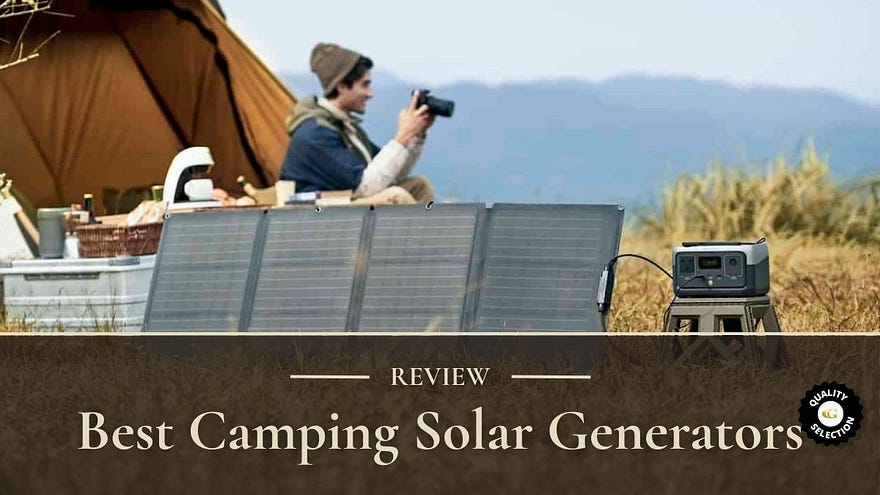
Discover the Best Camping Solar Generator
Is Boondocking Legal in Wisconsin?
Yes, boondocking is legal in Wisconsin. The state has public lands open for dispersed camping, but it's important to follow specific regulations set by the Department of Natural Resources.
Wisconsin's Public Lands and Opportunities
Wisconsin offers a variety of public lands for wild camping, from state forests to designated wilderness areas. These lands provide ample opportunities for those seeking solitude and adventure. Understanding the specific rules for each area is crucial, as they may vary in terms of access and allowable activities.
Regulations and Compliance
The Wisconsin Department of Natural Resources (DNR) sets regulations for wild camping to ensure environmental protection and public safety. Campers should familiarize themselves with these rules, which may include restrictions on campfire use, waste disposal, and camping duration. Compliance with these regulations helps preserve the natural beauty of Wisconsin's landscapes.
Engaging with Local Communities
When camping in Wisconsin, engaging with local communities can enhance the experience. Visiting local ranger stations or tourism offices can provide valuable insights into the best camping spots and any regional guidelines. Building relationships with locals fosters a sense of community and ensures continued access to these cherished lands.
Camping Gear Reviews
Best Dry Camping RV Batteries | Best Fiberglass Camper Wax | Best Camper Mattress | Best Water Filter for Camper | Best Deep Cycle Battery for Camper | Best Power Bank for Camping | Best Heated Camping Chair
How to Find a Wild Camping Spot in the US
Finding a wild camping spot involves research. Websites and apps like FreeCampsites.net and iOverlander provide information on free campsites and boondocking locations. Always verify the legality and accessibility of a site before you go.
Online Resources and Tools
Numerous online resources and apps are available to help campers find suitable wild camping spots. These platforms offer user-generated reviews and detailed information about site conditions, access, and regulations. Using these tools can simplify the planning process and help identify ideal locations for your next adventure.
Local Knowledge and Networking
Tapping into local knowledge can be invaluable when searching for wild camping spots. Engaging with local outdoor communities, such as hiking or camping clubs, can provide insider tips and recommendations. Networking with fellow campers can also lead to discovering hidden gems not listed on public platforms.
Planning and Preparation
Thorough planning is essential for a successful wild camping trip. This includes checking weather conditions, packing appropriate gear, and understanding the specific rules for your chosen location. Preparing a flexible itinerary allows for adaptability and ensures a safe and enjoyable experience in the great outdoors.
Discover the Best Heated Camping Chair

3. Wild Camping in the UK
Overview of Wild Camping in the UK
Wild camping in the UK is a cherished tradition, offering a unique way to experience the country's diverse landscapes. However, the legal framework is more restrictive compared to other regions, requiring a careful understanding of where and how wild camping is permitted. By respecting local regulations and practices, campers can enjoy the UK's natural beauty responsibly.
Where is Wild Camping Legal in the UK?
Wild camping is generally restricted in the UK, but there are exceptions. Scotland allows wild camping on unenclosed land, thanks to the Land Reform (Scotland) Act 2003. In England and Wales, wild camping is mostly illegal without landowner permission, except in certain national parks like Dartmoor.
Scotland's Land Reform Act
Scotland offers the most freedom for wild campers, thanks to the Land Reform (Scotland) Act 2003. This law permits responsible access to unenclosed land, allowing campers to explore remote areas freely. However, respecting local communities and following the Scottish Outdoor Access Code is crucial to maintaining this privilege.
England and Wales Regulations
In England and Wales, wild camping is generally prohibited without explicit landowner permission. However, certain areas like Dartmoor National Park offer some exceptions, where wild camping is tolerated within designated zones. Campers should always seek permission and be aware of any specific rules governing these areas.
Northern Ireland and Legal Considerations
Wild camping in Northern Ireland is subject to stricter regulations, with most land requiring landowner permission. The lack of public access rights means that finding legal camping spots can be challenging. Campers should be diligent in seeking permission and adhering to local laws to avoid conflicts or fines.
Tips for Wild Camping in the UK
- Seek Permission: If you're unsure, always ask landowners for permission.
- Be Discreet: Set up camp late and leave early to minimize your presence.
- Leave No Trace: Ensure you leave the area as you found it.
Seeking Permission and Building Relationships
Obtaining permission from landowners is a key aspect of wild camping in the UK. Building positive relationships with local landowners and communities can enhance your experience and ensure continued access to these areas. Respectful communication and adhering to any conditions set by the landowner are essential.
Discretion and Minimizing Impact
Practicing discretion is crucial in regions where wild camping is not explicitly permitted. Setting up camp late and leaving early helps minimize your impact and reduces the likelihood of conflicts with local residents or authorities. Maintaining a low profile is a hallmark of responsible wild camping.
Environmental Responsibility
Leaving no trace is a fundamental principle for all campers. This involves packing out all waste, minimizing campfire impacts, and respecting the natural environment. By following these guidelines, campers can preserve the beauty of the UK's landscapes for future generations to enjoy.

Selected Campgrounds | Best Campgrounds State Land NY | Best Free Campings NY | Best Free RV Parks Massachussets
4. Wild Camping in Other Countries
Countries Where Wild Camping is Legal
Several countries have more relaxed wild camping laws, allowing adventurers to enjoy the outdoors freely. These include:
- Norway: The "Right to Roam" law permits camping on uncultivated land for up to two days.
- Sweden: Similar to Norway, the "Allemansrtt" allows camping, provided you respect nature and others.
- Finland: Wild camping is part of the "Everyman's Right," promoting outdoor activities.
Norway's Right to Roam
Norway's "Right to Roam" law, or "Allemannsretten," allows for free camping on uncultivated land. This law is rooted in tradition and encourages outdoor activities, provided campers respect the land and local communities. Understanding and adhering to these guidelines ensures the continued enjoyment of Norway's breathtaking landscapes.
Sweden's Allemansrtt
Sweden offers similar freedoms with its "Allemansrtt," granting the right to camp on private land with some restrictions. This right comes with responsibilities, including respecting nature, other people, and property. By embracing these principles, campers can enjoy Sweden's pristine wilderness while preserving it for future generations.
Finland's Everyman's Right
In Finland, the "Everyman's Right" allows for a wide range of outdoor activities, including wild camping. This tradition is deeply ingrained in Finnish culture and emphasizes respect for nature and others. Campers should follow the specific rules, such as avoiding camping near homes and respecting any temporary restrictions.
Countries with Strict Wild Camping Laws
In some countries, wild camping is more regulated. For instance, in many parts of the US, camping outside designated areas can result in fines. Always research local laws before setting out.
Europe and Access Restrictions
Certain European countries have strict regulations regarding wild camping, often due to environmental concerns or private property rights. In countries like France and Germany, camping is generally restricted to designated areas, and fines may be imposed for non-compliance. Understanding these regulations is crucial to avoid legal issues.
North America and Regional Variations
In North America, wild camping regulations vary widely between countries and regions. While some areas offer ample opportunities for dispersed camping, others have strict enforcement policies. Campers should research the specific rules for their destination to ensure a legal and enjoyable experience.
Asia and Cultural Considerations
In Asia, wild camping is often subject to cultural and legal considerations that differ significantly from Western practices. In some countries, camping in certain areas may be prohibited due to cultural sensitivity or environmental protection efforts. Understanding and respecting these differences is essential for responsible camping.
Discover the Best Camping Power Bank

5. Golden Camping Rules to Know
When it comes to camping and RV travel, a handful of practical rules can make your adventures safer, more enjoyable, and more respectful to nature and fellow campers.
-
The 200 Camping Rule emphasizes environmental stewardship by requiring campers to set up at least 200 feet away from trails and water sources, helping protect fragile ecosystems and wildlife habitats.
-
The 333 Camping Rule is all about travel comfort and safety: drive no more than 300 miles a day, arrive by 3 p.m., and stay at each site for at least three days, allowing for a relaxed pace and deeper exploration.
-
The 222 Camping Rule offers a similar structure but with a lighter footprint-drive up to 200 miles, arrive by 2 p.m., and stay two nights-perfect for those seeking balance between travel and rest.
-
The Golden Camping Rule, as in life, is about treating others and the environment with respect: leave no trace, keep noise down, and be considerate to fellow campers.
-
Finally, the 10-Year Rule Campground policy restricts older RVs from some private parks, aiming to maintain safety and aesthetics.
Camping responsibly starts with thenumber 1 rule of wild camping: leave no trace. To stay safe and protect wildlife, follow theTriangle Camping Ruleby separating your sleeping, cooking, and food storage areas. Always respect the camping distance from water by staying at least 200 feet from rivers, to preserve fragile habitats. If you need to camp discreetly, practicestealth camping rules. Finally, understandwhy wild camping is illegal in some statesto avoid fines and respect local laws.
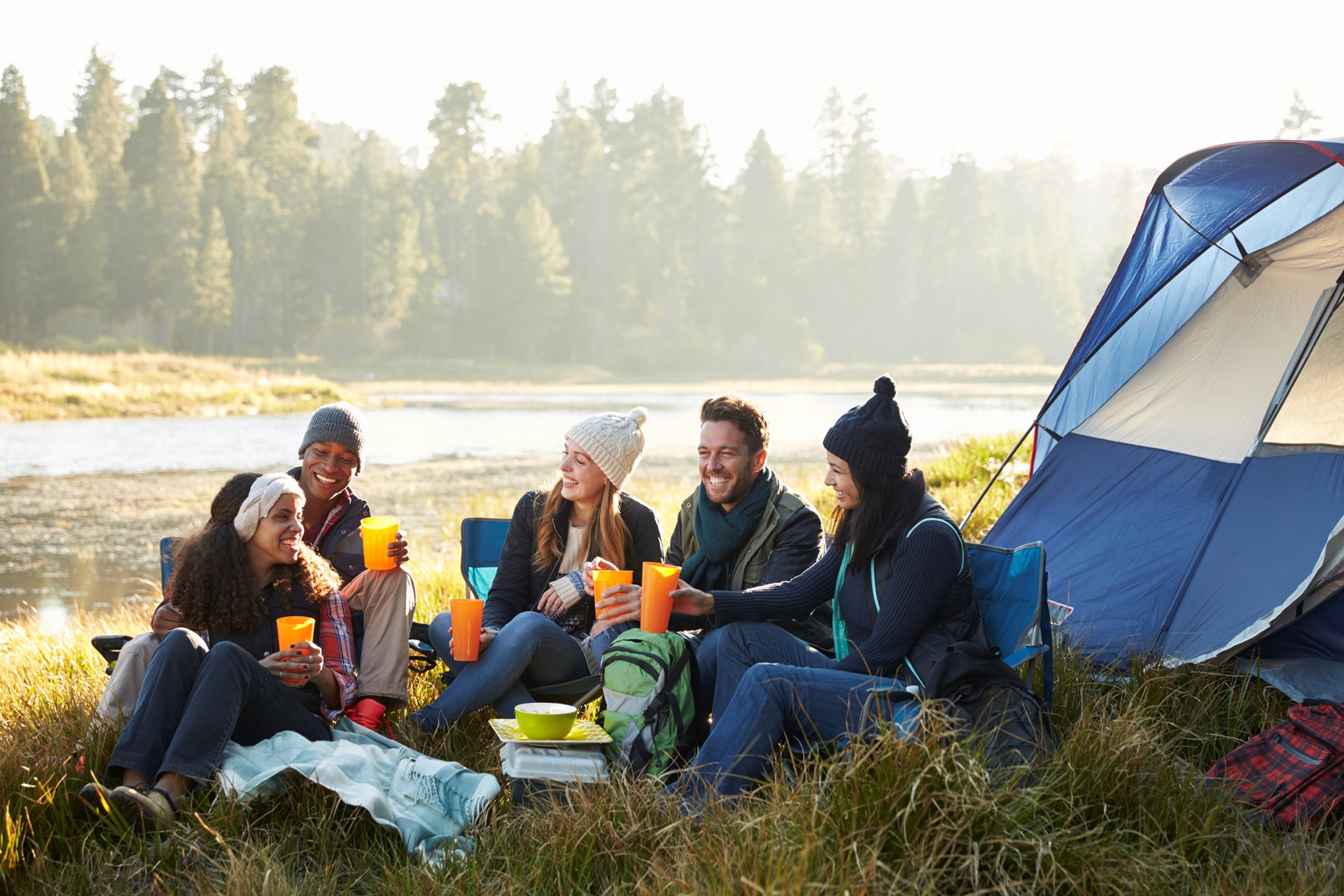
6. How to Camp Responsibly
Regardless of where you choose to wild camp, responsible behavior is key. In addition to the golden rules of camping above, here are some tips to ensure you're a responsible camper:
Follow "Leave No Trace" Principles
- Plan Ahead: Know the regulations and plan your trip accordingly.
- Travel and Camp on Durable Surfaces: Avoid fragile ecosystems.
- Dispose of Waste Properly: Pack out what you pack in.
- Respect Wildlife: Observe from a distance and do not feed animals.
Planning and Preparation
Adequate planning is the foundation of responsible camping. This includes researching local regulations, understanding the environmental impact of your activities, and preparing an itinerary that aligns with conservation principles. By planning ahead, campers can minimize their impact and ensure a positive experience for themselves and the environment.
Minimizing Environmental Impact
Traveling and camping on durable surfaces helps protect fragile ecosystems. Campers should avoid trampling vegetation, setting up camp on sensitive areas, and disturbing wildlife habitats. By choosing durable surfaces like established trails and campsites, campers can reduce their footprint and preserve the environment.
Waste Management and Wildlife Protection
Proper waste management is crucial to maintaining the natural beauty of wild camping areas. Campers should pack out all waste, including food scraps, and use biodegradable products where possible. Respecting wildlife involves maintaining a safe distance and avoiding feeding animals, which can disrupt their natural behaviors and ecosystems.
Be Prepared
- Bring the Right Gear: Ensure you have enough food, water, and a reliable tent.
- Check the Weather: Avoid setting up camp in adverse weather conditions.
- Know Emergency Procedures: Be aware of the nearest emergency services.
Essential Gear and Supplies
Bringing the right gear is essential for a successful wild camping trip. Campers should pack enough food, water, and appropriate clothing for the conditions. A reliable tent and sleeping bag are crucial, along with other essentials like a first-aid kit, map, and compass to ensure safety and comfort.
Weather Awareness and Safety
Checking the weather forecast before heading out is vital for planning a safe camping trip. Adverse weather conditions can pose significant risks, so campers should be prepared to adapt their plans accordingly. Understanding local weather patterns and potential hazards helps ensure a safe and enjoyable experience.
Emergency Preparedness
Knowing emergency procedures and the location of the nearest services is critical for safety in remote areas. Campers should familiarize themselves with local emergency contact numbers and have a plan in place for dealing with potential emergencies. This preparation ensures a swift response in the event of an accident or other unforeseen situations.

World Camping Laws: Conclusion
Wild camping offers a unique and rewarding way to experience nature. By understanding the legalities and following responsible camping practices, you can enjoy the outdoors without worry. Whether you're exploring the vast public lands in the US, the scenic landscapes of the UK, or the open wilderness of Scandinavia, being informed and prepared will ensure a safe and enjoyable adventure.
With this guide, you now have the knowledge to find legal wild camping spots and understand the importance of preserving these natural environments for future generations to enjoy. Always remember to respect the land and leave it better than you found it.
Embracing the Wild Camping Experience
Embracing the wild camping experience involves more than just setting up a tent in a remote location. It requires a mindset of respect, responsibility, and stewardship for the natural world. By approaching wild camping with this mindset, you can fully appreciate the beauty and tranquility of the outdoors.
Sharing Knowledge and Inspiring Others
Sharing your wild camping experiences and knowledge can inspire others to explore the outdoors responsibly. By promoting ethical camping practices and environmental stewardship, you contribute to a culture of respect and appreciation for the natural world. This shared knowledge helps preserve wild camping opportunities for future generations.
Looking Forward to Future Adventures
As you continue to explore wild camping, each adventure will bring new experiences and insights. By remaining curious and respectful of the environments you visit, you can look forward to countless rewarding adventures in the natural world. With the right preparation and mindset, wild camping will continue to be a source of joy and inspiration for years to come.
Browse the Shop
 Acacia frida deluxe solid wood bed frame |
Bedroom bench |
Bed chest drawers |
Lingerie dresser |
Frame base |
Mirror with jewelry storage |
30 Bathroom Vanity |
Memory foam queen mattress |
Mattresses for back pain |
Nightstand set of 2 |
Grand Goldman Shop |
Civil Lawyer
Deutschland Trikot WM 2026
Acacia frida deluxe solid wood bed frame |
Bedroom bench |
Bed chest drawers |
Lingerie dresser |
Frame base |
Mirror with jewelry storage |
30 Bathroom Vanity |
Memory foam queen mattress |
Mattresses for back pain |
Nightstand set of 2 |
Grand Goldman Shop |
Civil Lawyer
Deutschland Trikot WM 2026










