

If youve ever wonderedhow much it would cost to build a golf course, youre not alone. As someone whos spent years analyzing golf development projects, I know firsthand that building a golf course is a major financial commitmentand the price tag can vary dramatically.
For a standard 18-hole layout, youre looking at aninvestmentanywhere from$3 million to $30 million, depending on factors likelocation,design complexity, and thequality of amenitiesyou want to offer.Even a modest 9-hole course can cost between $2 million and $7 million, while high-end championship venues or PGA-caliber courses can soar well above $20 million.
Find Bleeding Edge Supplements at Scandalous Prices on iHerb.

The biggest drivers of cost includeland acquisition, which can run into the millions depending on the region, as well asirrigation systems,clubhouse construction, and the expertise of yourgolf course architect.Youll also need to budget forenvironmental permits,earthmoving, andturf installationall of which are essential for a playable, sustainable course.And dont overlook ongoingmaintenance costs, which can top $1 million annually for private clubs.
In this guide, Ill break down every major expense and hidden fee, so you can plan your project with confidence. Whether youre a seasoned investor or a passionate golfer, understanding the full spectrum of costs is the first step to building a successful and profitable golf course.
1. The Basics of Golf Course Construction
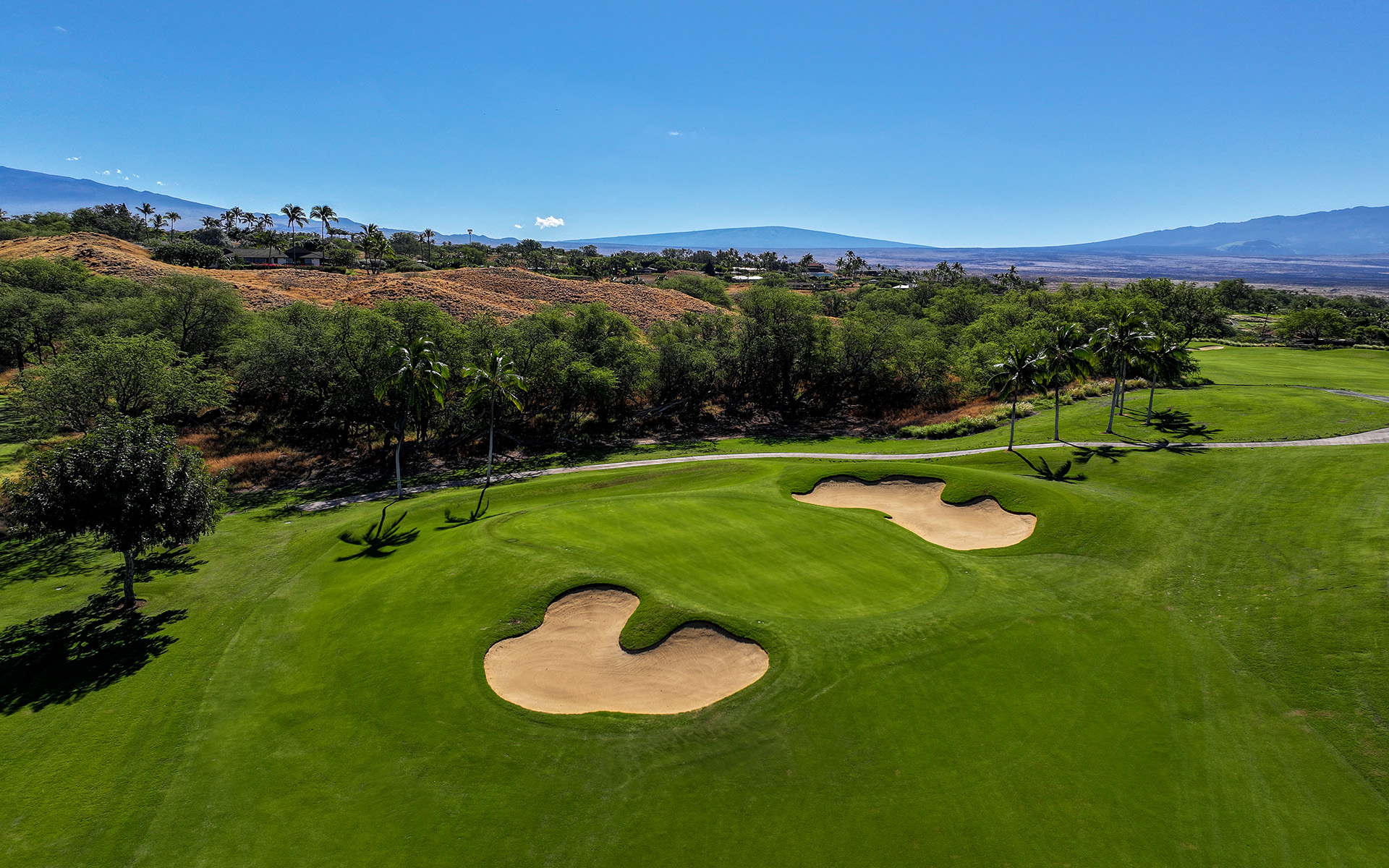
Before diving into the costs, it is important to understand the basic components of a golf course. A standard 18-hole golf course typically includes tees, fairways, greens, roughs, bunkers, water hazards, and various amenities such as a clubhouse, parking lot, and maintenance facilities. Each of these components contributes to the overall cost of construction. The scale and complexity of these features can vary significantly, influencing both the budget and timeline of the project.
The layout and design of a golf course are crucial for ensuring an enjoyable experience for players. The course must be challenging yet fair, catering to golfers of all skill levels. Additionally, factors such as topography and climate can affect the design and construction process, requiring tailored solutions to suit specific locations. A thoughtful approach to these elements can enhance the course's appeal and longevity.
Land Acquisition
One of the most significant costs associated with building a golf course is acquiring the land. The price of land can vary greatly depending on the location, size, and existing conditions of the property. For a standard 18-hole course, you may need anywhere from 150 to 200 acres of land. In prime locations, such as coastal or urban areas, land costs can be prohibitively high. Additionally, factors like zoning regulations and environmental restrictions can further complicate the acquisition process.
Selecting the right location is critical not only for cost but also for the course's success. Proximity to urban centers, accessibility, and scenic value are important considerations that can influence the number of visitors. Land in remote or rural areas might be more affordable but could require additional marketing efforts to attract players. Balancing cost with potential revenue is a key challenge in the land acquisition phase.
Course Design and Planning
Hiring a professional golf course architect is essential for creating a well-designed course that appeals to players of all skill levels. The cost of hiring an architect can range from $100,000 to over $1 million, depending on their experience and reputation. The design process includes site analysis, routing, grading plans, and environmental assessments. These elements ensure that the course is not only playable but also environmentally sustainable.
The planning phase involves more than just aesthetics; it requires consideration of local environmental regulations and sustainability practices. A well-planned course should integrate natural landscapes and consider water conservation and habitat preservation. Involving environmental consultants early in the process can help navigate these complexities and avoid costly redesigns or delays later on.

Site Preparation and Construction
Site preparation involves clearing the land, grading, and installing necessary infrastructure such as irrigation and drainage systems. This phase can be labor-intensive and costly, with expenses ranging from $2 million to $4 million. The cost of construction materials, such as sand, soil, and grass seed, also plays a significant role in the overall budget. It's essential to employ experienced contractors who can efficiently manage the various aspects of construction to keep the project on schedule and within budget.
Moreover, effective project management during this phase can prevent common pitfalls such as budget overruns or construction delays. Utilizing modern technology, like GPS and drones, can enhance accuracy in grading and reduce waste. Investing in quality materials and workmanship will not only improve the course's initial appeal but also minimize future maintenance costs.
Greens, Tees, and Fairways
The quality of the greens, tees, and fairways can significantly impact the overall playing experience. Constructing these elements involves selecting the right grass species, soil preparation, and careful maintenance. The cost for this portion of the project can range from $500,000 to $1.5 million. Attention to detail in selecting grass types that suit the local climate is crucial for the course's long-term sustainability and player satisfaction.
Regular maintenance is required to keep these areas in top condition, which includes mowing, watering, and pest control. Innovative irrigation systems and environmentally-friendly fertilizers can reduce long-term costs and environmental impact. Ensuring a high standard of care will enhance the reputation of the course and attract repeat visitors.
Bunkers and Water Features
Bunkers and water features add aesthetic appeal and challenge to the course. Constructing these elements requires additional materials and labor, typically costing between $200,000 and $750,000. The complexity of the design and the materials chosen can affect the final cost. Careful planning is needed to ensure these features are both functional and visually appealing, without overwhelming the natural landscape.
The strategic placement of bunkers and water features can enhance the course's difficulty and allure. However, these elements also require ongoing maintenance to remain in good condition. Regular upkeep, such as sand replenishment and water quality management, is essential to maintain the course's overall aesthetics and playability.

Golf Guides
What oil filter does a 2006 clubcar golf cart use | How long does 100ah battery last in a golf cart | How much to rent a golf cart | How much does it cost to rent golf clubs
2. Additional Costs and Considerations
Clubhouse and Amenities
A well-designed clubhouse can enhance the overall experience for golfers. The cost to build a clubhouse can range from $500,000 to several million dollars, depending on its size and amenities. Additional amenities such as a pro shop, restaurant, and locker rooms will also add to the overall budget. These facilities not only provide comfort and convenience but also create opportunities for additional revenue streams.
The design and construction of the clubhouse should reflect the target clientele and align with the branding of the course. High-quality materials and thoughtful design can make the clubhouse a destination in itself, attracting events and gatherings that further boost the course's appeal. Offering exceptional services and facilities can elevate the course's reputation and encourage repeat business.
Maintenance Facilities
Maintenance facilities are essential for storing equipment and supplies needed to keep the course in top condition. These facilities can cost between $200,000 and $500,000, depending on their size and complexity. Efficiently designed maintenance facilities can streamline operations and reduce long-term costs by ensuring that equipment is well-maintained and readily accessible.
Investing in modern equipment and technology can enhance the efficiency of maintenance operations. Training staff to use this equipment effectively will maximize its lifespan and improve course conditions. Additionally, implementing sustainable practices within maintenance operations can reduce environmental impact and appeal to eco-conscious players.
Permitting and Legal Fees
Obtaining the necessary permits and navigating legal requirements can be a lengthy and costly process. Budgeting for legal fees, environmental impact studies, and other regulatory costs is essential. These expenses can range from $50,000 to $200,000. Understanding local zoning laws and environmental regulations is crucial to avoid legal complications or delays in construction.
Engaging with local authorities and stakeholders early in the planning process can facilitate smoother permit approvals. Transparency and compliance with regulations demonstrate a commitment to community and environmental stewardship, which can enhance the course's reputation and foster positive relationships with local residents.
Financing and Investment
Financing a golf course project often involves securing loans or attracting investors. Interest rates, loan terms, and investor expectations will impact the overall cost of the project. It is crucial to have a solid business plan and financial projections to secure the necessary funding. A well-structured financial plan should account for both construction and operational costs to ensure the course's viability.
Attracting investors may require demonstrating the potential for return on investment through market research and competitive analysis. Highlighting unique features or innovative approaches can set the project apart and appeal to potential backers. Building a strong financial foundation is essential for the long-term success and sustainability of the course.
Golf Reviews
Best Golf Drivers | Best Golf Irons | Best Golf Clubs
3. Miniature Golf Courses: A Cost-Effective Alternative
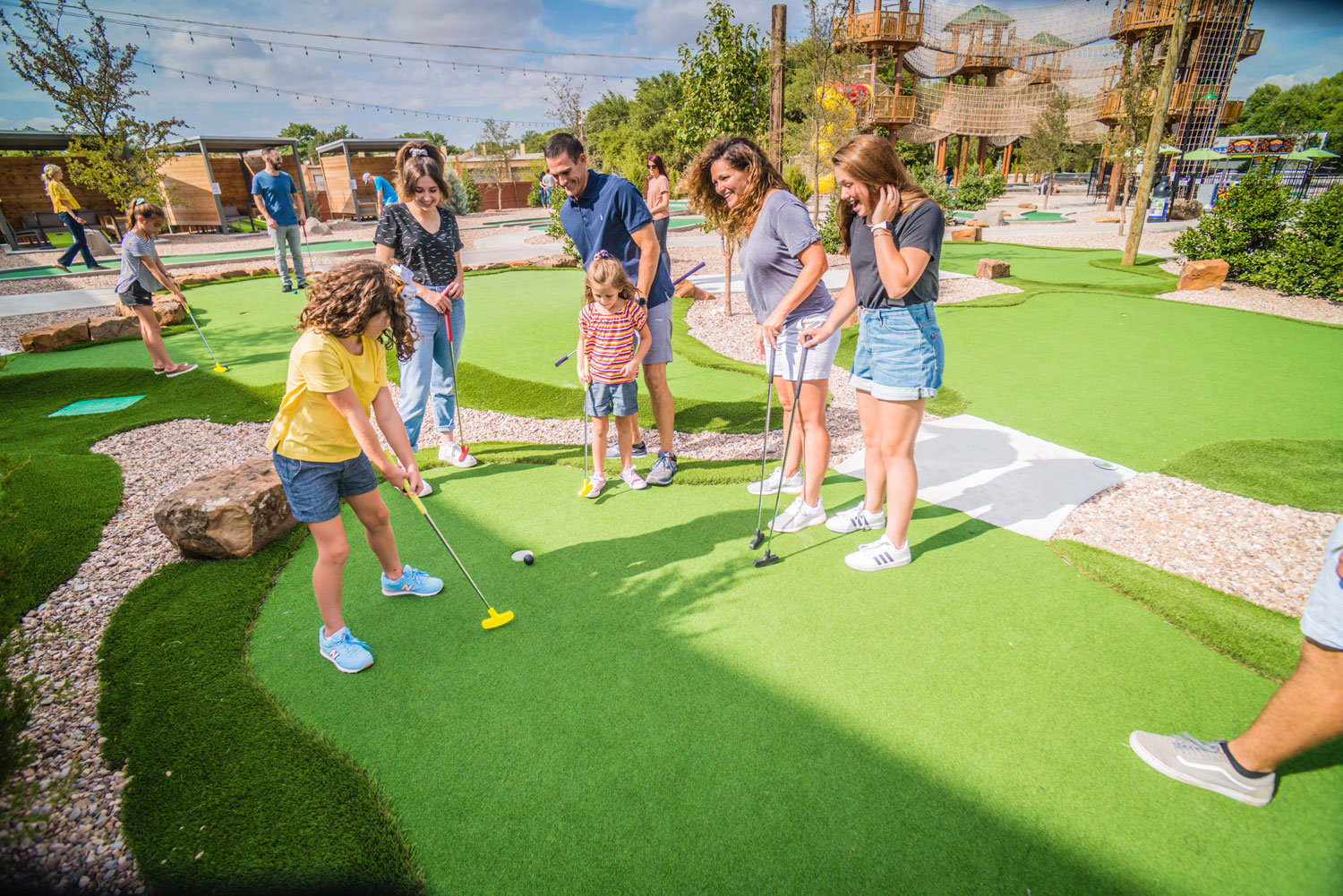
For those interested in a less expensive venture, building a miniature golf course can be an attractive option. The cost to build a miniature golf course is significantly lower, generally ranging from $150,000 to $500,000.
This includes land acquisition, design, construction, and amenities. Miniature golf courses require less land and fewer materials, making them a more affordable and accessible option. They can be a great introduction to the golf industry, providing insights and experience without the financial burden of a full-scale course.
Moreover, miniature golf courses appeal to a broader audience, including families and casual players, increasing their potential market. Creative theming and interactive features can enhance the experience and differentiate the course from competitors. Miniature courses can be an excellent way to tap into the recreational market, offering a fun and engaging activity that attracts diverse customers.
Gold Course Construction Pricing - Conclusion
The cost to build a golf course can vary widely depending on numerous factors, including location, design, and amenities. On average, building a standard 18-hole golf course can cost anywhere from $7 million to $15 million or more. Understanding these costs and the factors that influence them is essential for anyone considering this significant investment.
For those considering this venture, it is essential to conduct thorough research, consult with professionals, and develop a comprehensive budget to ensure the project's success. With careful planning and execution, building a golf course can be a rewarding investment that offers enjoyment and economic benefits for years to come. A well-conceived and executed course can become a cherished community asset and a successful business venture, provided it aligns with market demands and is managed effectively.
how much does it cost to build a golf course | golf course construction
how much would it cost to build a golf course | cost to build a miniature golf course | cost to build a putt putt golf course | cost to build a mini golf course | golf course financing | golf course development | average cost to build a golf course | golf course expenses | building golf course | golf course budget | golf course economics | golf course investment | golf course costs | golf course pricing
Browse the Shop
 Acacia frida deluxe solid wood bed frame |
Bedroom bench |
Bed chest drawers |
Lingerie dresser |
Frame base |
Mirror with jewelry storage |
30 Bathroom Vanity |
Memory foam queen mattress |
Mattresses for back pain |
Nightstand set of 2 |
Grand Goldman Shop |
Civil Lawyer
Deutschland Trikot WM 2026
Acacia frida deluxe solid wood bed frame |
Bedroom bench |
Bed chest drawers |
Lingerie dresser |
Frame base |
Mirror with jewelry storage |
30 Bathroom Vanity |
Memory foam queen mattress |
Mattresses for back pain |
Nightstand set of 2 |
Grand Goldman Shop |
Civil Lawyer
Deutschland Trikot WM 2026










