

Cool Live Edge Mirror and LED Lights, we all know how amazing live edge furniture looks. Unfortunately, everything has a cost, and since I do a lot of things, I need to look at my budget.
Although this may not be a true live edge, with a little creativity you can create a stunning faux live edge piece.
Find Bleeding Edge Supplements at Scandalous Prices on iHerb.

Even if you don't need a mirror, this faux live edge concept can be applied to almost any project you want to make.
If you follow me, you know I have a thing for LEDs, so if that's not your thing, you can look beyond that.
I used pine wood and shaped it to have a natural look. Then a cheap mirror was added and LEDs were added to give a good glow.
This could be a free standing or wall mounted mirror.
Lastly, I used a smart plug that can be controlled via WIFI.
- (1) 8′ 1×12 white wood common board
- (1) 4′ 1×16 Laminated Fir Panel Board
- (1) Pine 6′ 1×2
- (1) Door mirror 4'x1'
- (8) Pocket Hole Screws
- Putty
- LED light strips
- LED channels
- Smart plug
- Power supply
Step 1: Get a mirror


I was able to reuse a mirror from a previous project. You can use this process for virtually any mirror.
I'm using a cheap mirror that you can buy at any store.
To start, I removed the frame from the entire mirror.
For the live edge frame, all you need is an 8-foot piece of 1x12 lumber.
This can be cut in half and used for both the front and back.
Step 2: Create the Live Edge Profile


First, the design was loosely placed on a piece of cardboard.
After drawing the desired design, I transferred it to the wood and cut it out with a jigsaw.
If you want, you can do some research to find a reference for your live edge template.
Just keep in mind that this is yours and you can customize it as much as you want.
Step 3: Routing for the mirror


Now it was time to decide which part of the mirror we wanted to expose.
We spaced the outside edge of the frame 16 inches apart, this distance was close enough for the mirror to touch both pieces of the frame.
Next, place the mirror on the two pieces of wood, double-check the distance, and draw a reference line.
You can use a piece of wood the same thickness as the mirror, instead of routing the frame pieces.
Please note that this will add thickness to the frame but will eliminate the need for routing.
Route the section for the mirror. It is best if the mirror is flush with the surface of the wood.
Step 4: Sand and Apply Finish


Looking at the frame against the mirror, it seemed too thick for my taste. To make this area thinner we use a chamfer on the router to reduce the edge.
That looked pretty good, but it still wasn't where I wanted it. We went back over the raw edge with the sander and gave it a slight turn.
This is a good time to sand the remaining parts.
The finish I used may not work for everyone, so explore and make samples with different finishes.
We apply wood conditioner before adding an oil finishyou dark danish.
Step 5: Attach the mirror


Attach the mirror to the false edge using caulk. Be sure to keep some distance from the false edge to prevent the caulk from squeezing.
Place weight on the mirror and frame (be careful not to crack or damage the mirror) and allow time for the adhesive to dry.
Step 6: Add the spacer


You can attach the spacers to the back of the mirror with wood glue, a nail gun, or screws.
Make sure any nails or screws clear the mirror, for obvious reasons.
After placing the spacers, secure the support pieces with pocket hole screws.
Since the LEDs were going to be placed on the sides, I drilled a hole near the bottom of each spacer piece.
LED strips have to go through this, so keep that in mind.
Step 7: Add the track for the LED


You can attach the spacers to the back of the mirror with wood glue, a nail gun, or screws.
Make sure nails or screws clean the mirror, for obvious reasons.
After placing the spacers, secure the support pieces with pocket hole screws.
Since the LEDs are on both sides, I drilled a hole near the bottom of each spacer.
The LED strips must be able to pass through the hole, so keep that in mind.
You can attach the LED track to the spacers with double-sided tape or by screwing it into place.
Step 8: Add the LED


I took enough of the LED strip around the mirror and a little more to make a small loop, go through the hole and into the opening in the middle. I removed the backing from the LED strip and adhered it into the LED channel. Then, I installed the cover.
How to splice LEDs:
- Cut the DC power cable and expose the conductors (wires).
- Remove the shield from each conductor (you should have two LED strips, one with the socket and one with the end cut off. These LEDs come with an additional end connector that can fit directly onto the strip that contacts the exposed copper).
- Slide a shrink tube over the conductor.
- Twist all the red wires together and all the black wires together.
- Solder the exposed wires together. Slide the shrink tube over the soldered wires and use heat to shrink them into place.
- Secure the DC socket to avoid strain on the cable.
- Test the lights, if they work, it's time to put on the back panels.
Step 9: Fixing the rear panels


I used wood glue, a nail gun to attach the back panels, making sure they were even with the front panels.
Step 10: Covering the final grain


The exposed end grain was not pretty to look at, so I decided to cut a piece of iron sheet to cover the multiple layers.
In most cases, this is not necessary if you are mounting it on the wall. It is more practical if you used this as a floor mirror.
Add a small piece of wood to close the ends before applying the veneer. Iron the veneer in place.
To blend the veneer with the live edge, sand the edges of the veneer and add a slight turn. Then apply the stain to match the wood.
Securing the wire harness: Next, I installed a tie base to secure the wire harness to prevent strain on the LEDs.
Finally, I applied two coats of satin cloth over polyurethane.
Step 11: Final Touches


This mirror can be used as a floor mirror or wall mounted. You will need heavy hangers to mount the mirror to a wall.
It is best to put this on bolts, but you can also use heavy duty anchors to support it.
I drilled a hole in the wall behind the mirror and next to the outlet, then fished the power cord into the wall.
Intelligent control:
I used a smart output to control the mirror. This is very good because you can control the output via Wi-Fi.
There is a button on the outlet, but the smart device is more convenient.
Step 12: Final Photos


Thank you for reviewing this project here are a couple of photos of the final product.
Get more information at Perfectidea.com and on our Facebook for more Cool Live Edge Mirror and LED Lights.
Popular Content
How to make a rocket stove for outdoors
Cardboard Drawers Lined with Jeans
Ideas and Advantages of Window Grilles for the Home!
Latest Articles
How to make a refrigerator out of insulating material: Practical step-by-step guide
How to make a Kilim for the Home: Complete Step by Step Guide
How to protect ourselves from accidents in our work workshop: Complete guideprevention and safety
Related Content
Engraving Images on Glass with a Dremel
How to Make a Modern and Rustic Shelf
Build a Fantastic Bed without Screws with this Tutorial!
Dream Bathrooms to Immerse yourself in Relaxing Fantasies
Creative Home Decor Ideas to Transform Every Space
Refreshing your home starts with smart design choices that combine comfort, personality, and functionality. Whether you want to modernize a small apartment, upgrade outdoor areas, or create cozy rustic interiors, these trending ideas can completely change the atmosphere of your space.
Outdoor Spaces That Increase Style and Functionality
Outdoor living continues to dominate modern home trends. Homeowners are increasingly investing in practical entertainment zones inspired by these BBQ shed ideas, which create the perfect setup for gatherings and weekend cooking sessions.
First impressions also matter when designing exteriors. Elegant farm entrance gates design ideas help properties stand out while improving privacy and curb appeal.
Compact living solutions are also gaining popularity. These inspiring 16x40 shed house interior design ideas show how smaller spaces can still feel luxurious and functional.
To enhance patios and entryways, homeowners are adding stylish protection with these creative porch awning exterior DIY ideas that blend aesthetics with practicality.
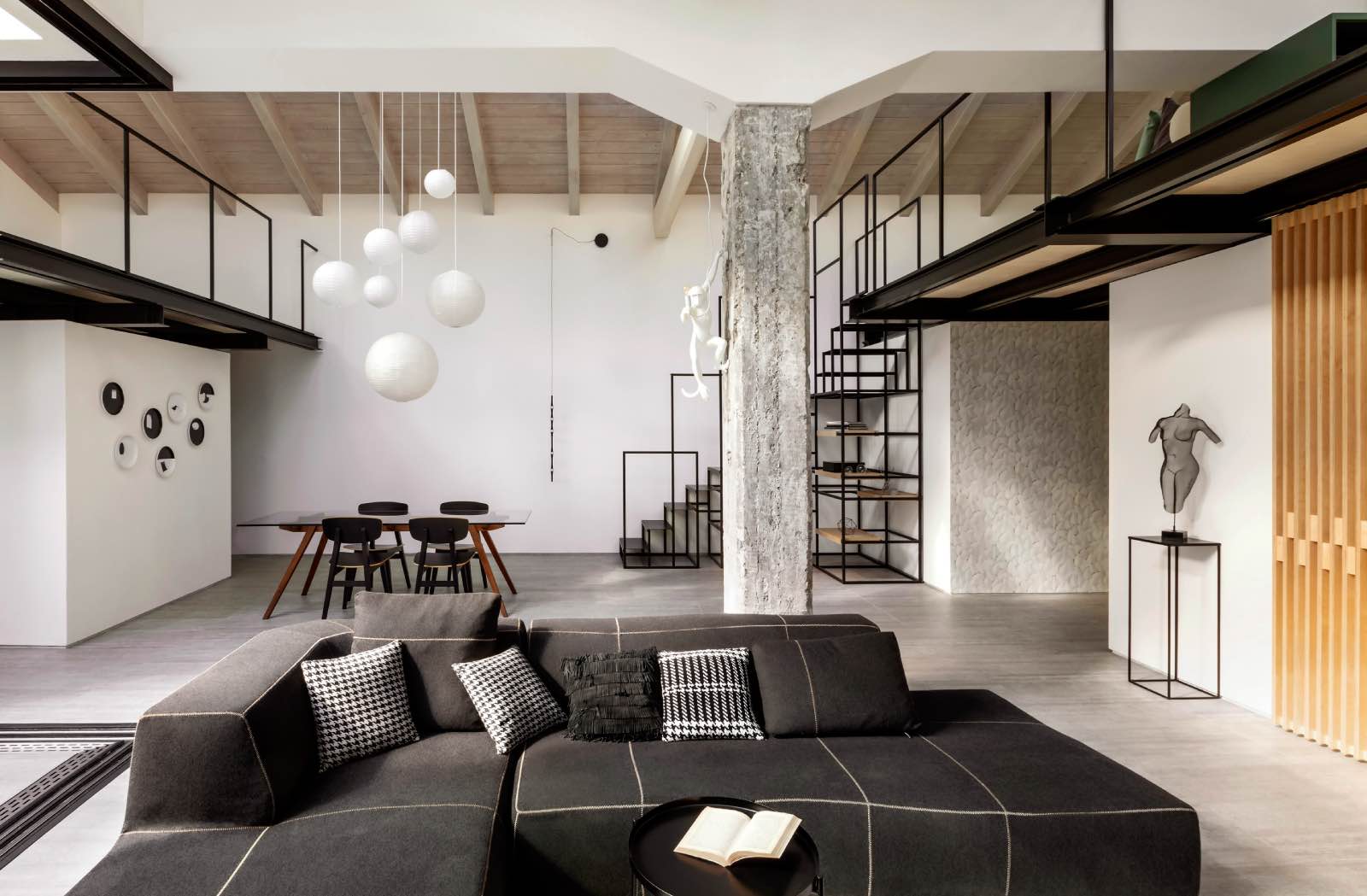
Rustic and Cozy Interior Design Trends
Warm and natural interiors remain timeless. These charming rustic decor ideas combine wood textures, vintage accents, and earthy tones to create welcoming spaces.
Bedrooms are becoming more personalized with curated wall arrangements. Many homeowners use these stylish picture wall ideas for bedroom spaces to display memories and artwork creatively.
Textured wall treatments are another major trend. Installing a board and batten wall adds architectural character while keeping interiors elegant and modern.
Similarly, bold accent wall ideas can instantly transform plain rooms into eye-catching focal points without requiring a full renovation.
Smart Kitchen and Organization Inspiration
Functional kitchens are essential for modern homes. These practical kitchen wall cabinet ideas maximize storage while maintaining a clean and stylish appearance.
Organization also starts at the entrance. Well-designed mud room ideas help families keep shoes, coats, and daily essentials neatly arranged.
Colorful and Personalized Home Styling
Vibrant interiors are becoming increasingly popular thanks to playful dopamine decor ideas that use bright colors and joyful accessories to improve mood and energy.
Gallery walls also continue to evolve as a major decorative feature. These trendy gallery wall inspiration ideas offer creative ways to combine prints, photos, and statement art.
Young renters and new homeowners are especially embracing these stylish first apartment aesthetic ideas to create sophisticated interiors on a budget.
Finally, selecting the right shades can dramatically influence any room’s atmosphere. These modern trendy color ideas help homeowners choose palettes that feel fresh, elegant, and timeless.
Final Thoughts
From rustic charm and colorful interiors to outdoor entertaining areas and functional storage solutions, today’s home decor trends focus on creating spaces that feel both beautiful and livable. By combining smart layouts, modern textures, and personalized decorative elements, any home can become more stylish, comfortable, and inspiring.
Browse the Shop
 Acacia frida deluxe solid wood bed frame |
Bedroom bench |
Bed chest drawers |
Lingerie dresser |
Frame base |
Mirror with jewelry storage |
30 Bathroom Vanity |
Memory foam queen mattress |
Mattresses for back pain |
Nightstand set of 2 |
Grand Goldman Shop |
Civil Lawyer
Deutschland Trikot WM 2026
Acacia frida deluxe solid wood bed frame |
Bedroom bench |
Bed chest drawers |
Lingerie dresser |
Frame base |
Mirror with jewelry storage |
30 Bathroom Vanity |
Memory foam queen mattress |
Mattresses for back pain |
Nightstand set of 2 |
Grand Goldman Shop |
Civil Lawyer
Deutschland Trikot WM 2026










