

When it comes to home design, the window is far more than a simple opening in the wall. It is a complex system composed of a fixed and movable frame, glass panes, insulation, and gaskets that must ensure the continuity of the building envelope's performance. While aesthetics certainly matter, the real factors that determine a window's quality—and its price—are insulation performance, material composition, thickness, and the type of gaskets used. For the same size, prices can vary dramatically based on these technical specs, while the aesthetic choice often has a minimal impact on cost and is frequently limited by architectural context.
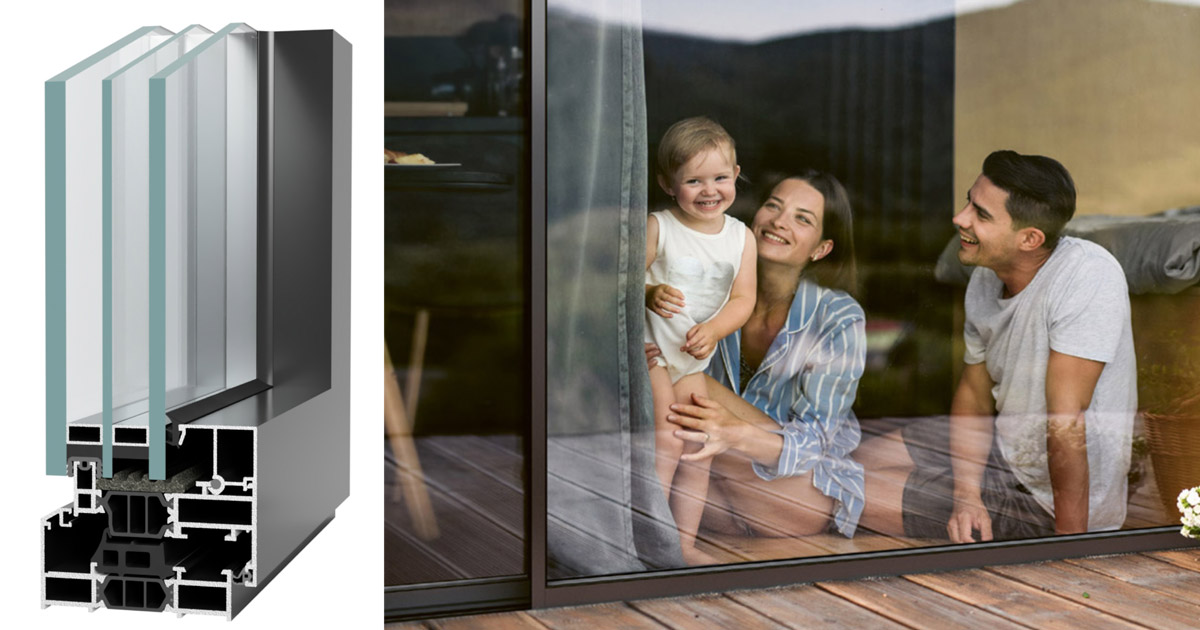
However, windows have two points of view: interior and exterior. Renovations often require modern interiors to coexist with rustic or classic exterior architecture, either by choice or by regulation. This means giving the window frame a look that is consistent with both contexts, sometimes adopting different finishes on each side in terms of workmanship, materials, and color. Choosing the right materials also depends heavily on your local climate. Whether you are upgrading your home improvement project or starting from scratch, understanding these components is the first step to a successful installation.
Find Bleeding Edge Supplements at Scandalous Prices on iHerb.

Beyond the overall thermal insulation level of the window unit, you must pay close attention to the glass specifications: how much light they let in, what solar protection they offer, safety features (anti-burglary and anti-fall), and, in many situations, the ability to insulate from noise.
Types of Window Profiles
Wood
Wood is a classic and natural insulator. To inhibit its tendency to move and age, manufacturers use drying processes and treatments with resins that make it fire-resistant, waterproof, and resistant to UV rays. These treatments also reduce the need for adjustments in the first years after installation. Depending on exposure, wood may require periodic renewal treatments. Whether laminated or solid, wood is inherently a good insulator, making it a top choice for those looking to add natural warmth to their wall decor and overall interior atmosphere.
Aluminum-Wood
The combination of wood on the interior side and an aluminum cladding on the exterior creates a high-quality, durable window frame. The wood is not exposed to the elements, which means it maintains its beauty without weathering. Since wood is a “warm” material, it transmits a sense of well-being and acts as an insulator. This hybrid profile is perfect for homes that want a cozy interior feel without sacrificing exterior durability. Pairing these windows with curtains can further enhance both insulation and style.
Aluminum
Aluminum is highly durable, lightweight, and requires almost no maintenance. While it is a good conductor of heat, modern aluminum profiles include thermal breaks (polyamide strips) that significantly improve insulation. This makes them an excellent choice for modern architecture and large window spans. Aluminum frames are also very strong, allowing for slimmer profiles and larger glass surfaces. They are ideal for connecting indoor spaces with outdoor patio furniture areas, creating a seamless transition.
PVC
PVC (polyvinyl chloride) is one of the most popular materials for windows due to its excellent cost-benefit ratio. It offers great thermal and acoustic insulation, is waterproof, and requires very little maintenance. Modern PVC windows are available in a wide range of colors and finishes, including wood-effect laminates. For energy efficiency, multi-chamber PVC profiles are the standard. They are a fantastic option for any home improvement project where budget and performance are key priorities.
Types of Glass
Single Glazing
Once the standard, single glazing is now largely obsolete for new constructions due to its poor insulation properties. It offers minimal thermal resistance and very little soundproofing. It is generally only used in outbuildings or specific restoration projects where historical accuracy is required.
Double Glazing (Insulating Glass Units)
Double glazing consists of two panes of glass separated by a spacer and sealed to create an air or gas-filled cavity. This cavity is typically filled with argon or krypton gas, which are better insulators than air. This is the standard for most modern windows and dramatically improves thermal efficiency, reducing heat loss in winter and heat gain in summer. It also provides significant sound reduction. To maximize comfort, consider pairing these windows with rugs for added floor insulation.

Triple Glazing
For the highest level of insulation, triple glazing is the top choice. It features three panes of glass and two gas-filled cavities. This configuration offers superior thermal performance, making it ideal for cold climates or passive houses. It also provides exceptional soundproofing, which is a major benefit for homes near busy roads or airports. The extra weight of triple glazing requires stronger frames, so it is often paired with reinforced aluminum or wood-aluminum profiles.
Low-E Glass (Low Emissivity)
Low-E glass has a microscopically thin, transparent coating that reflects heat back into the room while allowing natural light to pass through. This coating is a game-changer for energy efficiency. In winter, it keeps heat inside; in summer, it can be designed to reflect solar heat away. Most double and triple glazing units now come with Low-E coatings as standard. This technology works wonders in rooms with large windows where you might place sofas or other furniture, ensuring comfort without drafts.
Laminated Glass
Laminated glass is made by sandwiching a layer of polyvinyl butyral (PVB) between two sheets of glass. This interlayer holds the glass together if it breaks, preventing it from shattering into dangerous shards. It is a crucial safety feature for skylights, balconies, and floor-to-ceiling windows. Laminated glass also offers excellent sound dampening and blocks 99% of UV radiation, protecting your sofas and rugs from fading.
Tempered Glass
Tempered (or toughened) glass is heat-treated to be much stronger than standard glass. When it breaks, it crumbles into small, relatively harmless pebbles rather than sharp shards. It is required by building codes for doors, side lights, and any glass within a certain distance from the floor or a walkway. It is also more resistant to thermal stress, making it a safe choice for large window panes exposed to direct sunlight.
Frequently Asked Questions (FAQ)
What is the best material for window frames?
There is no single “best” material, as it depends on your priorities. Wood offers natural beauty and insulation but requires maintenance. Aluminum is durable and modern but needs thermal breaks. PVC is cost-effective and low-maintenance. Wood-aluminum combines the best of both worlds: interior warmth and exterior durability. For a comprehensive selection, explore the home improvement collection to find materials that suit your climate and style.
How do I choose the right glass for noise reduction?
For soundproofing, laminated glass is the most effective. The PVB interlayer dampens sound vibrations significantly. Combining laminated glass with a double or triple glazing unit and a wider air gap (e.g., 12mm or more) provides the best acoustic performance. Also, ensure the window frame has a tight seal. Adding heavy curtains can further absorb sound inside the room.
What does Low-E glass do?
Low-E (Low Emissivity) glass has a special coating that reflects infrared heat. In winter, it reflects interior heat back into the room, keeping it warm. In summer, a “solar control” Low-E coating can reflect solar heat away, keeping the room cooler. It allows natural light to pass through without significant reduction, making it an energy-efficient choice for any home.
Can I replace just the glass in my windows?
Yes, in many cases you can replace just the glass (the insulating glass unit) without replacing the entire frame, provided the frame is in good condition. This is a common upgrade for older windows to improve energy efficiency. However, if the frame is damaged or poorly insulated, replacing the whole window is more effective. For a complete upgrade, consider looking at home improvement options for new frame and glass combinations.
How do I maintain wooden window frames?
Wooden frames require periodic maintenance to protect them from moisture and UV damage. This typically involves cleaning, sanding, and applying a fresh coat of paint or varnish every 3-5 years, depending on exposure. Using high-quality, breathable paints or oils helps extend the life of the wood. Inside, you can protect the wood by controlling humidity levels and using curtains or blinds to reduce direct sun exposure on the frame.
Browse Grand Goldman Home Decor
Discover unique craftsmanship home decor and furniture at the Grand Goldman Shop.
Best Products We’ve Tested and Rated

Our testing team has hands-on reviews of extendable outdoor dining tables, quick access gun safe, rifle, handgun car, and fireproof waterproof. Every option below was compared across price, build quality, and real-world performance, with honest pros and cons. We update these guides regularly as new models arrive, so the recommendations stay current.
Our testing team has hands-on reviews of gun money, home, home centric smart, thermal camera what it is how choose model, and how buy armored door home. Every option below was compared across price, build quality, and real-world performance, with honest pros and cons. We update these guides regularly as new models arrive, so the recommendations stay current.
Browse the Shop
 Acacia frida deluxe solid wood bed frame |
Bedroom bench |
Bed chest drawers |
Lingerie dresser |
Frame base |
Mirror with jewelry storage |
30 Bathroom Vanity |
Memory foam queen mattress |
Mattresses for back pain |
Nightstand set of 2 |
Grand Goldman Shop |
Civil Lawyer
Deutschland Trikot WM 2026
Acacia frida deluxe solid wood bed frame |
Bedroom bench |
Bed chest drawers |
Lingerie dresser |
Frame base |
Mirror with jewelry storage |
30 Bathroom Vanity |
Memory foam queen mattress |
Mattresses for back pain |
Nightstand set of 2 |
Grand Goldman Shop |
Civil Lawyer
Deutschland Trikot WM 2026










