

More than a decade after one of its most public hardware failures, Amazon is quietly working on a return to the smartphone market. The move signals a renewed push into AI-driven devices and a broader ambition to reshape how consumers interact with technology throughout the day.
According to multiple reports, including Reuters, the company is developing a new phone internally codenamed “Transformer.” The project reflects a shift away from traditional smartphones toward AI-first experiences deeply integrated with Amazon’s ecosystem.
Find Bleeding Edge Supplements at Scandalous Prices on iHerb.

A second chance after a costly failure
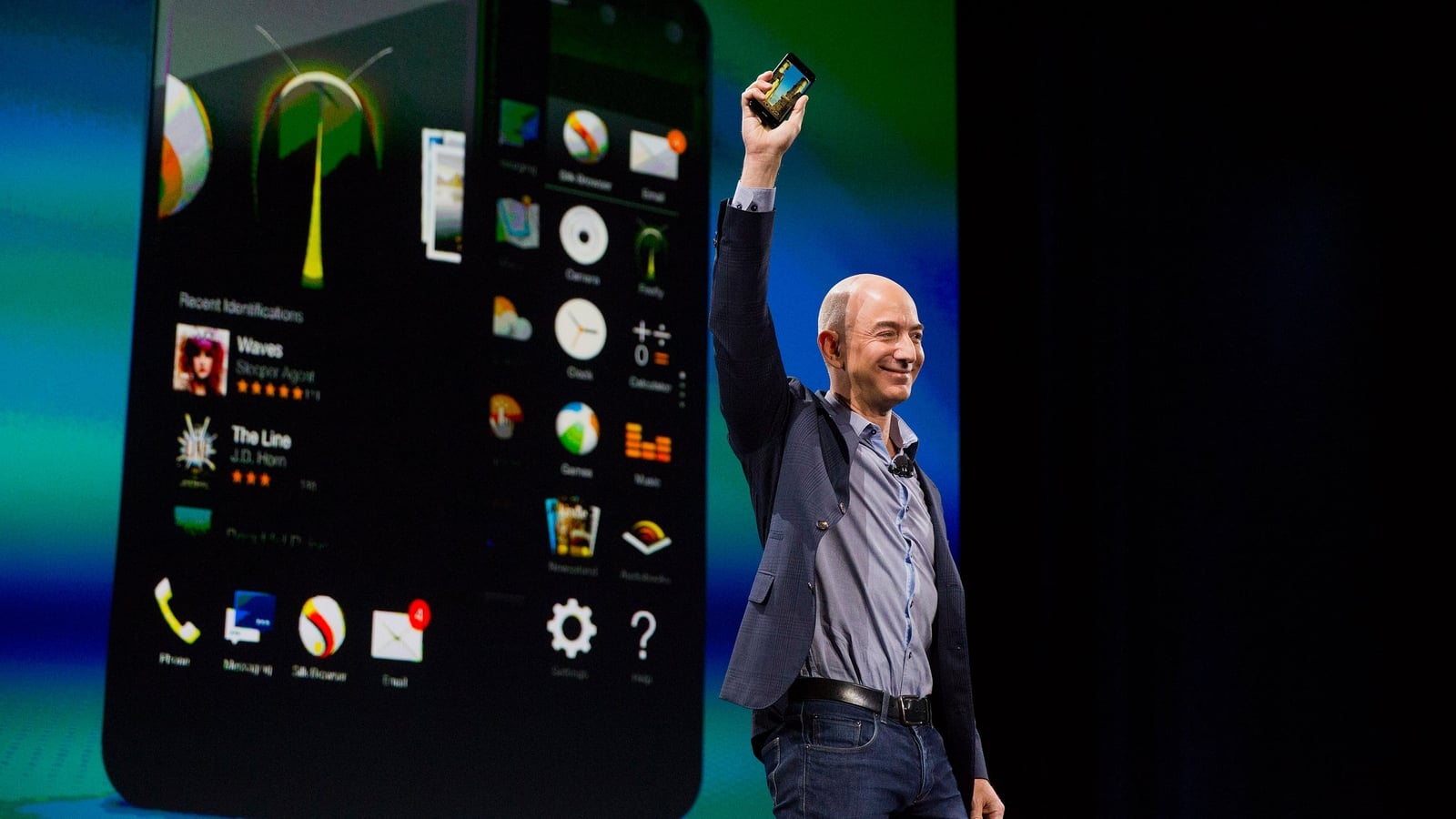
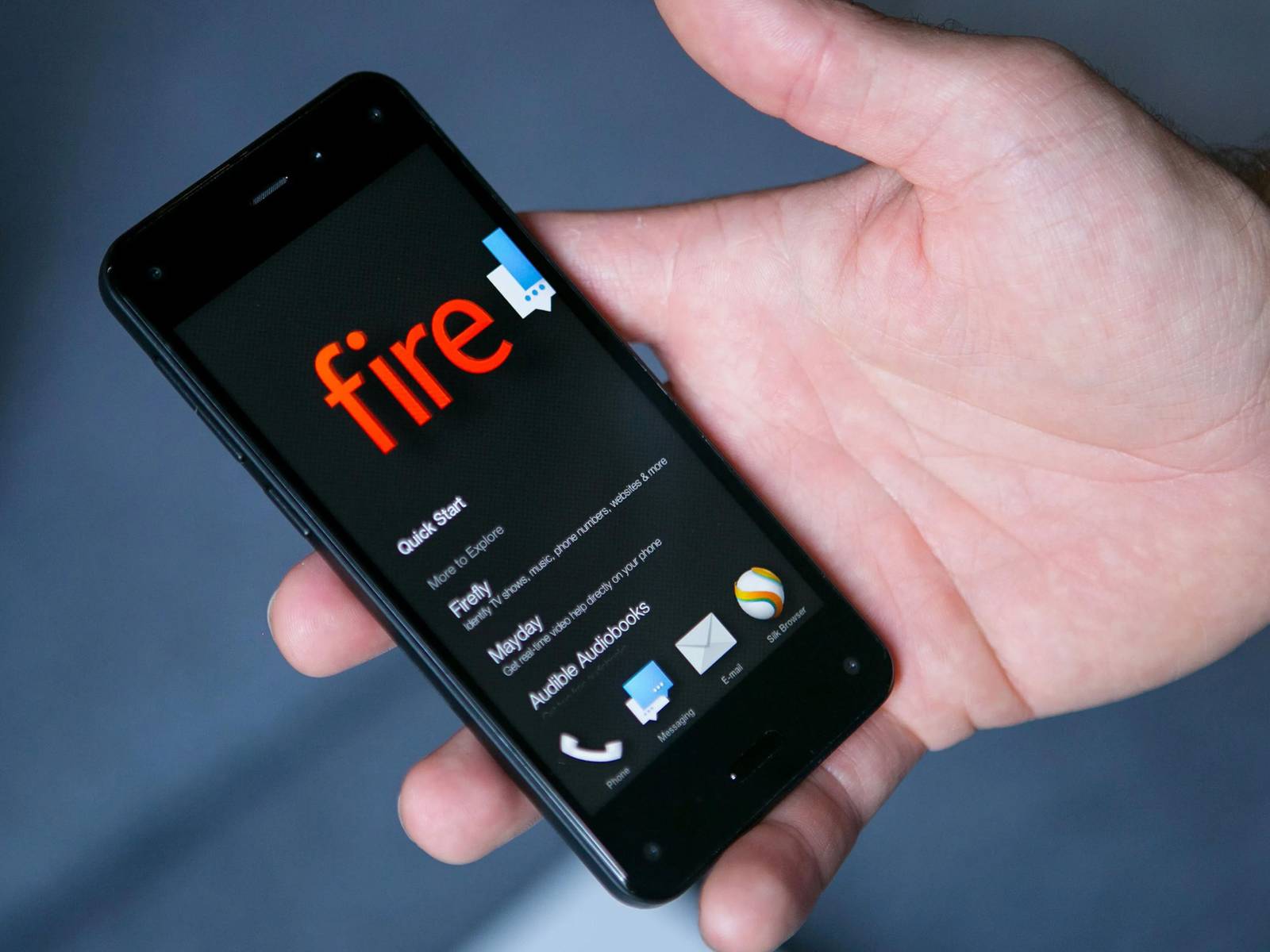
Amazon’s renewed interest in smartphones comes after the high-profile collapse of the Fire Phone, launched in 2014.
The device was discontinued just over a year later after weak demand, poor app support, and underwhelming features. Amazon ultimately recorded a $170 million write-down on unsold inventory, cementing the Fire Phone as one of the company’s biggest missteps.
Why the Fire Phone failed
Several key issues contributed to the failure:
- Limited app ecosystem compared to iOS and Android
- Overengineered features like 3D “Dynamic Perspective”
- High launch price with little differentiation
- Weak battery performance and overheating issues
The result was a product that struggled to compete against dominant players like Apple and Samsung.
Inside the new “Transformer” project
Amazon’s new smartphone effort is being developed within its devices and services division. The initiative is reportedly led by a specialized team called ZeroOne, focused on breakthrough hardware innovation.
Core concept: an AI-first smartphone
Unlike its predecessor, the new device is expected to center on artificial intelligence rather than traditional apps. Early details suggest:
- Deep integration with Amazon’s voice assistant
- AI-driven personalization across services
- Reduced reliance on app stores
- Seamless connection to shopping, media, and home devices
The phone is designed to function as a “personalization hub,” connecting users continuously to Amazon’s ecosystem.
This approach aligns with a broader industry shift toward generative AI interfaces that can replace conventional app-based navigation.
Two possible device directions
Sources indicate Amazon is exploring multiple form factors:
| Option | Description | هدف |
|---|---|---|
| Full smartphone | Traditional device with advanced AI features | Compete with iPhone and Android |
| Minimalist phone | Limited functionality, fewer distractions | Secondary device or digital detox |
The minimalist concept draws inspiration from niche devices like the Light Phone, emphasizing simplicity and reduced screen time.
Alexa at the center of the experience
A key differentiator for Amazon’s new phone is its tight integration with Alexa.
The device is expected to:
- Enable voice-first interactions across apps and services
- Automate tasks like shopping, streaming, and ordering food
- Deliver highly personalized recommendations based on user data
Amazon has long envisioned a “Star Trek–style” ambient computing experience, where users interact with technology primarily through voice.
This vision could finally become viable thanks to recent advances in AI.
Strategic timing: why now?
Amazon’s renewed smartphone ambitions come at a pivotal moment for the tech industry.
1. Rise of AI-powered devices
AI is reshaping how users interact with technology. Companies are racing to build devices that rely less on apps and more on intelligent assistants.
Amazon’s strength in AI and cloud infrastructure gives it a potential edge in this transition.
2. Ecosystem expansion
A smartphone would give Amazon:
- Direct, always-on access to users
- Deeper data insights across shopping and media
- Greater control over customer experiences
This could significantly boost engagement with services like Prime Video and online retail.
3. Hardware leadership changes
Amazon’s devices division is now led by executives with strong hardware backgrounds, including former Microsoft leaders. Their mandate is to reverse years of underperformance and deliver standout products.
Major challenges ahead
Despite the ambition, Amazon faces steep obstacles in re-entering the smartphone market.
Dominance of established players
The global market is heavily concentrated, with Apple and Samsung controlling roughly 40% of sales.
Consumers are deeply tied to existing ecosystems, making switching difficult.
Declining smartphone market
Industry forecasts predict a 13% drop in global smartphone shipments in 2026, driven by rising component costs.
This creates a challenging environment for any new entrant.
Skepticism from analysts
Some experts question whether Amazon can succeed where it previously failed.
Critics argue:
- Hardware competition is fiercer than ever
- Amazon lacks a strong track record in mobile software
- Privacy concerns could deter users
One analyst described the strategy as potentially “dead on arrival” without a compelling value proposition.

What success would look like
For Amazon’s new smartphone to succeed, it must clearly differentiate itself.
Key success factors include:
- Delivering a genuinely useful AI experience
- Offering seamless integration across Amazon services
- Providing incentives strong enough to switch from iOS or Android
- Balancing innovation with simplicity
A compelling use case—rather than flashy features—will be critical.
Timeline and uncertainty
At this stage, the project remains in development with no confirmed launch date, pricing, or specifications.
Sources caution that:
- The project could still be canceled
- Amazon has not secured carrier partnerships
- Internal priorities may shift
In other words, the “Transformer” phone is far from guaranteed to reach the market.
The bigger picture: Amazon’s AI hardware future
Whether or not the smartphone launches, the initiative highlights Amazon’s broader strategy.
The company is investing heavily in:
- AI-driven consumer devices
- Voice-first computing
- Integrated ecosystems spanning home and mobile
The smartphone, if realized, would serve as the central hub tying these elements together.
Conclusion
Amazon’s planned return to smartphones marks one of its boldest hardware bets in years. The company is attempting to turn a past failure into an opportunity by leveraging AI, ecosystem integration, and evolving user behavior.
But the stakes are high. Breaking into a saturated market dominated by entrenched players will require more than innovation—it will demand a fundamentally better user experience.
If Amazon can deliver that, the “Transformer” project could redefine what a smartphone is. If not, it risks becoming another costly lesson in the company’s hardware history.
Read next - Technology
Pentagon AI System | Amazon Smartphone Comeback | Roblox Ads Update | OpenAI Workforce Growth
Browse the Shop
 Acacia frida deluxe solid wood bed frame |
Bedroom bench |
Bed chest drawers |
Lingerie dresser |
Frame base |
Mirror with jewelry storage |
30 Bathroom Vanity |
Memory foam queen mattress |
Mattresses for back pain |
Nightstand set of 2 |
Grand Goldman Shop |
Civil Lawyer
Deutschland Trikot WM 2026
Acacia frida deluxe solid wood bed frame |
Bedroom bench |
Bed chest drawers |
Lingerie dresser |
Frame base |
Mirror with jewelry storage |
30 Bathroom Vanity |
Memory foam queen mattress |
Mattresses for back pain |
Nightstand set of 2 |
Grand Goldman Shop |
Civil Lawyer
Deutschland Trikot WM 2026










