

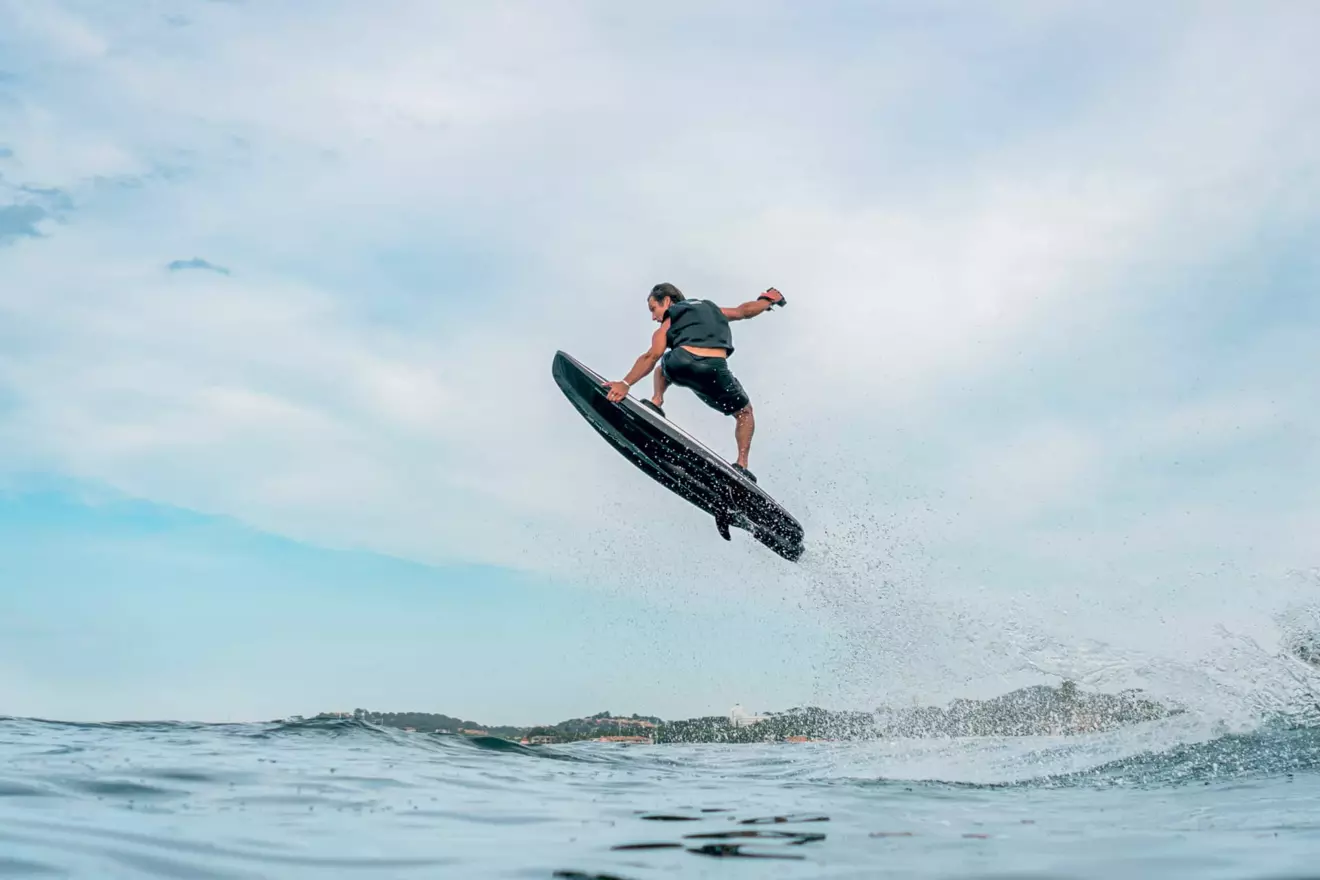
Electric wakeboards are turning quiet coves, marinas, and flat-water coastlines into personal playgrounds. What once looked like a niche toy for the ultra-rich is quickly becoming a serious category in watersports, blending wakeboarding, surfing, foiling, and EV tech into one adrenaline-heavy ride.
The appeal is obvious: no boat, no tow rope, no waves, and no gas. Riders can launch from shore, carve at speed, and in some cases literally fly above the water on hydrofoils. That mix of freedom, performance, and futuristic design is exactly why electric wakeboards and their close cousins, jetboards and eFoils, are becoming one of the most talked-about trends in high-end recreation.
Find Bleeding Edge Supplements at Scandalous Prices on iHerb.


What exactly is an electric wakeboard?
The term “electric wakeboard” is often used loosely. In practice, it usually refers to one of two categories:
- Electric jetboards / motorized surfboards: Boards that skim directly on the water using electric jet propulsion.
- eFoils: Boards with a hydrofoil mast and wing that lift above the water once they gain speed.
That distinction matters because the riding experience is very different. Jetboards feel closer to wakeboarding or aggressive flat-water carving, while eFoils feel more like low-altitude flight.
Quick comparison
| Type | How it rides | Best for | Main trade-off |
|---|---|---|---|
| Electric jetboard | Fast, splashy, direct contact with water | Speed, carving, thrill seekers | Rougher in chop |
| eFoil | Smooth, floating, quiet glide above water | Long cruising, novelty, calmer ride | Harder learning curve and deeper water needed |
For many newcomers, that “flying over the water” effect is the main reason the trend has exploded online. But for traditional board-sport fans, the surface-level aggression of a jetboard often feels more familiar.
Why electric wakeboards are suddenly everywhere
This category has existed for years, but three things are pushing it into the mainstream now: better batteries, more beginner-friendly designs, and social-media-friendly spectacle.
Manufacturers are making boards that are easier to control, more modular, and less intimidating for first-timers. Awake, one of the best-known premium brands in the space, now markets beginner-accessible models alongside higher-performance boards and promotes battery systems that can be shared across multiple ride types.
The visual factor is also huge. Electric boards are perfect short-form video content: riders accelerating from a standstill, skimming across glassy water, or hovering above chop with almost no visible effort. It is part watersport, part sci-fi demo, and that has made the category extremely clickable.

The real reason people want one
Electric wakeboards solve a frustrating problem that traditional board sports never could: you do not need ideal conditions.
No waves? Fine.
No boat? Fine.
No wind? Still fine.
That alone opens the door for people who live near lakes, canals, calm beaches, or marinas but do not have reliable surf or wake access. Reddit users discussing eFoils and jetboards repeatedly point to the same value proposition: more ride time, less setup hassle, and a unique experience that feels different from both surfing and jet skiing.
What riders seem to love most
- Instant access to water sessions
- Quiet electric propulsion compared with gas alternatives
- No need for a towing boat or driver
- A “new sport” feeling rather than a watered-down substitute
- High replay value for some riders, especially on varied water conditions
That said, the boards are not replacing surfing or wakeboarding. Even enthusiasts admit they are best understood as their own category, not a direct replacement for wave riding or cable parks.
The biggest catch: they are wildly expensive
This is where the trend becomes very real, very fast.
Most premium electric boards and eFoils still sit firmly in luxury territory. High-end setups can easily cost as much as a used jet ski, and replacement batteries alone can be a major purchase. Awake, for example, lists one of its Flex batteries at €4,990 before VAT, while complete systems can stretch far higher depending on board type and accessories.
Typical cost breakdown
| Cost area | What to expect |
|---|---|
| Entry price | Usually several thousand dollars/euros |
| Premium models | Often well into five figures |
| Spare battery | Major extra cost |
| Safety gear | Helmet, impact vest or life vest, leash |
| Storage / transport | Not always simple due to size and battery weight |
Battery cost is a major reason the category still feels exclusive. Community discussions regularly point to the power pack as one of the biggest hidden drivers behind price.
Are they actually easy to ride?
Yes and no.
Manufacturers are clearly designing more beginner-friendly boards, especially in the jetboard segment. Some models are built specifically to make entry easier, with more stability and simplified control systems.
But “easy” is relative. Riders on Reddit often describe eFoils in particular as highly rewarding but initially awkward, with balance and throttle control taking real practice. The sensation can be smooth once mastered, but getting there usually involves a few wipeouts and a lot of trial and error.
Who picks it up fastest?
People with experience in these sports tend to adapt quickest:
- Wakeboarding
- Snowboarding
- Surfing
- Skateboarding
- Foiling or kiteboarding
Absolute beginners can still learn, but they should expect a learning curve, especially on eFoils.
Safety matters more than the hype suggests
Electric boards look clean and effortless online, but they are still powered watercraft with real speed and real risk.
At minimum, riders should think in terms of collision risk, battery safety, water depth, and visibility to other vessels. Community advice frequently highlights the importance of a life jacket or impact vest and often a helmet, especially while learning.
Key safety concerns
1) Speed and impact
Some boards accelerate hard enough that falls are not casual spills. At speed, a crash can feel more like a wipeout from a small personal watercraft than a simple board tumble.
2) Propulsion and foil hardware
eFoils add submerged hardware beneath the rider, which means deeper water and more spatial awareness are essential.
3) Battery handling
These systems rely on large lithium battery packs. That means owners need to pay attention to charging, storage, transport, and manufacturer guidance.
4) Local rules
Not every lake, marina, or beach treats electric boards the same way. Some areas may regulate them more like powered vessels than boards, especially depending on speed and motor output.
So, are electric wakeboards a gimmick or the next big thing?
They are not a gimmick, but they are also not yet mass-market.
What makes them compelling is that they unlock a type of water access that used to require ideal geography, a tow boat, or years of traditional skill-building. That is powerful. For the right buyer, an electric wakeboard or eFoil can create far more “go now” sessions than almost any other watersport setup.
But the category still has clear barriers:
- Very high upfront cost
- Learning curve for many riders
- Battery logistics
- Storage and transport limitations
- Still limited mainstream rental/test ecosystems in many regions
That means the near future is likely to look like this: premium adventure toy today, broader aspirational watersport tomorrow.
Bottom line
Electric wakeboards are the wildest water trend right now because they combine three things people rarely get in one package: speed, freedom, and novelty. They are part board sport, part EV gadget, and part luxury thrill machine.
Read next
Tesla Model Y L Leak Sparks Buzz | Best Motorized Kayaks Turning Heads | Tesla Model X Range Loss Reports | Hitachi Air Compressor Deals | Kia EV8 Rumors and Updates | Rad Electric Bike News | Roadrunner Pro Review | Best EV Car Lease Deals | Mini Jet Skis Summer Trend
Solid State Battery News | Electric Wakeboards Trend | Caterpillar Skateboard Design | Apollo Phantom 20 Review | Luna Eclipse Bike Review | Flash Charging Stations EV | Wolf King GT Pro Review
For now, they remain expensive and a little impractical for the average buyer. But as batteries improve and prices slowly soften, expect electric boards to move from marina curiosity to serious watersports category much faster than many people think.
Browse the Shop
 Acacia frida deluxe solid wood bed frame |
Bedroom bench |
Bed chest drawers |
Lingerie dresser |
Frame base |
Mirror with jewelry storage |
30 Bathroom Vanity |
Memory foam queen mattress |
Mattresses for back pain |
Nightstand set of 2 |
Grand Goldman Shop |
Civil Lawyer
Deutschland Trikot WM 2026
Acacia frida deluxe solid wood bed frame |
Bedroom bench |
Bed chest drawers |
Lingerie dresser |
Frame base |
Mirror with jewelry storage |
30 Bathroom Vanity |
Memory foam queen mattress |
Mattresses for back pain |
Nightstand set of 2 |
Grand Goldman Shop |
Civil Lawyer
Deutschland Trikot WM 2026










