

Tesla’s Model X once sat near the front of the electric SUV pack with one of the highest advertised electric driving ranges. In real usage, however, owners and experts have noted that the actual distance between charges often falls short of those official numbers, and many drivers have reported noticeable range loss over time.
This comprehensive guide explains why range loss happens, how it differs from permanent battery degradation, what owners are experiencing, and how to manage or mitigate range reduction for the Model X.
Find Bleeding Edge Supplements at Scandalous Prices on iHerb.

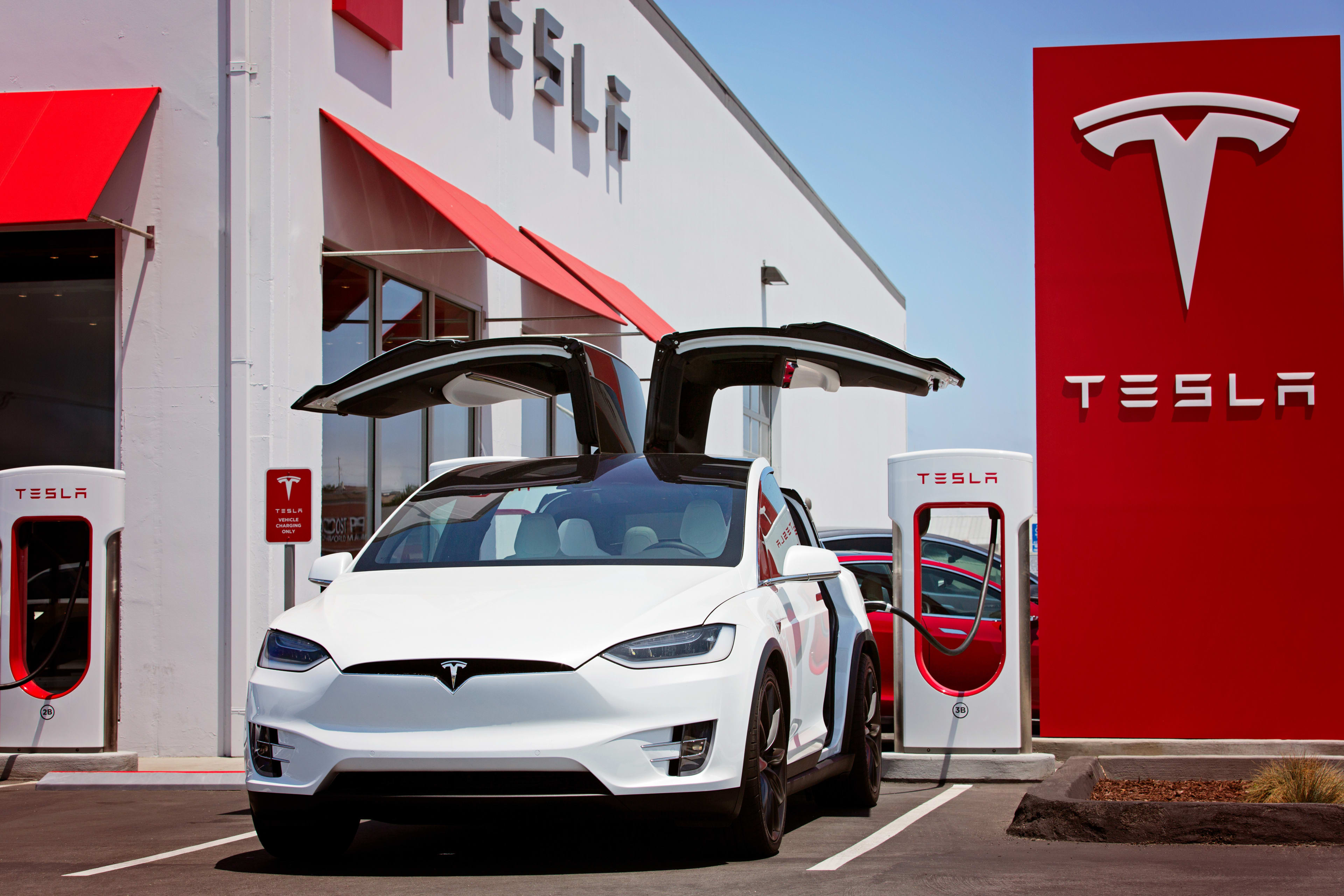
What “Range Loss” Really Means
In the world of electric vehicles (EVs), range loss can mean two different things:
- Temporary range fluctuation due to conditions on a given day.
- Permanent range reduction tied to long‑term battery degradation.
Understanding the difference is essential before assessing whether your Model X is performing within expectations.
Temporary vs Permanent Loss
- Temporary Loss: On cold days, range estimates can drop sharply but recover when temperatures improve or the battery warms up. This is physics, not battery failure.
- Permanent Loss: Over years of use, the battery’s maximum energy capacity declines gradually as cells age. This lowers the range you can achieve even under ideal conditions.
Tesla’s onboard range estimates are calculated from remaining energy and recent consumption, so real‑world behavior, weather, and driving style feed directly into the numbers you see.
How Batteries Age in a Tesla Model X
Tesla uses high‑energy lithium‑ion packs (NCA chemistry) with advanced management systems. Still, no battery retains 100% of its capacity forever. Typical aging patterns for Model X include:
| Factor | Effect on Range |
|---|---|
| Calendar aging | Natural capacity drop over time |
| High charge levels | Speeds degradation if stored near 100% often |
| Frequent DC fast charging | Slightly faster capacity loss |
| Extreme hot or cold environments | Alters efficiency and short‑term range |
Long‑term data indicate most Tesla packs lose a small chunk of capacity early and then degrade more slowly. A typical expectation is about 10‑12% capacity loss by ~100,000 miles, meaning most vehicles will still retain the majority of their driving range well into higher mileages.
What Owners Report
Real owner discussions echo this basic pattern: range estimates can drop noticeably early in a vehicle’s life and then level off. Some owners report apparent “step downs” in displayed range after long trips because the car’s battery management recalibrates based on recent consumption patterns.
Others see slow drift over tens of thousands of miles. Reddit threads from Model X owners often mention range reductions that look large on the dash but reflect a mix of real degradation and recalculated expectations.
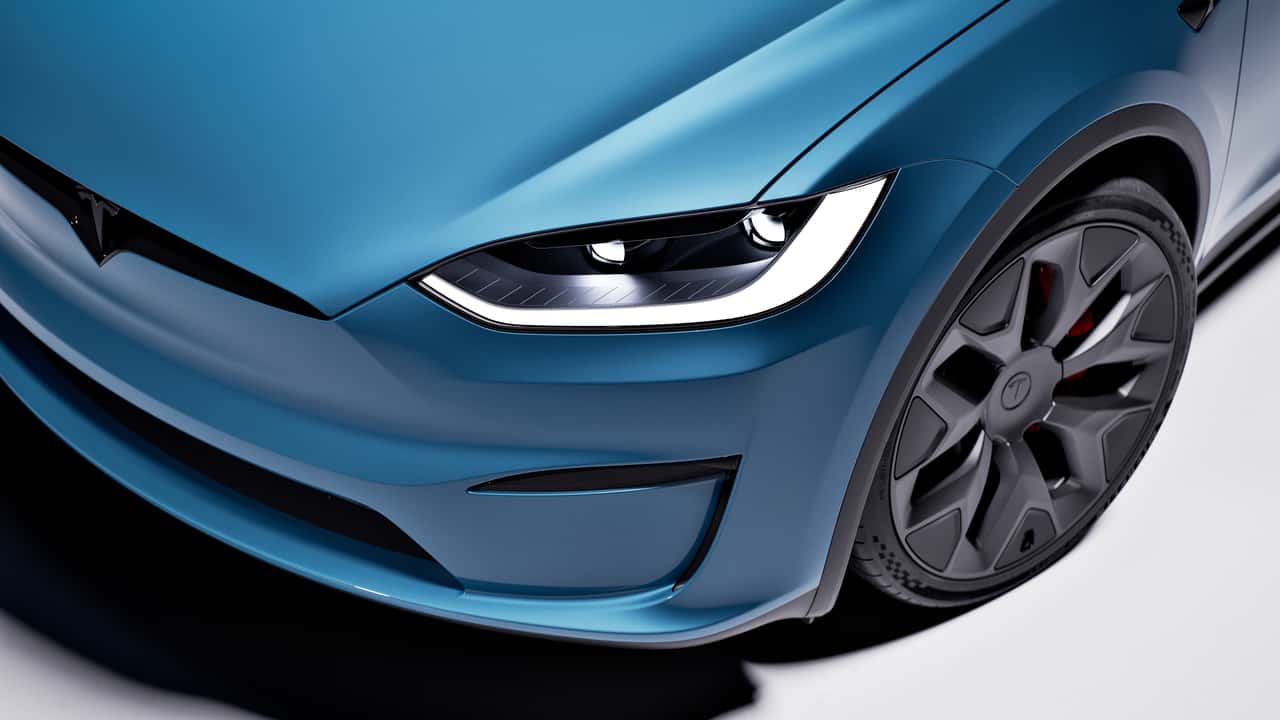
Why Real‑World Range Differs from Advertised Figures
Tesla’s range numbers are EPA estimates or internal test figures, measured under controlled conditions. In everyday usage, most EVs, including the Model X, deliver less range due to real factors such as:
- Cold or hot weather increasing energy use.
- Highway speeds and wind resistance.
- Climate control use, especially cabin heating in winter.
Industry reports show many EVs can fall short of advertised range by 5% to 20% in typical real‑world testing, driven by temperature, terrain, and consumer habits.
Cold Weather Impact
Cold weather especially hits EV range hard. Scientific and owner data show range can drop 20‑40% in deep cold, with a large part of that reversible once temperatures rise and the battery warms up via preconditioning.
In practical terms, that can mean a Model X with a nominal 300+ mile range may show 250 miles or less in winter conditions before warming up.
Common Owner Complaints About Range Loss
Typical complaints from Model X owners include:
- Sudden drops in displayed range after long trips or trips in cold weather.
- Perceived sharper range loss on newer models compared to older Model X units.
- Lower estimated range at the same charge percentage over time.
Many of these issues, when investigated at dealerships, are traced back to recalibration of the battery management system after changes in driving patterns, not hardware failure.
Tesla’s Official Notes on Range and Battery Care
Tesla’s own manuals highlight several factors that affect range and provide tips for maximizing efficiency:
- High speeds, climate control use, and heavy loads increase consumption.
- Preconditioning the cabin and battery while plugged in can reduce temporary range loss in cold weather.
- It’s normal for estimated range to decrease slightly in the first few months of ownership.
Tesla also instructs owners to keep the vehicle plugged in when not in use to avoid unnecessary battery drain and recommends storing the pack at moderate charge levels for long‑term health.
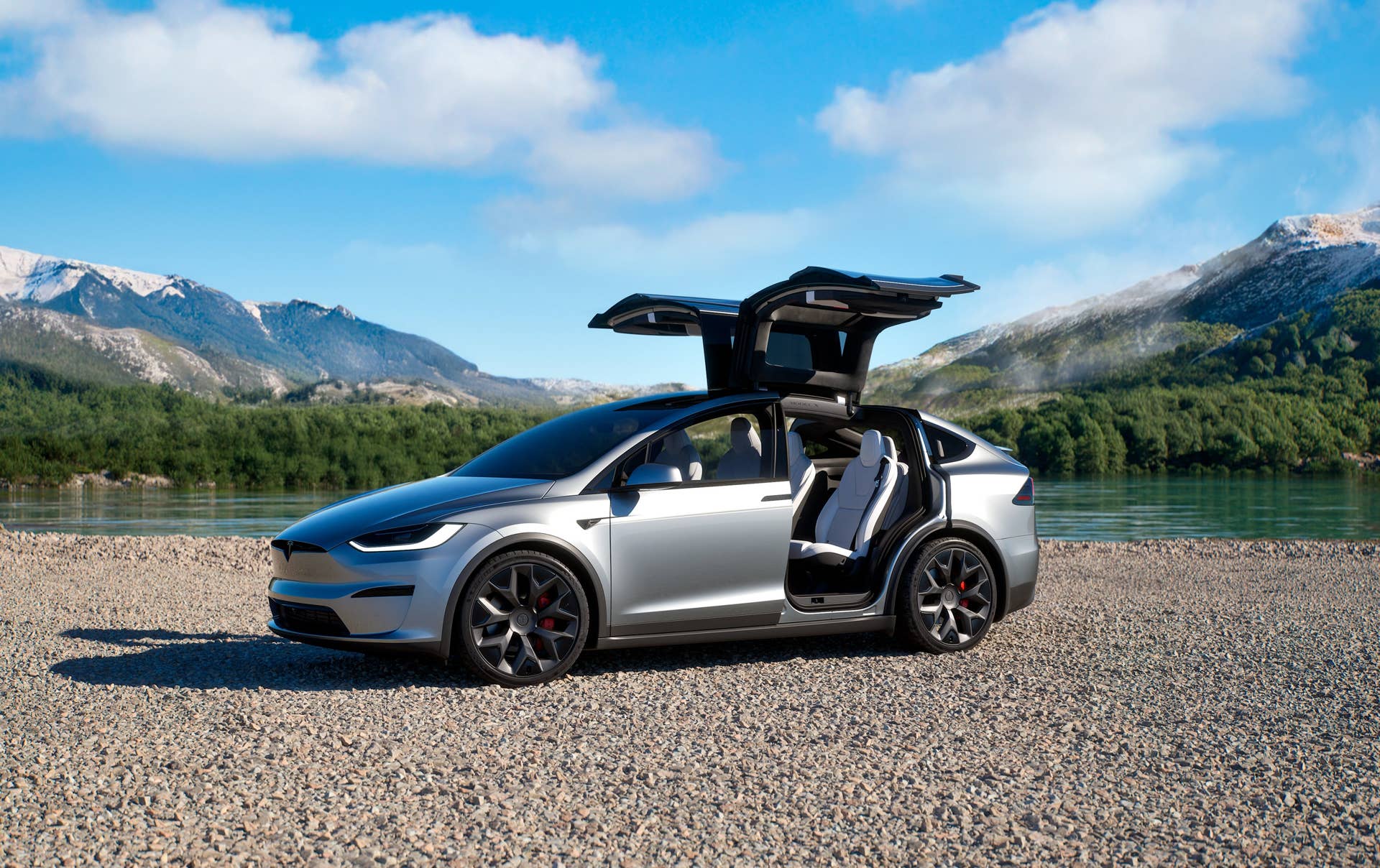
Expectation vs Reality: A Balanced View
Here’s the good news for Model X owners:
- The battery chemistry and management in Tesla vehicles are broadly well‑regarded for longevity.
- Permanent capacity loss tends to be gradual, not catastrophic, and often stays within warranty protection if abnormal.
But here’s the reality:
- Real‑world usable range is almost always lower than advertised testing figures.
- Weather, driving style, and charging habits have an outsized impact on short‑term range experience.
- Early depletion in displayed range does not always equate to hardware failure.
Tips to Minimize Range Loss Effects
To get the best lifetime performance from a Model X:
- Use moderate charge limits for day‑to‑day driving (Tesla recommends ~80%).
- Precondition the battery and cabin when plugged in for cold‑weather drives.
- Avoid frequent DC fast charging as a daily habit, and mix in Level 2 charging when possible.
- Maintain proper tire pressures and reduce unnecessary weight.
- Drive more conservatively with fewer spikes of rapid acceleration.
Understanding the difference between temporary range swings and true degradation can save owners unnecessary worry and help them plan long‑distance travel more confidently.
Conclusion
Tesla’s Model X range loss headlines often reflect broader truths about EV battery behavior rather than imminent battery failure. While real‑world range frequently falls short of advertised figures, most of that reflects environmental conditions, driving patterns, and temporary effects rather than severe or abnormal degradation.
Over years and hundreds of thousands of miles, the Model X battery generally retains robust usable capacity. Active management of charging habits and driving practices, especially in cold weather, can significantly improve daily range experience and prolong the battery’s useful life.
Read next
Tesla Model Y L Leak Sparks Buzz | Best Motorized Kayaks Turning Heads | Tesla Model X Range Loss Reports | Hitachi Air Compressor Deals | Kia EV8 Rumors and Updates | Rad Electric Bike News | Roadrunner Pro Review | Best EV Car Lease Deals | Mini Jet Skis Summer Trend | Solid State Battery News | Electric Wakeboards Trend | Caterpillar Skateboard Design | Apollo Phantom 20 Review | Luna Eclipse Bike Review | Flash Charging Stations EV | Wolf King GT Pro Review
Browse the Shop
 Acacia frida deluxe solid wood bed frame |
Bedroom bench |
Bed chest drawers |
Lingerie dresser |
Frame base |
Mirror with jewelry storage |
30 Bathroom Vanity |
Memory foam queen mattress |
Mattresses for back pain |
Nightstand set of 2 |
Grand Goldman Shop |
Civil Lawyer
Deutschland Trikot WM 2026
Acacia frida deluxe solid wood bed frame |
Bedroom bench |
Bed chest drawers |
Lingerie dresser |
Frame base |
Mirror with jewelry storage |
30 Bathroom Vanity |
Memory foam queen mattress |
Mattresses for back pain |
Nightstand set of 2 |
Grand Goldman Shop |
Civil Lawyer
Deutschland Trikot WM 2026










