

Solid-state batteries are back at the center of the tech and EV conversation in 2026, but the story is more complicated than the usual “longer range, faster charging” headlines. The sector is moving forward, especially in China and among a handful of U.S., Japanese, and European developers, yet most programs are still in pilot, validation, or low-volume pre-commercial stages rather than true mass-market rollout.
The important shift this year is not that solid-state batteries have “arrived” overnight. It is that the industry is finally moving from lab claims to factory lines, vehicle testing, standards, and independent validation. That makes 2026 one of the clearest reality checks the technology has faced in years.
Find Original, High-end Home Decor that spark conversation at Grand Goldman Shop.
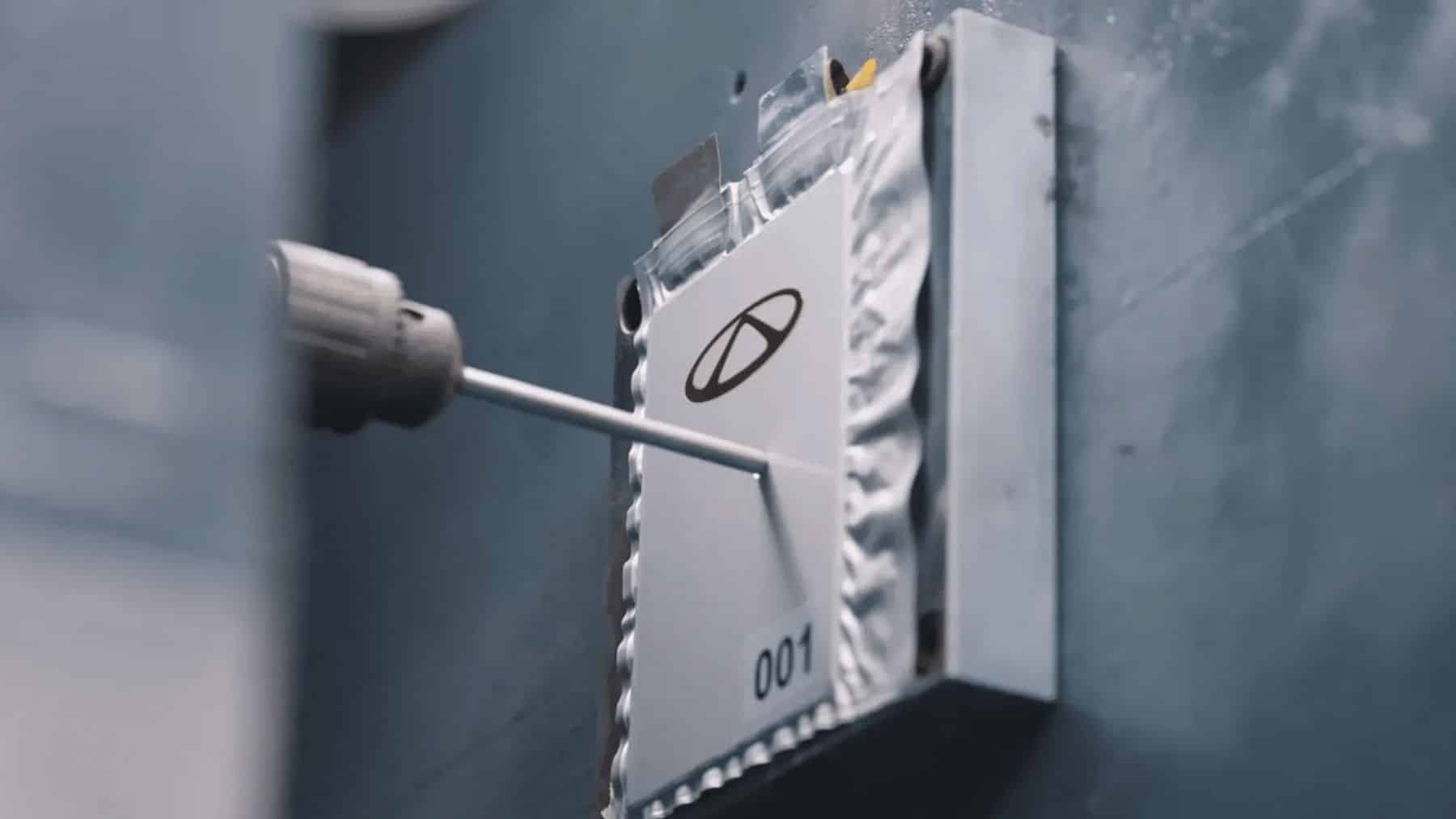
What Solid-State Batteries Actually Are
A solid-state battery replaces the liquid electrolyte used in most lithium-ion cells with a solid or mostly solid material. In theory, that can improve energy density, safety, charging speed, and temperature resilience, while also enabling lithium-metal anodes that store more energy than today’s graphite-based cells.
But “solid-state” is not one single technology. Companies are pursuing different chemistries and architectures, including sulfide, oxide, polymer, and hybrid or semi-solid designs. That matters because many battery makers are using the same label for products that vary widely in performance, manufacturability, and readiness.
Why 2026 Is a Turning Point
The biggest news this year is that solid-state batteries are no longer just research announcements. Multiple companies are now talking about vehicle trials, pilot production, and formal standards, which are all signs of industrialization rather than pure science projects.
That does not mean your next mainstream EV will definitely use an all-solid-state pack. It does mean the industry is entering the stage where battery claims can be tested against manufacturing yield, durability, cost, and safety under real-world conditions. Those are the hurdles that have historically delayed commercialization.
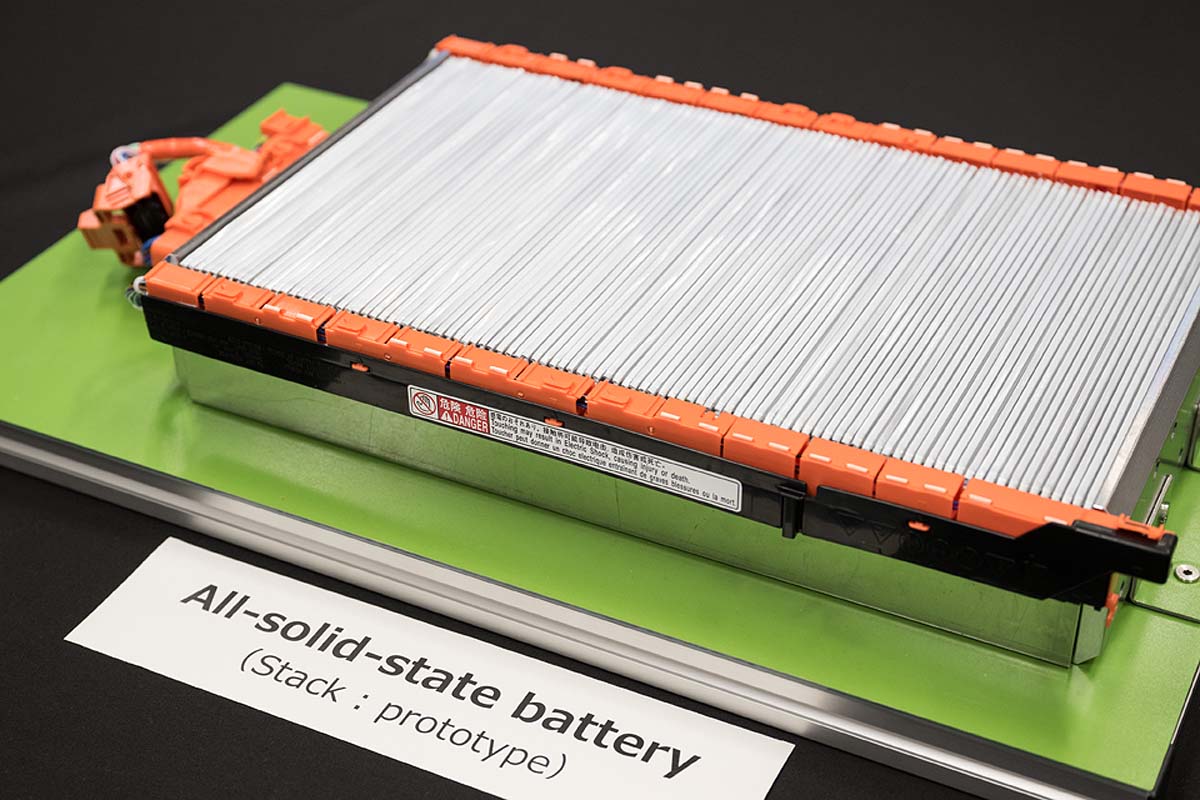
China Is Moving Fastest Toward Commercial Deployment
China is currently setting the pace on public-facing solid-state deployment timelines. A key development is the country’s expected release of a formal solid-state EV battery standard in 2026, aimed at defining terminology and classification across liquid, hybrid, semi-solid, and all-solid-state battery types.
That sounds technical, but it is a major step. Standardization helps investors, automakers, suppliers, and regulators separate genuine technology progress from vague marketing. It also creates a clearer path for testing and commercialization at scale.
Changan, Chery, BYD, and Others Are Pushing Range Claims
Among the most aggressive claims this year, Changan has said its “Golden Bell” all-solid-state battery could deliver over 1,500 km (932 miles) CLTC range, with trial installations planned before the end of Q3 2026. Chery has also promoted a similarly ambitious all-solid-state program.
BYD, FAW, Dongfeng, and Ganfeng Lithium are also part of the broader China battery push. In particular, Ganfeng reportedly began mass production of a semi-solid-state battery with very high energy density, while BYD has signaled its solid-state roadmap is progressing toward late-decade production.
The Catch: Lab Metrics Are Not the Same as Market Readiness
These developments are significant, but range numbers alone do not prove commercial viability. Many announced figures are based on CLTC testing, prototype cells, or limited demonstration conditions rather than full-scale, high-volume consumer deployment.
That distinction matters because the battery industry is full of promising chemistries that looked excellent in controlled environments but failed on cycle life, cost, yield, or safety once scaled. In other words, 2026 is showing momentum, not yet final victory.
![Solid-State Battery Market Size, Share, Growth | Forecast [2032]](https://fbi-reports-file.s3.us-west-2.amazonaws.com/fbi_l/img/featured_images/solid-state-battery-market.png)
U.S. and European Developers Are Shifting From R&D to Production Proof
In the United States, one of the biggest themes this year is manufacturing validation. Companies are increasingly judged less on scientific papers and more on whether they can build repeatable cells and production equipment.
ION Storage Systems, for example, reportedly cleared a major milestone and expects production to begin in 2026 as it expands its Maryland facility. That is notable because smaller electronics and niche applications may become the first true commercial bridge before larger automotive volumes.
QuantumScape and the “Can It Scale?” Phase
QuantumScape remains one of the most watched names in the space, not only because of its technology claims but because of its partnership relevance and manufacturing ambitions. Investor and enthusiast communities are increasingly focused on whether the company can move beyond cell demos into credible industrial execution.
That shift is telling. A few years ago, the central question was whether solid-state batteries could work at all. In 2026, the more important question is whether any company can make them cheaply, consistently, and at automotive scale.
Not All Solid-State Battery Headlines Are Equal
One of the most useful lessons from recent coverage is that some of the loudest claims still need stronger independent verification. That is especially true when startups promise breakthroughs that far exceed current lithium-ion performance across every metric at once.
Donut Lab Shows Why Independent Testing Matters
Finnish startup Donut Lab has drawn attention for bold claims around energy density, fast charging, and cycle life. Independent testing has produced some interesting results, especially around heat tolerance and failure behavior, but key headline claims such as 400 Wh/kg and 100,000-cycle longevity remain unverified in the publicly discussed tests.
That does not mean the company’s work is meaningless. It means solid-state battery reporting needs discipline. A battery that survives damage without thermal runaway is genuinely important, but it is not the same as proving a breakthrough is ready for mass production.

Beyond EVs: Smaller Devices May Benefit First
While most headlines focus on cars, solid-state and adjacent solid-state technologies may arrive earlier in wearables, XR devices, and other compact electronics. Smaller form factors are often easier proving grounds for new battery or thermal technologies before automotive scaling.
That broader context matters for investors and consumers alike. The first commercial wins may not come from a mainstream electric sedan, but from premium electronics, niche mobility, or high-performance vehicles where higher costs are easier to absorb.
Solid-State Battery News at a Glance
| Topic | What’s Happening in 2026 | Why It Matters |
|---|---|---|
| China standards | Formal solid-state EV battery standard expected | Helps define what “solid-state” actually means |
| EV deployment | Chinese automakers are moving into trial installations | Suggests real-world validation is accelerating |
| U.S. progress | Pilot production and smaller-scale commercialization are advancing | Shows transition from R&D to manufacturing proof |
| Hype risk | Some startups still lack full independent proof of core claims | Separates promising prototypes from investable reality |
What to Watch Next
The next 12 to 24 months will matter more than the last decade of battery hype. Investors, automakers, and consumers should watch a handful of indicators instead of chasing every dramatic range headline.
The Most Important Signals
- Independent cycle-life data under realistic use conditions
- Production yield at pilot and pre-commercial facilities
- Automaker validation in actual vehicle programs
- Safety testing after damage, heat, and repeated charging
- Cost competitiveness versus advanced lithium-ion and LFP packs
Bottom Line
Solid-state battery news in 2026 is more credible than in many previous years, but the sector is still in a proving phase. The biggest story is not that one company has already “won,” but that the technology is finally being forced to prove itself in factories, standards bodies, and test vehicles instead of just investor decks.
That is good news for the industry. It means the next wave of headlines should become less speculative and more measurable. For readers, that is the difference between battery hype and battery reality.
Read next
Tesla Model Y L Leak Sparks Buzz | Best Motorized Kayaks Turning Heads | Tesla Model X Range Loss Reports | Hitachi Air Compressor Deals | Kia EV8 Rumors and Updates | Rad Electric Bike News | Roadrunner Pro Review | Best EV Car Lease Deals | Mini Jet Skis Summer Trend
Solid State Battery News | Electric Wakeboards Trend | Caterpillar Skateboard Design | Apollo Phantom 20 Review | Luna Eclipse Bike Review | Flash Charging Stations EV | Wolf King GT Pro Review
Browse the Shop
 Acacia frida deluxe solid wood bed frame |
Bedroom bench |
Bed chest drawers |
Lingerie dresser |
Frame base |
Mirror with jewelry storage |
30 Bathroom Vanity |
Memory foam queen mattress |
Mattresses for back pain |
Nightstand set of 2 |
Grand Goldman Shop |
Civil Lawyer
Deutschland Trikot WM 2026
Acacia frida deluxe solid wood bed frame |
Bedroom bench |
Bed chest drawers |
Lingerie dresser |
Frame base |
Mirror with jewelry storage |
30 Bathroom Vanity |
Memory foam queen mattress |
Mattresses for back pain |
Nightstand set of 2 |
Grand Goldman Shop |
Civil Lawyer
Deutschland Trikot WM 2026










