

Tencent’s latest strategic move embeds autonomous AI capabilities directly into China’s ubiquitous messaging platform, WeChat — a step analysts say accelerates the nation’s fierce AI competitiveness amid a broader global trend toward AI agents.
On March 22, 2026, Tencent announced a tool called ClawBot, an integration that places the open‑source OpenClaw AI agent inside WeChat, enabling users to interact with an autonomous assistant through familiar chat interfaces.
Find Bleeding Edge Supplements at Scandalous Prices on iHerb.

This article breaks down the development, implications, and risks of this integration — and what it means for China’s tech battle.
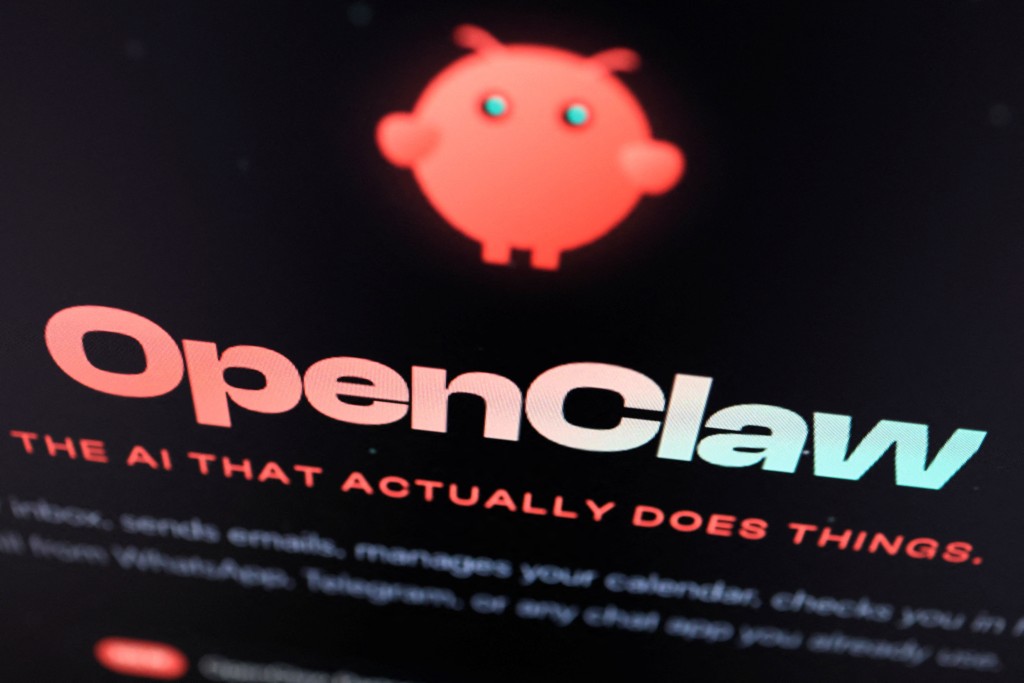
What Is OpenClaw and Why It Matters
OpenClaw is an open‑source autonomous AI agent framework that functions as a programmable assistant capable of executing tasks with minimal user input.
Core Characteristics
- Open‑source, cross‑platform AI agent.
- Interfaces with messaging apps to accept natural language instructions.
- Executes complex activities like file management, emails, workflows and automated utility tasks.
The rapid adoption of OpenClaw by major Chinese firms — a movement often dubbed the “claw boom” — underscores a shift from basic chatbot interactions to action‑oriented AI agents, capable of performing real‑world tasks autonomously.
ClawBot: AI Agents Inside WeChat
Tencent’s integration allows ClawBot to appear as a contact within WeChat chats, letting users trigger OpenClaw AI actions through simple messaging.
Key Features
- Native interface: ClawBot appears like a contact within WeChat, accessible to its vast user base.
- Task automation: Users can ask the agent to manage tasks — from organizing files to sending emails — via chat functionality.
- Seamless user experience: No separate app download is required; users interact through China’s leading social platform.
WeChat statistics illustrate the impact potential: its payment service alone reached more than 1.1 billion active users, highlighting how significant any deep integration stands to be.

Context: China’s AI Agent Race
Tencent’s move emerges amid intense competition among Chinese tech heavyweights — including Alibaba, Baidu, and ByteDance — all racing to embed AI agent technologies into core products.
Timeline of Competitor Moves
| Company | AI Agent Initiative | Description |
|---|---|---|
| Tencent | ClawBot / QClaw | OpenClaw‑based agent in WeChat & AI ecosystem tools. |
| Alibaba | JVS Claw | Mobile app to instruct AI agents for workflows and automation. |
| Baidu | DuMate, RedClaw, DuClaw | Suite of AI agents across platforms including cloud and smart devices. |
| ByteDance | ArkClaw | Part of the Volcano Engine initiative. |
China’s AI landscape shows signs of a full‑scale agent arms race, with firms introducing overlapping products and rapidly integrating autonomous AI into consumer and enterprise ecosystems.
Why WeChat Integration Is Strategically Important
Embedding OpenClaw functionality into WeChat is notable for several reasons:
1. Massive Built‑in User Base
WeChat isn’t just a chat app — it’s an ecosystem with messaging, payments, mini‑programs, and services. Tencent’s move effectively places an AI agent into everyday digital life for over a billion users.
2. Accelerates Real‑World AI Use
Unlike isolated AI chatbots, OpenClaw agents embedded within core apps can automate workflows across utilities — from communications to task execution — without users leaving the platform.
This shift towards agentic functionalities may create new user habits and real productivity use cases.
3. Competitive Signaling
Tencent’s integration signals its determination to catch up with rivals like Alibaba, which intensified its own AI push with mobile OpenClaw apps, and Baidu with cross‑platform agent deployments.
Opportunities and Risks
Opportunities
- Mainstream adoption: Embedding AI agents into a social super‑app could normalize agent use at scale.
- Enterprise integration: Enterprises may harness agentic AI for workflow automation through APIs and Tencent services.
- New commerce flows: AI assistants could reshape digital services and commerce pathways inside WeChat’s ecosystem.
Risks and Concerns
Despite enthusiasm, AI agents are not without controversy. Both Chinese authorities and cybersecurity experts have issued warnings over OpenClaw’s rapid spread.
Main concerns include:
- Security vulnerabilities: Misconfiguration may expose data leaks or automated actions gone wrong.
- Regulatory scrutiny: Authorities in China have restricted agent use in state institutions over risks to sensitive data.
- User misunderstandings: Viral incidents — real or anecdotal — highlight the potential for unintended agent actions if safeguards are absent.
These risks amplify the need for robust safety frameworks and responsible deployment.
What’s Next for Tencent and China’s AI Sector
Tencent’s ClawBot integration reflects a broader shift within China’s tech ecosystem — one where AI agents pivot from experimental tools toward central features in daily digital life.
Going forward:
- Competition will intensify, with rivals deploying deeper AI integrations and new agent tools.
- Regulators may tighten controls to balance innovation with national security and data protection.
- Users and enterprises could see AI agents become standard features in apps beyond WeChat.
Tencent’s latest move is both a symbol of China’s AI ambitions and a harbinger of how AI agents might reshape software experiences globally.
Read next - Technology
Pentagon AI System | Amazon Smartphone Comeback | Roblox Ads Update | OpenAI Workforce Growth
Home Decor Shop
 Acacia frida deluxe solid wood bed frame |
Bedroom bench |
Bed chest drawers |
Lingerie dresser |
Frame base |
Mirror with jewelry storage |
30 Bathroom Vanity |
Memory foam queen mattress |
Mattresses for back pain |
Nightstand set of 2 |
Grand Goldman Shop |
Civil Lawyer
Deutschland Trikot WM 2026
Acacia frida deluxe solid wood bed frame |
Bedroom bench |
Bed chest drawers |
Lingerie dresser |
Frame base |
Mirror with jewelry storage |
30 Bathroom Vanity |
Memory foam queen mattress |
Mattresses for back pain |
Nightstand set of 2 |
Grand Goldman Shop |
Civil Lawyer
Deutschland Trikot WM 2026










