

Egypt's Toshka project, launched in 1997, was one of the most ambitious engineering endeavors in the country's modern history: to pump water from Lake Nasser, carry it into the Western Desert, and build a kind of second Nile Valley. The plan promised to turn hundreds of thousands of hectares of sand into farmland, raise new cities, and relocate a significant share of a population still crammed into a narrow strip along the river. The state built canals and one of the world's largest pumping stations. The problem was that it delivered water to the desert long before anything else arrived.
The Old Dream of Escaping the Nile
Egypt has an extraordinary geographic problem: more than 95% of its people live in a tiny fraction of its territory, mostly around the Nile and its delta. The idea of conquering the desert to relieve that pressure had been circulating in Egyptian state planning for decades. It had already appeared in plans associated with the Aswan High Dam during the era of Gamal Abdel Nasser.
Find Original Home Decor sparking conversation at Grand Goldman Shop.

Hosni Mubarak revived that old aspiration in 1997 and turned it into Toshka, or the New Valley. The goal was not simply to create a few agricultural estates but to build a new habitable corridor parallel to the historic Nile Valley. It was a nation-building vision on a pharaonic scale, and it captured the imagination of planners and politicians alike.
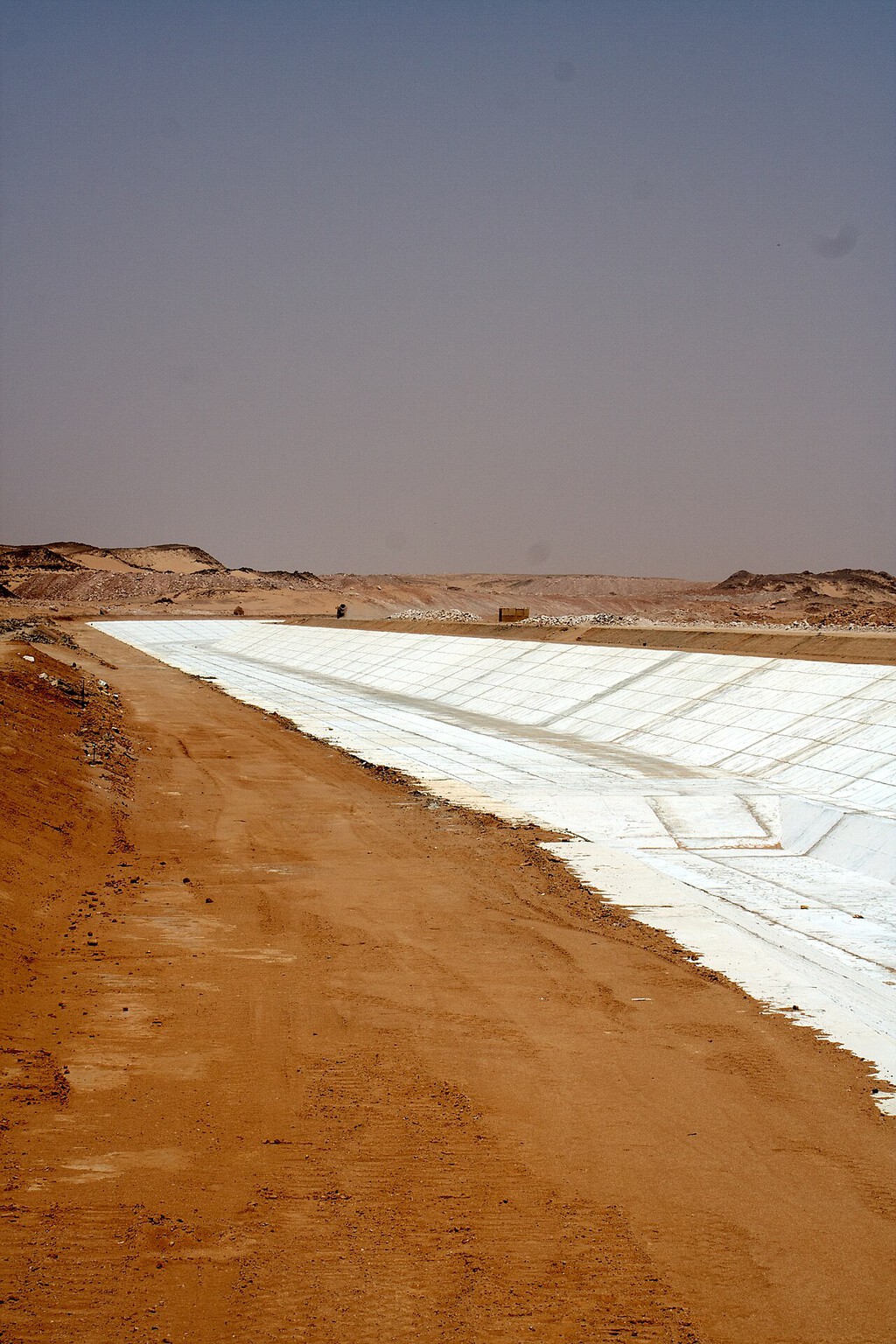
Building a Second Nile Valley in the Desert
The scale of the promise was enormous. Toshka was to become a new front in Egypt's long struggle against its own geography, a way to spread the population and ease the pressure on the crowded Nile corridor. The state invested heavily in the infrastructure needed to move water, including canals and pumping stations designed to lift water from Lake Nasser into the desert.
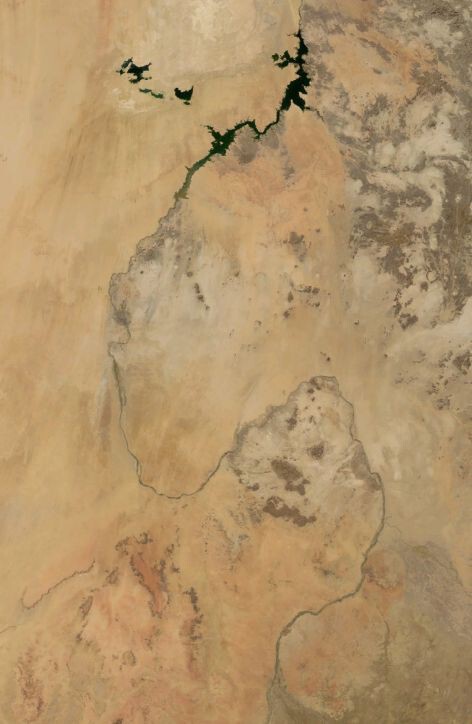
But infrastructure alone does not make a valley. The project needed farmers, roads, housing, schools, and markets. It needed a reason for people to leave the familiar Nile Valley and settle in an isolated desert outpost. Those pieces did not arrive on the same schedule as the water.
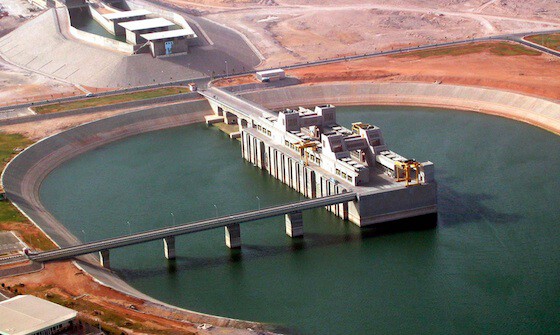
Why the Water Arrived Too Soon
The core failure of Toshka was one of sequencing. The state built the canals and pumping stations first, but the supporting infrastructure and the population did not follow. Water flowed into the desert, but it did not flow where the people and the farms were ready to use it. The result was an expensive engineering achievement without the human and economic ecosystem needed to make it productive. Context on how this played out before sits in Egypt's Toshka Project: How Water Reached the Desert Too Soon. A companion piece, China's 288-Meter Vertical School Bus Elevator Transforms Student Commute, approaches the same subject from another angle.
This mismatch between infrastructure and settlement is a common trap in large development projects. When the physical system is built before the social and economic system, the investment sits idle. In Toshka's case, the water arrived, but the second valley did not. The background to this story is set out in Trending: latest articles. A related thread runs through Farmer Gets 15-Month Suspended Sentence for Mar Menor Brine Dumping.
Key Takeaways from the Toshka Experience
- Egypt's Toshka project was launched in 1997 to create a second Nile Valley in the Western Desert.
- The state built canals and one of the world's largest pumping stations to move water from Lake Nasser.
- Water was delivered to the desert before farms, cities, and people were in place to use it.
- The project reflects a decades-old dream of relieving pressure on the crowded Nile Valley.
- Sequencing matters: infrastructure must be matched with settlement and economic activity.
Comparing Toshka's Promise and Reality
| Aspect | Promised | Reality |
|---|---|---|
| Land reclamation | Hundreds of thousands of hectares | Far less developed than planned |
| New cities | New urban centers in the desert | Limited population and services |
| Water infrastructure | Canals and massive pumping stations | Built and operational |
| Population relocation | Significant share of Egyptians | Minimal voluntary settlement |
What Toshka Means for Egypt's Future
Toshka remains a cautionary tale about the limits of engineering when it outpaces social and economic planning. Egypt continues to face the same geographic pressure that inspired the project, and the desire to develop the desert has not disappeared. But the Toshka experience shows that water alone cannot create a valley. Earlier coverage in Morocco's Water Highway: A National Strategy Against Drought shows how the argument developed. A closer look at the same subject appears in Gibraltar's Eastside Project: A Benidorm-Style Plan for Disputed Waters.
For planners and observers, the lesson is clear: large-scale development must be sequenced carefully, with infrastructure, housing, and economic opportunity arriving together. Without that alignment, even the most ambitious projects can end up as monuments to good intentions. Anyone following the wider picture can start with Spain Softens Data Center Rules to Attract AI Investment. The same theme surfaces in Nepal Flood 2026: Koshi Valley Devastation and Glacial Risk, which takes a different angle.
FAQ
What was the Toshka project?
Toshka, also known as the New Valley, was an Egyptian development project launched in 1997 to pump water from Lake Nasser into the Western Desert and create a second Nile Valley with farmland and new cities.
Why did the Toshka project fail to meet its goals?
The project delivered water infrastructure before the supporting farms, cities, and population were in place. Without people and economic activity, the water had nowhere productive to go.
Who initiated the Toshka project?
Egyptian President Hosni Mubarak revived the old dream of escaping the Nile in 1997 and turned it into the Toshka project, building on ideas that had circulated since the Nasser era.
What can other countries learn from Toshka?
The main lesson is that infrastructure must be matched with settlement and economic development. Building physical systems before the social and economic ecosystem can lead to idle investments.
Browse the Shop
 Acacia frida deluxe solid wood bed frame |
Bedroom bench |
Bed chest drawers |
Lingerie dresser |
Frame base |
Mirror with jewelry storage |
30 Bathroom Vanity |
Memory foam queen mattress |
Mattresses for back pain |
Nightstand set of 2 |
Grand Goldman Shop |
Civil Lawyer
Deutschland Trikot WM 2026







