

The global population count may be inaccurate by hundreds of millions, according to recent research that challenges the United Nations' 8 billion figure. In November 2022, the UN celebrated the milestone of 8 billion humans on Earth, but experts have long cautioned that such numbers are estimates—and a 2025 study suggests we may have been undercounting significantly.
Why Population Estimates Are Uncertain
Calculating the number of people on the planet is an inexact science, as demographer Jakub Bijak told the BBC in mid-2024. While science aims for precision, Bijak noted that the only certainty in population forecasting is uncertainty. This doesn't mean demographers fabricate figures; rather, they rely on experience, knowledge, and available data.
Find Original Home Decor sparking conversation at Grand Goldman Shop.

Experts like Toshiko Kanera, a demographic forecasting specialist, explain that estimates are based on each country's data and trends since 1950. However, if the underlying counts are flawed, the global total could be off by a wide margin.
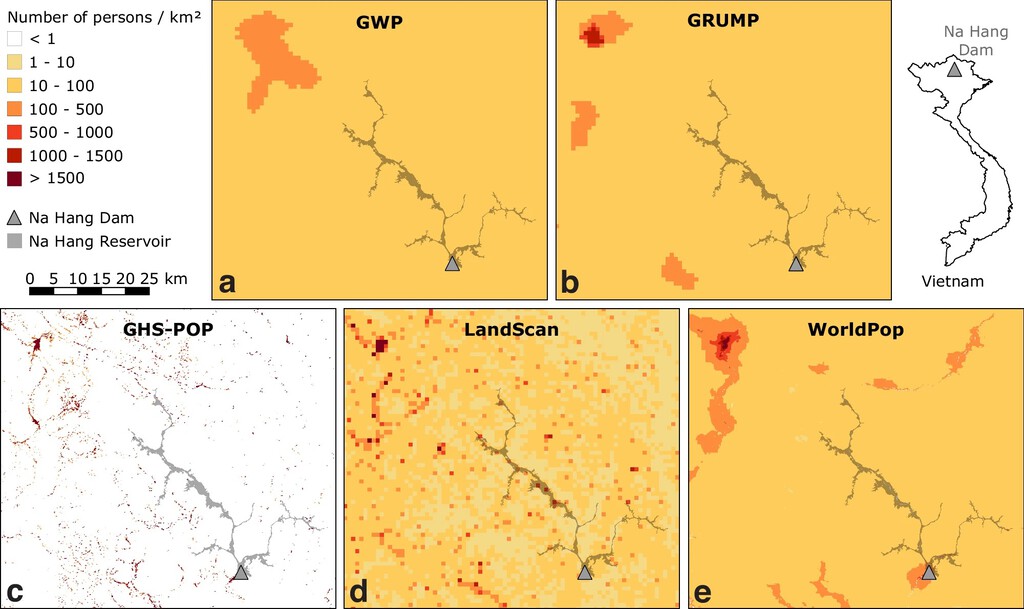
The 2025 Study: Missing Hundreds of Millions
A 2025 study revealed that we may have missed several hundred million people in our counts. The research highlights systemic issues in how populations are tallied, particularly in regions with weak civil registration systems or recent conflicts.
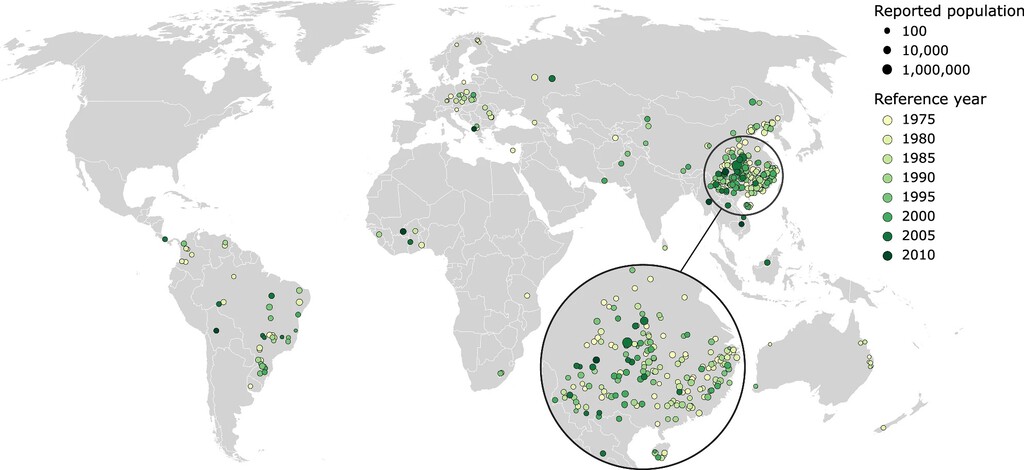
This discrepancy matters because population figures underpin economic planning, resource allocation, and policy decisions. If we're undercounting by hundreds of millions, our understanding of global challenges—from food security to climate change—could be skewed.
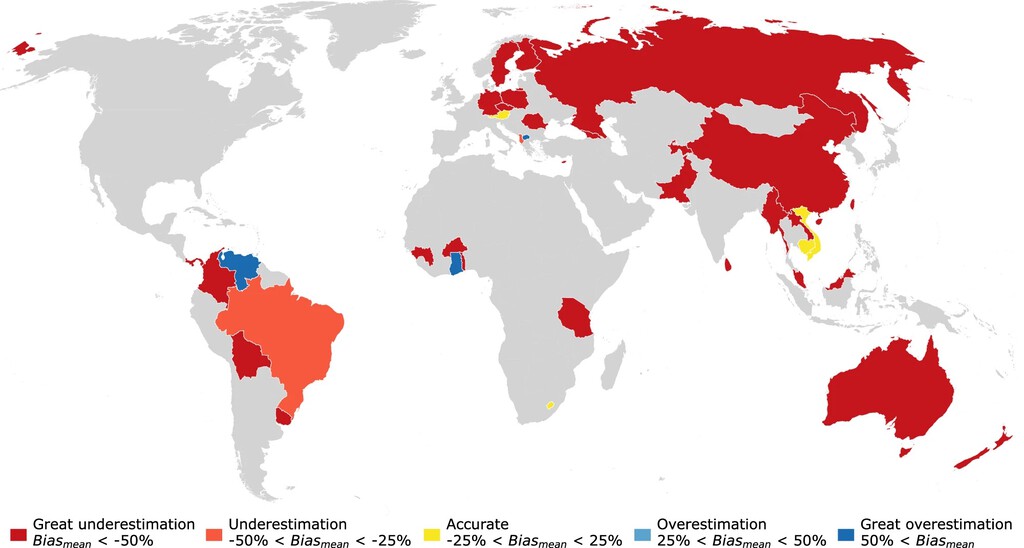
Key Takeaways from the Population Count Debate
- Global population estimates are inherently uncertain and can be off by hundreds of millions.
- The UN's 8 billion milestone is based on estimates, not exact counts.
- Demographers rely on historical data and trends, but data gaps in some regions persist.
- Undercounting can affect policy planning and resource distribution.
- Improved data collection methods are needed to reduce uncertainty.
How Population Counts Are Conducted
Population counts typically rely on national censuses, which are conducted every decade in many countries. However, censuses can miss marginalized groups, undocumented individuals, and those in remote areas. In some countries, civil registration systems are incomplete, leading to further inaccuracies.
Demographers use statistical models to fill gaps and project trends, but these models are only as good as the data they're based on. The 2025 study likely identified specific regions where undercounting is most severe, though the excerpt doesn't specify which ones.
Comparing Population Estimate Methods
| Method | Description | Accuracy |
|---|---|---|
| Census | Direct count of individuals every 10 years | High in developed countries, lower in others |
| Civil Registration | Continuous recording of births and deaths | Reliable where systems are robust |
| Statistical Modeling | Projections based on trends and surveys | Varies; depends on data quality |
| Satellite Imagery | Estimates based on housing and infrastructure | Emerging method; useful in data-poor areas |
Implications of Undercounting
If we're missing hundreds of millions of people, the consequences are far-reaching. Governments may misallocate resources, businesses may misjudge markets, and international organizations may set incorrect targets for development goals. The longer history behind the story is traced in Global Population Count May Be Off by Hundreds of Millions.
Moreover, undercounting can lead to political underrepresentation for marginalized communities. Accurate population data is essential for equitable distribution of resources and services. The background to this story is set out in AI Chatbots Give Inaccurate Voting Advice in Elections. A related thread runs through Japan's Demographic Crisis: Toyama Officials Accused of Adding 2,000 Fake. Earlier coverage in AI Chatbots Give Inaccurate Election Voting Advice, Study Finds shows how the argument developed.
What to Watch Next
Researchers are calling for improved data collection, including better integration of technology like satellite imagery and mobile phone data. The UN and other organizations are also working to strengthen civil registration systems in developing countries. A closer look at the same subject appears in Trending: latest articles. Anyone following the wider picture can start with Japan's Census Shrinks by 3 Million: What It Means for the Economy. The same theme surfaces in Spain Pet Census: Pets Outnumber Under-30s, a Demographic Shift, which takes a different angle.
As we approach the next round of censuses in the 2030s, the focus will be on reducing uncertainty and ensuring that no one is left uncounted. The 2025 study serves as a wake-up call that our population numbers are not as solid as we'd like to believe. Context on how this played out before sits in Spain Nears 50 Million Residents as Fertility Rate Lags. A companion piece, Trump, Xi and Putin Summit Redefines Global Power Dynamics, approaches the same subject from another angle.
FAQ
How accurate is the 8 billion population figure?
The 8 billion figure is an estimate with a margin of error that could be in the hundreds of millions. It is based on national censuses and statistical models, which vary in reliability.
Why might we be undercounting the global population?
Undercounting can occur due to incomplete censuses, weak civil registration systems, and challenges in reaching remote or marginalized populations. Conflicts and natural disasters can also disrupt counts.
What are the consequences of inaccurate population counts?
Inaccurate counts can lead to misallocation of resources, flawed policy decisions, and underrepresentation of certain groups. They can also skew economic and environmental planning.
How can we improve population estimates?
Improving data collection through technology, strengthening civil registration systems, and conducting more frequent censuses can help reduce uncertainty in population estimates.







