

Como alguien que ha estudiado la seguridad en el hogar y ha ayudado a innumerables propietarios a evaluar y actualizar sus sistemas de protección contra incendios, puedo decir esto: dónde coloques las alarmas de humo en un dormitorio importa tanto como tenerlas. Una alarma de humo mal posicionada puede retrasar la detección, aumentar las falsas alarmas o incluso no detectar humo peligroso hasta que sea demasiado tarde. Por eso he creado esta guía detallada que describe las 10 mejores lugares para colocar una alarma de humo en un dormitorio—basada en la ciencia de los incendios, los códigos de construcción y la experiencia del mundo real.
Si te preocupa la seguridad contra incendios, la detección temprana de humo, la protección de la familia, el cumplimiento del código, la fiabilidad de la alarma, la reducción de falsas alarmas, el rendimiento del sensor, la capacidad de respuesta nocturna, y el acceso al mantenimiento, encontrarás recomendaciones prácticas en las secciones a continuación. Estas colocaciones no son conjeturas: reflejan una mezcla de orientación técnica y experiencia en el campo.
Find Bleeding Edge Supplements at Scandalous Prices on iHerb.

Asegurémonos de que las alarmas de humo del dormitorio estén posicionadas para la máxima efectividad sin disparos molestos.
>> Descubre la venta flash semanal de cámaras Reolink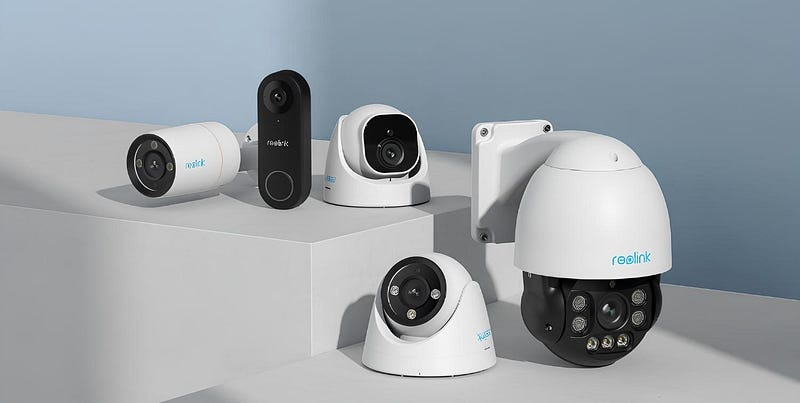
Por qué importa la colocación correcta
Una alarma de humo no salva vidas por existir por sí sola—debe colocarse en un lugar donde pueda detectar el humo de forma temprana y fiable. Cuando se coloca de forma incorrecta, las alarmas pueden dispararse demasiado tarde o no detectar el humo que se desarrolla lejos del sensor. Factores como el flujo de aire en el techo, la ubicación de la puerta y la distancia desde posibles trayectorias de humo influyen en su rendimiento.
Antes de entrar en las 10 mejores opciones de colocación, aquí están los principios fundamentales que sigo:
-
El humo asciende—las alarmas deberían estar en el techo o cerca de éste
-
Evitar zonas de aire estancado cerca de las esquinas y de los picos
-
Mantener la distancia de las rejillas de ventilación y de las ventanas
-
Asegurar cobertura cerca de las áreas para dormir
-
Minimizar la interferencia del vapor del baño, las corrientes de HVAC y el humo de la cocción
10 mejores lugares para colocar una alarma de humo en el dormitorio (reseñas)
1. Centro del techo de la habitación (Lugar principal)

El centro del techo es universalmente la ubicación más efectiva. El humo asciende y se expande horizontalmente una vez que alcanza el techo; por eso, el centro garantiza que la alarma detecte el humo que asciende de manera uniforme desde todas las direcciones.
Por qué funciona: exposición óptima al humo antes de que se desplace hacia el exterior
Ideal para: dormitorios estándar cuadrados o rectangulares
Consejo profesional: Monte la alarma al menos a 4 pulgadas de la pared más cercana.
2. A 4–12 pulgadas de la pared, en el techo

Si las vigas del techo o las luminarias dificultan la colocación en el centro, ubicar el detector de humo 4–12 pulgadas (10–30 cm) de la pared aún permite una detección rápida.
Por qué es importante: el humo tiende a acumularse cerca de la unión techo-pared en lugar de en las esquinas
Ideal para: dormitorios con luminarias centrales o ventiladores de techo
3. Directamente fuera de la puerta de la habitación (pasillo)

Un detector de humo justo fuera de la puerta de la habitación es una de mis recomendaciones principales, especialmente en hogares con puertas cerradas por la noche.
Por qué funciona: Muchos incendios se originan fuera de las áreas de sueño. Las alarmas aquí detectan el humo antes de que viaje a la habitación.
Ideal para: varias habitaciones contiguas
Guía: Coloque la alarma a 6–12 pulgadas del techo en el pasillo.
4. Cerca de la cabecera de la cama (con despejes seguros)

A smoke alarm 3–6 metros de la cama garantiza que lo escuches rápidamente por la noche. No debe quedar al alcance de las almohadas o la ropa de cama, sino dentro de tu rango de audición.
Por qué es importante: una respuesta de despertar más rápida durante el sueño
Ideal para: habitaciones más grandes sin opciones de montaje central
Advertencia: Mantenga un despeje adecuado respecto a las luces y a las ventilaciones.
5. Entre varias áreas para dormir

Si tu dormitorio funciona como un espacio compartido (p. ej., literas, combinación de loft), colocando una alarma entre los lugares para dormir mejora la cobertura de detección en todo el espacio.
Por qué funciona: garantiza que el humo de cualquier parte de la habitación sea detectado
Ideal para: espacios de sueño compartidos o extendidos
6. Cerca de las rutas de flujo de aire (pero no directamente en corrientes)

Colocar una alarma de humo a lo largo de las probables rutas de desplazamiento del humo, como la trayectoria de flujo de aire desde la puerta a la ventana, puede ser efectivo, siempre y cuando no se encuentre directamente en corrientes fuertes provenientes de conductos o ventiladores.
Por qué es importante: el humo se desplaza con las corrientes de aire; interceptar la trayectoria mejora la detección temprana.
Ideal para: habitaciones con ventilación cruzada
Importante: Evite alinearse con las salidas de HVAC o ventiladores de techo que pueden hacer que el humo se aleje.
7. En la pared entre 4–12 pulgadas por debajo del techo

Cuando montar en el techo no es factible, la colocación en la pared justo por debajo del techo es una alternativa aprobada, especialmente en habitaciones con techos abuhardillados o techos inclinados.
Por qué funciona: el humo asciende y se acumula cerca de la zona superior de la pared antes de propagarse
Ideal para: dormitorios en ático o techos abuhardillados
Regla de montaje: No coloque más de 12 pulgadas (30 cm) por debajo del techo.
8. Cerca de fuentes comunes de incendio (excluyendo áreas propensas a vapor o humo)

Si su dormitorio tiene un armario adyacente con electrónica, una habitación con chimenea al lado o equipo HVAC, colocar la alarma más cerca de estas fuentes potenciales tiene sentido.
Por qué es importante: minimiza el tiempo que tarda el humo en llegar al sensor
Ideal para: habitaciones con almacenamiento o equipo adjunto
Nota: Evite zonas donde el vapor o disparos de humo inofensivos ocurran con frecuencia.
9. Entre dos dormitorios en paredes compartidas

En apartamentos o casas adosadas, colocar una alarma de humo en la pared compartida entre dos dormitorios beneficia a ambos espacios.
Por qué funciona: detección centralizada para habitaciones conectadas entre sí
Ideal para: habitaciones pequeñas adyacentes
Recomendación: Instálela en lo alto, cerca del techo, para una mejor cobertura.
10. Colocación complementaria con detección de calor (opcional)

En dormitorios más grandes o espacios tipo loft, combinar una alarma de humo con un detector de calor aumenta la seguridad. Las alarmas de humo detectan signos tempranos de incendio, mientras que los detectores de calor se activan en condiciones de alta temperatura (útil cuando las alarmas de humo pueden no detectar humo negro denso).
Por qué es importante: recoge diferentes firmas de incendio
Ideal para: dormitorios grandes tipo loft o habitaciones con techos altos
Lugares de colocación a evitar (y por qué)
Una buena colocación es tanto cuestión de dónde no instalar como de dónde instalar. Evite:
-
Cerca de ventanas o puertas que se abren al exterior (las corrientes diluyen el humo)
-
Directamente sobre ventiladores de techo o rejillas de ventilación (interrumpen el flujo de humo)
-
En las esquinas donde el humo puede quedar atrapado lejos del sensor
-
Junto a baños o cocinas en paredes compartidas (el vapor o el humo de la cocina provoca alarmas molestas)
Mantenimiento y consejos prácticos
La ubicación adecuada solo funciona cuando la alarma está activa y bien mantenida:
-
Pruebe las alarmas mensualmente.
-
Cambie las baterías anualmente (a menos que sean baterías selladas de 10 años).
-
Limpie el polvo y las telarañas regularmente.
-
Reemplace las alarmas cada 10 años según las pautas de seguridad.
Siempre recomiendo escribir la fecha de instalación en el dispositivo para saber cuándo debe hacerse el reemplazo.
Ejemplos reales de colocación efectiva en dormitorios.
A continuación, algunos escenarios de colocación que he utilizado en evaluaciones de seguridad en el hogar:
Dormitorio estándar: Techo central, además de una segunda alarma en el pasillo fuera de la puerta.
Suite principal con baño adjunto: Techo cercano a la puerta, además de un detector de calor en la zona del baño para reducir las falsas alarmas.
Habitación compartida de los niños: Dos alarmas: en el techo central y cerca de la cabecera de la zona de descanso de cada cama.
Estas configuraciones equilibran la detección temprana con menos falsas alarmas y una mejor audibilidad.
Conclusiones
Los 10 mejores lugares para colocar una alarma de humo en su dormitorio combinan principios de detección temprana con condiciones de vida prácticas para ofrecerle una protección sólida y confiable.
Proteger a sus seres queridos comienza con una colocación inteligente. Siga las pautas anteriores, pruebe regularmente y maximizará su cobertura de seguridad contra incendios con confianza.
Browse the Shop
 Acacia frida deluxe solid wood bed frame |
Bedroom bench |
Bed chest drawers |
Lingerie dresser |
Frame base |
Mirror with jewelry storage |
30 Bathroom Vanity |
Memory foam queen mattress |
Mattresses for back pain |
Nightstand set of 2 |
Grand Goldman Shop |
Civil Lawyer
Deutschland Trikot WM 2026
Acacia frida deluxe solid wood bed frame |
Bedroom bench |
Bed chest drawers |
Lingerie dresser |
Frame base |
Mirror with jewelry storage |
30 Bathroom Vanity |
Memory foam queen mattress |
Mattresses for back pain |
Nightstand set of 2 |
Grand Goldman Shop |
Civil Lawyer
Deutschland Trikot WM 2026










