

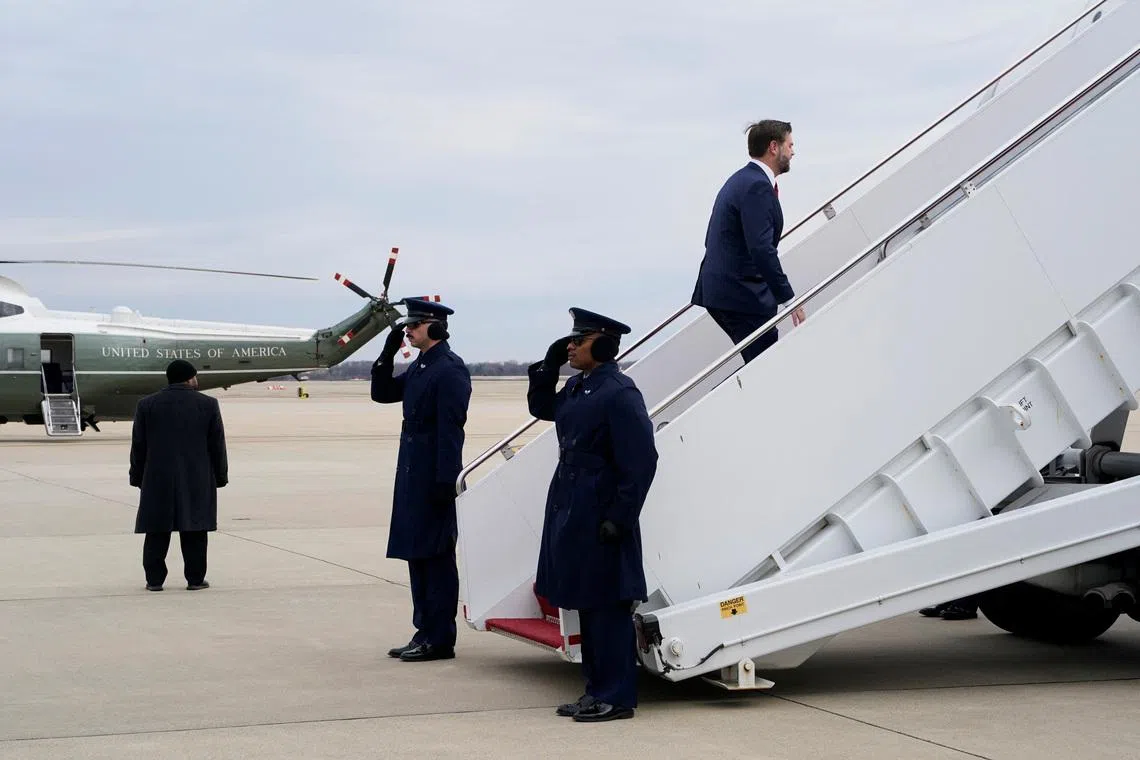
El vicepresidente de EE. UU., J.D. Vance, planea una visita diplomática a Hungría en los próximos días para respaldar públicamente al primer ministro Viktor Orbán antes de las elecciones parlamentarias del 12 de abril de 2026, según varias fuentes cercanas.
El informe de Reuters señala un momento significativo en la política internacional, donde las figuras políticas de EE. UU. están cada vez más entrelazadas en contiendas electorales europeas, en medio de profundas alineaciones ideológicas y cambios geopolíticos.
Find Bleeding Edge Supplements at Scandalous Prices on iHerb.

El movimiento sigue a una visita anterior del secretario de Estado de EE. UU., Marco Rubio, y se produce en un contexto de una contienda muy cerrada en Budapest, donde el partido nacionalista Fidesz de Orbán lucha ferozmente contra el partido centro-conservador Tisza dirigido por Péter Magyar.
Por qué importa el viaje de Vance
El viaje planificado de Vance sería una de las muestras de apoyo de EE. UU. más visibles a Orbán durante este ciclo electoral. Como una voz conservadora prominente dentro del Partido Republicano y considerado por muchos como un posible candidato presidencial de 2028, la participación de Vance señala una alineación ideológica transatlántica más amplia entre algunos conservadores de EE. UU. y el gobierno de Orbán.
Las implicaciones políticas clave incluyen:
-
Señal internacional: La participación de Estados Unidos en una elección nacional europea — rara y sensible — subraya cómo la política interna de EE. UU. (particularmente la ala de política exterior alineada con Trump) está exportando influencia al extranjero.
-
Fortalecimiento de alianzas: Refuerza la base de Orbán, especialmente entre votantes predispuestos a un conservadurismo pro-estadounidense y escépticos ante la influencia de la UE.
-
Impacto doméstico húngaro: Para los votantes que ya están en la campaña de Orbán, el apoyo estadounidense podría impulsar la participación; para los votantes indecisos o de la oposición, podría profundizar la desconfianza hacia la interferencia extranjera.
Contexto electoral: Carrera reñida y apuestas crecientes
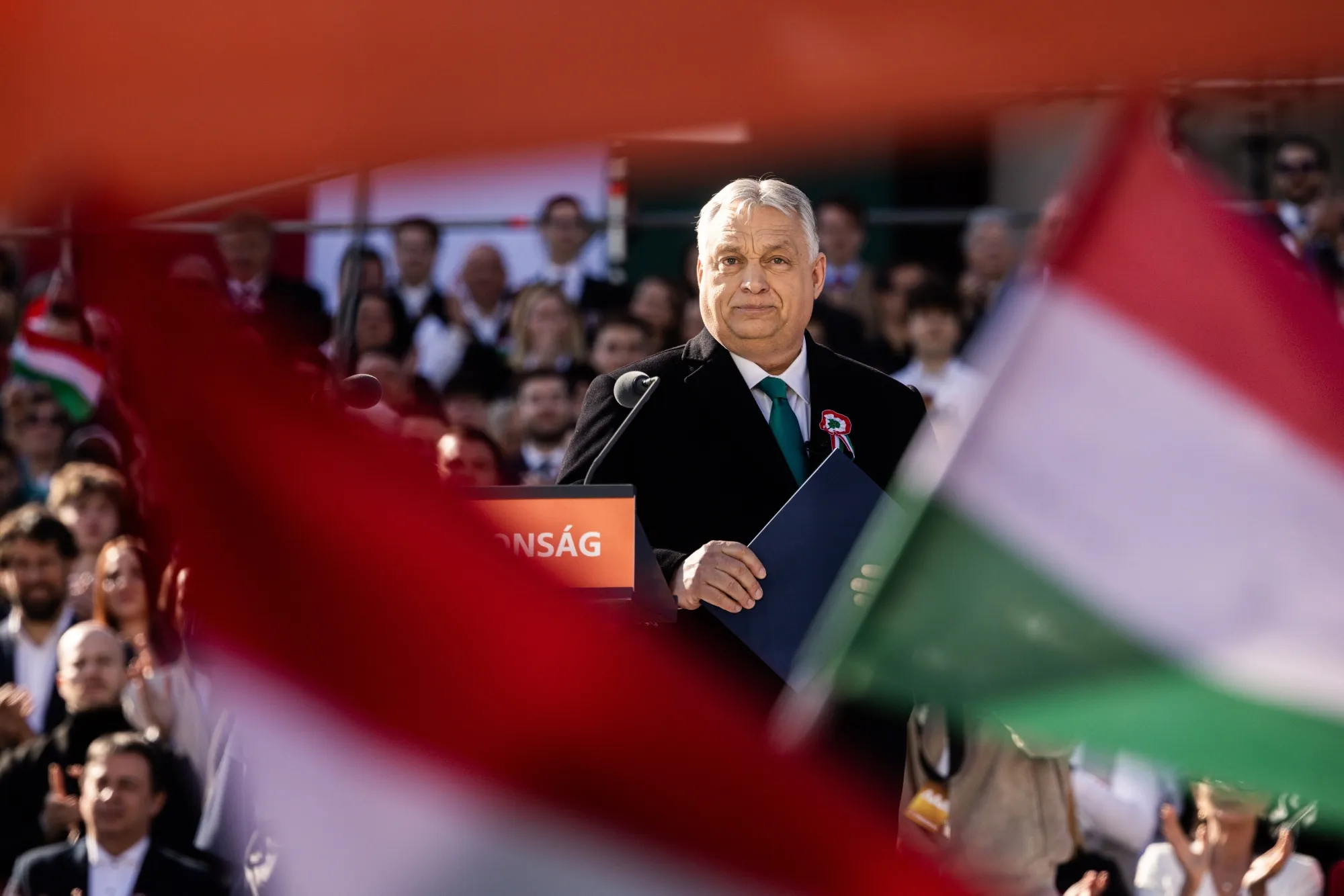
Las elecciones de abril en Hungría se han convertido en una de las contiendas políticas más decisivas de Europa este año. Consideradas durante mucho tiempo como un bastión del liderazgo arraigado de Orbán — ha ejercido como primer ministro durante más de 16 años — las recientes encuestas y la dinámica de la campaña sugieren un panorama más competitivo.
Principales Partidos en la Contienda
| Partido | Líder | Ideología | Posición actual de las encuestas |
|---|---|---|---|
| Fidesz | Viktor Orbán | Nacionalista, conservador | Detrás o en empate técnico |
| Partido Tisza | Péter Magyar | Conservador moderado / pro-UE | Liderando en algunas encuestas |
El líder de la oposición, Péter Magyar, que alguna vez fue cercano a Fidesz, ahora encabeza el Partido Tisza, que ha capitalizado las frustraciones económicas y las preocupaciones democráticas para ganar tracción. Los analistas informan ampliamente que Magyar lidera las encuestas a medida que se acerca la elección — una señal del cansancio de los votantes con el largo mandato de Orbán.

Qué está en juego para Hungría
1. Gobernanza democrática y Estado de derecho
Los críticos de Orbán —tanto nacionales como internacionales— sostienen que su gobierno ha debilitado sistemáticamente los controles democráticos, socavado la independencia judicial y concentrado el control de los medios de comunicación durante su mandato. Estas prácticas han erosionado la confianza y han provocado alarma entre las instituciones de la UE.
2. Relaciones de la UE y Política Exterior
Aparte de las cuestiones de gobernanza interna, las alineaciones exteriores de Hungría han sido un tema central de la campaña electoral:
-
Orbán ha bloqueado repetidamente iniciativas de la UE, incluyendo paquetes financieros para Ucrania y sanciones contra Rusia.
-
Ha buscado lazos más estrechos con Rusia y adoptado posturas que complican la unidad de la UE en asuntos de defensa y política exterior.
Las voces de la oposición sostienen que Hungría debe reintegrarse con sus socios occidentales y reparar las relaciones deterioradas con Bruselas y los aliados de la OTAN. La plataforma de Magyar refleja un compromiso con la cooperación occidental, aunque sus posiciones sobre temas como la inmigración se superponen en gran medida con los enfoques restrictivos de Fidesz.

Relaciones diplomáticas entre Estados Unidos y Hungría
Avales de Rubio y Trump
Antes de la participación de Vance, el Secretario de Estado Marco Rubio visitó Budapest para expresar el respaldo de Estados Unidos a Orbán, insinuando un posible apoyo financiero si él consigue otro mandato.
El presidente de EE. UU., Donald Trump, respaldó públicamente a Orbán para su reelección, presentándolo como un líder conservador fuerte alineado con los valores estadounidenses.
El papel de Vance
A diferencia de un enviado formal del Departamento de Estado, la visita de Vance — que llega en medio de crisis globales continuas — tiene un doble propósito:
-
Refuerza los lazos ideológicos entre los funcionarios estadounidenses alineados con Trump y Orbán.
-
Se proyecta la participación de EE. UU. en Europa del Este en un momento en que la cohesión de la OTAN y la unidad de la UE están bajo presión.
La Casa Blanca no ha confirmado oficialmente las fechas, y los cambios en los acontecimientos geopolíticos —especialmente el conflicto en el Medio Oriente y las prioridades más amplias de la política exterior de EE. UU.— podrían influir en el momento.
Reacciones domésticas y regionales
Dentro de Hungría
Los mítines de campaña en toda Budapest muestran una competencia feroz:
-
Los partidarios de Orbán destacan la soberanía nacional, la tradición y la seguridad.
-
Los partidarios de Magyar expresan un deseo de renovación democrática e integración con socios europeos.
La opinión pública está muy dividida, y las diferencias urbano-rurales reflejan fisuras políticas a nivel mundial, con votantes más jóvenes y proeuropeos que tienden a la oposición.
En toda la UE
Bruselas ha actuado con cautela al criticar a Orbán, temerosa de parecer interferir en una elección soberana. No obstante, muchos funcionarios de la UE reconocen en privado que la dirección de Hungría influirá en la formulación de políticas de la UE y en la cohesión en los próximos años.
Conclusión – Un voto con repercusiones globales
La visita planificada del Vicepresidente J.D. Vance para respaldar a Viktor Orbán antes de las elecciones de abril en Hungría señala mucho más que una cortesía diplomática. Refleja la profundización de la intersección entre la política partidista de EE. UU. y las elecciones europeas, y subraya la importancia estratégica de Hungría en el escenario continental.
Con una contienda muy reñida y altos riesgos para las normas democráticas, la integración de la UE y las alianzas exteriores, cada gesto internacional —incluido este— podría influir no solo en los resultados internos en Hungría, sino también en la arquitectura evolutiva de las relaciones transatlánticas.
Leer siguiente
Recorte de la tasa de la Fed | Aumento de la inflación en EE. UU. | Wall Street cae | Acuerdo de IA entre Samsung y AMD | Reglas del gas en EE. UU.
Browse the Shop
 Acacia frida deluxe solid wood bed frame |
Bedroom bench |
Bed chest drawers |
Lingerie dresser |
Frame base |
Mirror with jewelry storage |
30 Bathroom Vanity |
Memory foam queen mattress |
Mattresses for back pain |
Nightstand set of 2 |
Grand Goldman Shop |
Civil Lawyer
Deutschland Trikot WM 2026
Acacia frida deluxe solid wood bed frame |
Bedroom bench |
Bed chest drawers |
Lingerie dresser |
Frame base |
Mirror with jewelry storage |
30 Bathroom Vanity |
Memory foam queen mattress |
Mattresses for back pain |
Nightstand set of 2 |
Grand Goldman Shop |
Civil Lawyer
Deutschland Trikot WM 2026










