

Cool pavements are emerging as a key solution to combat the extreme heat that is turning Spanish cities into unbearable ovens. With temperatures soaring above 40 degrees Celsius and Aemet warning of new heatwaves across much of Spain, it's clear that beyond active cooling solutions like fans and air conditioning, cities must also plan urbanistic solutions that dissipate heat in buildings and streets.
In this article, we highlight one of the measures that have been used for decades: a type of pavement that effectively lowers street temperatures thanks to its porosity. But it's not the only type of pavement that fulfills the mission of reducing temperatures (nor the only remedy cities have). Below, we tell you the details.
Find Original Home Decor sparking conversation at Grand Goldman Shop.

What Are Cool Pavements and Why Do They Matter?
Cool pavements are surfaces designed to reflect more solar radiation or allow water to evaporate, thereby reducing surface and air temperatures. They are part of a broader strategy to mitigate the urban heat island effect, which makes cities significantly warmer than surrounding rural areas.
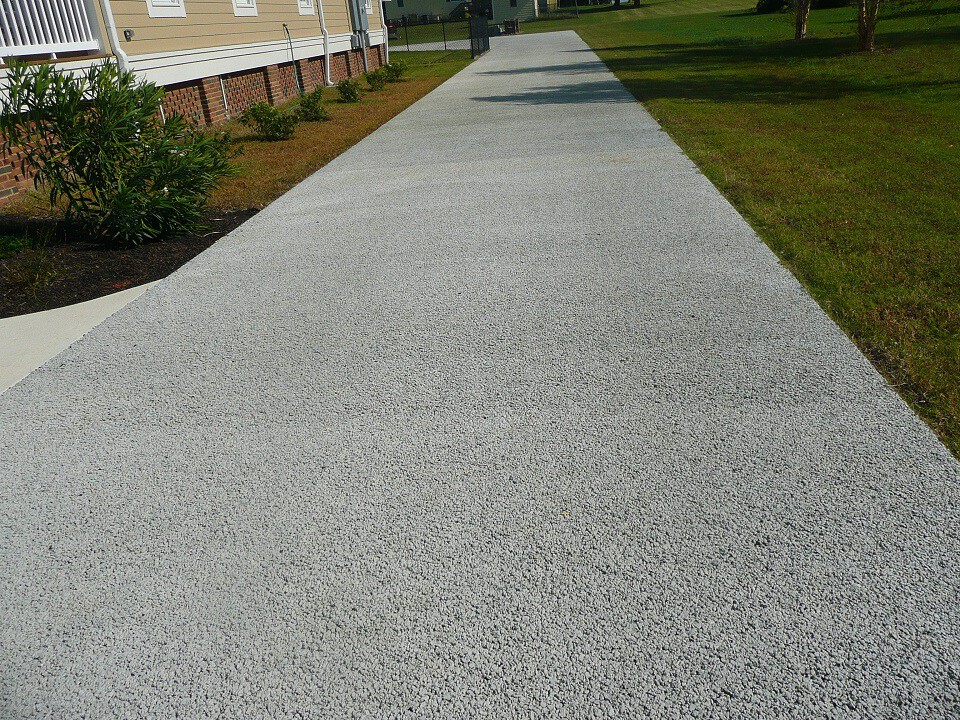
As heatwaves become more frequent and intense due to climate change, Spanish cities are increasingly vulnerable. Traditional dark asphalt absorbs and stores heat during the day, releasing it slowly at night, which prevents streets from cooling down. Cool pavements offer a way to break this cycle.

Two Main Families of Cool Pavements
There are two broad categories of cool pavements: permeable (or porous) pavements and reflective (or high solar reflectance) pavements. Each works differently to reduce temperatures.
Permeable Pavements
Permeable pavements are surfaces with interconnected voids that allow rainwater to pass through into the ground instead of directing it to sewers. The retained water evaporates gradually, cooling the air and reducing flash flooding. This evaporative cooling effect is particularly beneficial in hot, dry climates.
These pavements are especially useful in areas prone to sudden downpours, which are common in Mediterranean Spain. By allowing water to infiltrate, they also help recharge groundwater and reduce the burden on drainage systems.
Reflective Pavements
Reflective pavements, also known as cool pavements, are designed to reflect a larger portion of solar radiation back into the atmosphere rather than absorbing it. They typically use lighter-colored materials or coatings to increase albedo (reflectivity). This reduces the amount of heat stored in the pavement and released later.
However, reflective pavements can have drawbacks, such as glare and potential increased heating of adjacent buildings if not properly designed. Therefore, their application requires careful planning.
Benefits of Cool Pavements in Spanish Cities
Implementing cool pavements can bring multiple benefits to Spanish cities, from improved thermal comfort to better stormwater management. As cities grapple with rising temperatures, these solutions offer a practical way to adapt.
- Lower surface temperatures: Cool pavements can be significantly cooler than conventional asphalt, reducing heat radiation.
- Improved air quality: By lowering temperatures, they help reduce the formation of ground-level ozone.
- Enhanced stormwater management: Permeable pavements reduce flooding risk and improve water quality.
- Energy savings: Cooler streets can reduce the need for air conditioning in nearby buildings.
- Improved quality of life: More comfortable public spaces encourage walking and outdoor activities.
Comparing Cool Pavement Types
The following table summarizes the key characteristics of permeable and reflective pavements to help decision-makers choose the right solution for their context.
| Feature | Permeable Pavements | Reflective Pavements |
|---|---|---|
| Primary mechanism | Evaporative cooling and water infiltration | Solar reflection (high albedo) |
| Best for | Areas with rainfall and flooding risk | Hot, sunny areas with low rainfall |
| Potential drawbacks | Clogging, maintenance needs | Glare, reduced nighttime cooling |
| Cost | Moderate to high | Moderate |
| Additional benefits | Stormwater management, groundwater recharge | Reduced heat absorption, energy savings |
Challenges and Considerations
While cool pavements offer promising solutions, their implementation faces challenges. Permeable pavements require regular maintenance to prevent clogging, and their effectiveness depends on soil conditions. Reflective pavements may increase glare and can be less effective in shaded areas.
Moreover, cool pavements are not a silver bullet. They must be integrated with other heat mitigation strategies, such as green infrastructure, shading, and building design, to create a comprehensive urban cooling plan. The background to this story is set out in Phoenix Cool Pavement Cut Asphalt Heat 7°C but Ignored Pedestrians. A related thread runs through Cool UK Overheating Schools: Parent & Teacher Heat Solutions. Earlier coverage in Parents and Teachers: How to Cool Overheating UK Schools Fast shows how the argument developed.
What to Watch Next
As Spanish cities continue to experience record-breaking heat, the adoption of cool pavements is likely to accelerate. Local governments are already experimenting with these materials in pilot projects. The key will be to monitor performance and adapt designs to local conditions. A closer look at the same subject appears in Urban Heat Islands: How Smart Tree Planting Cools Cities. Anyone following the wider picture can start with Cool UK's Overheating Schools: Tips for Parents and Teachers. The same theme surfaces in Spain Heatwave Alert: AEMET Warns of Intense Heat Return, which takes a different angle.
With proper planning and investment, cool pavements can play a vital role in making Spanish cities more resilient to climate change and more livable for residents. Context on how this played out before sits in Spain Heatwave and Wildfire Risks: What Travelers Must Know. A companion piece, England Building Death Traps: Overheating Crisis Warnings, approaches the same subject from another angle.
FAQ
What is a cool pavement?
A cool pavement is a surface designed to reflect more solar radiation or allow water evaporation, reducing surface and air temperatures. It helps mitigate the urban heat island effect.
How do permeable pavements work?
Permeable pavements have interconnected voids that allow water to pass through, reducing runoff and enabling evaporative cooling. They also help recharge groundwater.
Are cool pavements effective in all climates?
Their effectiveness varies. Permeable pavements work best in areas with rainfall, while reflective pavements are more suited to hot, sunny climates. Proper design is essential for optimal performance.
Can cool pavements reduce energy costs?
Yes, by lowering ambient temperatures, cool pavements can reduce the need for air conditioning in nearby buildings, leading to energy savings.
Browse the Shop
 Acacia frida deluxe solid wood bed frame |
Bedroom bench |
Bed chest drawers |
Lingerie dresser |
Frame base |
Mirror with jewelry storage |
30 Bathroom Vanity |
Memory foam queen mattress |
Mattresses for back pain |
Nightstand set of 2 |
Grand Goldman Shop |
Civil Lawyer
Deutschland Trikot WM 2026







