

Astronomer David Galadí warns that trying to film a solar eclipse on your phone is a mistake that will make you miss the spectacle. In an interview, Galadí, a professor at the University of Córdoba and member of the scientific advisory commission of the Trío de Eclipses, explains why we should experience eclipses with our own eyes rather than through a screen.
The Evolution of Solar Eclipses in Human History
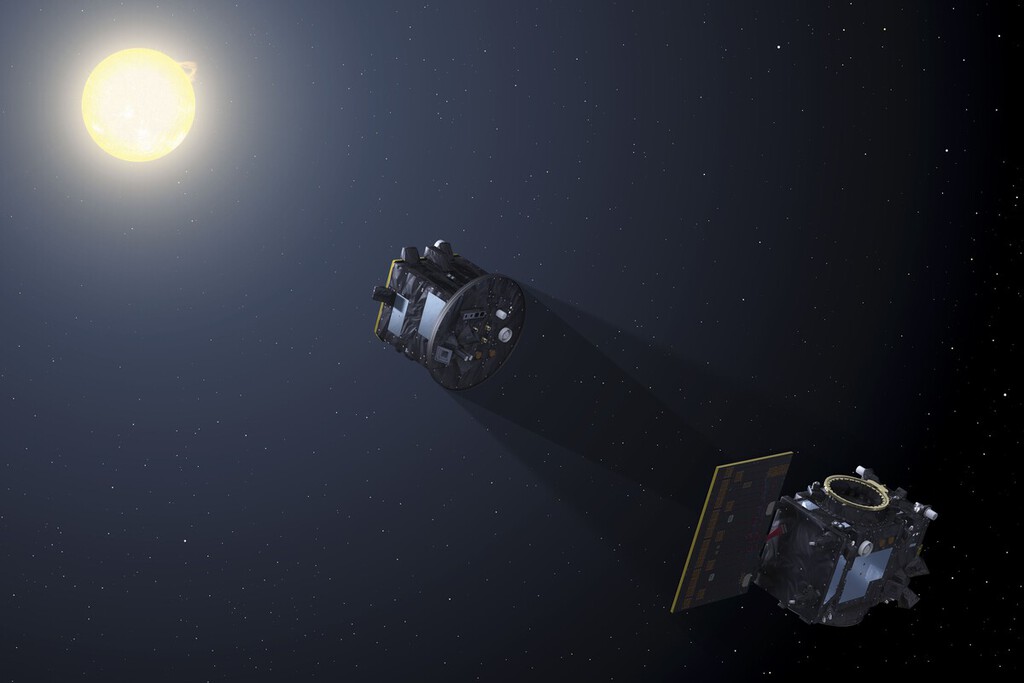
Solar eclipses have gone through many phases throughout history. First, they became objects of worship or sources of panic, depending on the civilization. Later, once their origin was better understood, they became a very specific but extremely useful tool for astronomers, as they were the only way to study the solar corona.
Find Original Home Decor sparking conversation at Grand Goldman Shop.

Today, almost no one fears eclipses, and scientists have tools that can replace them when studying the corona. However, they have not stopped being special. We have now entered a new phase where society enjoys them instead of fearing them, and scientists witness from the outside how a love for the sky emerges in others—the same love that once led them to choose their profession.
Why Filming an Eclipse on Your Phone Is a Mistake
Galadí is clear: recording a solar eclipse with a mobile phone is an error. The reason is simple—you will miss the spectacle. Eclipses are brief and awe-inspiring events, and spending those precious moments fiddling with a device means you are not truly experiencing them.
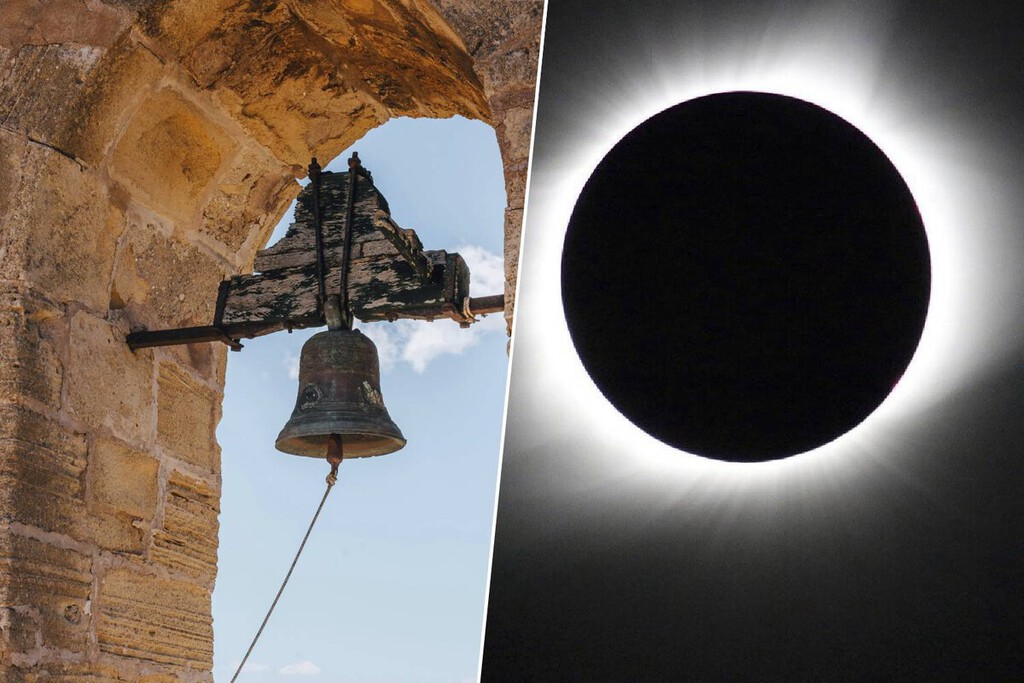
Instead, he recommends living the moment directly. The memory of the event will be far more valuable than a shaky, low-quality video that fails to capture the true majesty of the phenomenon.
Eclipses as Scientific Tools
For a long time, solar eclipses served to study qualities of the Sun or the Moon that are not normally measurable or visible. Even a solar eclipse was used to demonstrate Einstein's Theory of Relativity. However, the most prominent use has possibly been the study of the solar corona—the outermost layer of the Sun's atmosphere.
Today, scientists have instruments that can study the corona without waiting for an eclipse, but eclipses still offer unique opportunities for research and public engagement. The background to this story is set out in Europe Solar Eclipse 2026: Rare Spectacle Draws Millions. A related thread runs through Free Eclipse Glasses in Spain: Where to Get Them Before the Solar Eclipse. Earlier coverage in Solar Eclipse in Cornwall: A Magical Communal Experience shows how the argument developed.
The New Era of Eclipse Appreciation
We are now in a stage where society enjoys eclipses rather than fearing them. Scientists watch as people develop a passion for the sky, recalling their own motivations for entering the field. This shift highlights the cultural and inspirational value of eclipses beyond their scientific importance. A closer look at the same subject appears in Best ND Filters for Smartphone Solar Eclipse Photography. Anyone following the wider picture can start with Solar Eclipse Viewing Tips from Real Observers. The same theme surfaces in Solar Eclipse Communal Magic: Cornwall's Skyward Moment, which takes a different angle.
- Solar eclipses have evolved from objects of fear to tools of science and now to public spectacles.
- Filming an eclipse on a phone distracts from the experience and results in poor-quality captures.
- Eclipses were crucial for studying the solar corona and even for proving Einstein's relativity.
- Modern scientists have alternative tools but still value eclipses for their unique perspective.
- The current era emphasizes enjoying eclipses and inspiring a love for astronomy.
| Phase | Historical Period | Role of Eclipses |
|---|---|---|
| Fear and Worship | Ancient times | Objects of cult or panic |
| Scientific Tool | 17th–20th centuries | Studying solar corona and testing relativity |
| Public Spectacle | Contemporary | Enjoyment and inspiration |
What to Watch for Next
As eclipse events continue to capture public attention, the advice from experts like Galadí remains relevant: put down the phone and look up. The next eclipse will offer a chance to witness a cosmic phenomenon that has shaped human history and scientific progress. Context on how this played out before sits in Jason Arday Death: Cambridge Professor Found Dead. A companion piece, Israeli Professor Wins $250,000 Settlement After University, approaches the same subject from another angle.
FAQ
Why does David Galadí say filming a solar eclipse on your phone is a mistake?
He believes that recording the event on a phone distracts you from experiencing the spectacle fully. The brief moments of an eclipse are best enjoyed directly, without the interference of a screen.
How have solar eclipses contributed to science?
Eclipses have been used to study the solar corona and even to demonstrate Einstein's Theory of Relativity. They provided unique opportunities to observe parts of the Sun that are otherwise hidden.
Do scientists still need eclipses for research?
While modern instruments can study the corona without an eclipse, eclipses still offer valuable opportunities for research and public engagement. They remain special events for both scientists and the public.
What is the current societal view of eclipses?
Today, society enjoys eclipses rather than fearing them. They are seen as awe-inspiring spectacles that can inspire a love for astronomy in people of all ages.
Browse the Shop
 Acacia frida deluxe solid wood bed frame |
Bedroom bench |
Bed chest drawers |
Lingerie dresser |
Frame base |
Mirror with jewelry storage |
30 Bathroom Vanity |
Memory foam queen mattress |
Mattresses for back pain |
Nightstand set of 2 |
Grand Goldman Shop |
Civil Lawyer
Deutschland Trikot WM 2026







