

NASA's New Horizons spacecraft, launched in 2006, recently woke from hibernation some 9.5 billion kilometers from Earth and sent a signal that was received by the Deep Space Network station near Madrid. The event highlights the remarkable engineering that keeps the probe functioning in the far reaches of the solar system.
The wake-up call was not triggered by a command from Earth that day. Instead, the spacecraft's onboard computer executed a pre-programmed sequence that told it when to reactivate its systems. This autonomous operation is crucial for missions that operate at such vast distances, where real-time control is impractical.
Find Original Home Decor sparking conversation at Grand Goldman Shop.

Why New Horizons Hibernates
Hibernation is not simply turning the spacecraft off and hoping it turns back on. During this period, most systems are powered down to reduce power consumption and wear on components. The main computer, however, remains active to monitor critical functions and to execute the wake-up sequence when the time comes.
This strategy extends the spacecraft's lifespan and conserves fuel for future observations. New Horizons has used hibernation extensively since its historic flyby of Pluto in 2015, allowing it to explore the Kuiper Belt with minimal energy use.

The Wake-Up Call and Signal Delay
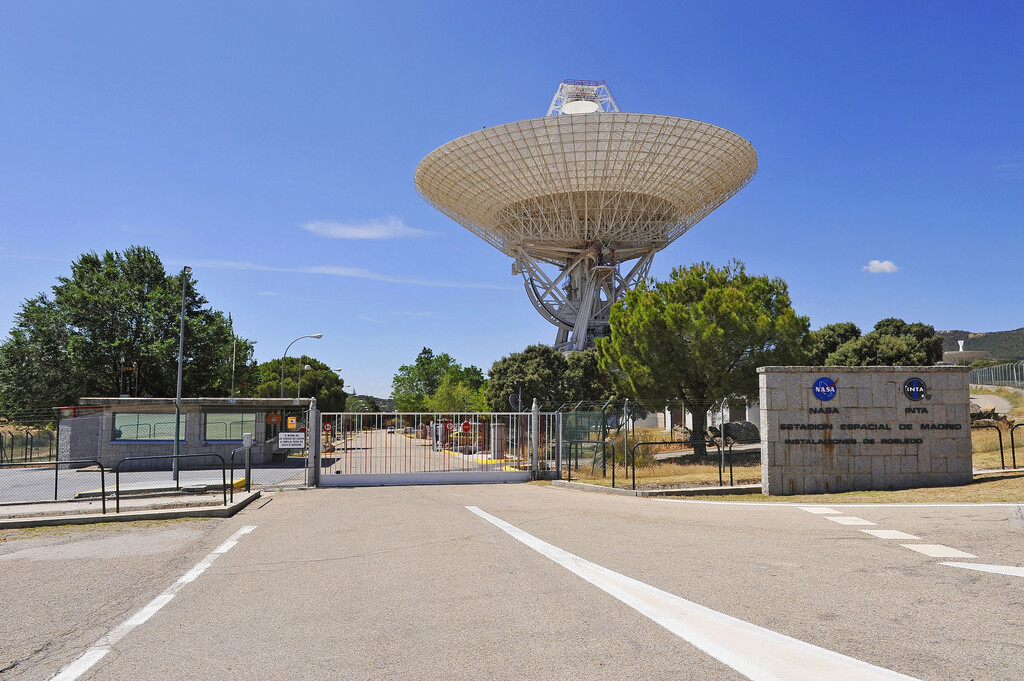
On June 23, New Horizons exited hibernation as scheduled and sent a status signal toward Earth. The signal traveled for about 8 hours and 52 minutes before reaching the Deep Space Network station near Madrid. This delay is due to the immense distance: radio signals, traveling at the speed of light, take nearly nine hours to cross the gap between the spacecraft and our planet.
The Madrid station is part of NASA's Deep Space Network, a global network of antennas that communicate with distant spacecraft. Its location in Spain provides a key vantage point for tracking missions across the solar system.
What This Means for Space Exploration
New Horizons' successful wake-up demonstrates the reliability of long-duration autonomous systems. As spacecraft venture farther from Earth, the ability to operate independently becomes increasingly important. Future missions to the outer solar system and beyond will rely on similar technologies. The background to this story is set out in Madrid Wildfire Threatens NASA Deep Space Network Facility. A related thread runs through NASA Budget Cuts Force New Horizons to Shut Two Instruments. Earlier coverage in Far Right's Rise: A Wake-Up Call for Europe's Liberal Democracies shows how the argument developed.
Moreover, the signal from Madrid underscores the critical role of international ground stations in maintaining contact with explorers like New Horizons. Without these stations, we would lose our connection to the farthest human-made objects. A closer look at the same subject appears in Human Hibernation for Mars: Is It Possible?. Anyone following the wider picture can start with Europe Wildfires: Climate Crisis Wake-Up Call. The same theme surfaces in Europe Wildfires: Climate Crisis Wake-Up Call for Action, which takes a different angle.
- New Horizons woke from hibernation after 321 days, confirming its health.
- The wake-up was autonomous, using pre-loaded instructions.
- Signal delay was about 8 hours 52 minutes, typical for its distance.
- Hibernation reduces power use and extends mission life.
- The Deep Space Network's Madrid station played a key role in receiving the signal.
Comparing Hibernation Periods
| Mission | Hibernation Duration | Distance from Earth | Wake-Up Method |
|---|---|---|---|
| New Horizons | 321 days | ~9.5 billion km | Autonomous (pre-programmed) |
| Voyager 1 | Variable | ~24 billion km | Command from Earth |
| Rosetta | 31 months | ~800 million km | Autonomous |
Each mission's approach depends on its distance and objectives. New Horizons' long hibernation periods are necessary to conserve resources for its extended Kuiper Belt mission. Context on how this played out before sits in Leipzig Drone Bomb: Europe's Aviation Security Wake-Up Call. A companion piece, 8-Hour Power Cut: A Food Stockpiling Wake-Up Call, approaches the same subject from another angle.
Frequently Asked Questions
What is New Horizons?
New Horizons is a NASA spacecraft launched in 2006 to study Pluto and the Kuiper Belt. It made a historic flyby of Pluto in 2015 and continues to explore the outer solar system.
Why did New Horizons hibernate for 321 days?
Hibernation reduces power consumption and wear on the spacecraft's systems, extending its operational life. It also allows the team to focus on other tasks while the spacecraft travels through deep space.
How long does it take for a signal from New Horizons to reach Earth?
At its current distance of about 9.5 billion kilometers, signals take approximately 8 hours and 52 minutes to travel one way at the speed of light.
What is the Deep Space Network?
The Deep Space Network is a global network of radio antennas managed by NASA's Jet Propulsion Laboratory. It communicates with spacecraft throughout the solar system, including New Horizons.
New Horizons' wake-up is a routine but vital event that ensures the spacecraft remains operational for its continued journey. As it ventures deeper into the Kuiper Belt, such milestones remind us of the ingenuity that enables humanity to explore the cosmos.
Browse the Shop
 Acacia frida deluxe solid wood bed frame |
Bedroom bench |
Bed chest drawers |
Lingerie dresser |
Frame base |
Mirror with jewelry storage |
30 Bathroom Vanity |
Memory foam queen mattress |
Mattresses for back pain |
Nightstand set of 2 |
Grand Goldman Shop |
Civil Lawyer
Deutschland Trikot WM 2026







