

King Ferdinand VI of Spain, who reigned from 1746 to 1759, was an avid hunter. A newly examined manuscript known as the 'Asiento de Caza' reveals that he hunted with remarkable frequency, and this centuries-old record is now providing scientists with a unique window into the biodiversity of the Iberian Peninsula.
The manuscript, preserved in the Royal Palace, details the thousands of animals killed by the monarch between 1745 and 1755. While hunting is a controversial topic, the meticulous record-keeping of the court has inadvertently created a valuable ecological dataset.
Find Original Home Decor sparking conversation at Grand Goldman Shop.

What the 'Asiento de Caza' Reveals About King Ferdinand VI
The 'Asiento de Caza' is a handwritten ledger that catalogues the game bagged by Ferdinand VI during his hunting expeditions. It notes the species and number of animals taken, often on a daily basis. According to the manuscript, the king's passion for hunting was unwavering, regardless of season or weather.
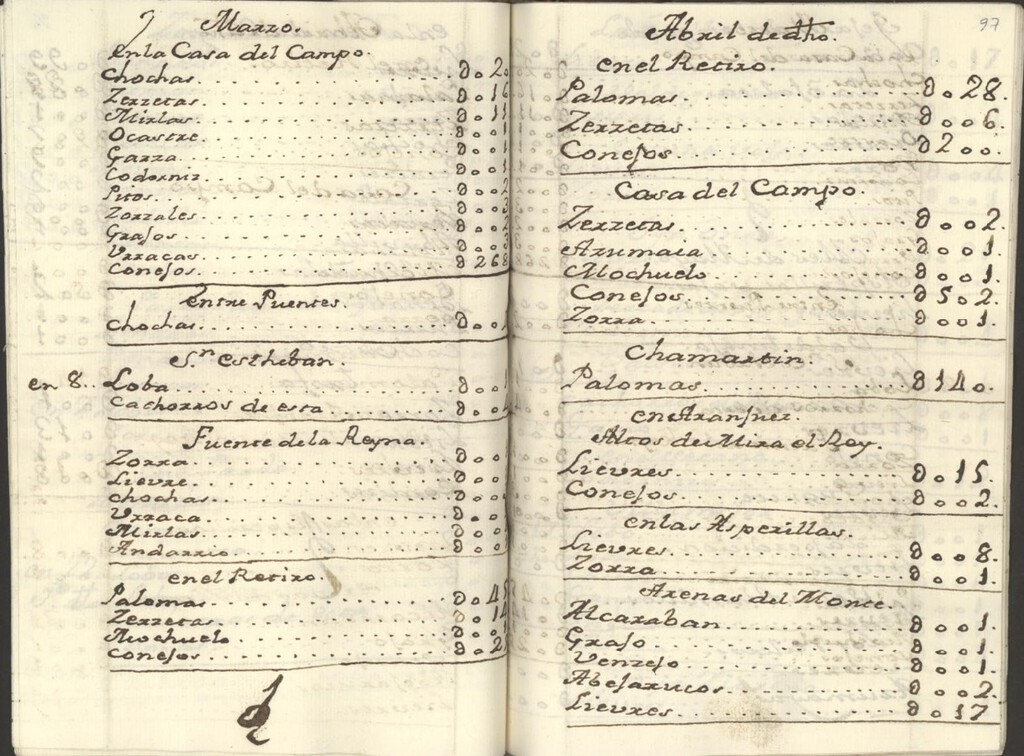
Researcher Juan Jiménez rediscovered the document while looking for information on royal hunting practices. The ledger not only sheds light on the king's personal habits but also provides a snapshot of the wildlife present in the royal hunting grounds, known as the Sitios Reales, during the mid-18th century.
The Scale of the Hunt
The numbers recorded are staggering. Ferdinand VI hunted thousands of animals over the decade covered by the manuscript. This intense hunting pressure likely had significant impacts on local wildlife populations, but the detailed records allow modern biologists to reconstruct past ecosystems.
For example, the presence of certain species in the ledger can indicate their historical range and abundance. Species that are now rare or extirpated in Spain may have been common in the 18th century, and the manuscript helps document these changes.
Why Biologists Are Interested in an 18th-Century Hunting Log
Historical ecological records are rare and valuable. The 'Asiento de Caza' provides a continuous record of hunting activity over a decade, which is unusual for such an early period. Biologists can use this data to study long-term trends in biodiversity and the effects of human activity on wildlife.
The manuscript also includes information on hunting locations, which can help identify areas that were important for wildlife at the time. By comparing historical data with modern surveys, scientists can assess how habitats and species distributions have changed.
Key Takeaways for Biodiversity Research
- The 'Asiento de Caza' offers a rare decade-long record of wildlife harvested in royal hunting grounds.
- It provides baseline data on species presence and abundance in 18th-century Spain.
- Researchers can use the log to track changes in biodiversity over time.
- The document highlights the importance of historical records for modern conservation.
- It also offers insights into the daily life and hobbies of Ferdinand VI.
The Species Hunted by Ferdinand VI
The manuscript lists a variety of species, from small game like rabbits and hares to larger animals such as deer and wild boar. The diversity of species hunted reflects the rich wildlife of the royal hunting estates.
Some species mentioned in the ledger may have been more common then than now. For instance, the Iberian lynx, now critically endangered, might have been present in the hunting grounds, although it is not explicitly mentioned in the available excerpt.
| Species | Historical Status (18th Century) | Current Status in Spain |
|---|---|---|
| Rabbit | Abundant | Declining in some areas |
| Hare | Common | Stable |
| Red Deer | Common in royal estates | Widespread |
| Wild Boar | Common | Increasing |
It is important to note that the table above is illustrative, as the exact species list from the manuscript is not fully detailed in the source. However, it is clear that the king hunted a range of animals, and the records can help scientists understand historical wildlife communities.
The Legacy of Ferdinand VI's Hunting Records
Ferdinand VI's hunting log is more than just a historical curiosity; it is a scientific resource. As biologists continue to study the manuscript, they may uncover new insights into the ecology of 18th-century Spain.
This story also highlights the unexpected ways in which historical documents can contribute to modern science. The meticulous record-keeping of the past can provide valuable data for addressing today's conservation challenges. The background to this story is set out in Transform an old log into an elegant wine organizer. A related thread runs through Trending: latest articles. Earlier coverage in Roman Road in Burgos: 2,000-Year-Old Treasure Nearly Lost in the 80s shows how the argument developed.
What's Next for Researchers?
Future research could involve digitizing the manuscript and making it accessible to a wider audience. Comparing the data with other historical sources, such as tax records or land use maps, could further enrich our understanding of past environments. A closer look at the same subject appears in Almazán Palace Collapse: Mayor Warned for Years Before 15th-Century Fall. Anyone following the wider picture can start with Gruta de las Maravillas: Spain's First Tourist Cave in Huelva. The same theme surfaces in Invasive Tropical Oyster Pinctada radiata Colonizes Spain's Coast, which takes a different angle.
Additionally, the 'Asiento de Caza' might inspire similar studies of other royal hunting records across Europe. Many monarchs kept detailed logs, and these could collectively provide a continent-wide view of historical biodiversity. Context on how this played out before sits in Invasive Species in Spain: Why the Guadalquivir Is a Hotspot. A companion piece, King Ferdinand VI's 18th-Century Hunting Log Becomes a Biodiversity Treasure, approaches the same subject from another angle.
FAQ
What is the 'Asiento de Caza'?
The 'Asiento de Caza' is an 18th-century manuscript that records the animals hunted by King Ferdinand VI of Spain between 1745 and 1755. It is preserved in the Royal Palace and was recently rediscovered by researcher Juan Jiménez.
Why is an old hunting log important for biodiversity?
The log provides a detailed, decade-long record of wildlife harvested in specific areas, which helps scientists establish historical baselines for species presence and abundance. This data is crucial for understanding long-term ecological changes and informing conservation efforts.
How many animals did Ferdinand VI hunt per day?
According to the source, Ferdinand VI hunted with great frequency, but the exact daily average is not specified. However, the manuscript records thousands of animals over a decade, indicating a very high level of hunting activity.
Can this manuscript help conserve endangered species today?
Yes, by providing historical data on species distributions and abundances, the manuscript can help identify which species have declined and where conservation efforts are most needed. It also offers insights into habitat changes over centuries.
Browse the Shop
 Acacia frida deluxe solid wood bed frame |
Bedroom bench |
Bed chest drawers |
Lingerie dresser |
Frame base |
Mirror with jewelry storage |
30 Bathroom Vanity |
Memory foam queen mattress |
Mattresses for back pain |
Nightstand set of 2 |
Grand Goldman Shop |
Civil Lawyer
Deutschland Trikot WM 2026







