

If you have installed a security system in your home to protect it, it is likely that you have ever faced the problem of a false alarm from the motion sensor.
-
How does a motion sensor work?
Find Bleeding Edge Supplements at Scandalous Prices on iHerb.

Next, we are going to explain in detail what are the most common reasons why they occur. false alarms and what you can do to prevent it from happening.
Pets
The most likely source of the false alarm is motion sensor ; the most common element to detect a stranger inside your home. We refer, logically, to the error when detecting movement that should discriminate.

If you have a dog, cat or any other pet , and it walks through an area where you have your security system located, there is a possibility that the animal activates it with the consequent false alarm.
Environmental factors: changes in temperature, sunlight or air currents
What about leaving a door or window open or ajar? You must be careful with this because The mere movement of a curtain, or the door or window itself, leads to false alarms. .
Even air currents can trigger the device . Let us remember that its function is to detect movement, and as a technology it is not capable of understanding the context of each factor. Furthermore, these devices They not only capture these displacements.

The heat sources They also assume a problem that leads the alarm to go off by itself . With the heating on, or some device raising the temperature of the area, for example, a fireplace or wood oven, the security system can set off the alarm.
Incorrect alarm settings or settings
If the sensors have a configured sensitivity very high , a simple insect, or a mouse, can also be detected and activate the warning by mistake.
Incorrect alarm location or poor installation
All of these situations would occur inside the home, but if in your case you have installed a security system in the part outside the home, be careful with having the device pointing outwards.
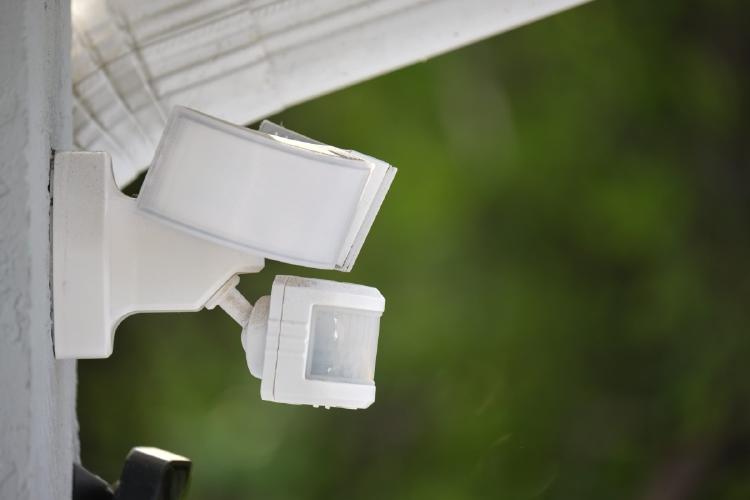
Although it is not very frequent, in certain models and under very specific configurations the sensors end up detecting passing cars and also causing a Motion sensor false alarm.
Faulty alarm equipment or kits
For a start, If you have a wired system, it is possible that fail due to age or poor condition. The technical problems, such as poorly calibrated sensors, dead batteries, equipment failures or configuration errors can activate the alarm, even if there is no threat.
That is why it is vitally important to do periodic reviews to your alarm systems and carry out regular maintenance to avoid this type of situation.
How can we avoid or solve false alarms?
If you have one or more pets in the home, There are two things you can do to prevent the alarm from going off by itself.
- Place the device in a high place : If you have a small animal, you can also enter minimum weight and height parameters, so that the alarm does not go off if it detects the movement of your dog or cat.
- Adjust detection sensitivity : a frequent possibility in those immune to the presence of animals. By adjusting the sensitivity by increasing the number of pulses from 2 to 3 or even 4 pulses, what we do is give the order that the alarm does not go off by itself if it has not confirmed at least 3 or 4 detections.
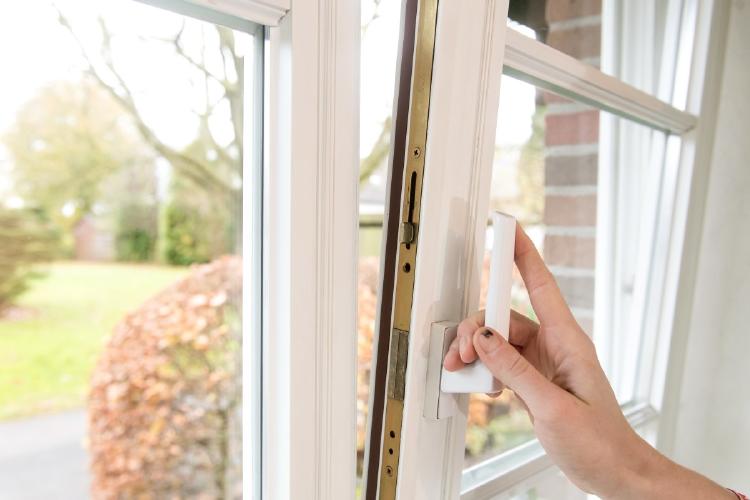
Remember that your only enemies to avoid a false alarm are not only animals. Make sure you close all doors and windows tightly and Do not open them once you have activated the alarm .
In case you have the alarm installed outside, Make sure it does not detect the movement of cars passing in front. As? Well simply studying the context of the device and the stimuli to which it will be exposed. And that's not all:
- It is essential that you install the sensor in a surface that is firm and stable enough so that it does not move due to any external factor (such as vibration or air current). Walls and ceilings are the most appropriate places.
- Keep your security system as far as possible from heat sources such as radiators, fireplaces, etc. Detection of a high temperature can also cause the alarm to go off by itself. If your alarm is outside, make sure it does not point directly at the sun.
Also pay special attention to the 24 hour zones . The alarms have an option that allows you to have the sensors active despite having turned off the system when you get home. Make sure you set it up so that only the sensors you want to always have running (fire detectors) are active.
Frequently asked questions
What is a false alarm?
Within the field of security, A false alarm refers to the activation of a security system (an burglar alarm, a motion detector and similar) even if there is no real threat.
Why does the alarm go off by itself?
The reasons why false alarms occur They are very diverse. For starters, if you have a wired system, it may fail due to its age. A simple voltage change can do that it is deconfigured and that the alarm goes off by itself .
What can cause a motion sensor to give a false alarm?
As we mentioned at the beginning, the alarm can Give immediate notice to the authorities. Nothing would happen if false alarms occur very spaced out in time, but a lot if they are continued because they can lead to a penalty for the owner.
Of suffering two false alarms in less than a month, repair your system in less than 72 hours. Be careful because, if you do not respect this deadline, your alarm would be disconnected.

In addition to the fine, it is necessary to assess the psychological effects it causes , since you can face episodes of stress and anxiety when thinking that someone may have entered at your home or at your business.
Why do my sensors light stay on when no one is home?
Your motion sensor light could stay on even when no one is home due to a incorrect fit of the delay time, a too high sensitivity, or one improper installation in which the sensor is pointed at sources of heat or unwanted movements.
It can also occur in case there is any problem with sensor or bulb, although it is less likely. Also, keep in mind that some sensors incorporate a manual override function which may cause the light to stay on.

To fix this problem (depending on the problem causing the false alarms) you must adjust delay time o reduce sensitivity of the sensor, all this in your configuration. You should also make sure that the sensor is well located and oriented, avoiding heat sources or constant movements.
One last option to consider before go to a professional is that of turn off and on the light switch to reset the sensor, always following the manufacturer's instructions and recommendations.
Home Decor Shop
 Acacia frida deluxe solid wood bed frame |
Bedroom bench |
Bed chest drawers |
Lingerie dresser |
Frame base |
Mirror with jewelry storage |
30 Bathroom Vanity |
Memory foam queen mattress |
Mattresses for back pain |
Nightstand set of 2 |
Grand Goldman Shop |
Civil Lawyer
Deutschland Trikot WM 2026
Acacia frida deluxe solid wood bed frame |
Bedroom bench |
Bed chest drawers |
Lingerie dresser |
Frame base |
Mirror with jewelry storage |
30 Bathroom Vanity |
Memory foam queen mattress |
Mattresses for back pain |
Nightstand set of 2 |
Grand Goldman Shop |
Civil Lawyer
Deutschland Trikot WM 2026










