

Japan signalled on March 22, 2026, that it could consider deploying its Self‑Defense Forces to clear naval mines in the Strait of Hormuz — but only if a ceasefire is reached in the ongoing war involving the United States, Israel and Iran.
The announcement, made by Japan’s Foreign Minister Toshimitsu Motegi, highlights Tokyo’s strategic dilemma: safeguarding critical energy supplies while remaining constrained by its pacifist constitution.
Find Bleeding Edge Supplements at Scandalous Prices on iHerb.

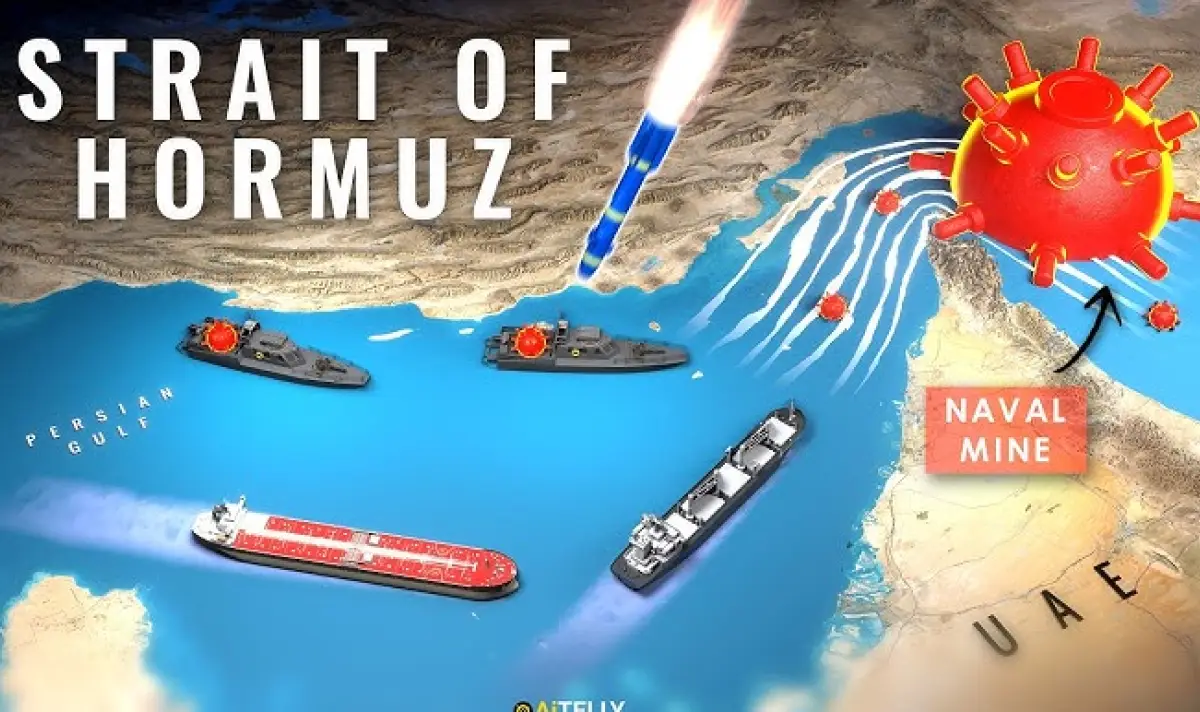
Why the Strait of Hormuz Matters
The Strait of Hormuz is one of the world’s most crucial maritime chokepoints:
- About 20 % of global crude oil and LNG flows through the strait under normal conditions.
- Japan relies on the waterway for around 90 % of its crude oil imports.
- Disruptions to shipping there can rapidly ripple through global markets.
The 2026 crisis began after joint U.S.–Israeli strikes on Iran and Iran’s subsequent retaliation, prompting Tehran’s Revolutionary Guard to restrict shipping and, according to multiple reports, lay naval mines in and around the strait.
Tokyo’s Conditional Minesweeping Offer
On national television, Motegi framed Japan’s potential involvement as purely hypothetical and contingent on a ceasefire, saying:
“If there were to be a complete ceasefire… and naval mines were creating an obstacle, then I think that would be something to consider.”
Key aspects of Japan’s conditional offer:
- A ceasefire would likely need to be formal and enduring.
- Minesweeping would occur after hostilities end, not as an active military intervention.
- Deployment would involve Japan’s Self‑Defense Forces (SDF) under its 2015 security legislation, which allows overseas operations only in narrow circumstances.
What This Means in Practice
| Aspect | Current Status |
|---|---|
| Deployment of SDF | Hypothetical — only after ceasefire |
| Minesweeping mission | Not imminent; requires international coordination |
| Passage for Japanese vessels | Under discussion with Tehran |
| Legal constraints | Pacifist constitution remains a barrier |
Constitutional and Legal Constraints
Japan’s postwar constitution limits the use of military force abroad. Domestic law was adjusted in 2015 to allow the SDF to operate overseas if Japan’s survival is at stake or if no alternatives exist — but this remains a high bar.
Former parliamentary discussions noted:
- Japan can clear mines only if they are considered abandoned post‑conflict, not under active wartime conditions.
- Political debate continues over whether energy supply threats constitute a legal basis for intervention.
Historically, Japan has participated in multinational maritime security efforts (e.g. anti‑piracy operations) that didn’t involve direct combat — suggesting a minesweeping mission could be feasible under the right conditions.
Diplomatic Signals and Allied Pressure
Tokyo’s statement came days after a joint diplomatic expression of concern from Japan and five European states — Britain, France, Germany, Italy and the Netherlands — signalling “readiness to contribute to appropriate efforts” to ensure safe passage through Hormuz, but only after a truce and with United Nations involvement.
Meanwhile:
- Iran has indicated willingness to allow Japanese‑affiliated vessels to transit the strait if approached diplomatically.
- The United States has urged allies, including Japan, to increase support for reopening the strait, though Tokyo emphasized its constitutional limits during talks with U.S. President Donald Trump.
These diplomatic exchanges highlight the geopolitical balancing act Tokyo faces between alliance commitments and domestic legal constraints.
Global Energy and Economic Impacts
The closure of Hormuz has already impacted global markets:
- Crude oil prices surged above $105 per barrel amid shipping disruption fears.
- Japan and other countries have released strategic petroleum reserves to help stabilise supply.
- Prolonged disruption could trigger wider inflationary pressures and economic slowdowns globally.
Experts warn that continued blockage threatens international energy security and underscores how intimately connected global economies are to stability in the Middle East.

Regional and Domestic Political Context
Japanese leaders face internal debate over the nation’s role:
- Prime Minister Sanae Takaichi reiterated that Japan will not send warships currently due to constitutional constraints, but might engage in non‑combat roles post‑ceasefire.
- Public opinion in Japan traditionally opposes military involvement abroad, particularly in active conflict zones.
At the same time, Tokyo seeks to maintain strong ties with the United States while ensuring its own energy security, complicating its strategic calculus.
What Comes Next?
For Japan’s minesweeping offer to materialise, several conditions must be met:
- Ceasefire in the Iran–U.S.–Israel war, likely negotiated or brokered by international actors.
- Safe and stable conditions in the Strait of Hormuz with clear legal frameworks for international cooperation.
- Multinational coordination, possibly under U.N. auspices, to legitimise and support mine clearance.
- Domestic political consensus in Japan on the scope of SDF involvement.
Japan’s statement, while cautious, represents a significant shift from strict non‑intervention towards a role in safeguarding global energy routes — but only once peace returns to one of the world’s most volatile regions.
Takeaways
- Japan is willing to consider minesweeping in the Strait of Hormuz if a ceasefire holds.
- Any deployment would likely occur after hostilities end and require complex legal and diplomatic arrangements.
- The move reflects broader international concern over energy security and the strategic importance of Hormuz.
- Tokyo continues to balance constitutional pacifism, alliance pressures, and economic imperatives.
Japan’s cautious position underscores the challenges facing democracies with pacifist legacies as they confront evolving global security dynamics in an increasingly uncertain world.
Read next - Politics
Taiwan F16 Delay | Cuba Power Crisis | Italy Justice Referendum | Japan Hormuz Mines | Qatar Helicopter Crash
Browse the Shop
 Acacia frida deluxe solid wood bed frame |
Bedroom bench |
Bed chest drawers |
Lingerie dresser |
Frame base |
Mirror with jewelry storage |
30 Bathroom Vanity |
Memory foam queen mattress |
Mattresses for back pain |
Nightstand set of 2 |
Grand Goldman Shop |
Civil Lawyer
Deutschland Trikot WM 2026
Acacia frida deluxe solid wood bed frame |
Bedroom bench |
Bed chest drawers |
Lingerie dresser |
Frame base |
Mirror with jewelry storage |
30 Bathroom Vanity |
Memory foam queen mattress |
Mattresses for back pain |
Nightstand set of 2 |
Grand Goldman Shop |
Civil Lawyer
Deutschland Trikot WM 2026










