

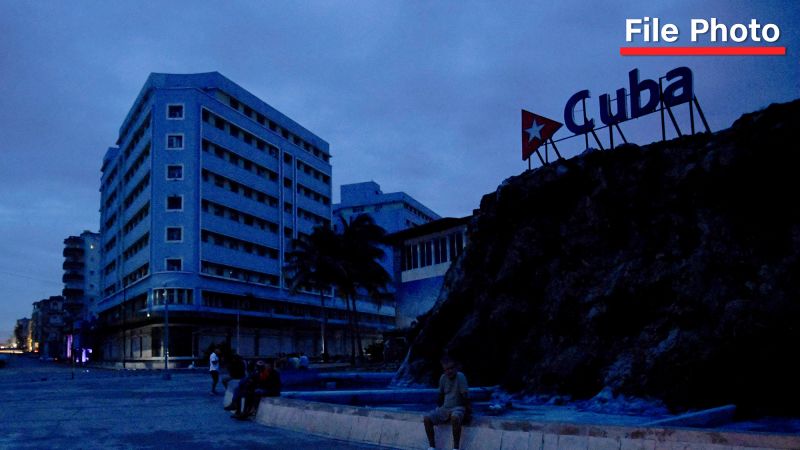
Cuba’s fragile electrical system suffered a second nationwide grid collapse within days, plunging the entire island into darkness and renewing alarm over the nation’s deepening energy crisis. The blackout late Saturday affected all 10+ million residents and highlighted systemic vulnerabilities tied to aging infrastructure, acute fuel shortages and external economic pressures.
Authorities launched emergency recovery efforts early Sunday, but residents and officials alike recognize this as more than a temporary outage — it’s a symptom of a larger, structural energy emergency with national implications.
Find Bleeding Edge Supplements at Scandalous Prices on iHerb.


What Happened: Second Collapse in Seven Days
Timeline of Events
- Saturday evening (~6:32 p.m. Havana time): The national grid collapsed after a major plant in Nuevitas, Camagüey province, failed, cutting power island‑wide.
- This event marked the second full collapse in a week and the third major outage this month, reinforcing an alarming pattern of grid instability.
- Previous widespread blackouts occurred earlier in March, including one earlier last week that took over a day to stabilize.
The Cuban government says recovery operations began early Sunday, focusing first on restoring essential services.
Immediate Impacts on Daily Life
- Millions remained without electricity, disrupting homes, businesses, and public services.
- Internet and mobile services were reported largely offline, compounding the isolation and hindering communications.
- Hospitals, water supply systems, and other critical infrastructure have operated on emergency generation systems where possible.

Recovery Efforts Underway
Government Response
Cuba’s Ministry of Energy and Mines said microsystems — localized islands of power — were activated across provinces to prioritize critical infrastructure like hospitals and water facilities.
Key gas‑fired plants in Varadero and Boca de Jaruco were reported operational, and electricity began to reach the Santa Cruz oil‑fired plant as engineers incrementally rebuild the grid.
Stabilizing the Grid
Utilities and technicians are working to:
- Bring online smaller generation units to support essential services.
- Reconnect large oil‑dependent power plants as fuel and synchronisation allow.
- Coordinate microsystems to stabilize local grids while full national coverage is restored.
These efforts are complicated by both limited fuel availability and fragile equipment that may not withstand prolonged load stress.
Underlying Causes of the Crisis
Aging Infrastructure
Cuba’s grid and generation plants are largely outdated, with many facilities dating back decades and suffering from chronic maintenance shortfalls.
Thermoelectric plants, which dominate the energy mix, have repeatedly failed in recent years due to both mechanical breakdowns and deferred upkeep.
Fuel Shortages and Sanctions
A U.S. oil blockade — intensified under previous Trump administration policies and maintained into 2026 — is widely cited by Cuban officials as a key factor in the shortages hampering generation capacity.
- Cuba has reportedly not received foreign oil in months, producing only about 40 % of its needed fuel internally.
- A tanker originally carrying diesel to Cuba diverted mid‑journey, worsening the shortage and underscoring logistics vulnerabilities under sanctions.
Critics argue that these restrictions have limited Cuba’s access to fuel and equipment necessary to both operate and repair power infrastructure.
Recurring Outages
This collapse follows a series of blackouts dating back to 2024, when nationwide outages became more common due to infrastructure failures and fuel constraints.
| Date | Event | Cause |
|---|---|---|
| Oct–Dec 2024 | Full nationwide blackouts | Mechanical failures at major plants |
| Mar 4, 2026 | Partial island outage | System breakdown |
| Mar 16, 2026 | Nationwide collapse | Grid failure |
| Mar 21, 2026 | Second nationwide collapse | Plant failure at Nuevitas |
| Mar 22, 2026 | Emergency recovery begins | Restoration efforts underway |
Economic and Social Impact
Recurring power failures have profound effects across Cuban society:
- Food preservation and supply chains are disrupted, leading to spoilage and scarcity.
- Water distribution and sanitation systems falter, threatening public health.
- Businesses face shutdowns and losses, compounding an already strained national economy.
Public frustration is rising, with residents expressing anxiety over deteriorating living conditions and uncertainty about when reliable power will return.
Looking Ahead: Potential Solutions and Risks
Diversifying Energy Sources
Cuba has announced expanded solar capacity and renewable projects with international partners, aiming to reduce reliance on oil and enhance energy security long‑term (ongoing projects reported separately).
Renewable expansion could mitigate the severity of future blackouts, though it will take years and substantial investment before such measures significantly alter grid stability.
Policy and Diplomacy
Cuban authorities are reportedly in diplomatic discussions to ease sanctions and secure fuel imports, though details remain sparse.
Meanwhile, analysts warn that continued outages could intensify social unrest and prompt further emigration or economic strain.
Conclusion
Cuba’s latest grid collapse underscores an energy system at a breaking point. What began as recurring daytime outages has escalated into full islandwide blackouts driven by infrastructure decay and critical fuel shortages.
Recovery efforts are underway, but restoring reliable electricity will hinge on securing fuel, upgrading generation capacity, and integrating more resilient energy sources. For Cubans, the lights may come back, but the underlying crisis will persist without structural change.
Read next - Politics
Taiwan F16 Delay | Cuba Power Crisis | Italy Justice Referendum | Japan Hormuz Mines | Qatar Helicopter Crash
Browse the Shop
 Acacia frida deluxe solid wood bed frame |
Bedroom bench |
Bed chest drawers |
Lingerie dresser |
Frame base |
Mirror with jewelry storage |
30 Bathroom Vanity |
Memory foam queen mattress |
Mattresses for back pain |
Nightstand set of 2 |
Grand Goldman Shop |
Civil Lawyer
Deutschland Trikot WM 2026
Acacia frida deluxe solid wood bed frame |
Bedroom bench |
Bed chest drawers |
Lingerie dresser |
Frame base |
Mirror with jewelry storage |
30 Bathroom Vanity |
Memory foam queen mattress |
Mattresses for back pain |
Nightstand set of 2 |
Grand Goldman Shop |
Civil Lawyer
Deutschland Trikot WM 2026










