

Taiwan’s government said on March 22, 2026, that the long‑delayed delivery of U.S.‑made F‑16V fighter jets will commence before the end of this year, marking a key milestone in a program that has faced repeated postponements.
The announcement came after senior Taiwanese defence officials inspected Lockheed Martin’s production facility in South Carolina and followed months of negotiations with U.S. suppliers and military partners.
Find Bleeding Edge Supplements at Scandalous Prices on iHerb.

Taiwan, which is under increasing military pressure from China, has repeatedly raised concerns about the delays. Beijing claims the island as its territory and has steadily increased its aerial and naval operations near Taiwanese airspace, heightening Taipei’s sense of urgency for modern defence capabilities.
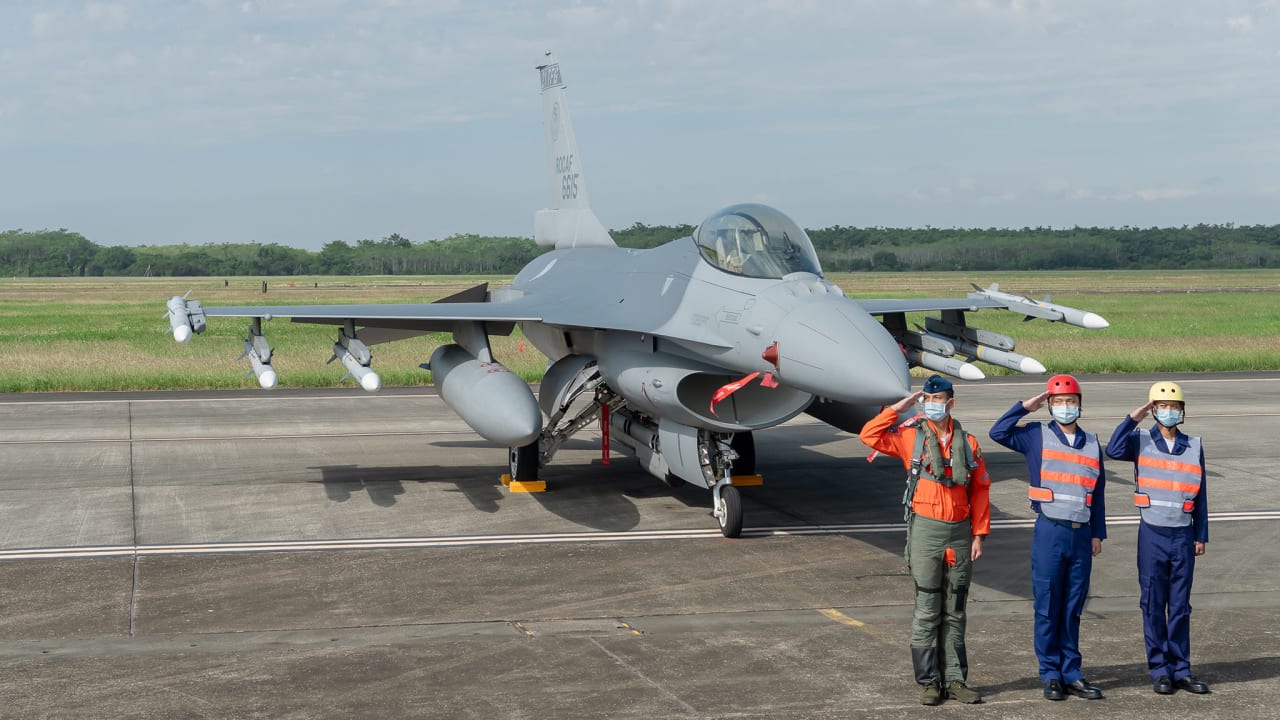
What’s Behind the F‑16V Delays?
Technical and Production Challenges
The United States approved an $8 billion package in 2019 for 66 F‑16V Block 70/72 fighters, the most advanced variant of the F‑16 series designed to give Taiwan a significant edge in air combat. Production stalled due to:
- Software integration issues with Taiwan‑specific systems.
- Supply chain and staffing shortfalls at production facilities.
- High global demand for U.S. defence industry output.
Washington and Lockheed Martin later resolved these issues, bringing production to “full capacity” and ensuring that Taiwanese jets now proceed on schedule.
Political and Strategic Context
Taipei had expressed frustration as weapons deliveries were delayed. Some of that concern centered around U.S. industrial focus on other global priorities, including support for Ukraine’s defence—though the U.S. government says Iran war operations have not slowed weapons shipments to Taiwan.
A broader U.S. arms package worth over $11 billion is also awaiting approval, potentially including advanced interceptor missiles to further boost Taiwan’s defence posture.
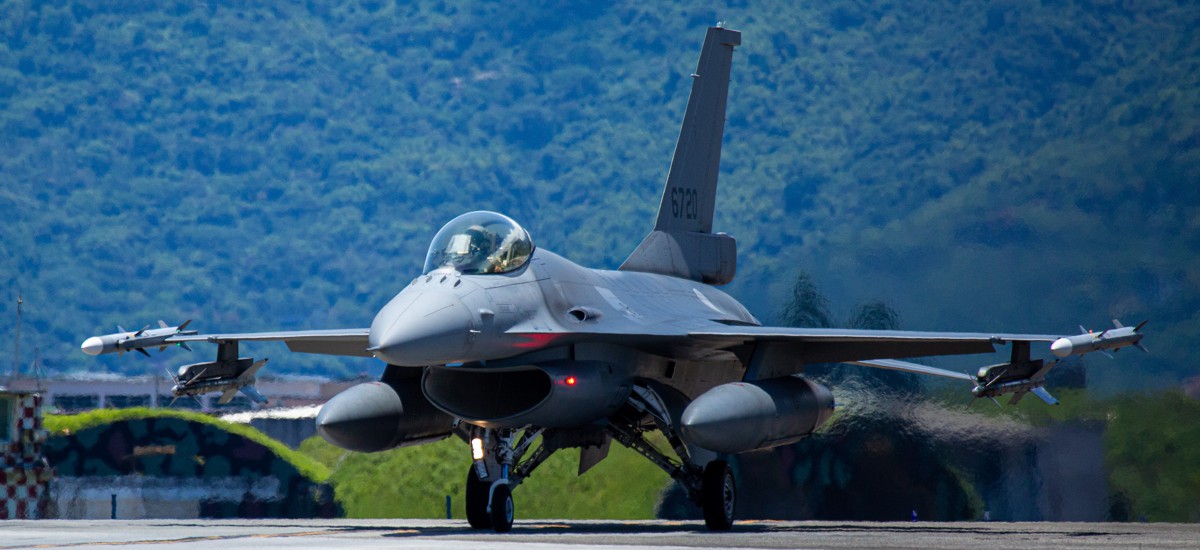
What the F‑16V Brings to Taiwan’s Air Force
The F‑16V Viper is the most modern F‑16 variant in production, with upgrades over legacy types that significantly enhance Taiwan’s air defence:
| Capability | Description |
|---|---|
| Advanced radar | AESA radar for greater detection at longer ranges |
| Weapon systems | Compatibility with modern air‑to‑air and precision strike munitions |
| Networked avionics | Link 16 and digital communications for joint operations |
| Upgraded cockpit | Improved displays and helmet‑mounted cueing systems |
The jets are critical to Taiwan’s deterrence strategy, especially against China’s growing fleet of modern aircraft such as the J‑20 stealth fighters.
Delivery Timeline and Expectations
Key facts about the delivery schedule:
- Deliveries of new F‑16V jets will start in 2026.
- Taiwan ordered 66 new jets to supplement existing aircraft.
- Taipei had hoped to complete all deliveries before 2026, but some estimates previously pushed into 2027 due to setbacks.
In addition to new jets, Taiwan’s forces have already upgraded over 140 older F‑16A/B fighters to the V‑standard through a domestic retrofit program.
Regional Security Implications
Taiwan’s Defence Posture
Taiwan’s defence strategy centers on deterrence and resilience. Beyond the F‑16V program, Taipei is:
- Deploying HIMARS rocket systems and coastal anti‑ship weapons.
- Receiving Abrams tanks and other U.S.‑made equipment.
- Expanding joint training and cooperation with U.S. forces.
These measures aim to strengthen Taiwan’s response to potential grey‑zone tactics and military coercion by China.
U.S.–China Strategic Dynamics
The delayed but now resurgent F‑16 deliveries take place against a backdrop of U.S. intelligence assessments indicating that China is not planning a full invasion of Taiwan by 2027, though pressure to assert control continues.
The situation remains politically sensitive. China consistently condemns U.S. arms sales to Taiwan, describing them as interference in internal affairs.
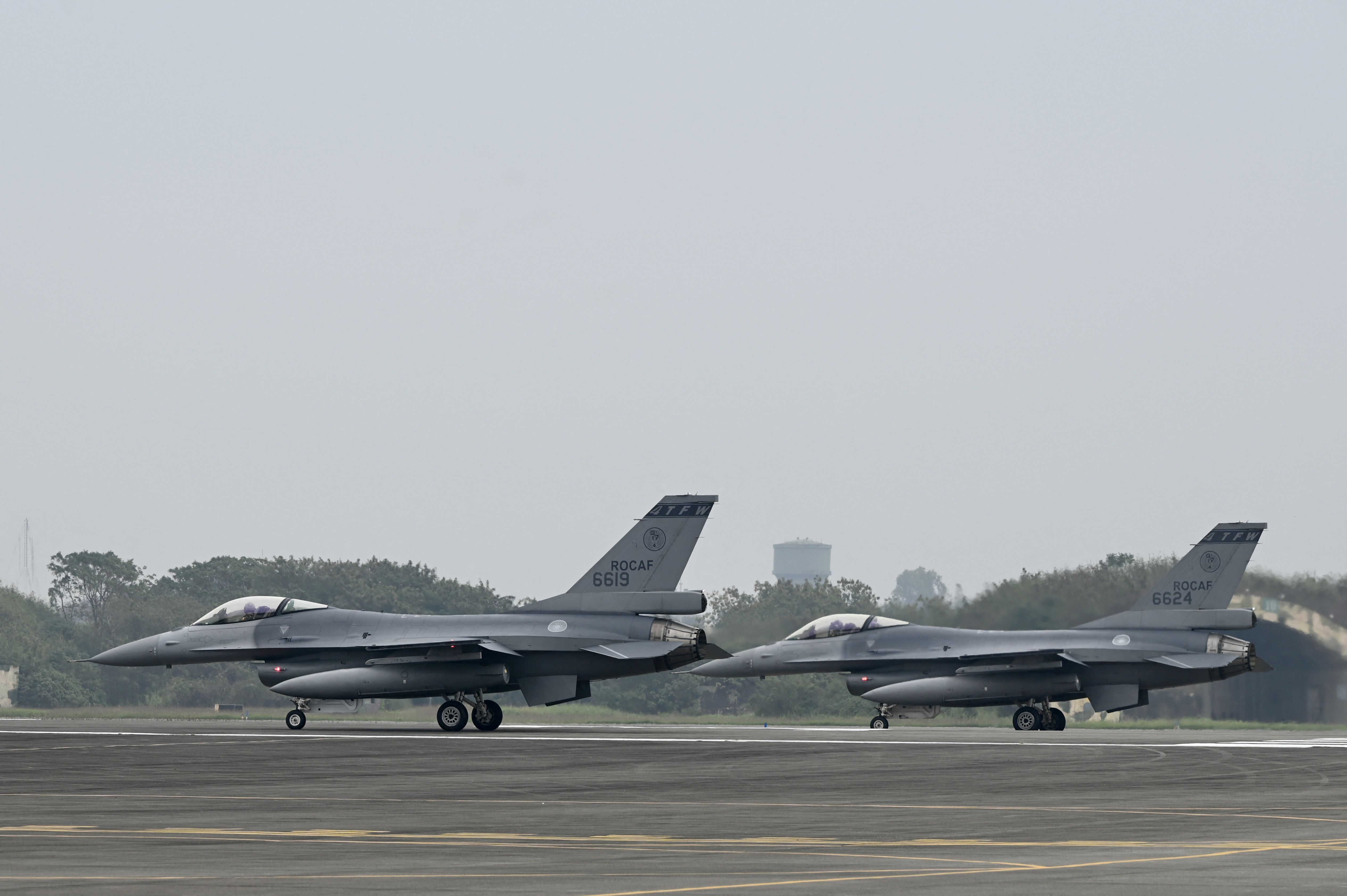
What Comes Next
Taipei’s latest confirmation that fighter jet deliveries will begin this year injects new momentum into its defence modernization plans. Experts say:
- Completion of the full 66‑jet order is necessary to significantly enhance Taiwan’s air superiority.
- Continued cooperation with Washington will be key to managing future threats.
- Rapid integration of new jets into operational units will remain a priority for Taipei.
For analysts watching the Indo‑Pacific security landscape, a timely rollout of modern fighter jets reinforces Taipei’s deterrence posture and underscores the enduring role of U.S. support in regional stability.
Read next - Politics
Taiwan F16 Delay | Cuba Power Crisis | Italy Justice Referendum | Japan Hormuz Mines | Qatar Helicopter Crash
Browse the Shop
 Acacia frida deluxe solid wood bed frame |
Bedroom bench |
Bed chest drawers |
Lingerie dresser |
Frame base |
Mirror with jewelry storage |
30 Bathroom Vanity |
Memory foam queen mattress |
Mattresses for back pain |
Nightstand set of 2 |
Grand Goldman Shop |
Civil Lawyer
Deutschland Trikot WM 2026
Acacia frida deluxe solid wood bed frame |
Bedroom bench |
Bed chest drawers |
Lingerie dresser |
Frame base |
Mirror with jewelry storage |
30 Bathroom Vanity |
Memory foam queen mattress |
Mattresses for back pain |
Nightstand set of 2 |
Grand Goldman Shop |
Civil Lawyer
Deutschland Trikot WM 2026










