

The High Line in Manhattan is a remarkable example of urban transformation, turning a defunct railway into a vibrant public park. Its story begins in the 1930s when the city sought to eliminate dangerous street-level train traffic.
Today, the High Line attracts millions of visitors annually, but its journey from industrial artery to green oasis is a tale of community activism and innovative design.
Find Original Home Decor sparking conversation at Grand Goldman Shop.

From Death Avenue to Elevated Railway
Before the High Line, trains ran at street level along Tenth Avenue, causing numerous accidents. The area was nicknamed "Death Avenue" because of the frequency of collisions between trains and pedestrians or vehicles.
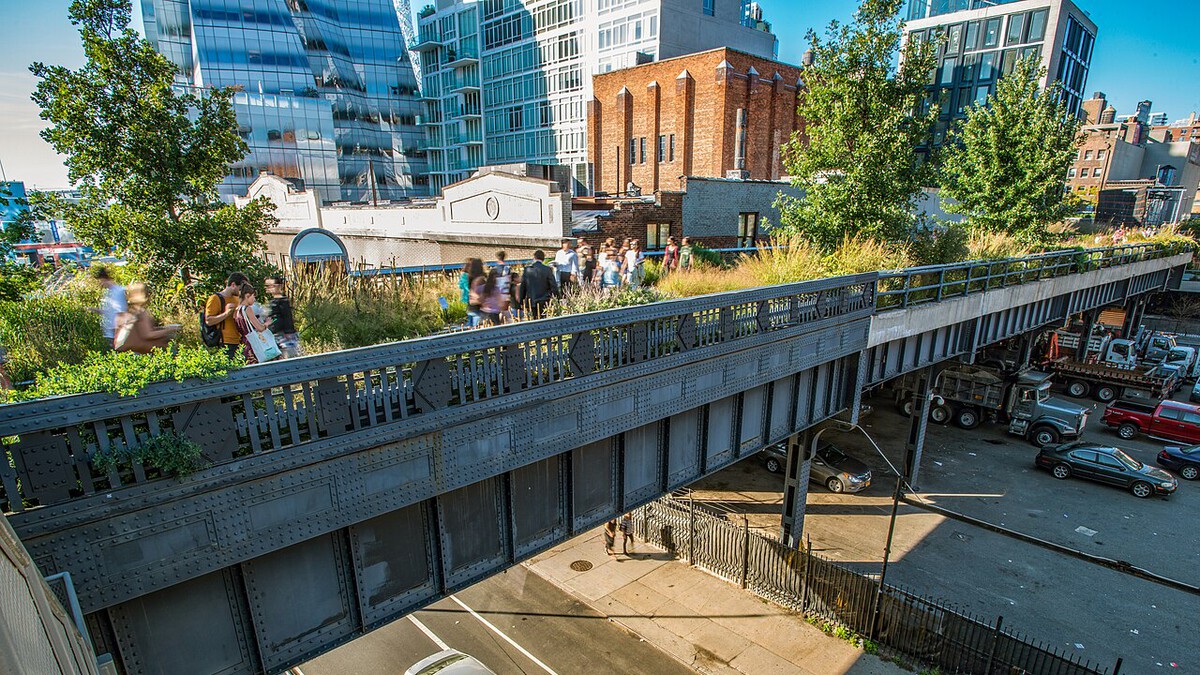
To improve safety, the city elevated the tracks about 30 feet above ground, creating a viaduct that could pass through buildings for direct loading and unloading. This engineering feat allowed goods like meat, milk, and manufactured products to be transported efficiently.
The Last Train and Abandonment
The High Line operated for decades, but as trucking became more prevalent, rail traffic declined. The final train, carrying frozen turkeys, ran in 1980, marking the end of an era.
After that, the tracks lay abandoned for nearly two decades, and nature began to reclaim the space. Weeds and wildflowers grew, creating an unexpected green corridor above the city streets.
The Unexpected Garden and Community Vision
In the 1990s, a group of local residents saw potential in the abandoned structure. They advocated for preserving the High Line and converting it into a public park, rather than demolishing it.
Their efforts led to the formation of Friends of the High Line, which championed the project and raised funds for its transformation. The design team, including James Corner Field Operations and Diller Scofidio + Renfro, envisioned a park that celebrated the site's industrial heritage while incorporating lush plantings.
- Community activism was crucial in saving the High Line from demolition.
- The park's design blends nature with industrial remnants, creating a unique aesthetic.
- It has spurred economic development and real estate investment in the surrounding neighborhood.
- The High Line serves as a model for urban renewal projects worldwide.
- It offers free public space and programming for residents and visitors.
Design and Features of the High Line
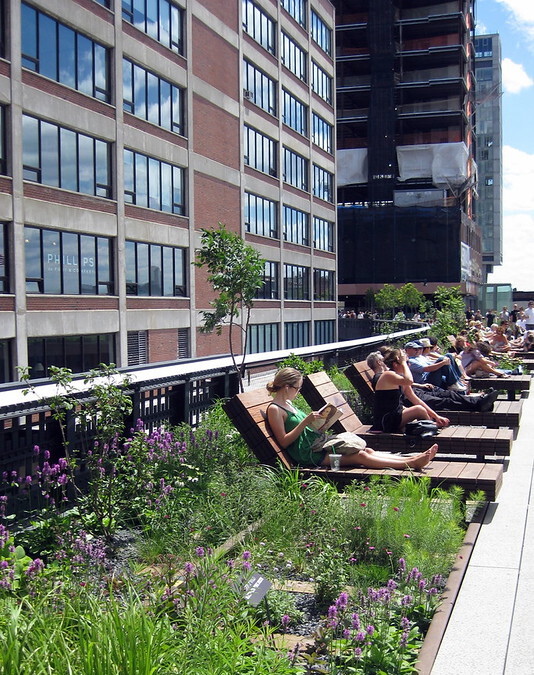
The park features a variety of landscapes, from wildflower meadows to intimate seating areas. The original railway tracks are integrated into the design, with benches and walkways that rise above the planting beds.
Art installations and performances are regularly hosted, adding cultural vibrancy. The park also provides stunning views of the city skyline and the Hudson River.
Economic and Social Impact
Since opening in 2009, the High Line has boosted local tourism and property values. It has become a catalyst for redevelopment in the Chelsea neighborhood, with new buildings and businesses springing up nearby.
However, this success has also raised concerns about gentrification and displacement of long-time residents. The park's popularity has led to overcrowding, prompting management strategies to balance visitor access with neighborhood needs. Context on how this played out before sits in High Line Manhattan: From Death Avenue to Urban Green Oasis.
Comparison with Other Urban Parks
| Park | Location | Key Feature | Year Opened |
|---|---|---|---|
| High Line | New York City | Elevated railway conversion | 2009 |
| Promenade Plantée | Paris | Elevated railway viaduct | 1993 |
| Bloomingdale Trail | Chicago | Elevated railway conversion | 2015 |
| Reading Viaduct | Philadelphia | Proposed elevated park | In development |
The High Line was inspired by the Promenade Plantée in Paris, which was the first elevated park built on a railway viaduct. Chicago's Bloomingdale Trail, also known as The 606, followed a similar model. The background to this story is set out in Trending: latest articles. A related thread runs through Hoy No Circula Saturday: Which Cars Can Drive on October.
What to Watch Next
The High Line continues to evolve with new plantings and programs. Future plans include extending the park and improving accessibility. As cities worldwide look to repurpose industrial infrastructure, the High Line remains a shining example of visionary urban planning. Earlier coverage in X2 Roller Coaster Closed After Brain Injury Reports shows how the argument developed. A closer look at the same subject appears in Basque Court Acquits Two Men in Cannabis Trafficking Case Over Stem-Weight.
Its success demonstrates the power of community engagement and the value of green spaces in dense urban environments. The High Line's legacy will likely inspire similar projects for years to come. Anyone following the wider picture can start with AI Datacenter Plan Floated for Boarded-Up San Francisco Mall. The same theme surfaces in Why People Attend High School Reunions: Curiosity, Atonement, which takes a different angle.
FAQ
What is the High Line in Manhattan?
The High Line is a 1.45-mile-long elevated park built on a former railway line on Manhattan's West Side. It opened in 2009 and features gardens, art installations, and views of the city.
Why was the High Line abandoned?
The High Line was abandoned after rail traffic declined in the 1980s due to the rise of trucking. The last train ran in 1980, and the tracks lay unused for decades.
Who saved the High Line?
A group of local residents and activists, led by Friends of the High Line, campaigned to preserve the structure and convert it into a park. Their efforts succeeded, and the park opened in 2009.
What impact has the High Line had on the neighborhood?
The High Line has spurred economic development, increased tourism, and raised property values in the surrounding area. It has also raised concerns about gentrification and overcrowding.
Browse the Shop
 Acacia frida deluxe solid wood bed frame |
Bedroom bench |
Bed chest drawers |
Lingerie dresser |
Frame base |
Mirror with jewelry storage |
30 Bathroom Vanity |
Memory foam queen mattress |
Mattresses for back pain |
Nightstand set of 2 |
Grand Goldman Shop |
Civil Lawyer
Deutschland Trikot WM 2026







