


If youre passionate about camping and want to protect the wild places you love, understanding the 200 rule for camping is essential. With decades of experience exploring backcountry trails and advising fellow adventurers, Ive seen firsthand how following this simple guideline preserves both the environment and the outdoor experience for everyone.
The 200 foot rule is a widely recognized standard in the United States, especially on public lands managed by agencies like the U.S. Forest Service and the Bureau of Land Management. It states that you should never set up camp within 200 feet of any trail or body of water-unless youre at a designated campsite.
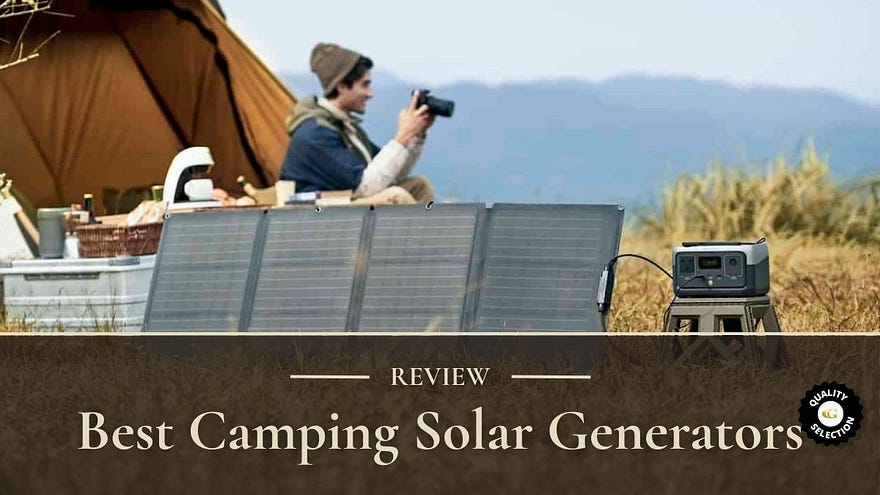
Why does this matter? Camping too close to trails can damage fragilevegetation and disrupt the solitude that hikers seek. Setting up near water sources threatens wildlife access and risks contaminating streams and lakes with human waste or litter. By respecting the 200 feet rule, youre not only following Leave No Trace principles, but also helping to keep our wild spaces pristine for future generations. That said, you should also alwaysensure you have one of the best camping solar generators for your energy needs.
Always check local regulations, as some areas may have stricter requirements or specific designated campsites. Adhering to the 200 rule demonstrates your commitment to responsible camping, environmental stewardship, and the shared enjoyment of the great outdoors.

Understanding the 200 Rule
The 200 rule for camping is a key environmental guideline that stipulates campers should set up their campsites at least 200 feet away from natural water sources. This includes lakes, rivers, streams, and any other bodies of water. By maintaining this distance, campers help protect water sources from contamination and preserve the habitats of wildlife that depend on them.
The Importance of the 200 Rule
Protecting Water Quality
Water sources in the wilderness are vital for sustaining ecosystems, supporting not only human life but also a diverse array of wildlife and plant communities. When campers set up too close to these water bodies, they risk contaminating the water with waste, soap, or food particles. Such contamination can have long-lasting effects on water quality, affecting all who rely on it. The 200 rule serves as a protective measure, minimizing the risk of pollution by keeping human activities at a safe distance from these critical resources.
Preserving Wildlife Habitats
Wildlife depends on access to clean water for survival, and their natural behaviors can be significantly disrupted when humans encroach too closely on their habitats. Setting up camp near water sources can deter animals from accessing the water they need, potentially leading to stress and habitat displacement. By adhering to the 200 rule, campers can help ensure that wildlife remains undisturbed, allowing animals to continue their natural routines in their native environments.
Reducing Human Impact
The 200 rule is also about minimizing the overall human footprint in wilderness areas. When people camp too close to water, it often leads to increased erosion and soil compaction, which can degrade the landscape over time. By keeping a respectful distance, campers contribute to the preservation of natural landscapes, ensuring these areas remain beautiful and intact for all to enjoy.

The Leave No Trace Principles
The 200 rule is part of a comprehensive set of guidelines known as the Leave No Trace principles. These principles are designed to help outdoor enthusiasts reduce their environmental impact. Here are the seven principles you should follow to ensure a minimal impact on nature:
Plan Ahead and Prepare
Proper planning is crucial for safety and minimizing environmental impact. Before setting out, research the area you plan to visit, understand the local regulations, and prepare for all weather conditions. Having a well-thought-out plan helps prevent unexpected challenges and reduces the likelihood of making hasty decisions that could harm the environment.
Travel and Camp on Durable Surfaces
Sticking to established trails and campsites is vital for protecting surrounding vegetation. When campers wander off designated paths, they can damage fragile ecosystems and contribute to soil erosion. By camping on durable surfaces like rock, gravel, or dry grass, you help maintain the natural integrity of the area.
Dispose of Waste Properly
Proper waste disposal is critical to maintaining the cleanliness of natural areas. Always pack out all trash, leftover food, and litter, leaving the area cleaner than you found it. Human waste should be buried in a cat hole at least 200 feet from water sources, trails, and campsites, ensuring it decomposes naturally without contaminating the environment.
Leave What You Find
Preserve the natural beauty of the wilderness by leaving rocks, plants, and other natural objects as you found them. This principle encourages campers to enjoy the environment without altering it, ensuring that others can experience the same untouched beauty.
Minimize Campfire Impact
Use a camp stove for cooking instead of building a fire, and only build fires in established fire rings if necessary. Fires can cause lasting impacts on the environment, from scarring the ground to depleting local wood resources. When a fire is necessary, keep it small and ensure it's completely extinguished before leaving the site.
Respect Wildlife
Observe animals from a distance and never feed them. Feeding wildlife disrupts their natural foraging behaviors and can lead to dependency on humans, which is detrimental to their health. Keeping a respectful distance ensures that wildlife remains wild and undisturbed.
Be Considerate of Other Visitors
Respect other campers by keeping noise levels down and allowing everyone to enjoy the tranquility of nature. This principle underscores the importance of sharing the wilderness peacefully and ensuring that your presence doesn't detract from others' experiences.
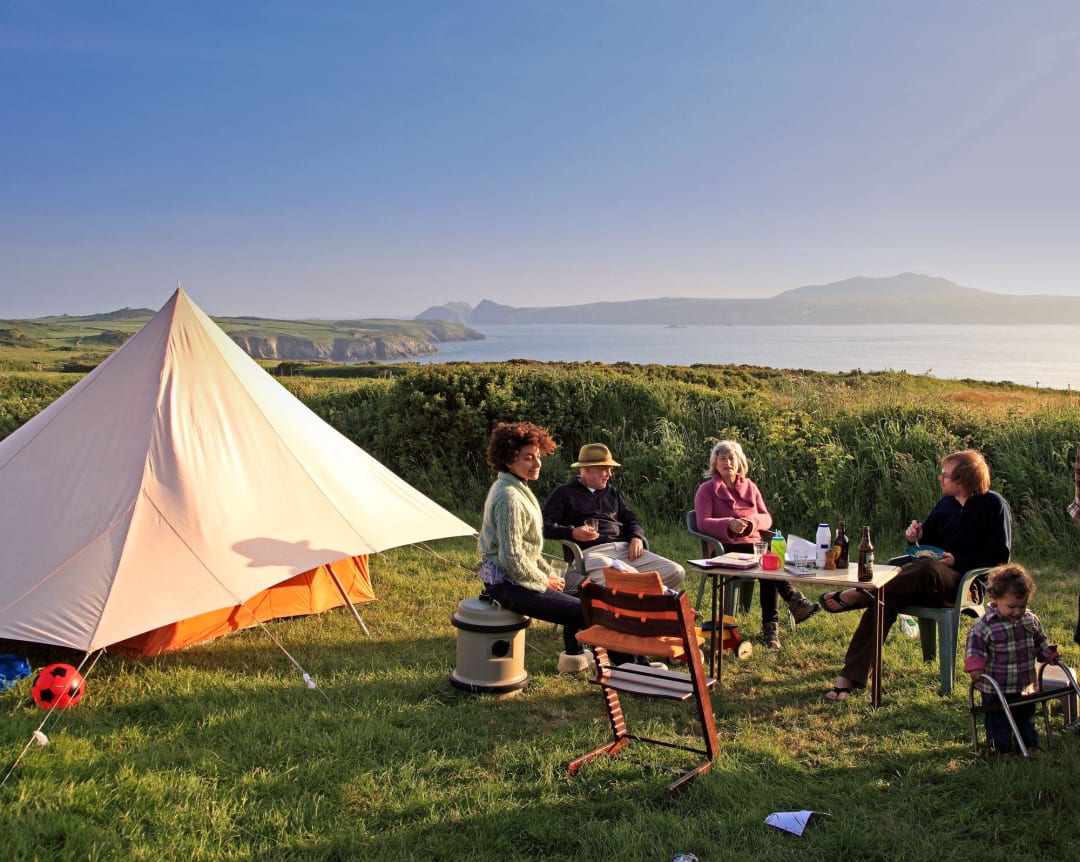
Selected Campgrounds | Best Campgrounds State Land NY | Best Free Campings NY | Best Free RV Parks Massachussets
Rules for Campgrounds
Camping in designated campgrounds comes with additional rules and guidelines that vary by location. These rules are designed to ensure a pleasant experience for all campers and protect the environment.
Quiet Hours
Most campgrounds enforce quiet hours, typically during the late evening and early morning, to maintain a peaceful environment. Observing these hours ensures that everyone can enjoy restful nights and early mornings without disturbance.
Pet Policies
If pets are allowed, they should be kept on a leash and cleaned up after. This helps prevent conflicts with wildlife and other campers, as well as maintaining the cleanliness of the campground.
Fire Safety
Campgrounds often have specific rules about where and when fires can be built. Only use designated fire pits and ensure fires are completely extinguished before leaving. This reduces the risk of wildfires and helps preserve the campground for future visitors.
Check-In/Check-Out Times
Adhering to specified check-in and check-out times allows campground staff to maintain smooth operations and ensures that sites are ready for the next campers. Being considerate of these times helps the campground run efficiently and keeps the experience enjoyable for everyone.
Discover the Best Camping Solar Generator
Camping Safety Tips
Camping can be an incredibly safe and enjoyable experience if you follow some basic safety guidelines. Here are some essential tips to ensure your trip goes smoothly and without incident:
Pack the Essentials
Having the right gear and supplies is crucial for a successful camping trip. Ensure you have a first aid kit, map, compass, and weather-appropriate clothing. These essentials prepare you for emergencies and unexpected situations, providing peace of mind in the wilderness.
Be Weather-Wise
Before heading out, check the weather forecast and be prepared for sudden changes. It's important to have appropriate clothing and shelter to protect against the elements, whether it's rain, wind, or sun. Being prepared for weather fluctuations ensures your comfort and safety.
Fire Safety
If you plan to have a campfire, understand the proper methods for starting and extinguishing it. Always have a plan for putting it out, such as a bucket of water or a shovel to cover the fire with dirt. Never leave a campfire unattended, as unattended fires can quickly become dangerous.
Wildlife Awareness
Being aware of the wildlife in the area is essential for a safe camping experience. Know how to store food properly to avoid attracting animals to your campsite, and be familiar with the behavior of local wildlife. This knowledge helps prevent unwanted encounters and keeps both you and the animals safe.
Water Safety
If your camping plans include swimming or boating, always be cautious of water conditions and wear a life jacket if necessary. Understanding the local water features, such as currents and temperature, ensures your safety while enjoying aquatic activities.
1031 Exchange and the 200 Percent Rule
The term "200 rule" can also refer to the 200 percent rule in a 1031 exchange, which involves a tax-deferred exchange of investment properties. While this concept is not directly related to camping, it's an important tool for real estate investors to understand and utilize.
Understanding the 1031 Exchange
A 1031 exchange allows investors to defer paying capital gains taxes when selling an investment property and reinvesting the proceeds in a similar property. This can be a powerful tool for building wealth over time, offering investors the ability to expand their portfolios without immediate tax burdens.
The 200 Percent Rule in 1031 Exchange
In a 1031 exchange, the 200 percent rule allows investors to identify multiple replacement properties, as long as their total value does not exceed 200% of the property being sold. This rule provides flexibility in finding suitable replacement properties and maximizing investment potential. By understanding this rule, investors can make informed decisions that align with their financial goals.
When it comes to camping and RV travel, a handful of practical rules can make your adventures safer, more enjoyable, and more respectful to nature and fellow campers.
-
The 200 Camping Rule emphasizes environmental stewardship by requiring campers to set up at least 200 feet away from trails and water sources, helping protect fragile ecosystems and wildlife habitats.
-
The 333 Camping Rule is all about travel comfort and safety: drive no more than 300 miles a day, arrive by 3 p.m., and stay at each site for at least three days, allowing for a relaxed pace and deeper exploration.
-
The 222 Camping Rule offers a similar structure but with a lighter footprint-drive up to 200 miles, arrive by 2 p.m., and stay two nights-perfect for those seeking balance between travel and rest.
-
The Golden Camping Rule, as in life, is about treating others and the environment with respect: leave no trace, keep noise down, and be considerate to fellow campers.
-
Finally, the 10-Year Rule Campground policy restricts older RVs from some private parks, aiming to maintain safety and aesthetics.
Camping responsibly starts with thenumber 1 rule of wild camping: leave no trace. To stay safe and protect wildlife, follow theTriangle Camping Ruleby separating your sleeping, cooking, and food storage areas. Always respect the camping distance from water by staying at least 200 feet from rivers, to preserve fragile habitats. If you need to camp discreetly, practicestealth camping rules. Finally, understandwhy wild camping is illegal in some statesto avoid fines and respect local laws.
Together, these rules foster responsible camping, preserve natural beauty, and ensure a positive experience for everyone on the trail.
Discover the Best Heated Camping Chair

The 200 Camping Rule - Conclusion
Understanding and adhering to the 200 rule for camping is essential for protecting the environment and ensuring a safe and enjoyable experience for all. By following the Leave No Trace principles, respecting campground rules, and practicing safety tips, you play a vital role in preserving nature's beauty for future generations.
Whether you're a seasoned camper or new to the outdoors, these guidelines serve as a valuable resource for responsible camping. Remember, the wilderness is a shared space, and it's our responsibility to leave it better than we found it. Enjoy your camping adventures while keeping the environment in mind.







