


Camping nearwateris one of the greatest joys of the outdoors, but knowing exactly how far away from water you should camp is crucial for bothenvironmental protectionand your own safety. After years of exploring backcountry sites and learning from rangers, Ive seen firsthand why the 200 feet rule is the gold standard for responsible camping.
This guideline, recommended by the Leave No Trace Foundation and widely adopted by agencies like theU.S. Forest Serviceand Bureau of Land Management, advises setting up your camp at least200 feet(about 60 meters) from anylake,river,stream, orpond.
Staying this distance from water sources helps preventcontaminationfrom soap, food, and waste, protects sensitiveriparian zones, and ensures wildlife can access water undisturbed.It also minimizes the risk offloodingfrom sudden water level changes-a real danger in many environments.While some regions, like Arizona, enforce even stricter rules, the 200-foot guideline is a widely accepted best practice for mostpublic lands.
By following this essentialcampingrule, youre not just complying with regulations-youre actively safeguarding theecosystemand ensuring a better experience for everyone who loves the outdoors. In this article, Ill break down the science, safety, and ethics behind this distance, so you can camp confidently and responsibly.
Get 10% OFF ACEBEAM High-Power Lighting Tools for Camping
1. Why Camp 200 Feet from Water?
The "200-foot rule" is a fundamental guideline recommended by many environmental and camping organizations. But why is it important, and what does it entail?
The 200-Foot Rule Explained
The 200-foot rule suggests that campers should set up their campsites at least 200 feet away from any water source, including lakes, rivers, and streams. This guideline serves several purposes:
A. Environmental Protection: Camping too close to water bodies can lead to soil erosion and water pollution. By maintaining a distance, you help preserve the natural habitat and ensure that the water remains clean for wildlife and other campers.
The proximity to water sources can lead to soil compaction and erosion, disrupting plant life and destabilizing the banks of rivers and lakes. This, in turn, can alter the flow of water and increase sedimentation, affecting aquatic life. Additionally, pollutants from camp activities, such as soap and food waste, can easily make their way into water bodies, harming the ecosystem.
B. Wildlife Safety: Animals rely on water sources for survival. By camping further away, you reduce the likelihood of disturbing wildlife and encountering potentially dangerous animals seeking water.
Wildlife such as deer, bears, and smaller animals like raccoons are attracted to water bodies for hydration and food. Close proximity to water increases the chances of human-wildlife interactions, which can be dangerous for both parties. By maintaining a distance, you allow wildlife to access their natural resources undisturbed, reducing stress on the animals and potential conflicts.
C. Flood Risk Mitigation: Weather can be unpredictable, and water levels can rise rapidly. Camping at a safe distance minimizes the risk of flash floods and other water-related hazards.
Riverbanks and lakesides are prone to sudden changes in water levels due to rainfall or upstream activities. Flash floods can occur without warning, especially in mountainous regions. Camping 200 feet away provides a safety buffer, allowing you time to react and move to higher ground if necessary.

Camping Gear Reviews
Best Dry Camping RV Batteries | Best Fiberglass Camper Wax | Best Camper Mattress | Best Water Filter for Camper | Best Deep Cycle Battery for Camper | Best Power Bank for Camping | Best Heated Camping Chair | Best Solar Generators for Camping2. Is It Safe to Camp Near Water?
While camping near water has its appeal, it comes with certain risks that need to be managed. Understanding these risks can help you prepare adequately and ensure a safe camping experience.
Potential Risks of Camping Near Water
1. Flooding: As mentioned earlier, camping too close to water increases the risk of flooding. It's crucial to be aware of weather forecasts and water levels before setting up camp.
Before your trip, check weather forecasts and hydrological data for the area. Pay attention to any warnings about rising water levels or severe weather conditions. During your stay, keep an eye on water levels and be prepared to relocate if necessary.
2. Bugs and Insects: Water bodies attract insects like mosquitoes, which can be a nuisance and carry diseases. Camping at a distance can help reduce insect encounters.
Mosquitoes and other biting insects thrive near water, especially in humid environments. These pests can carry diseases such as West Nile Virus or Lyme disease. Using insect repellent, wearing protective clothing, and choosing a campsite away from stagnant water can mitigate these risks.
3. Cold Air: Water bodies can make the surrounding air temperature drop significantly at night. Make sure you're prepared with appropriate gear if you're camping nearby.
The presence of water can lead to increased humidity and cooler temperatures, especially during the night. Ensure you have adequate sleeping gear, such as a thermal sleeping bag and insulating ground pad, to stay warm and comfortable. Layering your clothing can also help you adapt to changing temperatures.
3. Camping by Lakes: What to Consider
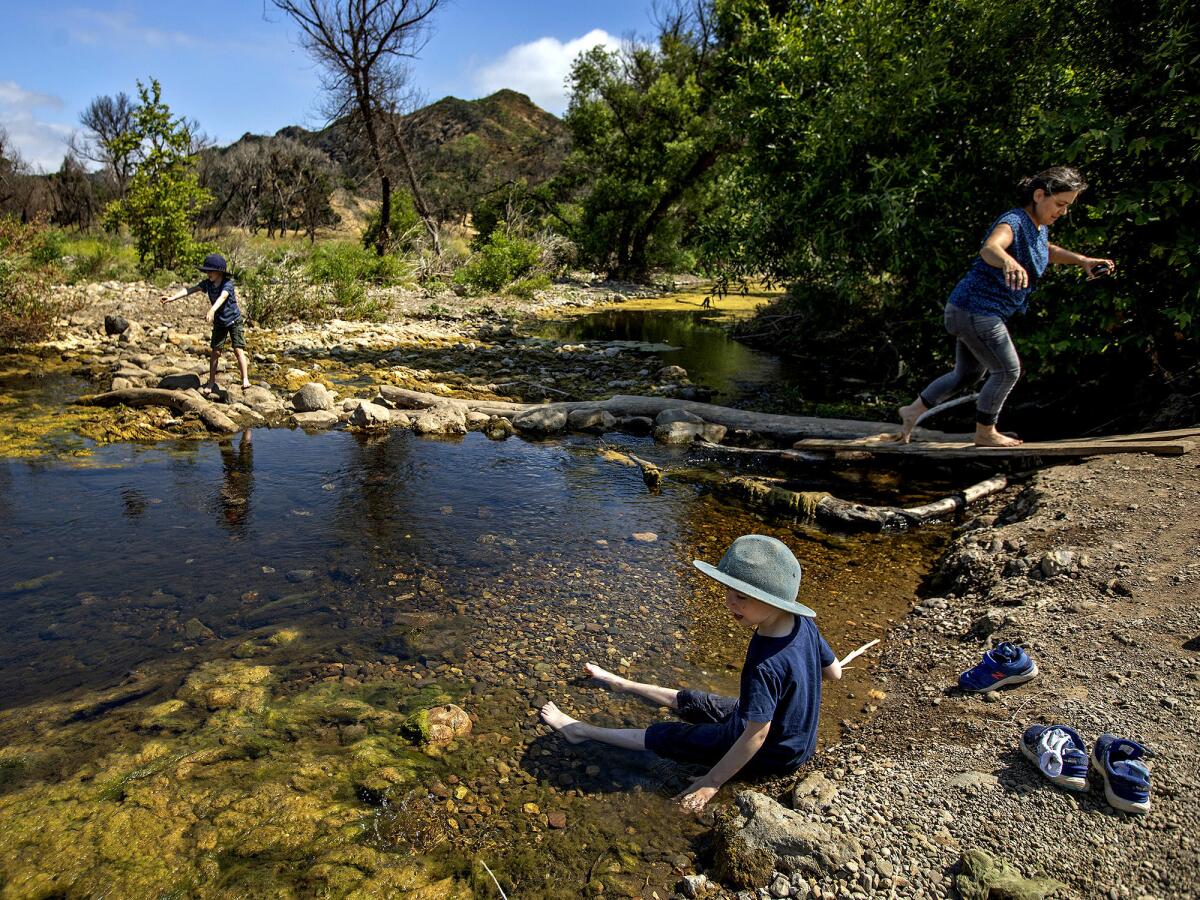
Lakes are popular camping destinations due to their picturesque scenery and recreational opportunities. However, it's essential to consider a few factors when camping by lakes to ensure a safe and enjoyable experience.
Choosing the Right Spot
When selecting a campsite by a lake, consider the following:
- Elevation: Choose a site that's elevated above the waterline to prevent flooding and ensure better views.
An elevated campsite not only protects you from potential flooding but also offers a vantage point for scenic views. High ground can also provide better drainage, keeping your campsite dry and comfortable.
- Wind Exposure: Lakes can be windy, so look for natural windbreaks like trees or hills.
The open space over lakes can lead to strong winds, which can affect your camping experience by making it difficult to set up tents and maintain campfires. Natural barriers like trees or hills can shield your campsite from harsh winds, providing a more comfortable and secure environment.
- Sun Exposure: Consider the sun's position throughout the day to maximize warmth and light at your campsite.
Position your campsite to take advantage of the suns natural warmth, especially during the morning hours when temperatures are cooler. This can help dry out dew and moisture, making your camping experience more pleasant. Additionally, having ample sunlight can enhance your recreational activities and energy efficiency if you're using solar-powered gear.

4. Camping Distance from Water: The Essentials
While the 200-foot rule is a good general guideline, there are additional considerations to keep in mind regarding camping distance from water. These factors can vary based on local conditions and regulations, so it's important to be informed.
Local Regulations
Always check local regulations and guidelines, as some areas may have stricter rules regarding camping distances from water sources. Park rangers and visitor centers can provide valuable information.
Different regions may have specific rules based on the sensitivity of the ecosystem and the presence of endangered species. Compliance with these regulations ensures the protection of the environment and reduces the impact of human activities.
Environmental Impact
Minimize your impact by sticking to established trails and campsites. Avoid creating new paths or altering the landscape, which can lead to erosion and habitat destruction.
Use existing trails to access your campsite, and avoid trampling vegetation or altering the natural surroundings. Leave No Trace principles advocate for minimizing human impact on nature, which includes proper waste disposal and respecting wildlife.

5. Water Containers: The Key to Safe Camping
A reliable water container is crucial for any camping trip, whether you're close to a water source or not. Proper water storage and management can greatly enhance your camping experience by ensuring you have access to clean water at all times.
Types of Camping Water Containers
A. Camping Water Jug: These large containers are ideal for storing water for cooking, drinking, and cleaning. They come in various sizes and are designed to be durable and portable.
Camping water jugs are often made from sturdy materials like BPA-free plastic or stainless steel, ensuring they can withstand the rigors of outdoor use. Look for jugs with easy-to-use spouts and handles for convenient pouring and carrying.
B. Camp Water Dispenser: Convenient for group camping, these dispensers make it easy to access water without lifting heavy jugs.
Water dispensers can be set up on a table or flat surface, allowing everyone in your group to fill their bottles or cups easily. They often have spigots or taps that control the flow of water, minimizing waste and ensuring efficient use.
C. Portable Water Filter: If you're planning to source water from natural bodies, a portable water filter can ensure safe drinking water by removing contaminants.
Portable water filters come in various forms, including pump filters, gravity-fed systems, and straw filters. They are effective at removing bacteria, protozoa, and sediment, making them essential for backcountry camping where treated water isn't available.
Tips for Managing Water Supply
- Estimate Your Needs: Plan for at least one gallon of water per person per day for drinking and cooking.
Calculate your water needs based on the length of your trip and the number of people in your group. Consider factors like temperature, activity level, and availability of natural water sources to adjust your estimates accordingly.
- Refill Regularly: If you're near a clean water source, refill your containers regularly to avoid running out.
Take advantage of any opportunity to refill your water containers, whether at a campground faucet or a natural spring. Staying hydrated is crucial, especially in hot or strenuous conditions.
- Conserve Water: Practice water conservation by using it sparingly for washing and cleaning.
Use biodegradable soap and minimal water for personal hygiene and dishwashing. Consider using a small wash basin to limit water use and capture greywater for proper disposal.
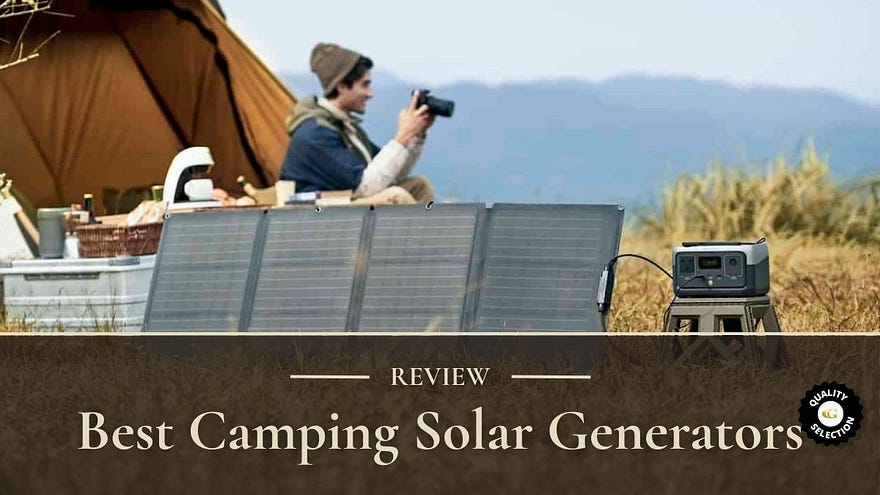
Discover the Best Camping Solar Generator
5 Golden Rules of Camping to Know
When it comes to camping and RV travel, a handful of practical rules can make your adventures safer, more enjoyable, and more respectful to nature and fellow campers.
-
The 200 Camping Rule emphasizes environmental stewardship by requiring campers to set up at least 200 feet away from trails and water sources, helping protect fragile ecosystems and wildlife habitats.
-
The 333 Camping Rule is all about travel comfort and safety: drive no more than 300 miles a day, arrive by 3 p.m., and stay at each site for at least three days, allowing for a relaxed pace and deeper exploration.
-
The 222 Camping Rule offers a similar structure but with a lighter footprint-drive up to 200 miles, arrive by 2 p.m., and stay two nights-perfect for those seeking balance between travel and rest.
-
The Golden Camping Rule, as in life, is about treating others and the environment with respect: leave no trace, keep noise down, and be considerate to fellow campers.
-
Finally, the 10-Year Rule Campground policy restricts older RVs from some private parks, aiming to maintain safety and aesthetics.
Camping responsibly starts with thenumber 1 rule of wild camping: leave no trace. To stay safe and protect wildlife, follow theTriangle Camping Ruleby separating your sleeping, cooking, and food storage areas. Always respect the camping distance from water by staying at least 200 feet from rivers, to preserve fragile habitats. If you need to camp discreetly, practicestealth camping rules. Finally, understandwhy wild camping is illegal in some statesto avoid fines and respect local laws.
Together, these rules foster responsible camping, preserve natural beauty, and ensure a positive experience for everyone on the trail.
Camping Distance from Water - Conclusion
Camping near water can be a wonderful experience when done responsibly. By adhering to the 200-foot rule, understanding potential risks, and being mindful of your environmental impact, you can enjoy the beauty of nature while ensuring your safety and preserving the environment for future adventurers.
Remember, responsible camping is all about preparation, respect for nature, and a willingness to adapt to the conditions around you. With these guidelines in mind, you're ready for a safe and memorable camping trip by the water. Embrace the serenity and adventure that come with nature, and leave only footprints behind.







