


Camping has always been one of my favorite ways to connect with nature, unwind from the digital world, and make unforgettable memories with loved ones. Yet, as Ive explored the vast landscapes of the United States, Ive discovered that the legality of camping isn't as straightforward as many assume.
In fact, camping regulations can vary dramatically from state to state, and even between different types of public lands, leading to confusion and, sometimes, unintentional violations.
Many people are surprised to learn that camping is illegal in certain areas or under specific circumstances. This isnt because states want to discourage outdoor recreation, but rather to protect natural resources, manage overcrowding, and ensure public safety. For example, most state parks and national parks enforce strict rules on how long you can stay-often limiting campers to 10'16 days at a single site before requiring them to move on.
Discover the Best Camping Water Filter

Dispersed camping on public lands, such as those managed by the Bureau of Land Management or the USDA Forest Service, is generally allowed but comes with its own set of camping permits, stay limits, and environmental guidelines.
Additionally, state laws, local ordinances, and even health department regulations can dictate where and how you can camp, with some areas requiring permits and others outright banning camping outside of designated campgrounds. Understanding these camping rules is essential-not just to avoid fines, but to respect the land and fellow outdoor enthusiasts. In this article, I'll break down why camping might be considered illegal in some states and what you need to know before pitching your tent anywhere in the USA.
Get 10% OFF ACEBEAM High-Power Lighting Tools for Camping
1. Understanding State Park Camping
State parks are popular destinations for camping enthusiasts, offering well-maintained campsites with essential amenities such as restrooms, fire pits, and picnic tables. These parks are often situated in areas of outstanding natural beauty, providing a convenient way to enjoy the outdoors while having access to necessary facilities.
However, these parks are governed by specific rules and regulations designed to protect the natural environment and ensure the safety of all visitors. These regulations are enforced by park rangers and other officials who are tasked with preserving the park's integrity and ensuring that all visitors have a safe and enjoyable experience.
Discover the Best Camping Power Bank

Why Are There Camping Rules?
Environmental Protection
One of the main reasons for strict camping regulations is to protect the natural ecosystem. Camping can have a significant impact on the environment if not managed properly. Overuse of certain areas can lead to environmental degradation, such as soil erosion, water pollution, and damage to vegetation. By regulating where and how people can camp, state parks aim to minimize this impact and preserve the natural beauty for future generations.
Wildlife Preservation
Camping rules often aim to minimize human-wildlife interactions, which can be harmful to both parties. Wildlife can become habituated to human presence, leading to increased risks for both animals and humans. Feeding wildlife or leaving food unsecured can lead to animals becoming dependent on humans or behaving aggressively. Such interactions can disrupt natural behaviors and lead to dangerous situations, thus rules are put in place to prevent these occurrences.
Visitor Safety
Regulations ensure the safety of campers by restricting activities that could lead to forest fires, injuries, or conflicts with other visitors. For example, rules about fire usage are crucial in dry seasons to prevent wildfires. Additionally, guidelines on campsite selection and behavior help to prevent accidents and ensure that everyone can enjoy the park safely.
Common State Park Camping Rules
- Permit Requirements: Most state parks require a camping permit, which helps manage the number of visitors and provides funds for park maintenance. Permits allow park authorities to track usage and plan for resource allocation, ensuring that the park can accommodate visitors sustainably. This system also helps in emergency situations, allowing authorities to know who is in the park at any given time.
- Designated Campsites: Campers are often required to use designated campsites to minimize environmental impact. These sites are chosen for their suitability and minimal impact on the environment. By confining camping to specific areas, parks can protect sensitive habitats and ensure that vegetation and wildlife are not disturbed.
- Fire Restrictions: Many parks have specific rules regarding campfires, especially during dry seasons when fire risk is high. These restrictions are crucial for preventing wildfires, which can devastate large areas of natural habitat. Campers are often required to use fire rings or portable stoves to contain flames and reduce the risk of accidental fires.
Camping Gear Reviews
Best Dry Camping RV Batteries | Best Fiberglass Camper Wax | Best Camper Mattress | Best Water Filter for Camper | Best Deep Cycle Battery for Camper | Best Power Bank for Camping | Best Heated Camping Chair

2. The Legality of Wild Camping
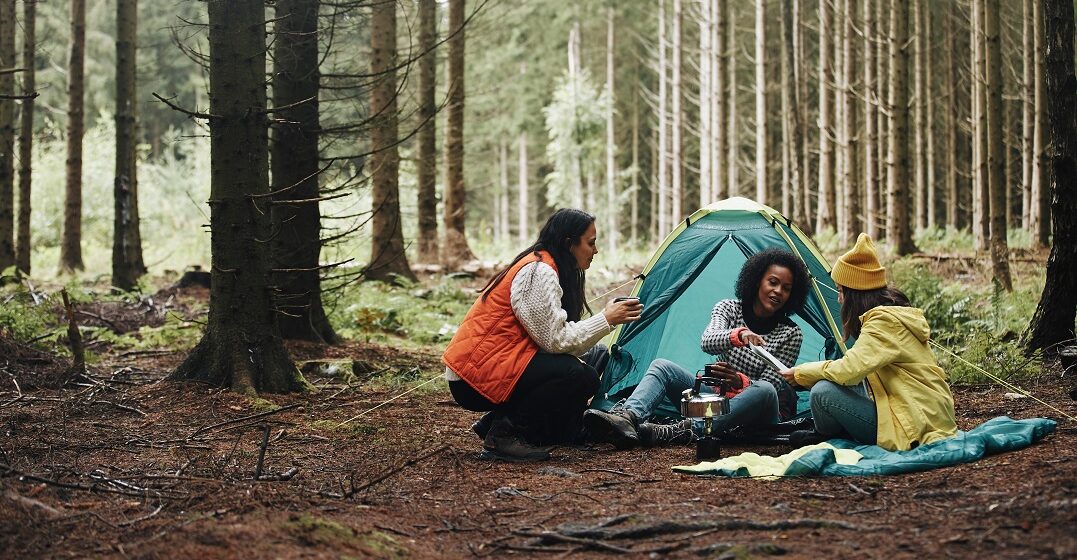
Wild camping, also known as dispersed camping, involves setting up camp outside of designated campgrounds. This form of camping is often favored by those seeking solitude and a more immersive experience in nature, away from the crowds found in established campsites. While this can offer a more secluded and adventurous experience, it often comes with legal challenges. Understanding these challenges is essential for anyone considering wild camping as an option.
What Is Wild Camping?
Wild camping typically involves pitching a tent in remote areas, away from established campsites or facilities. This type of camping is appealing to those seeking solitude and a closer connection to nature. It offers a sense of freedom and adventure, allowing campers to explore areas off the beaten path. However, it also requires a higher level of self-sufficiency and awareness of the environment and regulations.
Is It Legal to Camp Anywhere in the USA?
The legality of wild camping varies by location. In general, wild camping is allowed on certain public lands, such as national forests and Bureau of Land Management (BLM) lands, but is usually prohibited in state parks and private properties without permission. Some areas may have specific restrictions or require permits, so it's important to research the rules for each location. Additionally, wild camping on private property without permission is considered trespassing and can lead to legal consequences.
Wild Camping Rules
- Leave No Trace: Campers are expected to follow the Leave No Trace principles, which include packing out all trash, minimizing campfire impact, and respecting wildlife. This ethic is crucial for preserving natural areas and ensuring that they remain pristine for future visitors. By minimizing their impact, campers can enjoy nature without leaving a lasting mark.
- Stay Limits: Many public lands have stay limits, typically ranging from 14 to 21 days, to prevent long-term occupation of popular sites. These limits help to ensure that everyone has an opportunity to enjoy these areas and prevent overuse of particular sites. By rotating campers, the land has time to recover, reducing the risk of environmental degradation.
- Location Restrictions: Wild camping is often restricted near water sources, roads, and developed areas to protect the environment and maintain public access. These restrictions help to preserve sensitive ecosystems and prevent conflicts with other land users. By keeping camping areas away from roads and developed areas, parks can maintain a natural experience for all visitors.
Selected Campgrounds | Best Campgrounds State Land NY | Best Free Campings NY | Best Free RV Parks Massachussets
3. Stealth Camping: A Controversial Practice
Stealth camping involves setting up camp discreetly, often in areas where camping is not explicitly allowed. This practice is common among long-distance hikers and those seeking to avoid crowded campsites. While it can provide a unique and solitary experience, it also poses significant legal and ethical challenges that campers should be aware of.
Is Stealth Camping Illegal in the USA?
Stealth camping legality is a gray area. While it is not outright illegal, it often involves camping in places where it is not permitted, such as urban areas, private property, or restricted public lands. Campers engaging in stealth camping risk fines or other legal consequences if caught. The practice can also lead to conflicts with landowners or authorities, making it a risky choice for those seeking a hassle-free camping experience.
Considerations for Stealth Camping
- Respect Private Property: Always seek permission before camping on private land to avoid trespassing charges. Trespassing can lead to legal consequences and damage relationships between landowners and campers. By obtaining permission, campers can enjoy their stay without the worry of being asked to leave or facing legal action.
- Minimize Impact: Stealth campers should be especially diligent about leaving no trace and avoiding detection to prevent conflicts with landowners or authorities. This means being quiet, setting up late and leaving early, and ensuring that no evidence of camping is left behind. By minimizing their presence, stealth campers can enjoy their experience without negatively impacting the area or its inhabitants.
5 Golden Camping Rules to Know
When it comes to camping and RV travel, a handful of practical rules can make your adventures safer, more enjoyable, and more respectful to nature and fellow campers.
-
The 200 Camping Rule emphasizes environmental stewardship by requiring campers to set up at least 200 feet away from trails and water sources, helping protect fragile ecosystems and wildlife habitats.
-
The 333 Camping Rule is all about travel comfort and safety: drive no more than 300 miles a day, arrive by 3 p.m., and stay at each site for at least three days, allowing for a relaxed pace and deeper exploration.
-
The 222 Camping Rule offers a similar structure but with a lighter footprint-drive up to 200 miles, arrive by 2 p.m., and stay two nights-perfect for those seeking balance between travel and rest.
-
The Golden Camping Rule, as in life, is about treating others and the environment with respect: leave no trace, keep noise down, and be considerate to fellow campers.
-
Finally, the 10-Year Rule Campground policy restricts older RVs from some private parks, aiming to maintain safety and aesthetics.
Camping responsibly starts with thenumber 1 rule of wild camping: leave no trace. To stay safe and protect wildlife, follow theTriangle Camping Ruleby separating your sleeping, cooking, and food storage areas. Always respect the camping distance from water by staying at least 200 feet from rivers, to preserve fragile habitats. If you need to camp discreetly, practicestealth camping rules. Finally, understandwhy wild camping is illegal in some statesto avoid fines and respect local laws.
Discover the Best Camping Solar Generator
4. Is Camping Only an American Thing?
Camping is a popular activity worldwide, but its cultural significance and the legal framework surrounding it can differ greatly from one country to another. While the USA offers vast public lands and a well-established camping culture, other countries have their own unique approaches to camping that reflect their landscapes and cultural values.
International Camping Perspectives
Europe
In many European countries, wild camping is more restricted, with designated areas and strict regulations. However, countries like Scotland have more liberal policies, allowing wild camping with some restrictions. In Scandinavia, the concept of "Allemansrtten" or "Everyman's Right" allows for more freedom in camping on public lands. Each country has its own set of rules and traditions, making it important for campers to research and respect local customs.
Australia
Known for its vast wilderness, Australia offers numerous camping opportunities, but like the USA, it has specific regulations to protect the environment and ensure safety. The country's diverse landscapes, from deserts to rainforests, require different considerations for campers. Understanding the unique hazards and regulations of each region is essential for a safe and enjoyable camping experience.
Camping Laws in USA: Conclusion
Camping in the USA offers a diverse range of experiences, from the structured environments of state parks to the adventurous spirit of wild camping.
However, understanding the legal landscape is essential for a safe and enjoyable trip. Whether you're exploring national forests or setting up a tent in a state park, respecting camping rules and regulations helps preserve these natural spaces for future generations. Always research the specific guidelines for your chosen destination to ensure compliance and avoid legal issues.
Discover our review of the Best Heated Camping Chairs

By embracing responsible camping practices, you can enjoy the great outdoors while contributing to the conservation of America's beautiful landscapes.
Respect for nature and adherence to regulations not only enhance your own experience but also ensure that these cherished spaces remain accessible and pristine for years to come. Whether you're a seasoned camper or new to the activity, a commitment to responsible camping will enrich your adventures and support the preservation of natural habitats.







