


I always wanted to have an oriental door, for that reason today we show you how to build Shoji screen doors the easy way.
I wanted to replace the doors on my closet with something that would fit better with the furniture I built and the renovations I've been doing in my house.

I've always hated diverting doors on closets:
They make a closet look dark and cramped, it's a pain to use, and it always seems like what you want to get to is the side where the doors currently are, so there are a lot of sliding doors, clunky, etc.
I wanted some closet doors that were lightweight, airy, and had full access to the entire closet at once, so I went with bifold doors.
Now, I know what you're saying "Folding doors?!" Are you kidding?"
Because each installation is quite unique (your closets are not going to be exactly the same size as mine) I will not give a detailed set of plans. I'm assuming (dangerous, I know) that you have a modicum of woodworking skill before tackling a project like this. Although it is a fairly simple project, it requires some precision.
Video on how to build Shoji screen doors:
Click to see the Video.
You don't need to have a shop full of tools to build something like this, however, you'll have to make up for the tools you're missing (like a jointer and planer) with exceptional hand tool skills or a trip to a Cabinetry where they can size the lumber for you.
For those familiar with traditional Shoji design, construction and installation, you will see that I used many...
"Alternative methods" that work, but are not exactly "traditional", I hope the Shoji gods forgive me 🙂
How to design, build and install Japanese screens, to anyone interested in traditional construction and installation.
Steps to build Shoji screen doors:
#1: Previous Design

It all started when I started renovating my master bedroom.
I know, I know, who would want to get rid of these beauties?
The vinyl-covered pressure board was all the rage in 1970s homes...
These doors were quite beat up and leaning, and were definitely difficult to live with.
I salvaged the pressure board to make router templates and the aluminum and steel in the frames to have on hand for reinforcements in other projects.
#2: Sizing the wood


Traditional Shoji are made from a variety of woods, most of which are expensive and quite difficult to find in the sizes you would need to make screens like these.
I chose Poplar because it is readily available, easily machined, has a good finish, and is easier to find in larger (thicker) dimensions in my area.
I guess technically you could buy thinner stocks and stick in your own thicker stocks, but I'll leave that up to you to decide.
There are 16 total studs in this project (the vertical sides of the door panels) that will require you to find some 8' x 8/4 (2″ thick) stock that is fairly straight, and you will end up machining a lot of the material to achieve flat, straight pieces, so buy a lot more.
Final dimensions on the studs: 1 3/16″ thick by 1 5/8″ wide. End on rails: 1 3/16″ thick by 3 1/2″ wide.
Kumiko are 1/4″ wide and 3/8″ deep. I also want to mention that I always make several extra pieces in any assembly like this, it's just a good habit to do.
I don't think I built anything and I regret having extra pieces as I inevitably mess up at least ONE of them.
The ever-useful board trick: Let's say you have a board that's perfect in almost every way except that it's tilted lengthwise.
This can be saved by splitting the board along its length (as close to the middle as possible) and then flipping the pieces so they are facing each other (leaning over each other) and gluing them together again, preferably holding them against a ladder. edge while they dry.
The "tilt" forces on the board will cancel outn mutually and will give you a straight board. I use this technique a lot and it allows me to make use of stock that I would otherwise have to reject.
It's also worth noting that for the vast majority of gluing, I use polyurethane glue, my preferred brand is Gorilla Glue.
I also use carpenter's glue, usually Titebond, but yellow adhesives should never be used on laminations, as yellow glue remains liquid (like glass and asphalt) and the seams "creep" over time, so for the board trick, you should use polyurethane.
#3: Alternative Kumiko Method

So this is where I break with tradition. Alternative Method #1:
As you can see in the illustration above, the traditional Kumiko are half-fitted into the frames.
This is incredible, and it is necessary in the case of traditional Shoji because traditional shoji do not use any glue.
In the version of Shoji I'm making, I'm using a simplified kumiko, which in my case is held in place with a drop of glue and a friction fit, and works very well.
I machined my stock Kumiko based on the width of the router bit I was using to cut the grooves and half-round joints, which makes the kumiko a little "smaller" so that the press fit would require a little effort, but would be self-sufficient.
#4: Machining the uprights


I really believe in templates and accessories.
The amount of time spent building them pays for itself dramatically in speed and accuracy, and they will be used later if you need them again.
Templates can be as simple as a board screwed to another board, or as complex as machined polycarbonate and UHMW plastic, it just depends on what you need to do and how much you plan to use it.
I built a handful of simple templates for this project, and it was worth the time.
I start this part by sorting and matching the studs, finding which boards are best for each.
Which sides of those boards should face in and out, and be sure to mark them so you can easily identify them.
Once paired, I placed them face down on my bench (an old door from a school that was being renovated) and faced them against a block screwed to the table (to keep them flush) and then clamped them.
I'm going to cut the slots for the kumiko using a router and a template.
#5: Kumiko Machine


The hip joints of the Kumiko are cut in the same way that the slots were cut in the uprights.
It is essential to keep parts tightened firmly, as vibration from loosely fastened parts will level sloppy joints at best and destroy stock at worst.
The Kumiko are stabilized by a series of alternating joints.
You will cut at all other marks, then turn all the pieces over and cut the alternate slots.
In complex Kumiko patterns, the joins can be a challenge to follow, it is quite easy to cut the wrong side.
Take your time, make sure you "make sure" you are trimming in the right place - triple check before turning on the router.
It's easy to get caught up in the moment and make a mistake. At least, it is for me. Fortunately.
The pattern I used was pretty basic and the parts were reversible which was nice.
Once again, these Kumiko were sized for a friction fit in the grooves cut by the router bit I was using.
p>The router bit was cutting a slot that was almost exactly 1/4″ wide, so I machined the Kumiko to a thickness of about 9/32″.
You should make some test joints to make sure the thickness you set will be appropriate. a nice tight fit without being overly compressed.
#6: Assemble the Kumiko


Assembling the Kumiko can be likened (in a crude way) to weaving.
Alternating lap joints create a strong, stable and self-supporting structure.
The precision in its joints pays off with a nice, tight lattice that is surprisingly strong and light.
I used a small bead of polyurethane glue on each joint, but be very careful with the glue as it will expand (assuming polyurethane is what you're using) and those little squeeze bubbles are a pain to clean up.
#7: Machine the rails

Since the rails only had two cuts, I built a quick jig and positioned it so all I had to do was cut the slot.
Turn the pieces 180 degrees and cut the other slot.
Note again that the rails are clamped face to face (edge to edge) so that the router bit does not skip them.
#8: Assemble the frames


Once again, the pieces are sorted and assembled into sets and marked.
I'm a big fan of blue painter's tape and a permanent marker.
The more things you check, the less chance you have of putting something in the wrong place or forgetting where something goes.
A small 1/16″ chamfer is cut on all edges of all frame pieces.
I use a small block plane to do this as it is much faster than any other method.
This chamfer adds a nice detail, makes the corners harder to damage, and also allows a little wiggle room in assembly.
This is also departure #2 from tradition: traditional Shoji screens use a wedge-and-tenon structure in the frames. I'm not that patient, at least not with closet doors 🙂
I decided to use biscuits because it made construction extremely easy and when used correctly, biscuit joints are very strong.
This is a place where I will use yellow glues.
By the way, the moisture in the glue helps the cookies expand within the joint, which creates a very strong bond.
#9: Assemble and finish the door panels


Due to the structure of Shoji: having many fine edges and many faces to finish.
I decided it would be best if I sanded and finished the separate frames of the louvers (Kumiko) and assembled them once they were finished.you. This also reduced the chance of breaking a lattice with an errant hand, or a dropped mallet, or whatever.
I used a combination of NGR stain and tinted conversion varnish for the finish.
I sprayed the NGR stain with an HVLP conversion gun, let it dry, and then followed with the tinted conversion varnish (tinted with universal dyes).
This gives it an extremely dark color, but still has transparency that allows you to see the grain of the wood.
Actually, you could use almost anything for the finish, it just depends on the look you want and the strength you need: acrylic enamel, water-based polyurethane, it's up to you.
Once the finish dried to a point where it could be roughly handled, about 12 hours in this case, I was able to assemble the Kumiko into the frames.
#10: Shoji Equipment and Paper


NOTE:
It is a very good idea to INSTALL the doors BEFORE attaching the paper (see Step 10).
Install your equipment in the frames, install them in the cabinet, adjust them according to the instructions, then remove them from their mounts and install the paper.
This will make the final installation much smoother and reduce the risk of damaging the paper.
The Shoji paper I used is actually very strong: it is a 45mm thick PVC coated paper.
It's not so much like paper as it is like thin plastic: I'm not worried about punching a hole, at least not easily.
The paper came in rolls that were wide enough that I could get four "strips" from each roll, so I only needed two rolls.
I used a fairly heavy paper (you could also easily get away with one of the .3mm papers) and they would be less expensive.
The hinges and hardware are easy to install; just follow the instructions.
The paper is also quite simple: it is installed with a very strong double-sided tape that you will need to obtain from the same source as your paper.
The tape makes installation very quick and hassle-free, and after several months of use I haven't seen any indication that anything is coming loose.
#11: Installation
Without a doubt, building Shoji screen doors is an excellent idea that you can do for your home.


My house does not have a straight wall and my closets were no exception.
I was forced to build a valence around the doors to ensure the frames had visual width all the way, which added another day and a half to the project.
Hopefully your house is square and vertical, and you won't have to do anything like what I had to do.
I wanted to point out that I would "highly" recommend adjusting all the equipment and setting it up before installing the paper.
It's very nice to be able to go through the doors when you install them, not to mention you don't have to worry about damaging the paper.
Once they go in and work smoothly, you can take them out, install the paper, and reinstall them.
I also installed lights in all my closets (I hate dark closets) and the Shoji make a really sweet night light if you like thatthat kind of thing 🙂
Popular Content
How to make a rocket stove for outdoors
Cardboard Drawers Lined with Jeans
Ideas and Advantages of Window Grilles for the Home!
Latest Articles
How to make a refrigerator out of insulating material: Practical step-by-step guide
How to make a Kilim for the Home: Complete Step by Step Guide
How to protect ourselves from accidents in our workplace: Complete prevention and safety guide
Related Content
Know How to Make a Rustic Style Sliding Door!
Build Vinyl Frames to Decorate your Wall
How to Make a Multifaceted Lamp
Small Wooden Shelf for Fruits and Vegetables
Creative Home Decor Ideas to Transform Every Space
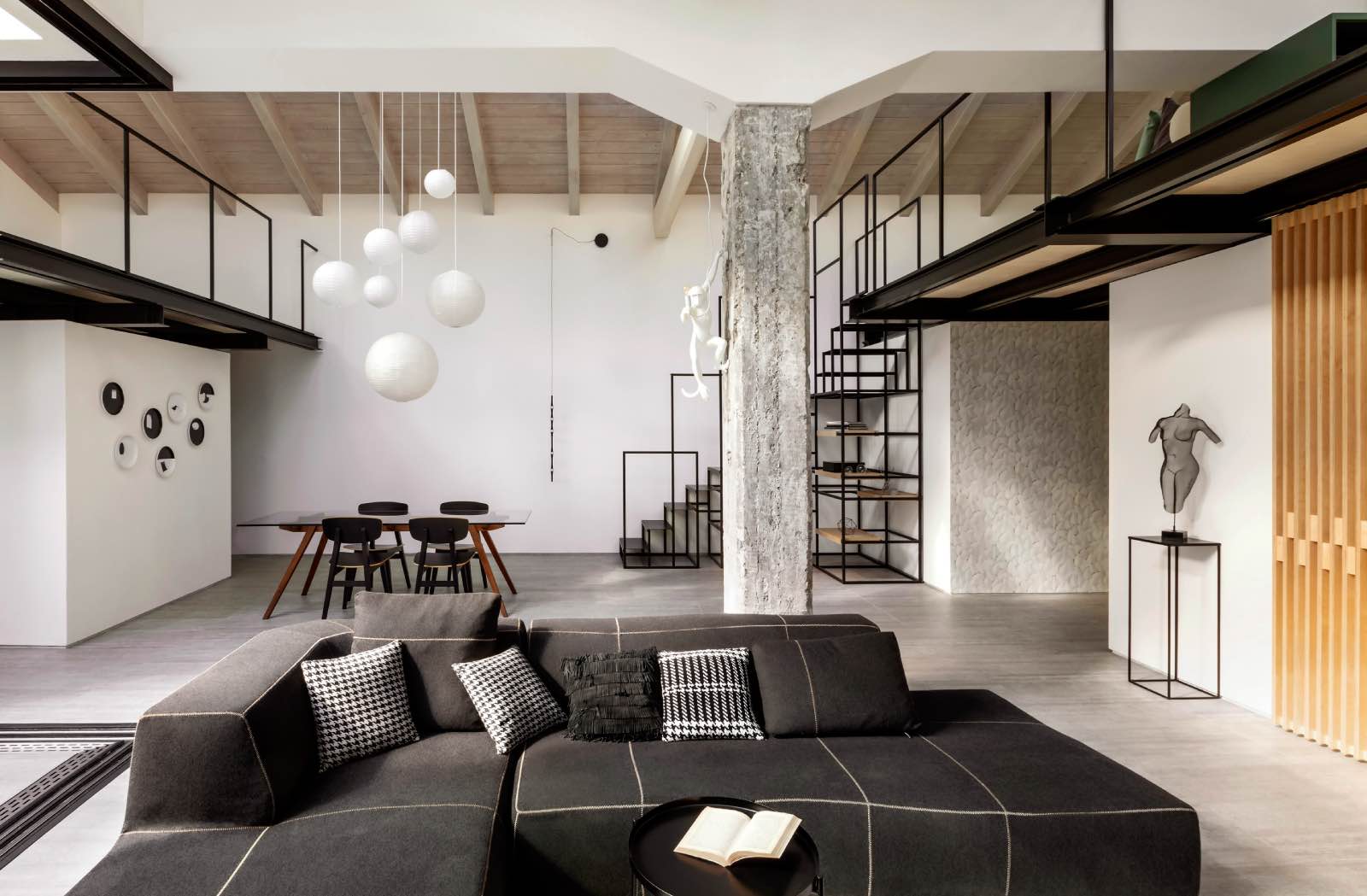
Refreshing your home starts with smart design choices that combine comfort, personality, and functionality. Whether you want to modernize a small apartment, upgrade outdoor areas, or create cozy rustic interiors, these trending ideas can completely change the atmosphere of your space.
Outdoor Spaces That Increase Style and Functionality
Outdoor living continues to dominate modern home trends. Homeowners are increasingly investing in practical entertainment zones inspired by these BBQ shed ideas, which create the perfect setup for gatherings and weekend cooking sessions.
First impressions also matter when designing exteriors. Elegant farm entrance gates design ideas help properties stand out while improving privacy and curb appeal.
Compact living solutions are also gaining popularity. These inspiring 16x40 shed house interior design ideas show how smaller spaces can still feel luxurious and functional.
To enhance patios and entryways, homeowners are adding stylish protection with these creative porch awning exterior DIY ideas that blend aesthetics with practicality.
Rustic and Cozy Interior Design Trends
Warm and natural interiors remain timeless. These charming rustic decor ideas combine wood textures, vintage accents, and earthy tones to create welcoming spaces.
Bedrooms are becoming more personalized with curated wall arrangements. Many homeowners use these stylish picture wall ideas for bedroom spaces to display memories and artwork creatively.
Textured wall treatments are another major trend. Installing a board and batten wall adds architectural character while keeping interiors elegant and modern.
Similarly, bold accent wall ideas can instantly transform plain rooms into eye-catching focal points without requiring a full renovation.
Smart Kitchen and Organization Inspiration
Functional kitchens are essential for modern homes. These practical kitchen wall cabinet ideas maximize storage while maintaining a clean and stylish appearance.
Organization also starts at the entrance. Well-designed mud room ideas help families keep shoes, coats, and daily essentials neatly arranged.
Colorful and Personalized Home Styling
Vibrant interiors are becoming increasingly popular thanks to playful dopamine decor ideas that use bright colors and joyful accessories to improve mood and energy.
Gallery walls also continue to evolve as a major decorative feature. These trendy gallery wall inspiration ideas offer creative ways to combine prints, photos, and statement art.
Young renters and new homeowners are especially embracing these stylish first apartment aesthetic ideas to create sophisticated interiors on a budget.
Finally, selecting the right shades can dramatically influence any room’s atmosphere. These modern trendy color ideas help homeowners choose palettes that feel fresh, elegant, and timeless.
Final Thoughts
From rustic charm and colorful interiors to outdoor entertaining areas and functional storage solutions, today’s home decor trends focus on creating spaces that feel both beautiful and livable. By combining smart layouts, modern textures, and personalized decorative elements, any home can become more stylish, comfortable, and inspiring.










