

Electronic locks have become an increasingly popular option to protect homes, offices and businesses. That doesn't mean that systems can't fail, and today we focus on the most common problems they present and how to avoid them.
- AI knocks on your door. Top best Smart Locks for 2025
Their comfort, advanced security and the possibility of managing them remotely make them very attractive compared to traditional locks. But it is advisable to know in depth how it works.
Find Bleeding Edge Supplements at Scandalous Prices on iHerb.

Can electronic locks fail? Common problems and how to avoid them
Like any technological device, they are not without problems. Can they fail? The short answer is yes, although with good maintenance and some precautions, most of these problems can be easily avoided.
Today we explain all the inconveniences that may arise and how to deal with or prevent them, because your safety and comfort always comes first.
Electronic locks: security and convenience
An electronic lock is a closing system that uses electronic means of opening and closing a door , instead of relying solely on a traditional mechanical key.
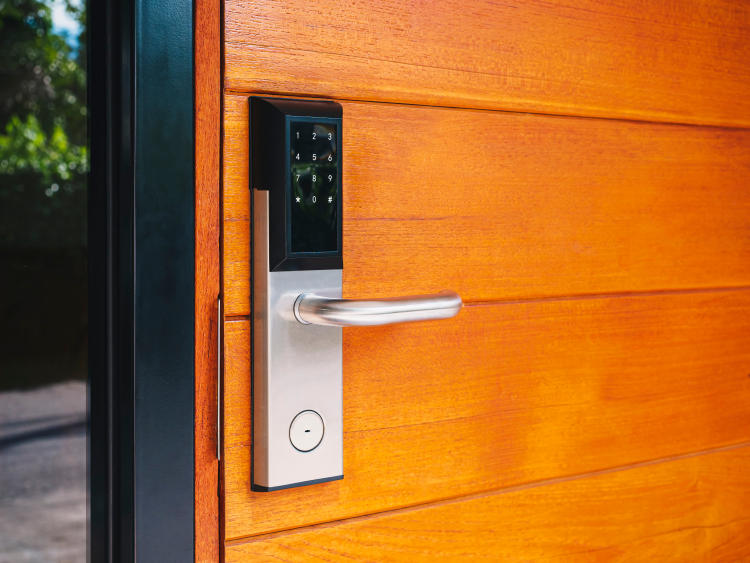
They can work through passwords, proximity cards, fingerprints fingerprints, remote commands or even through mobile applications . An example is the electronic car lock.
Although some electronic locks maintain a traditional cylinder as a backrest, the vast majority allow manage access digitally, offering options such as granting temporary permissions, monitoring who comes and goes, or activating remote door locking. Some of its advantages are:
Greater comfort
Olvi Giving up the keys is no longer a problem. You can open the door with your cell phone, your fingerprint or a code. This is especially practical when you have your hands full or if you need give access to other people without having to make copies of keys.

Access control
Many electronic locks allow record who has entered and at what time. Additionally, you can grant temporary access to family, friends or service personnel (such as cleaning or repairs) and revoke them at any time.
Improved security
Although no lock is 100% invulnerable, electronic systems offer more layers of protection, such as built-in alarms against sabotage attempts, automatic locking after several failed attempts or Remote control to open or close doors.
Integration with home automation systems
If you have one smart home, can integrate the lock with other devices such as security cameras, alarms or voice assistants, creating automated systems even safer and more comfortable. An example is locks compatible with Google Home.
Emergency backup
Most models offer emergency solutions, as backup physical keys, external power in cases of dead battery or remote unlock through the cloud.
You have to keep in mind that electronic locks are not the same as smart locks. A smart lock has some features that electronic ones do not have. The main difference is that The smart lock is a home automation element, while electronics is not.
This distinction translates into smart locks they can connect to a network, either via WiFi or Bluetooth. Thanks to this, they are programmable and can be opened and closed remotely.
Common problems with electronic locks and how to avoid them
Battery failures
One of the most frequent problems is battery depletion. Many electronic locks work with batteries or rechargeable batteries, and if these are completely discharged, the lock could lock or become unusable until the power source is recharged or replaced.
Connectivity issues
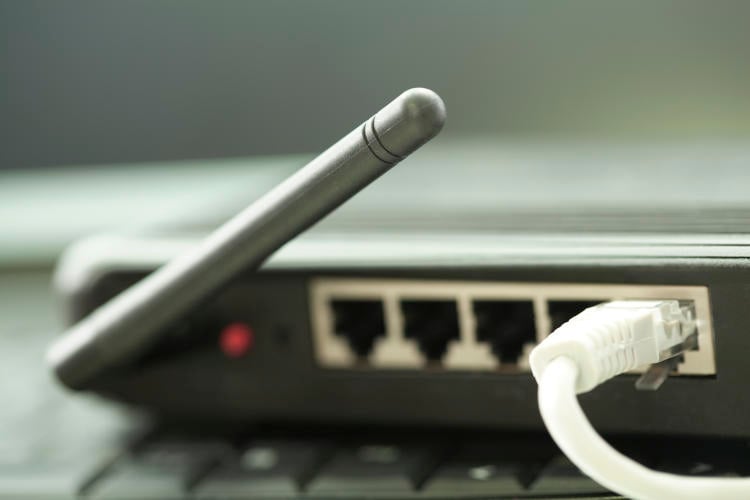
Some smart locks connect to WiFi networks, Bluetooth, or home automation systems. connection loss or one unstable signal can prevent you from accessing remotely or receive notifications, leaving some of the functions unusable most important.
mechanical failures
Although the opening system is electronic, many locks They still have internal physical mechanisms. Wear of parts, dirt or poor installation can cause blockages, jams or even breaks that prevent operation correct.
Software errors
Like any smart device, electronic locks depend on software that manages their functions. Failures in updates, bugs or incompatibilities with applications can affect access, logging or remote connection.
Tampering or external attacks
Although they are safer than traditional locks, Electronic locks are not invulnerable. Hacks, brute force attacks or techniques physical sabotage they can compromise security if the lock is not properly configured or protected.
And how can we avoid these problems? We leave you some key tips:
Check and change batteries regularly
A good practice is don't wait for the battery to run out full. Many electronic locks warn in advance When the battery is low: Pay attention to these alerts and always have batteries or chargers spare on hand.
Some models even allow configure notifications on your mobile so that you never forget.
Ensure a good connection
If your lock depends on WiFi, make sure the signal in the door area is strong and stable. In case of frequent failures, you can choose to install a WiFi repeater nearby or use locks that connect via Bluetooth directly to your mobile avoid depending on the network at all times.
Mechanical maintenance
Although it may not seem like it at first glance, it is important Clean and check the mechanism from time to time. Lubricate moving parts with appropriate products (without overdoing it) and make sure that no dirt or debris that may affect the closure.
If you notice that the door rubs or is difficult to close, adjust it as soon as possible to avoid forcing the lock.
Keep software and firmware updated
Whenever he manufacturer releases an update, install it. Many updates not only improve performance, but also fix bugs and strengthen security against possible vulnerabilities.
Keeping software and firmware up to date is key to avoid failures performance and safety risks.
Strengthen digital security
Use secure passwords and, if your lock allows it, activate authentication systems of two factors. Correctly configure access permissions, especially if you share digital keys with family, employees or tenants.
It is also recommended change default credentials as soon as you install the device.
Choose quality models
Not all electronic locks are the same. When choosing, go for recognized brands and models that have safety certifications. A cheap lock can be expensive if it fails at the least opportune moment or if it is easily vulnerable to attacks.
Finally, just in case, despite everything, an unforeseen failure occurs, most electronic locks have emergency systems, as hidden physical keys, external backup batteries or manual openings.
Make sure you know how these options work before a problem occurs. If the fault cannot be easily resolved, it is best to contact a specialized technician or the manufacturer's support service to avoid further damage.
En Yoigo Alarms We help you prevent and reinforce your physical and digital security, and make your home and business much safer in 2025. To do this, you can enternuestra webor call 900 622 398.
Browse the Shop
 Acacia frida deluxe solid wood bed frame |
Bedroom bench |
Bed chest drawers |
Lingerie dresser |
Frame base |
Mirror with jewelry storage |
30 Bathroom Vanity |
Memory foam queen mattress |
Mattresses for back pain |
Nightstand set of 2 |
Grand Goldman Shop |
Civil Lawyer
Deutschland Trikot WM 2026
Acacia frida deluxe solid wood bed frame |
Bedroom bench |
Bed chest drawers |
Lingerie dresser |
Frame base |
Mirror with jewelry storage |
30 Bathroom Vanity |
Memory foam queen mattress |
Mattresses for back pain |
Nightstand set of 2 |
Grand Goldman Shop |
Civil Lawyer
Deutschland Trikot WM 2026










