

La home securityhas come a surprising path in recent decades. From traditional methods such as bars and locks to smart home automation systems connected to the cloud, the evolution of protection at home It has been incredible.
- The best home automation configurations to protect your home when you are away
The protection of our homes has become an issue thatcombines technology, efficiency and comfort.
Find Bleeding Edge Supplements at Scandalous Prices on iHerb.

Evolution of home security: from bars to home automation
This article analyzes the evolution of home security, reviewing classic devices, the arrival of electronics and the era of home automation, in addition to offeringTips for integrating these systems into everyday life.
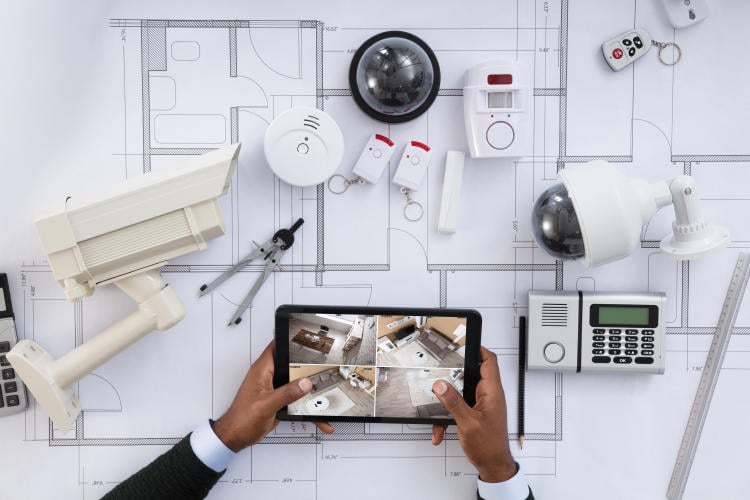
Traditional security: bars and locks
Before modern technology, home protection relied almost exclusively on physical barriers. Thebars and locks have been the most common mechanisms for centuriesto prevent unauthorized access.
security bars
Bars are an old and effective way to protect windows, terraces and access to the home.They not only deter intruders, but also prevent household accidents., especially if there are small children at home.
Types of bars
- Fixed bars: Made of iron or wrought iron, they are very resistant and protect vulnerable windows and accesses. Hisinstallation is permanent, offering maximum security. They limit the complete opening of the window.
- Folding bars: Mounted on hinges, they can be opened when needed, combiningsecurity and functionality. They include locks for added protection. Ideal for ventilation or cleaning.
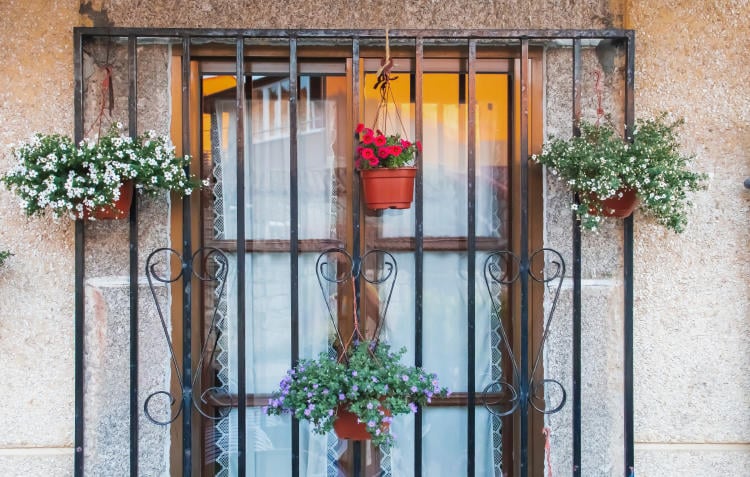
- Removable bars: Modular and easy to remove or reposition. Perfect for interiors or tenants who do not want permanent changes. They offermoderate security.
- Extendable bars: They fold and unfold as needed, used in shops or garages. They take up little space and protect large accesses. Areeasy to handle and resistant.
- Bandit bars: Designed for sliding windows, they prevent the panels from sliding out of the guide. They are discreet and resistant.They maintain safety without affecting light or aesthetics.
- Decorative grilles: combinesecurity with designaesthetic. Available in multiple materials and styles. They protect without affecting the appearance of the home or business.
Locks and mechanical systems
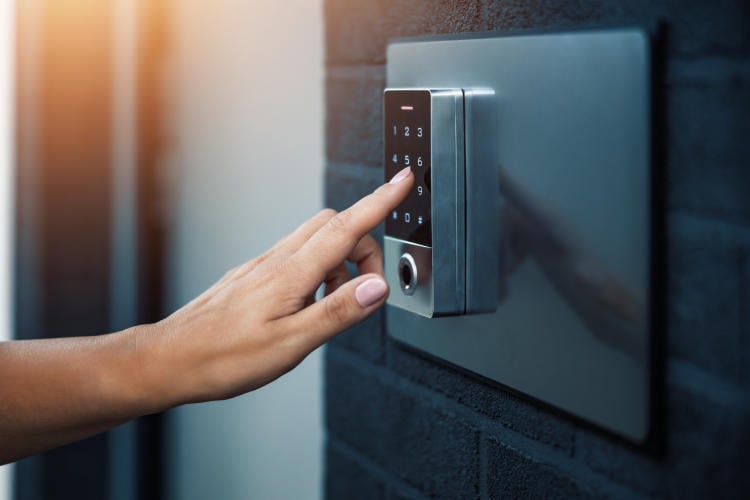
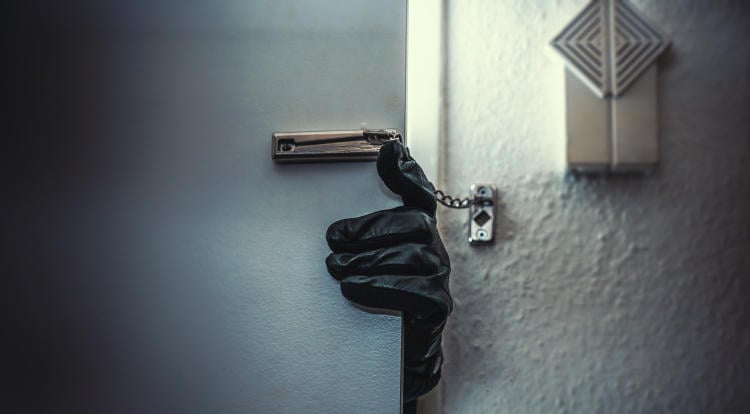
Locks have evolved from simple keys to more complex mechanisms with combinations and high security cylinders. AlthoughIts effectiveness remains remarkable, depend on the physical integrity of the door and control over who has the keys.
The arrival of alarms and electronic systems
With electronics, home security took a significant leap. The alarms alloweddetect intruders, alert ownersand, in some cases, notify external security services.
Types of alarms
- Audible alarms: They emit a loud sound to alert occupants and scare away intruders. They are ideal for homes where you are looking forimmediate deterrence. They can be combined with exterior lights or sirens.
- Silent alarms: They send discreet notices to surveillance centers or to the owner's mobile phone. They do not alert the intruder, allowing a controlled reaction. They are useful in situations where you are looking forrapid professional intervention.
- Alarms connected to the cloud: They allow you to monitor the home in real time from your mobile phone or any device with internet. They facilitate theremote control of systems and activity logs. They are usually integrated with cameras, sensors and home automation.
Motion and presence sensors
Sensors complement any alarm system,detecting movement inside and outside the home, and can be integrated with cameras, lights and sirens.
Sensor types
- Infrared sensors: They detect temperature changes caused by the passage of people. Areeffective indoors and critical areas. They are usually integrated with alarms and cameras for greater security.
- Microwave sensors: They emit waves that are reflected and detect any disturbance in their path. They work well inlarge and outdoor spaces. They usually complement other types of sensors for greater precision.
- Hybrid sensors: They combine infrared and microwave technology to minimize false alarms. They increase the reliability of the security system. They are ideal forenvironments where there are pets or moving objects.
Video surveillance cameras: from analog to digital
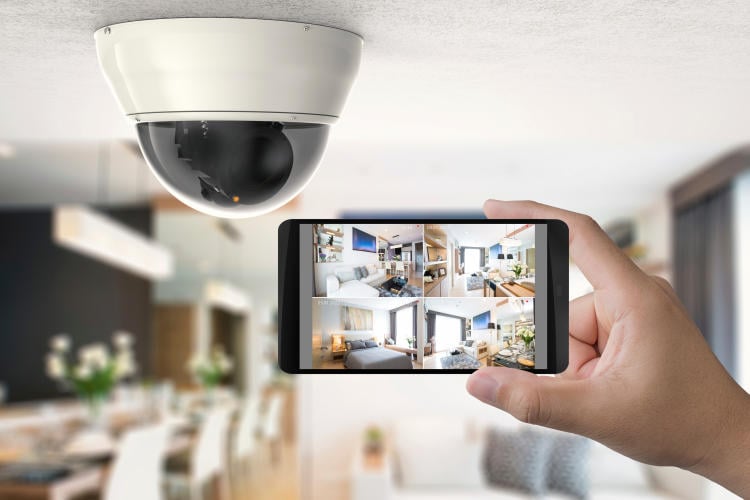
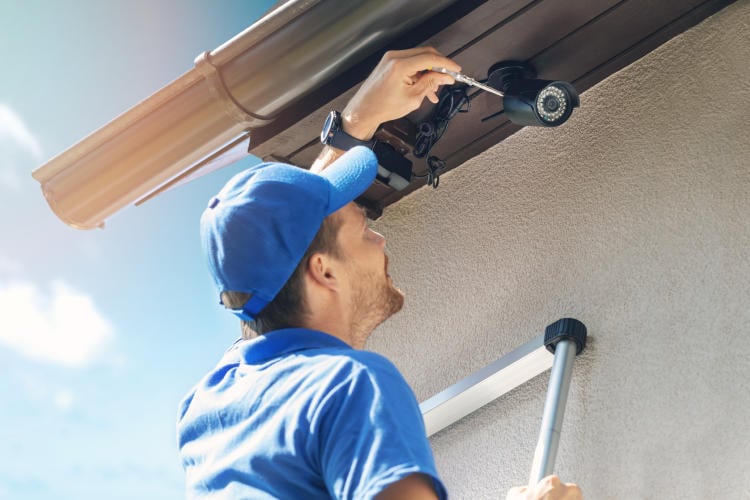
Security cameras allowmonitor the home and record evidence, being a critical component in modern security systems.
Types of cameras
- Analog: cheaper and with basic resolution, they are connected by coaxial cable. Areeasy to installand enough for basic surveillance.Ideal for limited budgets.
- Digital/IP: They offer high resolution and internet connection, allowingcloud storage. They allow real-time monitoring from any device. Ideal forhomes with home automation and remote control.
- Night vision: They allow surveillance in complete darkness, some even in color. They are useful forentrances, gardens or poorly lit areas.They improve the identification of people and objects.
Strategic camera placement
Place cameras inentrances, windows and outdoor areasmaximizes its effectiveness. Integrate them with motion sensorsoptimizes detection and reduces false alarms.
Sirens and deterrent devices
The sirens have a double objective:alert the owner and deter intruders. Its volume and visibility are essential to create a preventive effect.
Types of sirens
- Inside: They notify theoccupants of the home, being especially useful in large houses. Warn of intruders andallow you to react quickly. They are usually combined with alarms and interior lights.
- Abroad: Installed on facades or roofs,They alert the neighborhood and reinforce deterrence.Ideal for single-family homes or high-risk areas. They can include visible lights for a greater deterrent effect.
- Integrated with intelligent systems: They are activated automatically according to security patterns or remotely.They allow coordination with cameras, sensors and alarms. They improve the effectiveness of the overall security system.
Home automation and smart homes: the new era of security
Home automation has transformed home protection, allowingcoordinate alarms, cameras, lights and locksfrom anywhere.
Device integration
Intelligent systems allowa single event, how to detect movement in a window,activate cameras, sirens and lights automatically.
Recommended settings
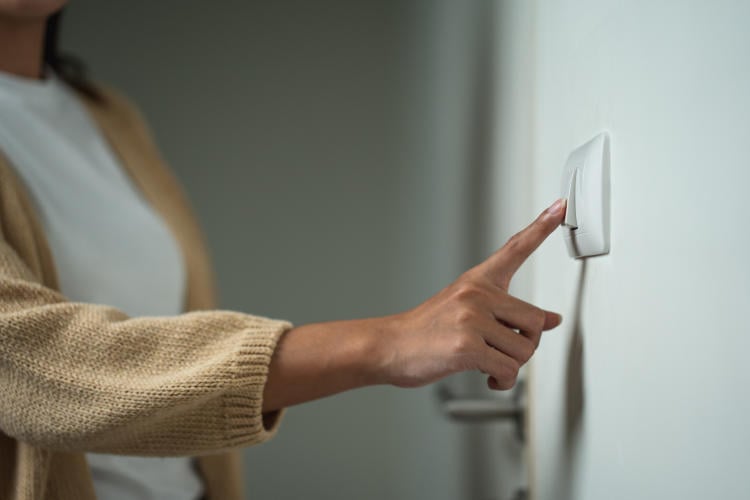
- Simulate presencerandomly turning lights on and off.
- Integration with camerasfor real-time access.
- Notificationssnapshots of anomalies.
- Remote controlof locks for authorized visitors.
Artificial intelligence
The AIanalyzes movement patterns, differentiating humans from pets or objects, reducing false alarms and increasing the effectiveness of the system.
Exterior security: terraces, windows and gardens
Protecting outdoor areas is as important as the interior. Theterraces, gardens and windowsrequirespecial attention.
Bars and physical barriers
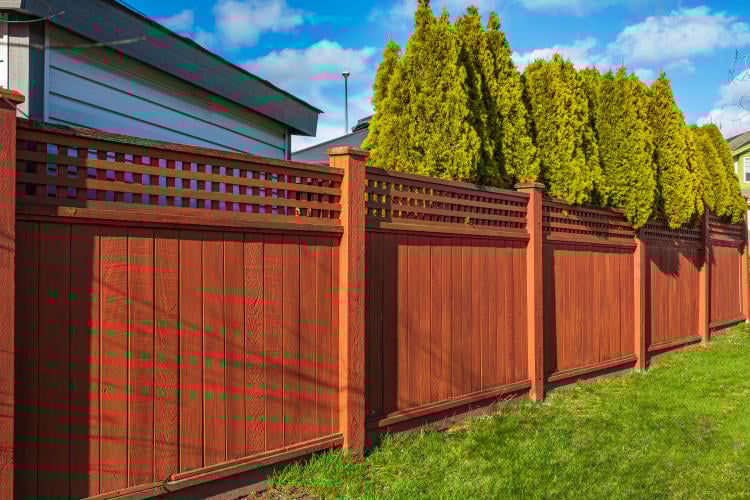
The bars are stilleffective, especially inground floors and attics. In addition tosecurity, they contributeprivacy and aesthetics.
Outdoor sensors and cameras
Combining motion sensors, cameras with night vision and external sirens allows you to create asecurity perimeterthat detects and deters intruders before they reach the front door.
Integrating security into everyday life
It is not enough to install security systems: for them to be effective they mustintegrate into the daily routine of the home.This integration not only increases protection, but also provides comfort and peace of mind for occupants.
security routines
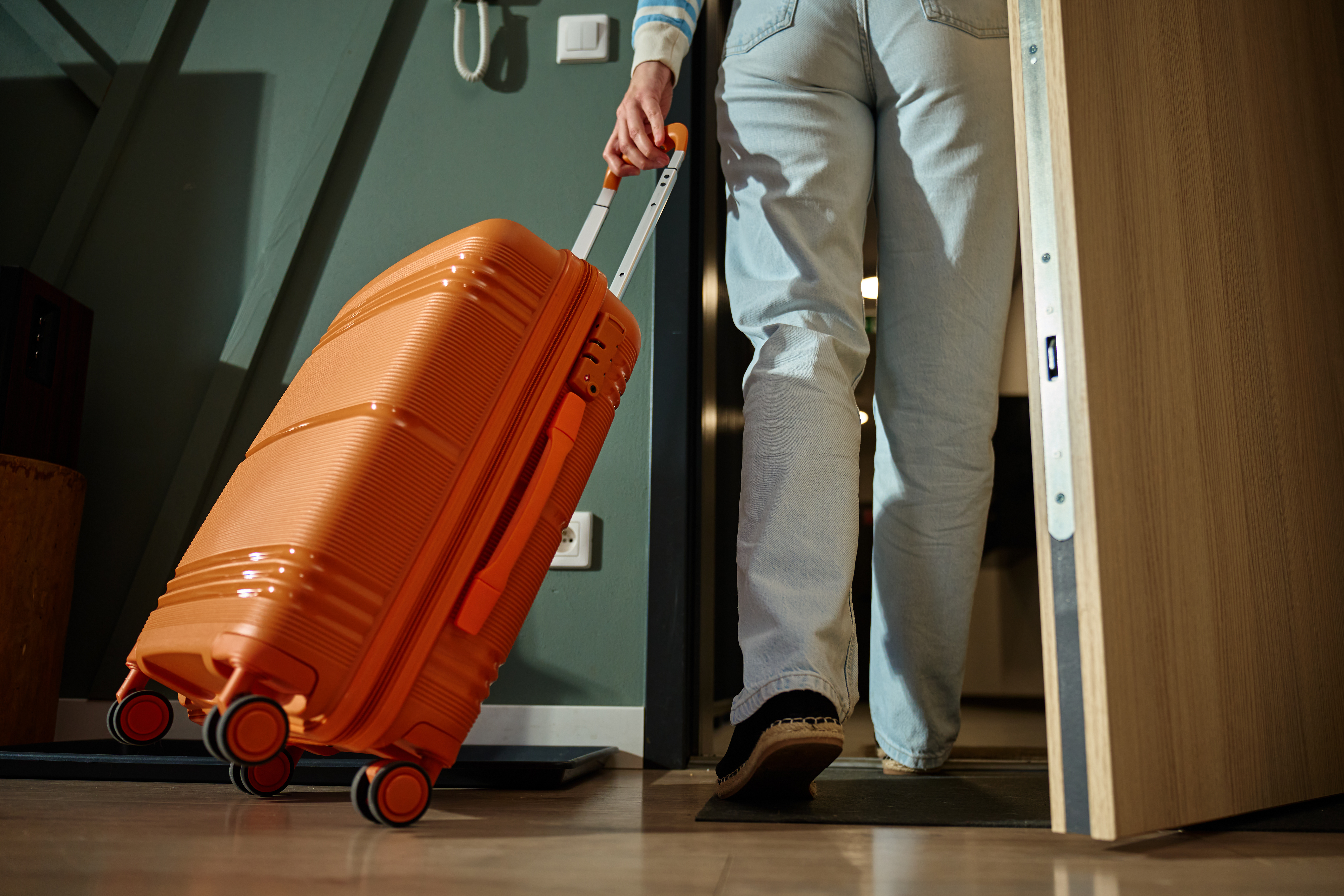
- Presence simulation:Program lights, blinds and televisions to simulate activity when no one is home.
- Periodic control:Check that all cameras, sensors and sirens work correctly.
- Controlled access:Set schedules and permissions for family members, neighbors or maintenance staff.
Systems maintenance
A security system requiresregular maintenance:
- Change batteriesof sensors and alarms.
- Clean lensesof cameras and motion sensors.
- Update firmwareof devices connected to the cloud.
- Check connectionsnetwork and mobile applications to ensure remote control.
Updates and new technologies
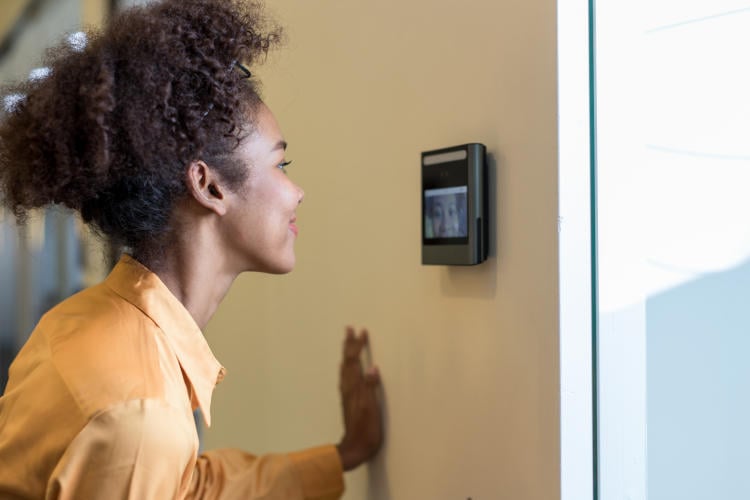
Security is constantly evolving. Adopting new technologies, such as more precise sensors, cameras with facial recognition or AI systems that learn movement patterns, ensuresthat the home is protected against modern threats.
Examples of integration in daily life
- When leaving home, you can activate a“absence” modeClose doors, turn off lights and activate cameras and alarms.
- Al receive a package, the exterior cameras and sensors notify the mobile phone, allowing remote control or temporary opening of locks.
- Overnight, motion sensors in critical areas activatesoft lights and interior cameraswithout disturbing the rest.
Choose the right system
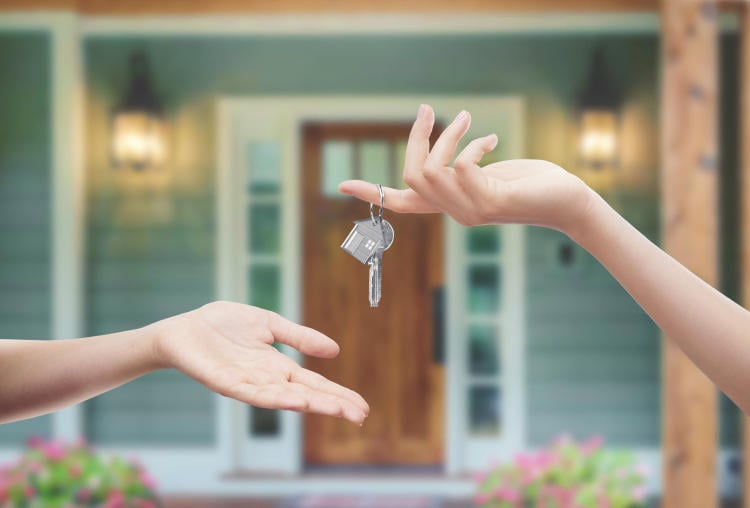
Select a security systemIt depends on factors such as:
- Housing typeand location.
- Budgetavailable.
- Integrationwith existing devices.
- Level ofautomationdesired.
- Needsspecific security.
Final tips
- Evaluate thevulnerable pointsbefore installing any system.
- Keep theupdated devices and applications.
- Take advantage of home automation to increaseefficiency and comfort.
Conclusion
Home security has evolved significantly: from bars and locks to smart systems connected to home automation. Each stage has contributedimprovements in protection, adapting to new threats and needs.
Today, thanks to sensors, cameras, sirens and artificial intelligence algorithms, it is possible to have afull security control from anywhere, integrating these systems naturally into everyday life.
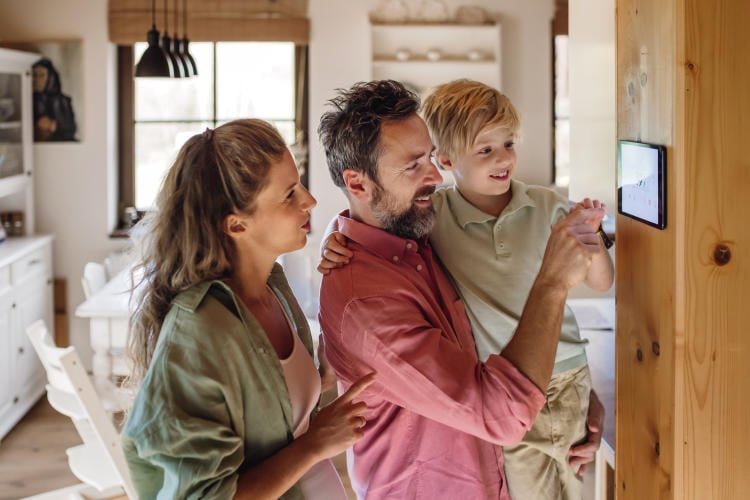
This integration not only guaranteesprotection, but alsocomfort and tranquilityfor the whole family.
En Yoigo Alarms We help you choose the most modern security devices. If you have any questions, visit our website or call us at 900 622 398 and we will assist you.
Best bedroom hidden cameras | Best Spy Camera Watch | Best low level CO detector | Best Wifi Router EMF Protection | Best Camera for MEVO Plus | Best Security Camera Without Subscription | Best Budget Camera for Blue Iris | Best Barking Dog Alarms | Best Free VPN for Rainbet | Best Solar Powered Security Camera | Alarmes Maison
Home Decor Shop
 Acacia frida deluxe solid wood bed frame |
Bedroom bench |
Bed chest drawers |
Lingerie dresser |
Frame base |
Mirror with jewelry storage |
30 Bathroom Vanity |
Memory foam queen mattress |
Mattresses for back pain |
Nightstand set of 2 |
Grand Goldman Shop |
Civil Lawyer
Deutschland Trikot WM 2026
Acacia frida deluxe solid wood bed frame |
Bedroom bench |
Bed chest drawers |
Lingerie dresser |
Frame base |
Mirror with jewelry storage |
30 Bathroom Vanity |
Memory foam queen mattress |
Mattresses for back pain |
Nightstand set of 2 |
Grand Goldman Shop |
Civil Lawyer
Deutschland Trikot WM 2026










