

Not all alarms are the same ; There are some that only emit an audible warning to the client, others that inform in some way, but do not connect with third parties. Some thirds work with immediate response from security forces, are known asalarms connected to the central (AVE).
- What to do if your alarm goes off while traveling
An alarm connected to the ARC center can mark the difference between a scare and a tragedy . Imagine that you are on vacation, your house is empty, and someone tries to break in. Without you knowing it, a alarm connected to the central unit (CRA) is already working for you, activating protocols silently.
Find Bleeding Edge Supplements at Scandalous Prices on iHerb.

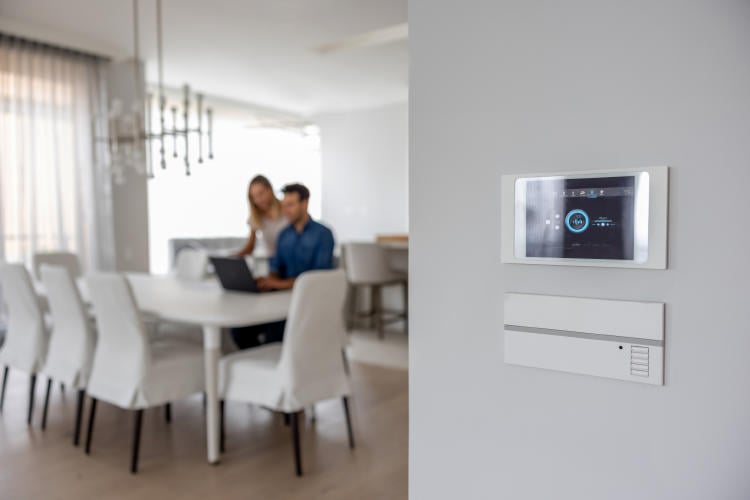
How does the alarm connected to the central unit (CRA) work?
In this article we are going to tell you how an alarm connected to the alarm receiving center (ARC) works, that system that coordinates responses in seconds facing a threat . What makes it different from a traditional alarm? How do you connect? What advantages does it offer?
Throughout the text we break down the operation of these alarms, from the connection infrastructure to the intrusion response protocol. We will also talk about their benefits, reaction times and why they are an increasingly chosen option for protect homes and businesses .
What is a CRA?
Some systems are linked to aAVE (Alarm Receiving Center), a common switchboard that receives alert signals and allows the coordination of a quick and effective response against any interference.

These management modes are operated by qualified professionals who have a physical space to work and facilitate permanent service to customers . Yes, we are talking about aprotection 24 hours a day throughout the year.
The CRA launches asecurity protocolwhich is usually deployed at condition of user needs and preferences . They are, therefore, services that allow notification to the security forces, the private security service or the client themselves.
Functions of the Alarm Receiving Center
The Alarm Receiving Center is, in definition, a control unit managed by professionals who receive the signals from your home control panel and make immediate protection decisions.
The CRA receives signals from different security elements (infrared barriers, detector cables, motion sensors, surveillance cameras, etc.). At that time the staff you will receive the notification y will implement the agreed protocol. Simple and effective.
This operation makes the alarm connected to the central unit a protection strategy ideal for large infrastructures . The system ofperimeter securityfits perfectly allowing you to give coverage to factories or industrial warehouses without the need for physical security.
How is the alarm connected to the central unit?
The key to The CRA is the connection infrastructure on which it operates . Well, at that point the alarms connected to the central office offerdifferent types of communication with the “control center”. It is not simply the Internet.
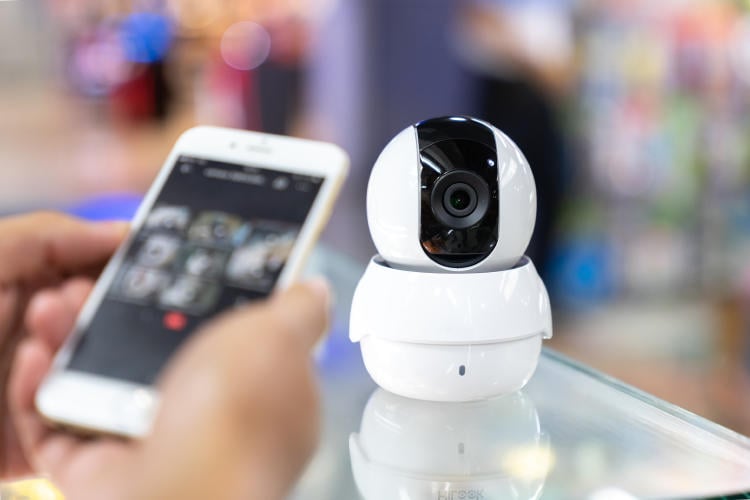
Although it varies depending on the company that offers the service, what is stipulated is that the Alarm Receiving Center is, at least,linked to the control panelthroughdifferent ways. They can be:
- IP connection:The panel communicates with the CRA through the Internet as the main means of data transmission.
- ethernet: this is basically internet . The panel relies on the home router to contact the ARC by making use of connection infrastructure .
- GSM/4G: Used as a redundant channel to send signals to the ARC in case the main connection goes down.
The idea of diversify communication options between the home and the management space lies in guaranteeing that the client always has thesystem that best suits your needs. Thus, finding what you are looking for in terms of security is very simple.

How long does it take for the notice to reach the headquarters?
For all that has been said, the alarm connected to the control panel depends almost entirely onhow quickly the panel sends you the alert signal. Until that happens, it is impossible for professionals to take action, because they will not know the situation.
Generally, the process does not exceed 30 seconds since the intrusion occurs. It is recommended to study and compare different CRAs to choose the best service in terms of response speed.
And how long do we usually talk about? Cameras with an alarm center and the rest of the systems usually take a while. between 10 and 15 seconds . It's what they need to collect all the information collect and send it to the CRA.
After that The CRA takes between 20 and 30 seconds to activate the protocol and coordinate resources.
Benefits of an alarm connected to CRA
Doubt is completely normal. There are a large number of alternatives on the market surrounded by great promises. So that you can compare the different alternatives, we have compiled the main ones advantages and benefits of the systems connected to Alarm Receiving Center:
- Simple Hazard Identification: the CRA follows a priority protocol to discriminate whether it is a human error that can be corrected, or whether really exists trespass, coercion or any other crime against property .
- Uninterrupted service: You don't need to be on your phone all day. The alarm connected to the central unit guarantees continuous protection throughout the year thanks to the work of specialized third parties.

- Flexibility: the service allows you to select different connection methods and different operations based on the response we want (police, private security, RTC, etc.).
- Preventive power: indicate with signs the presence of an alarm connected to central can deter more than one thief.
Let your safety be your priority
The alarm connected to a ARC It not only detects, it also responds. It is this difference that justifies its popularity among those who do not want leave nothing to chance in terms of security .
Now that you know how it works, choosing the right system will be a matter of analyze your needs y trust a professional service.
Browse the Shop
 Acacia frida deluxe solid wood bed frame |
Bedroom bench |
Bed chest drawers |
Lingerie dresser |
Frame base |
Mirror with jewelry storage |
30 Bathroom Vanity |
Memory foam queen mattress |
Mattresses for back pain |
Nightstand set of 2 |
Grand Goldman Shop |
Civil Lawyer
Deutschland Trikot WM 2026
Acacia frida deluxe solid wood bed frame |
Bedroom bench |
Bed chest drawers |
Lingerie dresser |
Frame base |
Mirror with jewelry storage |
30 Bathroom Vanity |
Memory foam queen mattress |
Mattresses for back pain |
Nightstand set of 2 |
Grand Goldman Shop |
Civil Lawyer
Deutschland Trikot WM 2026










