

Moving to a new home is one of the most exciting moments a person or family can experience. In this guide you will find aquick total safety checklist for a new home, with simple recommendations that can help you avoid risks before entering.
-
Safety tips for buying a home
Find Bleeding Edge Supplements at Scandalous Prices on iHerb.

Because in the midst of the move, the furniture, the boxes and the organization of the new space, there is an aspect that is often overlooked:home security before moving in.
What we forget when we buy a home
A newly purchased or rented home can have v ulnerabilities that the previous owner had not even considered. Duplicate keys, old locks, outdated alarm systems...
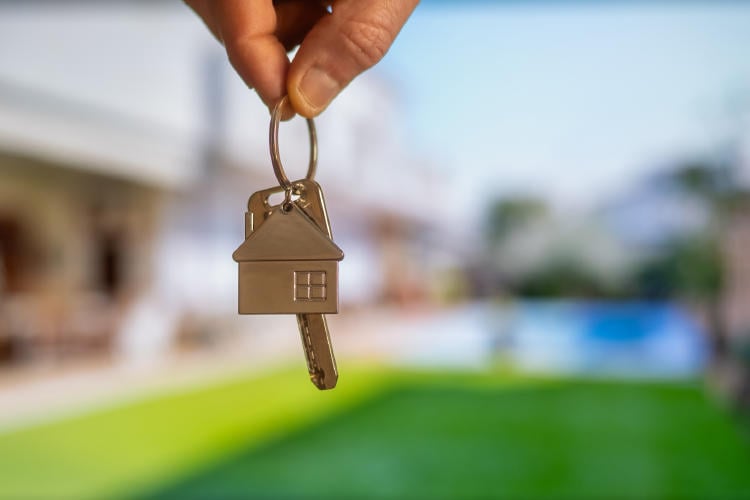
Therefore, before settling permanently, it is advisable Take a moment to review some key points.
Change or check the locks
The first step in any new home should be to check the condition of the locks. Even if the previous owner gives you all the keys, You can never know for sure how many copies exist.
Change the main door cylinder It is one of the most recommended measures when entering a new home. It is a quick action, relatively inexpensive and offers great peace of mind.
It is also worth checking:
- Rear or secondary door locks.
- Access from garages or storage rooms.
- Terrace or balcony locks.
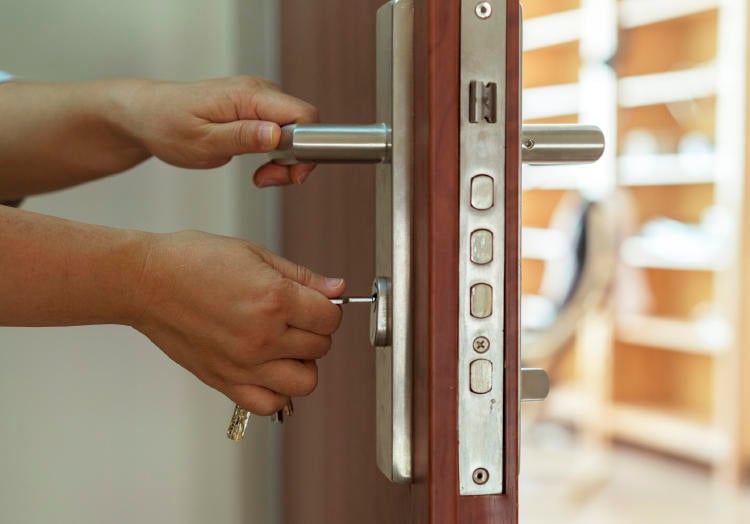
If the lock is old or shows wear, It may be a good time to upgrade to a more secure model.
Check doors and frames
The security of a door does not depend only on the lock. The condition of the frame, the hinges and the material of the door itself greatly influence its resistance.
Some basic checks include:
- Check that the door closes correctly.
- Check if the frame is well fixed.
- Confirm that the hinges are firm.
- Check that there are no gaps.
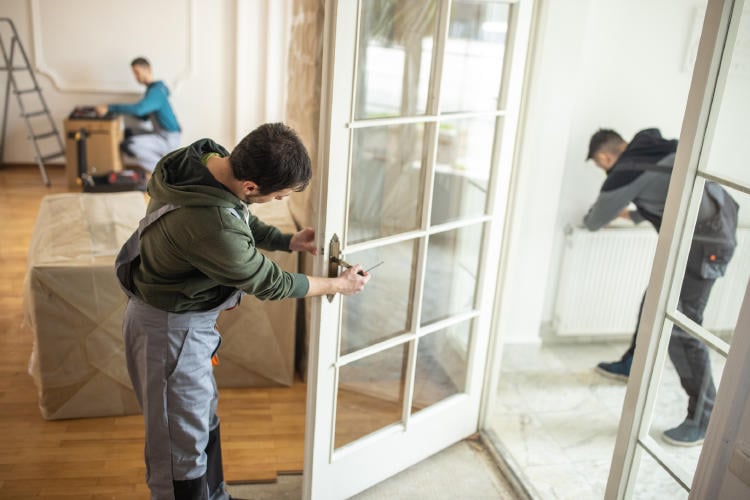
On exterior or main doors, it may also be advisable to install aprotective shield for the bowler, which makes direct attacks on the lock difficult.
Check windows and secondary access
Many intrusions occur through poorly protected windows or secondary accesses. In a new house, it is important to review all these points.
Pay attention to:
- Windows accessible from the outside.
- Sliding terrace doors.
- Basement or ground floor windows.
If the closures are old or weak, it may be helpful to installadditional closures or opening sensors.
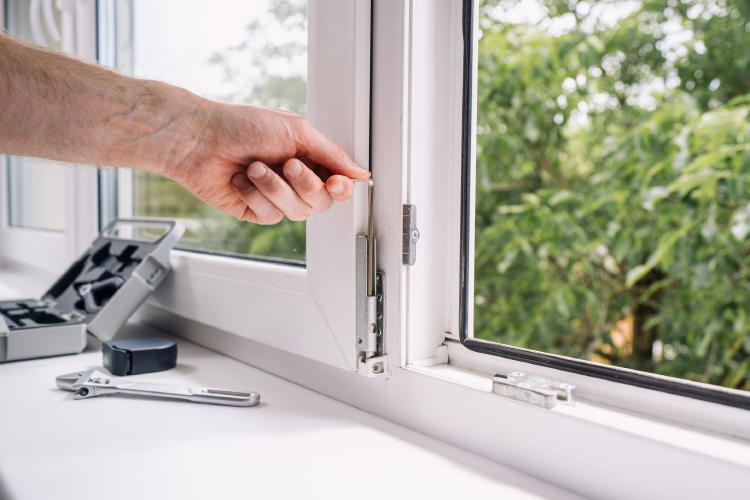
On balconies or terraces, Make sure there are no objects that facilitate access from the outside, such as furniture that could be used as support.
Check if an alarm system is installed
Some homes already have installed alarm systems. If this is the case, it is advisable to check its status before fully trusting him.
Questions you should ask yourself:
- Is the system still active?
- Who has access to the settings?
- Is it connected to a central receiving station?
- Are the sensors working correctly?
Sometimes, the most advisable thing iscompletely reconfigure the system or upgrade itto ensure that only you are in control.
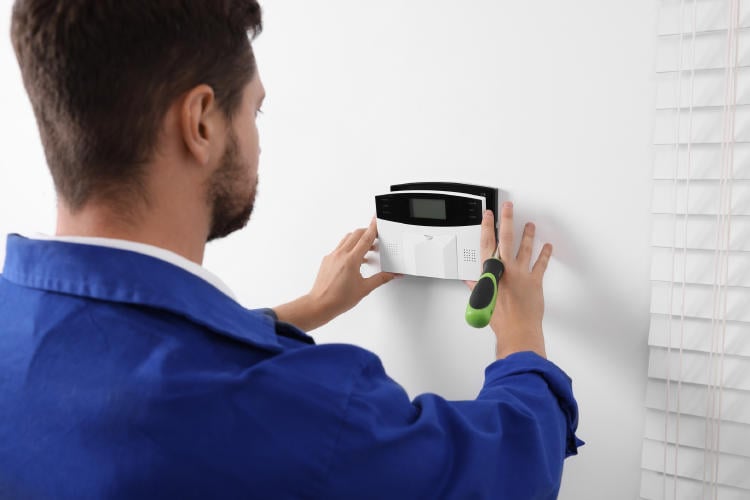
Install basic security sensors
Even if the home didn't previously have an alarm, installing some basic sensors can make a big difference in security.
The most common are:
- Motion sensors in passage areas.
- Opening sensors on doors and windows.
- Glass break detectors.
These devices allow detect unauthorized access and receive alerts quickly.
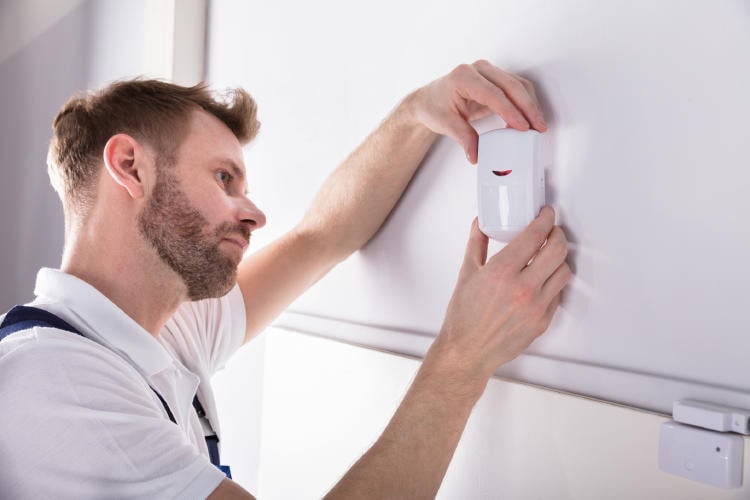
Today, many wireless systems allow install sensors without works nor complex installations.
Consider adding security cameras
Home cameras have become a very useful tool to reinforce home security.
Placed at strategic points, they allow:
- Monitor main accesses.
- See who approaches the home.
- Review what happens in absence.
In 2026, many cameras include advanced features such as intelligent person detection, night vision and real-time alerts.
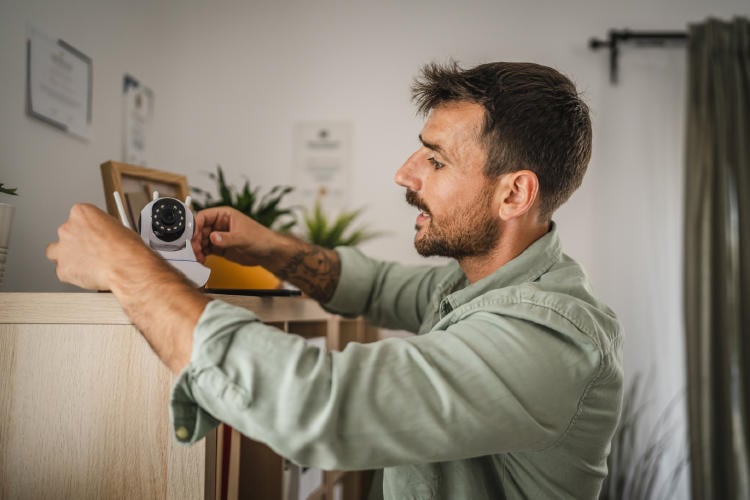
Furthermore, the simple presence of visible cameras can have aimportant deterrent effect.
Check the exterior lighting
Dark areas around a home can facilitate access without being seen. That's why checking your outdoor lighting is another key step before moving.
Some useful solutions include:
- Motion sensor lights.
- Automatic lighting in entrances and gardens.
- Timers to simulate presence.
A well-lit home significantly reduces the risk of intrusions.
Protect the router and WiFi network
Home security does not only depend on doors and locks. In connected homes, the WiFi network also plays an important role.
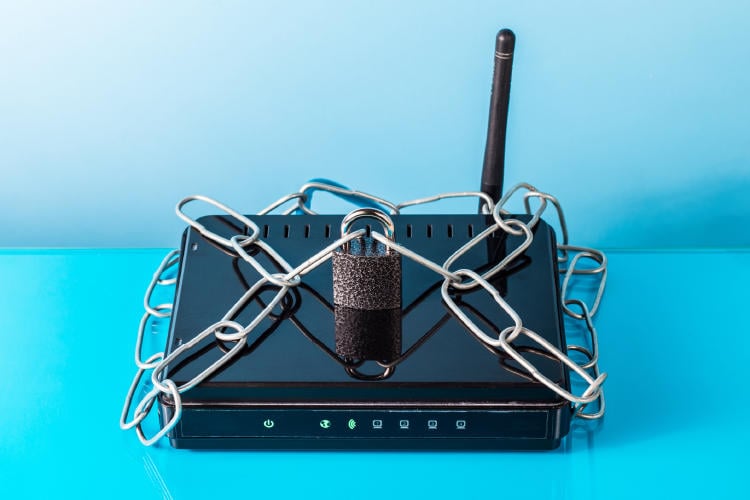
Before installing home automation devices or cameras, it is advisable Check the router and its configuration.
Some basic measures:
- Change the default password.
- Enable secure encryption (WPA2 or WPA3).
- Update the router firmware.
- Create separate networks for smart devices.
A secure network protects all devices connected at home.
Check smoke and gas detectors
Although many people focus on theft, other household risks They can be just as important.
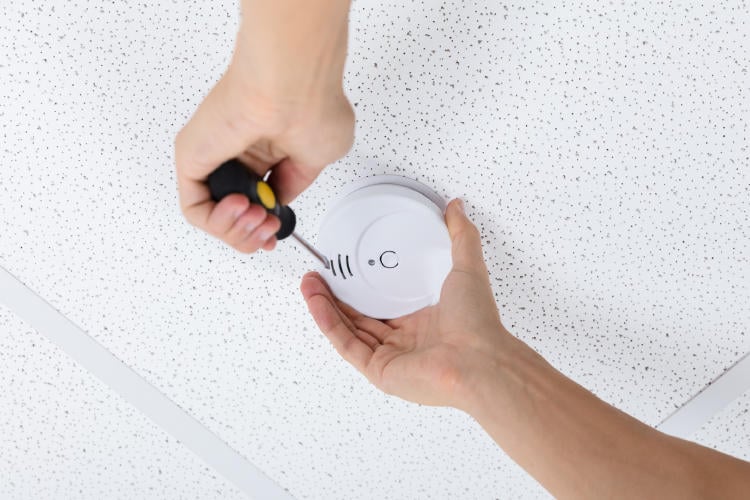
Before moving in, it is recommended check if the home has:
- Smoke detectors.
- Carbon monoxide detectors.
- Gas detectors.
If they do not exist, installing them can significantly increase security of the home.
Make an organized copy of the keys
Once the locks have been checked, It is convenient to organize the house keys.
The ideal is:
- Have a main game.
- Keep a copy in a safe place.
- Avoid hiding keys in obvious places.
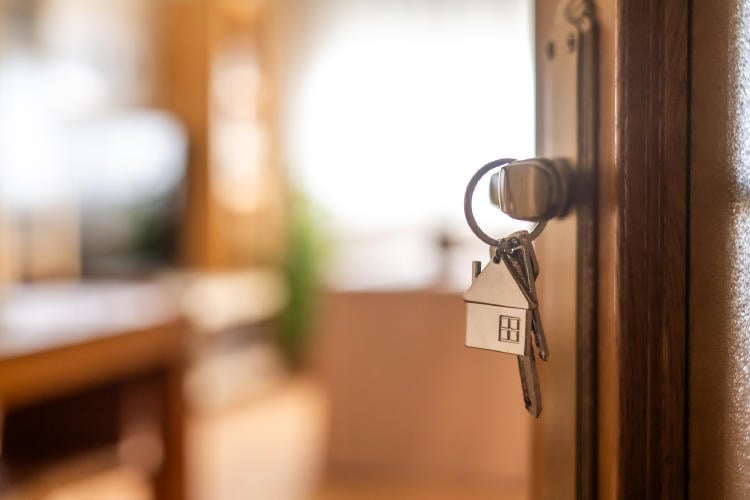
In some cases, it may be interesting to usesmart locks, which allow you to manage access from your mobile.
Know the surroundings and access well
Safety also depends on the environment. Before settling permanently, Spend some time observing:
- Access to the building or urbanization.
- The state of the community doors.
- Street lighting.
- The presence of neighbors or nearby businesses.
Knowing the environment well helps detect possible vulnerable points and take additional measures if necessary.
Talk to the neighbors
One of the most effective security resources is collaboration between neighbors.
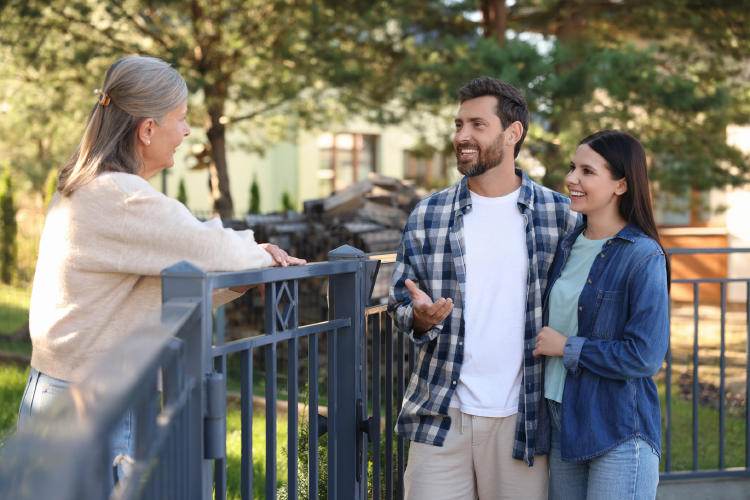
Introducing yourself and establishing a first contact can help you:
- Get to know the neighborhood better.
- Know if recent incidents have occurred.
- Create an informal surveillance network.
In many communities, communication between neighbors helps Detect suspicious situations before they become problems.
Plan security before moving
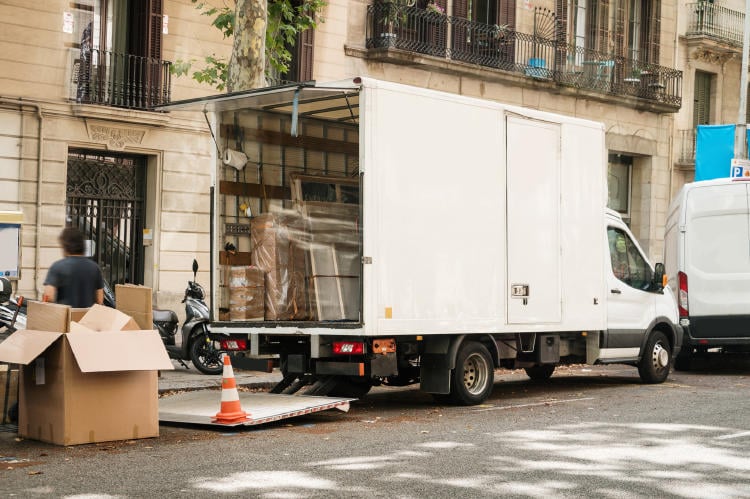
During moving days, the house is usually full of people coming and going. Open doors, visible objects and a certain lack of control can increase risks.
To avoid problems:
- Maintain constant supervision during the move.
- Do not leave valuables unattended.
- Check access at the end of the day.
Good planning can avoid many setbacks.
Check security periodically
The security of a home It's not a set-it-once-and-forget-it thing. forever.
As time goes by, it is worth reviewing:
- The state of locks.
- The operation of sensors.
- Device batteries.
- Alarm system updates.
Small periodic reviews They help keep the protection in good condition.
En Yoigo Alarms We help you make your home a safe space before it becomes your habitual residence. If you have any questions, visit our website or call us at 900 622 398 and we will assist you.
Best bedroom hidden cameras | Best Spy Camera Watch | Best low level CO detector | Best Wifi Router EMF Protection | Best Camera for MEVO Plus | Best Security Camera Without Subscription | Best Budget Camera for Blue Iris | Best Barking Dog Alarms | Best Free VPN for Rainbet | Best Solar Powered Security Camera | Alarmes Maison
Home Decor Shop
 Acacia frida deluxe solid wood bed frame |
Bedroom bench |
Bed chest drawers |
Lingerie dresser |
Frame base |
Mirror with jewelry storage |
30 Bathroom Vanity |
Memory foam queen mattress |
Mattresses for back pain |
Nightstand set of 2 |
Grand Goldman Shop |
Civil Lawyer
Deutschland Trikot WM 2026
Acacia frida deluxe solid wood bed frame |
Bedroom bench |
Bed chest drawers |
Lingerie dresser |
Frame base |
Mirror with jewelry storage |
30 Bathroom Vanity |
Memory foam queen mattress |
Mattresses for back pain |
Nightstand set of 2 |
Grand Goldman Shop |
Civil Lawyer
Deutschland Trikot WM 2026










