

Tensions between the United States and Iran have sharply intensified, with both sides openly threatening to strike critical energy infrastructure in a conflict that is rapidly expanding beyond traditional military targets.
The latest escalation centers on oil routes, power plants, and strategic shipping lanes, raising fears of a global energy shock and a wider regional war.
Find Bleeding Edge Supplements at Scandalous Prices on iHerb.

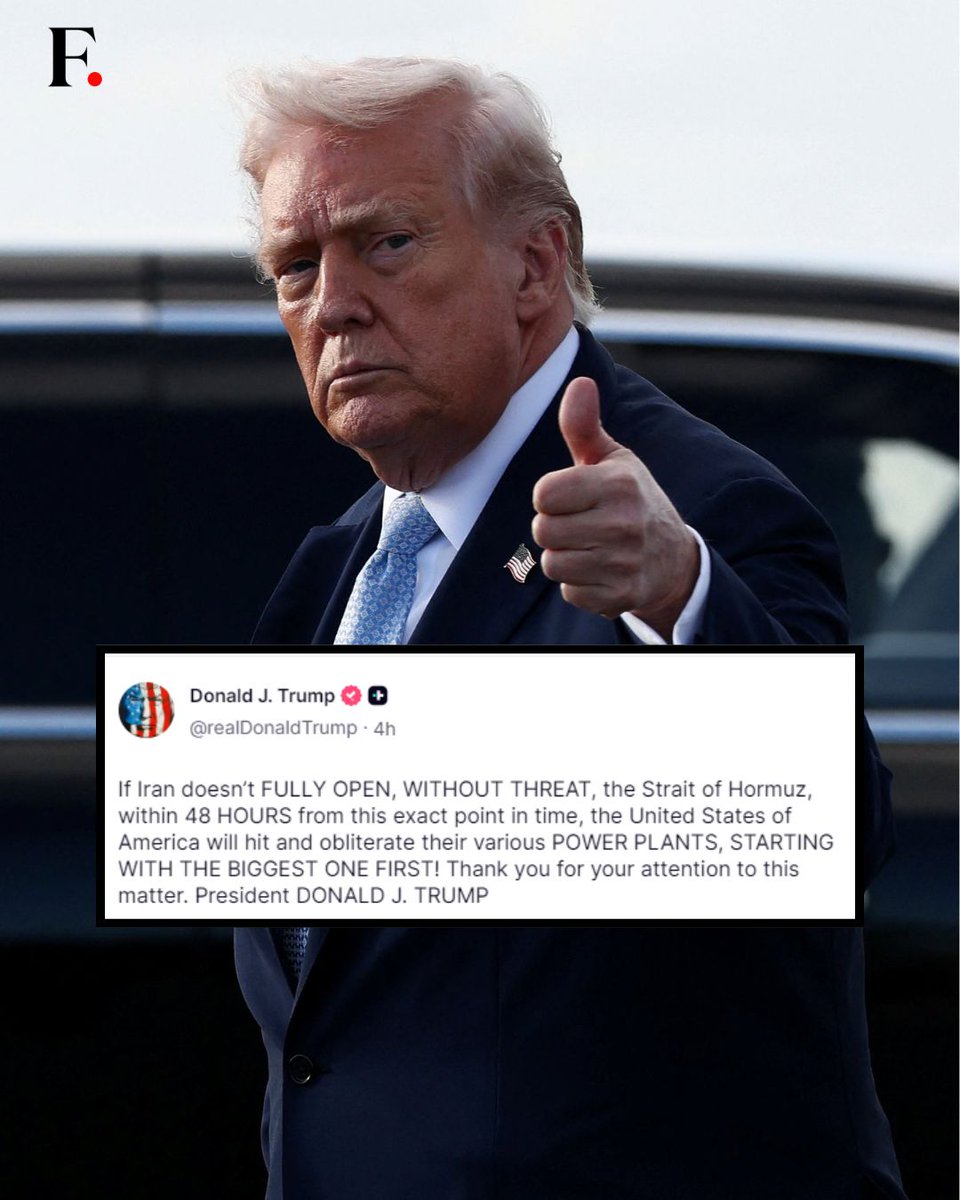
A 48-hour ultimatum that raised the stakes
U.S. President Donald Trump issued a stark warning to Tehran: reopen the Strait of Hormuz within 48 hours or face devastating strikes on Iran’s energy infrastructure. The ultimatum marks one of the most direct threats yet against Iran’s economic lifeline.
Iran responded immediately, signaling it would retaliate not only against U.S. forces but also against energy facilities across the region. Officials warned that any attack on Iranian oil or power assets would trigger broader strikes on infrastructure tied to the United States and its allies.
This exchange of threats represents a turning point. The conflict is no longer confined to military bases or proxy groups. It is now centered on energy systems that underpin the global economy.
Why the Strait of Hormuz is the focal point
At the heart of the crisis lies the Strait of Hormuz, one of the most critical chokepoints in global trade.
Key facts about the strait
| Factor | Impact |
|---|---|
| Share of global oil transit | ~20% of world supply |
| Strategic importance | Primary Gulf export route |
| Current status | Severely disrupted or partially blocked |
| Insurance costs | Surged multiple times since crisis began |
The waterway has been partially shut since late February, following Iranian military actions and U.S.-Israeli strikes. Tankers have been rerouted or delayed, while insurance premiums have skyrocketed.
Trump’s demand to reopen the strait reflects mounting pressure from global markets, which rely heavily on uninterrupted oil flows through the region.

Energy infrastructure becomes a primary target
The most alarming development is the shift toward targeting energy systems directly.
Potential targets under threat
- Oil export terminals
- Power plants and electrical grids
- Gas fields and pipelines
- Desalination facilities in Gulf states
Trump has threatened to “obliterate” Iranian power plants, while Iran has warned it could strike energy installations across the Middle East.
This escalation follows earlier attacks, including strikes on Iran’s South Pars gas field and U.S. air raids on strategic sites like Kharg Island. Those operations avoided oil infrastructure initially, but that restraint is now fading.
Analysts warn that once energy infrastructure becomes a primary battlefield, the conflict could trigger long-term supply disruptions.
Oil prices surge as markets react
Global markets have already begun to feel the impact. Oil prices are climbing toward multi-year highs, with traders bracing for further volatility.
- Prices nearing four-year highs
- Risk of supply shortages
- Inflation pressures rising globally
- Shipping and insurance costs increasing
Analysts say prices could spike further if attacks materialize or if the Strait of Hormuz is fully closed.
Some forecasts warn of a potential “Black Monday”-style market reaction if diplomatic efforts fail and energy flows collapse.

A widening regional conflict
The energy standoff is unfolding within a broader war that began in late February and has already caused significant casualties and destruction.
Current conflict dynamics
- Iranian missile strikes on Israel have injured dozens
- Israeli forces have launched retaliatory strikes inside Iran
- Hezbollah clashes continue along the Lebanon border
- U.S. bases in the region have come under threat
The conflict has already resulted in more than 2,000 deaths and widespread infrastructure damage across multiple countries.
Iran has also demonstrated expanded capabilities, including long-range missile launches targeting strategic sites and even U.S.-linked facilities beyond the immediate region.
Global economic and political consequences
The crisis is rapidly evolving into a global economic threat, not just a regional security issue.
Immediate global risks
- Energy shortages in oil-importing nations
- Rising fuel and transportation costs
- Increased inflation across major economies
- Disruptions to global supply chains
Countries heavily dependent on Gulf oil, including Asian and European economies, are particularly vulnerable. Some governments are already preparing contingency plans, including naval escorts and emergency energy measures.
Politically, the escalation is also creating pressure within the United States. Public opposition to the war is growing, complicating the administration’s position ahead of upcoming elections.

Diplomatic efforts struggle to gain traction
Despite mounting risks, diplomatic progress remains limited. International leaders have called for restraint, but neither Washington nor Tehran appears ready to back down.
- European nations pushing for de-escalation
- NATO emphasizing protection of shipping routes
- Middle Eastern states warning of regional collapse
- Global organizations urging ceasefire talks
Religious and humanitarian leaders have also appealed for peace, highlighting the growing civilian toll and the dangers of targeting infrastructure critical to daily life.
What happens next
The next 48 hours could prove निर्णसive. If the U.S. follows through on its threats, Iran has signaled it may fully close the Strait of Hormuz and launch retaliatory strikes across the region.
Possible scenarios
-
Limited strikes
Targeted attacks on energy infrastructure without full-scale war -
Full energy war
Widespread destruction of oil and power facilities across the Gulf -
Diplomatic breakthrough
Temporary reopening of Hormuz and ceasefire negotiations -
Global crisis escalation
Severe oil shortages and worldwide economic fallout
The stakes are unusually high. Unlike previous confrontations, this phase of the conflict directly targets the systems that power the global economy.
Bottom line
The Trump–Iran confrontation has entered a dangerous new phase where energy infrastructure is no longer off-limits. With the Strait of Hormuz at the center of the crisis and both sides issuing direct threats, the risk of a broader “energy war” is real.
If escalation continues, the consequences will extend far beyond the Middle East, reshaping global energy markets, economic stability, and geopolitical alliances in the weeks ahead.
Read next - World News
Trump-Iran Tensions | France Runoff Vote | China Crash Mystery | Mueller Passes Away | Trump Airport Threats Tencent AI Tie-Up
Home Decor Shop
 Acacia frida deluxe solid wood bed frame |
Bedroom bench |
Bed chest drawers |
Lingerie dresser |
Frame base |
Mirror with jewelry storage |
30 Bathroom Vanity |
Memory foam queen mattress |
Mattresses for back pain |
Nightstand set of 2 |
Grand Goldman Shop |
Civil Lawyer
Deutschland Trikot WM 2026
Acacia frida deluxe solid wood bed frame |
Bedroom bench |
Bed chest drawers |
Lingerie dresser |
Frame base |
Mirror with jewelry storage |
30 Bathroom Vanity |
Memory foam queen mattress |
Mattresses for back pain |
Nightstand set of 2 |
Grand Goldman Shop |
Civil Lawyer
Deutschland Trikot WM 2026










