

Home security has changed a lot in recent years.In 2026, choosing an alarm system is no longer just about installing devices, but about understand how they integrate with your environment and how you can optimize it.
-
Ultimate Home Safety Guide for 2026
Find Original Home Decor sparking conversation at Grand Goldman Shop.

What was once a simple system with sensors and a siren, today has become asmart ecosystem, connected and adaptable that you can customize so that fits your routine.
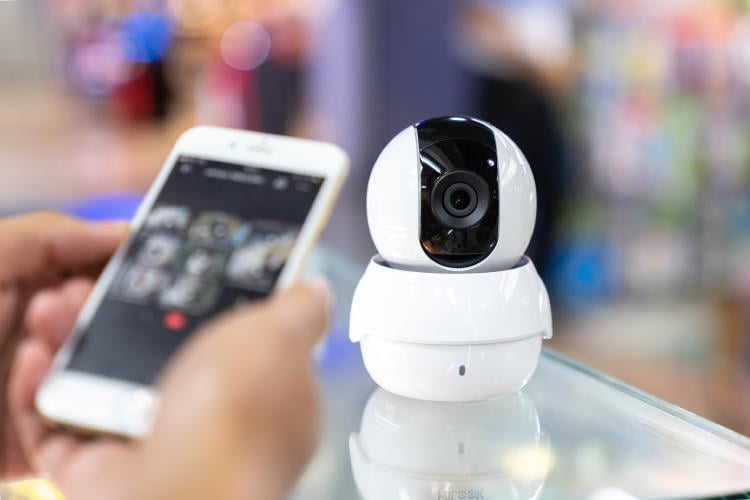
Furthermore, it is not enough to choose well from the beginning. An alarm system that is not optimized over time can become obsolete, generate false alarms or fail to cover new risks. Therefore, in this article we are going to explain to youhow to choose and optimize your alarm system in 2026.
How home security has evolved
Until not so long ago, alarm systems were rigid, poorly customizable, and depended almost entirely on complex professional installation. In 2026, the reality is very different.
The current systems are:
- Modular:You can add or remove devices as needed.
- Connected:They are managed from the mobile.
- Smart:They differentiate real situations from false alarms.
- Scalable:They grow with you and your home.
This implies a clear advantage, but also a responsibility: choose well from the beginning so you don't end up paying for features you don't use or, worse yet, fall short in protection.
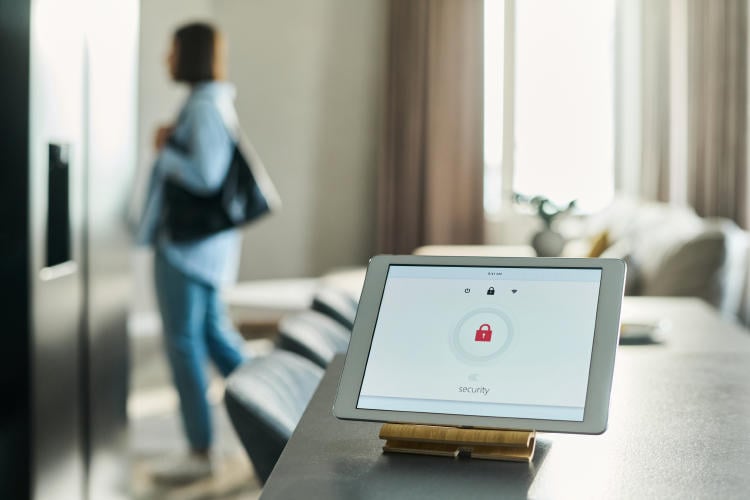
The first step: analyze your home and your habits
Before looking at brands, prices or promotions, there is a key question:What do you really need to protect?
Not all homes have the same risks. To get it right, it is worth analyzing:
Housing type
An interior apartment is not the same as a single-family house. The homes with garden, garage or rear entrances need perimeter protection, while a floor may focus more on doors and windows.

Location
Isolated areas, urbanizations with little traffic or neighborhoods with many seasonally empty apartments usually require more complete protection.
daily routines
Do you work outside all day? Do you travel often? Is there someone at home almost always? Habits directly influence the type of alarm and how it should be configured.
Who lives at home
Children, seniors, pets... All this affects the choice of sensors and the sensitivity of the system. A well chosen system It always starts with this prior analysis.

Basic components of an alarm system in 2026
Although technology advances, there are a common basis which is still essential. A good alarm system should have, at a minimum,:
- Alarm center:the “brain” that coordinates everything.
- Motion and/or opening sensors:depending on access.
- Siren:both deterrent and warning.
- Dual communication:to continue working if the Internet fails.
- Control from app:clear and easy to use.
From there, the advanced elements and optimization.
Choosing sensors: less quantity, better placed
One of the most common mistakes in 2026 is stillinstalling too many sensors without a clear strategy. More devices don't always mean more security.
Motion sensors
They are ideal for e large rooms and passage areas. In 2026, the most advanced models will already distinguish people from pets, reducing false alarms.
Opening sensors
Perfect for doors and windows. They are discreet and very reliable.

Perimeter sensors
Recommended for outdoors, gardens and previous entrances to the home. They warn before the intruder enters.
Sensors with camera
They allow you to visually verify what happens when an alarm is triggered. They are especially useful in empty homes or second homes. The key is incombine sensor types, not in repeating the same thing in all spaces.
Cameras: when they add real value
In 2026, cameras are more accessible and easier to use than ever, but they are not always essential.

They add a lot of value r when:
- There are vulnerable outdoor areas.
- The house is frequently empty.
- You want to see what happens before acting.
Yes indeed, They must be placed judiciously, respecting privacy and focusing only on own areas. A poorly positioned camera can cause more problems than benefits.
Connection to central receiving station: yes or no?
La alarm receiving center (ARC)It remains one of the most important services in 2026. It provides human verification and professional response.

It is highly recommended if:
- You spend long periods outside.
- It is a business.
- You can't respond quickly to an alert.
In homes with a lot of presence and constant control, it may be dispensable, but for the majority of users it remains a pillar of peace of mind.
Optimize configuration: the great forgotten
A poorly configured alarm system can be as ineffective as no alarm system at all. In 2026, optimize settings It is almost as important as choosing the system.
Adjust the sensitivity
Sensors that are too sensitive generate false alarms . Insensitive sensors may not detect a real intrusion. Balance is key.
Use arming modes
The current systems They allow different modes: total, partial, night, perimeter... Using them correctly improves protection without causing discomfort.
Customize notifications
You don't need an alert for every minor event. Prioritize really important notices so as not to lose attention.
Integration with other home devices
In 2026, alarm systems no longer operate in isolation. They integrate with other elements of the connected home:
- Automatic lighting that turns on when there is movement.
- Cameras that record when a sensor is activated.
- Smart locks that lock automatically.
This integration not only improves security, but alsomultiply the deterrent effect.
Security beyond theft
Optimizing an alarm system in 2026 also involves protect against other risks:
- Floods:Water sensors in basements, kitchens or garages prevent serious damage.
- Fires:Connected smoke detectors alert you even if you are not at home.
- Gas leaks: especially important in homes with a boiler.

These sensors do not replace anti-theft sensors, but They complete the protection of the home.
The role of maintenance
An alarm system It is not something that is installed and forgotten. For it to work well in 2026, it needs a minimum of maintenance:
- Check batteries.
- Check sensors from time to time.
- Update software and firmware.

Many failures occur due to simple carelessness. A well maintained system is a reliable system.
Common mistakes when choosing an alarm in 2026
Despite all the information available, some errors are repeated:
- Choose only by price.
- Hire unnecessary extra services.
- Do not think about the future (moves, extensions).
- Ignore the ease of use of the app.
A complicated alarm ends up being misused or outright disconnected.
How to adapt your system over time
Needs change. A good system must be able to adapt without starting from scratch. In 2026, it is important that you can:
- Add sensors easily.
- Change settings from your mobile.
- Move the system to another home.
Flexibility is one of the greatest advantages of modern systems.
Digital security: an increasingly important part
Security is no longer just physical. In 2026, protecting the system digitally is key:
- Secure passwords.
- Limited access.
- Frequent updates.

A poorly digitally protected system can be vulnerable even without knocking on a door.
The perfect balance: hassle-free protection
An optimized alarm system It is not the most expensive nor the most complex, is the one that:
- It adapts to your life.
- It tells you when it should be done.
- It works without you having to think about it every day.
The ideal security is the one that It's there, but it doesn't bother you.

Choose well today so you don't regret tomorrow
In 2026, the range of alarms is enormous. That is an advantage, but also a challenge. Choosing well involves informing yourself, comparing and thinking in the medium and long term.
It is not about anticipating all possible risks, but aboutcover the most likely ones intelligently.
The human factor: how you use the alarm matters as much as the technology
No matter how advanced an alarm system is in 2026,Its effectiveness depends largely on how you use it on a daily basis.. The human factor continues to be decisive and, in many cases, it is the weakest point... or the strongest of security.

One of the most common errors isdo not activate the alarm for convenience: “I'm just going out for a moment”, “I'll be right back” or “there are people at home”. Many thefts occur precisely in short absences, when the system is deactivated.
Learning to use the different arming modes (full, partial or perimeter) allows protect the home without giving up comfort.
It is also key thatall people who live in the house know how to use the system. Activating, deactivating, recognizing a real notification or knowing what to do when faced with an alert avoids errors and false alarms. Take a few minutes to familiarize yourself with the app and basic functions makes a big difference.
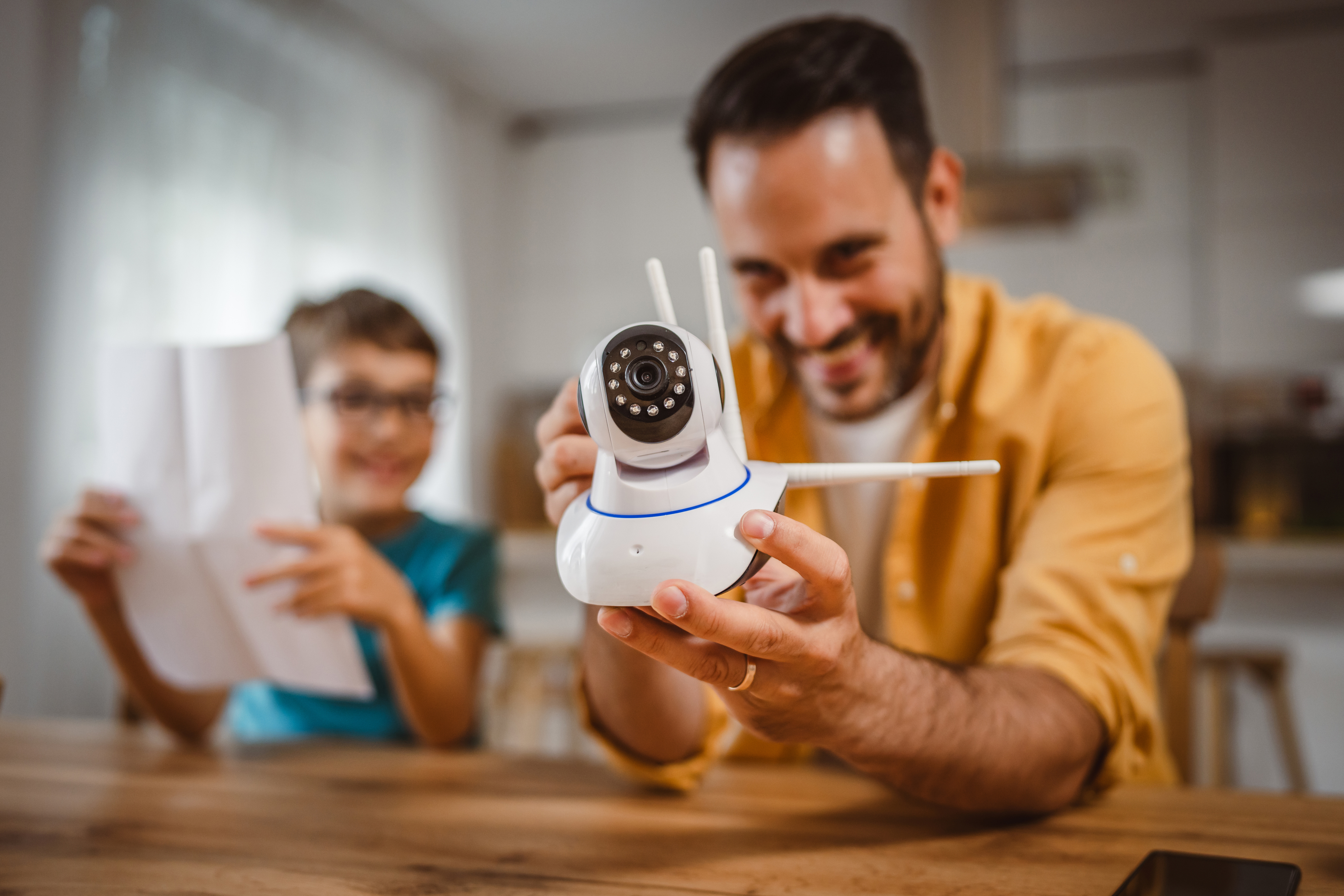
Choose and optimizeyour alarm system in 2026It is a strategic decision. It's not just about installing devices, but creating a coherent, adaptable and well-configured system.
Analyze your home, choose suitable sensors, integrate technology, maintain the system and adjust configuration over time will make a difference between an alarm that is just there and one that actually protects.
The security of the future It is not louder or more invasive: it is more intelligent, more flexible and closer to your way of living. And choosing it well today is the best way to gain peace of mind tomorrow.

Lastly, consistency is essential. Always activating the alarm, reviewing warnings and not ignoring repeated alerts turns the system into a real ally. In security, technology helps, buthabit is what consolidates protection.
En Yoigo Alarms We help you get the best security for your home. If you have any questions, visit our website or call us at 900 622 398 and we will assist you.
Best bedroom hidden cameras | Best Spy Camera Watch | Best low level CO detector | Best Wifi Router EMF Protection | Best Camera for MEVO Plus | Best Security Camera Without Subscription | Best Budget Camera for Blue Iris | Best Barking Dog Alarms | Best Free VPN for Rainbet | Best Solar Powered Security Camera | Alarmes Maison
Browse the Shop
 Acacia frida deluxe solid wood bed frame |
Bedroom bench |
Bed chest drawers |
Lingerie dresser |
Frame base |
Mirror with jewelry storage |
30 Bathroom Vanity |
Memory foam queen mattress |
Mattresses for back pain |
Nightstand set of 2 |
Grand Goldman Shop |
Civil Lawyer
Deutschland Trikot WM 2026
Acacia frida deluxe solid wood bed frame |
Bedroom bench |
Bed chest drawers |
Lingerie dresser |
Frame base |
Mirror with jewelry storage |
30 Bathroom Vanity |
Memory foam queen mattress |
Mattresses for back pain |
Nightstand set of 2 |
Grand Goldman Shop |
Civil Lawyer
Deutschland Trikot WM 2026







