

Selecting the best protection strategy requires knowing howChoose an alarm according to the risk level of the area.
-
Alarms and security systems according to the user profile
Find Original, High-end Home Decor that spark conversation at Grand Goldman Shop.

Not all homes or all businesses have the same level of exposure to theft or incidents, soAdapting the alarm to the specific risk guarantees more effective security.
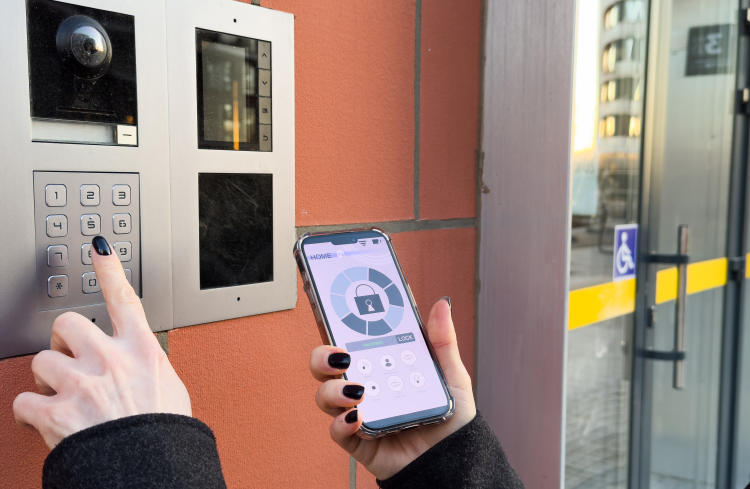
This approach allows you to decide betweensimple or more sophisticated systems,ensuring that the investment in security is proportional to the risk of the area.
Evaluation of the risk level in your area
Before installing any security system, it is essentialdetermine the risk level of the area. This evaluation will serve as a basis fordefine what type of alarm is most appropriate and what functions are essential.
Factors that determine the level of risk
- Crime rate: Local burglary and assault statistics are a key indicator of risk.
- Lighting and visibility: Poorly lit streets or streets with hidden areas increase vulnerability.
- Proximity to emergency services: The distance to police or fire stations can influence the choice of system.

Risk classification
The area can be classified intolow, medium or high risk. This categorization helps decide if abasic, intermediate or advanced system.
Types of alarms according to risk level
Choosing the right alarm meansknow the available options and their compatibility with the level of risk detected. Each type of system offers different advantages and is better suited to certain circumstances.
Basic alarms
Basic alarms are recommended inlow risk areas. They usually includedoor and window sensors and a siren that alerts neighbors. They are easy to install and maintain, and are sufficient to prevent intrusions in low-crime environments.

Intermediate alarms
Indicated formedium risk areas, combinemotion sensors, perimeter detectionand, in some cases,connection with a central receiving station.
They provide a balance between cost and safety, and theirability to integrate with home automation systems or additional camerasmakes them more versatile against different types of threats.
Advanced alarms
Designed for high-risk areas, these systems incorporatesurveillance cameras, remote control, real-time notifications and professional monitoring24/7, guaranteeing comprehensive protection.

Additionally, they include functions such asopening sensors, smoke or gas detection, and automatic response systemsthat can alert the police or emergency services in the event of any incident.
This offers amuch more complete security layerfor homes or businesses with high exposure.
Additional considerations for choosing the alarm
In addition to the level of risk, other factors influence the effectiveness of a security system.These elements determine the coverage and reliability of the system.
Installation type
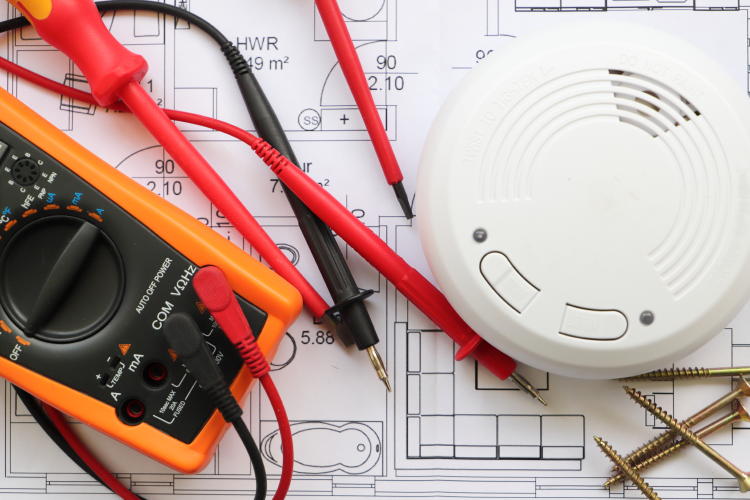
You can choose towired or wireless alarms. ThewirelessThey facilitate installation and areideal in rented homes, while thewiredoffergreater stability and resistance to sabotage.
Connectivity and monitoring
Some alarms allowmonitoring from mobile applications and instant notifications. This connectivity is especially useful in medium or high risk areas.
Maintenance and updates
An alarm system requiresPeriodic reviews and software updates to maintain its effectiveness, especially in areas with greater exposure to crime.
Integration with other security systems
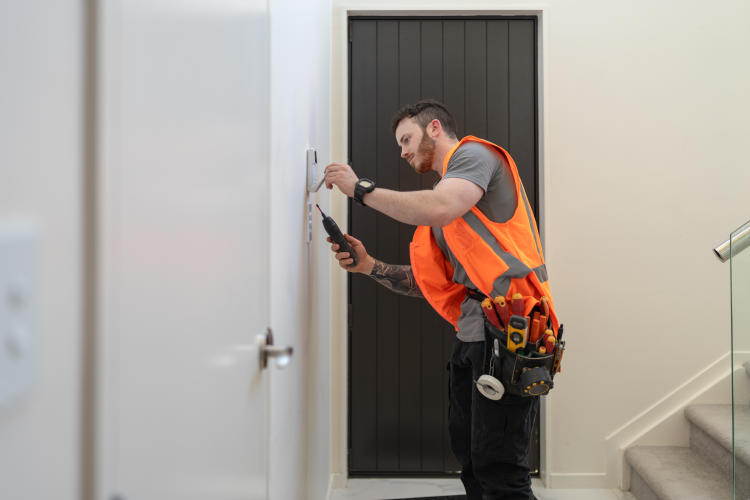
Combining the alarm with other security elements increases overall protection.Integration must consider the housing infrastructureand the vulnerability of the area.
surveillance cameras
They allowmonitor in real time and record any suspicious activity, complementing the alarm function.
Smart locks
Increase the security of main and secondary accesses, offering remote control and alerts of intrusion attempts.

Security lighting
Automatic systems that activate lights upon motion detectionThey deter burglary attempts and improve visibility around the home.
Budget and cost-benefit ratio
The risk level of the area also guides the necessary investment in security. Careful analysis allows you to choose a system that offersmaximum protection without incurring unnecessary expenses.
Comparison of costs by type of alarm
- Basic: low initial cost, minimal maintenance.
- Intermediate: moderate cost, good relationship between safety and price.
- Advanced: high investment, but justified in high-risk areas.

Safety return assessment
Investing in a suitable alarm systemreduces the likelihood of theft and damage, contributingpeace of mind and long-term protection.
Conclusion
Selecting the correct alarm requires an analysis of the risk level of the area, the types of systems available, and additional factors such asconnectivity, maintenance and integration with other devicessecurity.
Un strategic approachensures that the alarm choice provides theadequate protection and optimize investment, adapting to the specific needs of each environment.
Best bedroom hidden cameras | Best Spy Camera Watch | Best low level CO detector | Best Wifi Router EMF Protection | Best Camera for MEVO Plus | Best Security Camera Without Subscription | Best Budget Camera for Blue Iris | Best Barking Dog Alarms | Best Free VPN for Rainbet | Best Solar Powered Security Camera | Alarmes Maison
Browse the Shop
 Acacia frida deluxe solid wood bed frame |
Bedroom bench |
Bed chest drawers |
Lingerie dresser |
Frame base |
Mirror with jewelry storage |
30 Bathroom Vanity |
Memory foam queen mattress |
Mattresses for back pain |
Nightstand set of 2 |
Grand Goldman Shop |
Civil Lawyer
Deutschland Trikot WM 2026
Acacia frida deluxe solid wood bed frame |
Bedroom bench |
Bed chest drawers |
Lingerie dresser |
Frame base |
Mirror with jewelry storage |
30 Bathroom Vanity |
Memory foam queen mattress |
Mattresses for back pain |
Nightstand set of 2 |
Grand Goldman Shop |
Civil Lawyer
Deutschland Trikot WM 2026










