

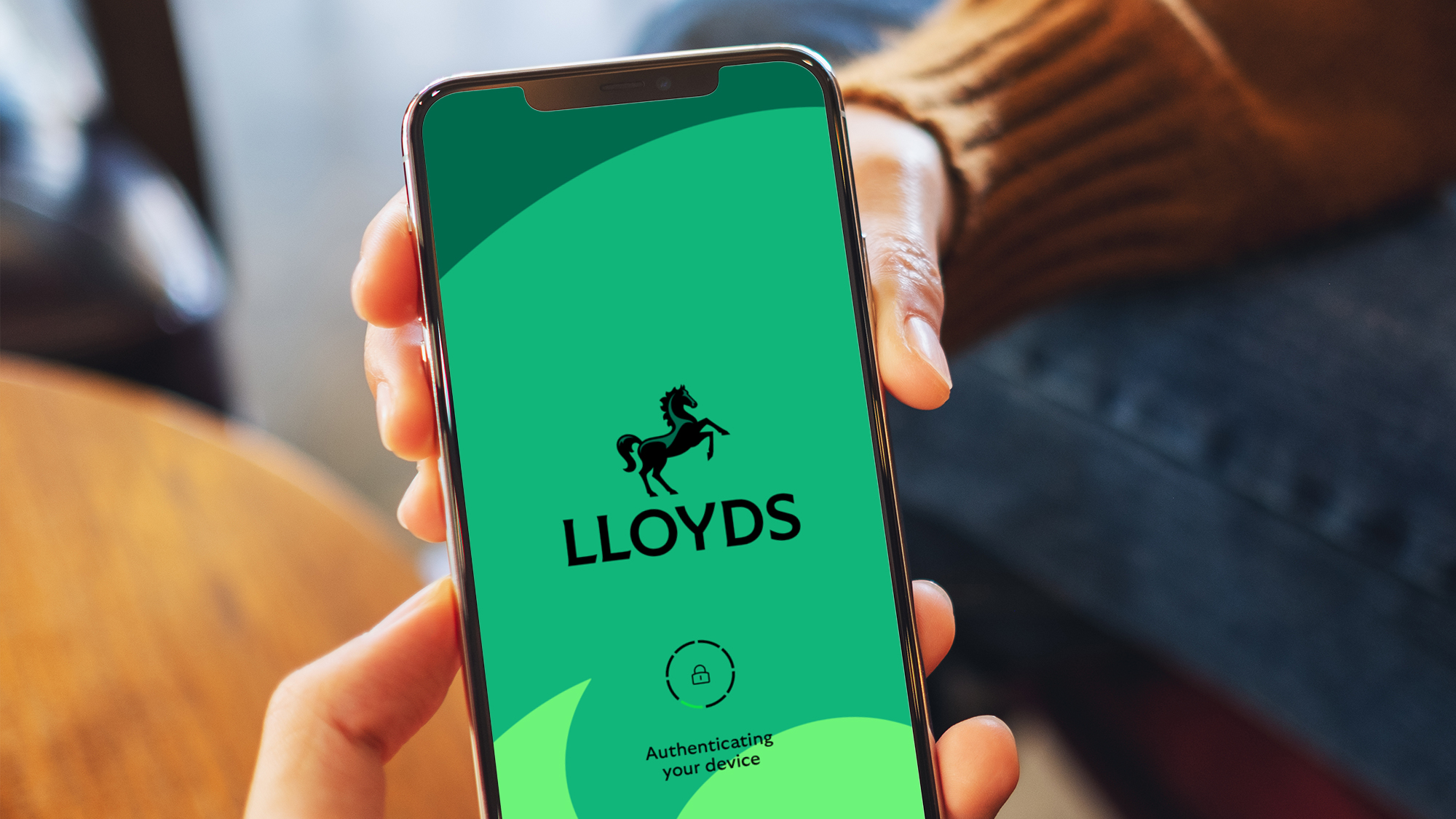
A major technical error at Lloyds Banking Group exposed the personal banking data of up to 447,936 customers on March 12, 2026, after a software defect in an overnight update caused data cross‑contamination within its mobile banking ecosystem. The incident affected customers using the Lloyds, Halifax, and Bank of Scotland mobile apps — all brands operated by the UK financial giant.
What Happened: The Glitch Unveiled
The glitch wasn’t a hack, the bank says. Instead, a faulty backend update briefly caused users’ account screens to show transactions and personal details belonging to other people. In many cases, sensitive data such as account numbers, National Insurance numbers, and payment references appeared on screens viewed by customers who were not the rightful owners.
Find Original, High-end Home Decor that spark conversation at Grand Goldman Shop.

Scale of Exposure: Numbers and Facts
| Metric | Impact |
|---|---|
| Total customers whose data could have been exposed | ~447,936 |
| Customers who actively viewed another’s data | ~114,182 |
| Compensation paid so far | £139,000 |
| Customers compensated | 3,625 |
| Financial losses reported | None confirmed |
| Date of incident | March 12, 2026 |
| Brands involved | Lloyds / Halifax / Bank of Scotland |
| Regulatory reporting | To UK regulators including FCA & ICO |
Data exposure was limited to those who were actively in the app during the glitch window. It’s not yet known how many customers opened screens showing others’ information, but roughly 114,000 clicked into exposed transactions during the period when the defect was live.
What Data Was Exposed?
While Lloyds insists evidence of financial misuse is absent, the nature of the data visible could be sensitive:
- Transaction histories not belonging to the user
- Account details and balances
- National Insurance numbers
- Payment references and third‑party names
This range of personal information is typically protected by UK data protection laws, highlighting the potential severity of the incident even in the absence of confirmed fraud.
Immediate Response: Fixing the Problem
Lloyds says the glitch was identified and resolved on the same morning after it happened — between early hours and the login peak. Customers believed to have seen other users’ details were contacted directly.
The bank also offered “goodwill” compensation payments totalling £139,000 to more than 3,600 people for distress and inconvenience, averaging around £38 per customer. According to Lloyds, there is no confirmed evidence of financial loss tied to the incident.
Regulatory and Parliamentary Scrutiny
Although the glitch did not involve a criminal cyberattack, it has drawn scrutiny from UK lawmakers and regulators for its implications on digital banking resilience.
- The UK Treasury Select Committee demanded detailed explanations and accountability, receiving a letter from Lloyds’ executive outlining the incident.
- Regulators such as the Financial Conduct Authority (FCA) and the Information Commissioner’s Office (ICO) were notified, as required under UK data‑security legislation.
- Lloyds has been asked to provide follow‑up reports one month and six months after the incident to ensure root causes are fully addressed.
Committee chair Dame Meg Hillier highlighted the danger of increasing reliance on digital banking platforms as branches close and more customers shift online. She underscored the need for technological stability and transparency in major banks’ digital infrastructure.
Market Reaction and Impact
The announcement had some financial repercussions. Shares in Lloyds Banking Group slipped as investors processed the potential reputational and operational fallout from the breach, with analysts suggesting the incident adds to broader concerns about tech reliability in finance.
Although there’s no sign of direct monetary loss to customers, the episode still raises questions about long‑term trust in online banking and the effectiveness of safeguards designed to prevent such errors.
Broader Context: Digital Banking Risks
This incident underscores the growing challenge banks face as they migrate core services to digital platforms. While online banking offers convenience, it also increases dependency on software updates and complex backend systems. Incidents like software defects or configuration errors — even without malicious intent — can expose sensitive data if proper testing and quality controls aren’t in place.
Industry regulators worldwide are increasingly focused on digital operational resilience, requiring institutions to strengthen systems against both cyberattacks and technical failures. Lloyds will need to demonstrate robust improvements in internal controls to reassure both customers and regulators.
Customer Guidance After the Glitch
Even though the bank says there’s no evidence of fraud, customers may consider:
- Reviewing recent statements for anomalies
- Changing app login details as a precaution
- Contacting Lloyds support if they suspect specific exposure
- Monitoring credit reports for unexpected activity
Some customers have reported confusion over whether the issue constitutes a “data breach,” highlighting gaps in public understanding about digital mishaps versus hostile intrusions.
What’s Next
Lloyds Banking Group faces ongoing oversight from UK regulators and lawmakers. Planned updates to the Treasury Committee and future reporting obligations are likely to shed further light on systemic shortfalls and corrective actions.
Regulators may also push for industry‑wide standards to prevent similar incidents, emphasising that data security is now as much a part of operational risk management as protecting physical branches or ATMs.
The Lloyds glitch reminds customers and industry watchers alike that digital banking infrastructure must be resilient not just to cyber threats but to basic software errors, too.
Read next - Celebrity
Zendaya and Pattinson bring the drama to Rome premiere | Paul McCartney revisits Liverpool on new solo album | Haaland’s Viking book gift turns sports fame into heritage | BTS ARMY’s $5.3B tour economy is reshaping cities | Schiaparelli exhibit asks when fashion becomes art | AC/DC’s Stevie Young hospitalized before Buenos Aires shows | Netflix eyes global K-pop Demon Hunters concert tour | Ryan Gosling’s Project Hail Mary turns science into event cinema | Netflix tests theaters with Stranger Things animated spinoff | Oscars ratings fall 9% as TV audience habits keep shifting
Technology
Apple taps ex-Google exec to reboot Siri AI marketing | Meta policy chief Monika Bickert exits for Harvard | UK issues new screen-time rules for young children | Austria moves to ban social media for under-14s | Sony may raise PS5 prices again as memory costs climb | SpaceX IPO buzz fuels ticker speculation across social media | WTO nears reform deal despite US-India ecommerce rift | WTO ecommerce moratorium explained: why it matters now | Lloyds IT glitch exposed customer data for 448,000 users | Apple logo at Fifth Avenue signals Big Tech retail resilience |
Browse the Shop
 Acacia frida deluxe solid wood bed frame |
Bedroom bench |
Bed chest drawers |
Lingerie dresser |
Frame base |
Mirror with jewelry storage |
30 Bathroom Vanity |
Memory foam queen mattress |
Mattresses for back pain |
Nightstand set of 2 |
Grand Goldman Shop |
Civil Lawyer
Deutschland Trikot WM 2026
Acacia frida deluxe solid wood bed frame |
Bedroom bench |
Bed chest drawers |
Lingerie dresser |
Frame base |
Mirror with jewelry storage |
30 Bathroom Vanity |
Memory foam queen mattress |
Mattresses for back pain |
Nightstand set of 2 |
Grand Goldman Shop |
Civil Lawyer
Deutschland Trikot WM 2026










