

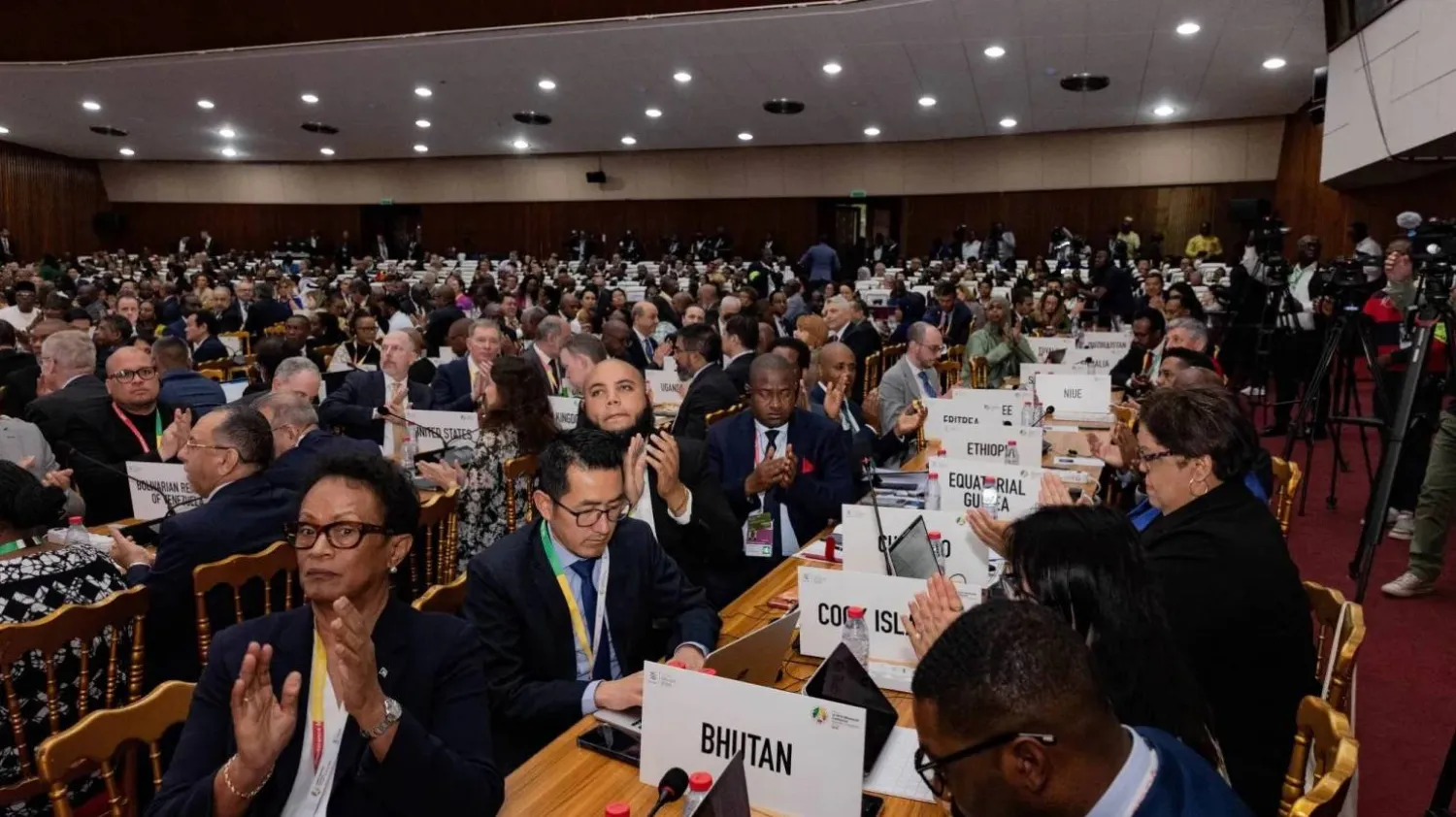
Global trade ministers are on the brink of agreeing a long‑sought reform roadmap for the World Trade Organization (WTO) at its 14th Ministerial Conference (MC14) in Yaoundé, Cameroon, even as sharp disagreements persist between two major powers — the United States and India — over digital trade rules.
A central sticking point remains the extension of a three‑decade‑old moratorium on customs duties for electronic transmissions, as well as broader questions about how the WTO should adapt to the digital era and evolving global trade patterns.
Find Bleeding Edge Supplements at Scandalous Prices on iHerb.

The outcome of these negotiations could determine not only the future effectiveness of the WTO but also the stability of global commerce in sectors ranging from e‑commerce to supply chain flows.
Why WTO Reform Matters
The WTO, established in 1995, is the main multilateral institution governing global trade rules. Its mandate includes reducing trade barriers, resolving disputes, and facilitating negotiations to adapt rules to new economic realities. However, critics say that its consensus‑based decision‑making and outdated frameworks have hindered progress on key issues such as digital commerce and dispute settlement reform.
In recent years, expanding digital trade, supply chain disruptions, and geopolitical tensions have exposed limits in the WTO’s ability to remain responsive and relevant. Reform talks at MC14 aim to address these structural and policy gaps.
The E‑Commerce Moratorium: Core Source of Friction
What Is the E‑Commerce Moratorium?
Since 1998, WTO members have voluntarily refrained from imposing customs duties on electronic transmissions — a rule that helped digital trade flourish by preventing tariffs on downloads, streaming and cross‑border data flows.
The moratorium is now up for renewal, making it one of the most contentious issues in the current negotiations.
| Stakeholder | Position |
|---|---|
| United States | Wants permanent extension to ensure predictability for U.S. tech companies and digital services exports. |
| India | Open to a short‑term extension (two years) but opposes permanent duty ban, citing lost tax revenues. |
| Business Groups | Argue that predictability is vital for investment and stability in global digital trade. |
Diplomats are exploring compromise offers — including four‑year extensions or even longer terms — to bridge these opposing positions.
Why India Objects
India, along with some other developing countries, argues that the moratorium deprives governments of revenue they could collect from digital services. Critics also say that permanent exemptions could undermine sovereign tax policy, especially in economies with lower digital penetration and weaker tax bases.
India has also stressed the importance of maintaining consensus‑based decision‑making and preserving food security mechanisms like public stockholding for farmers — further complicating negotiations.
U.S. Priorities
For the United States, a permanent extension is a strategic priority. Washington argues that uncertainty over tariff treatment could dampen investment and disrupt the global operations of major U.S. tech firms. U.S. negotiators warn that a failure to settle the issue could weaken the WTO’s credibility at a time when trade tensions are already elevated.
Beyond E‑Commerce: Broader Reform Agenda
While the e‑commerce moratorium dominates headlines, WTO reform talks encompass other deep questions:
Improving WTO Decision‑Making
The WTO operates largely on consensus — meaning any one member can block progress. Critics say this approach results in paralysis, particularly on complex issues like digital trade or dispute settlement reform — the system through which countries resolve trade disputes.
Dispute Settlement Reform
The WTO’s dispute settlement system, once hailed as the “crown jewel” of the organization, has been partially ineffective since key appellate positions were left vacant due to U.S. objections in recent years. Many countries see reform of this mechanism as critical to WTO credibility.
Plurilateral Agreements
Some WTO members have pursued plurilateral agreements — trade deals among subsets of members — to address areas like investment facilitation. India has pushed back against incorporating such agreements into broader WTO rules without full consensus, arguing they could erode the organization’s foundational principles.
Emerging Diplomatic Moves
India, Oman, and South Africa Proposal
India, along with Oman and South Africa, submitted a joint work plan focusing on broader WTO reform priorities, including development, decision‑making processes, and support for developing economies. This move signals a collective push for a more inclusive reform framework.
Bilateral Trade Diplomacy
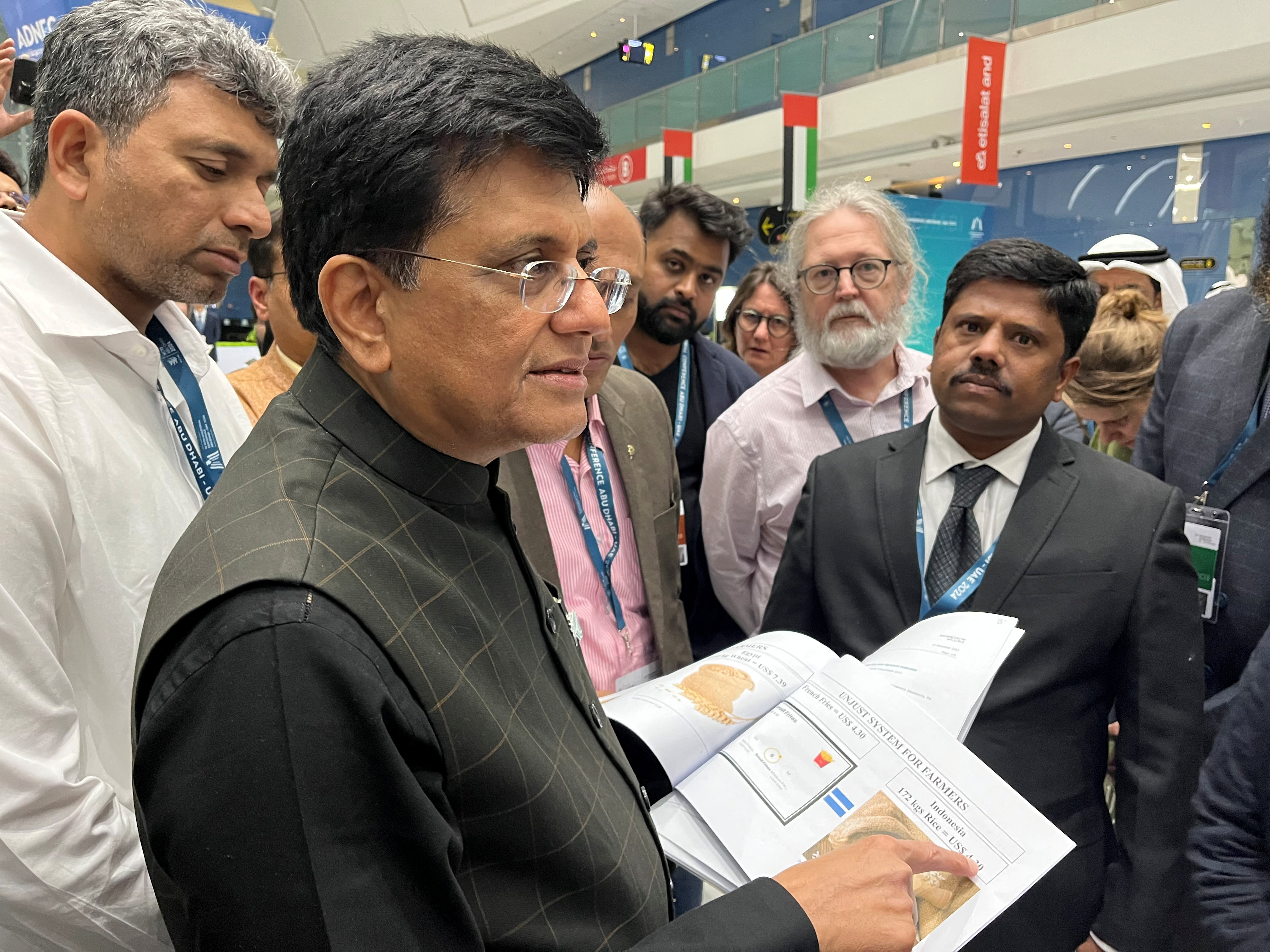
On the sidelines of MC14, India’s trade minister has been engaged in bilateral meetings with partners like the UK and EU to advance separate free trade agendas, including accelerating India‑EU free trade agreement processes.
These parallel efforts illustrate how countries are hedging WTO uncertainties with bilateral and regional deals.
Business and Economic Stakes
A stable and updated WTO framework is vital for global markets. Markets ranging from agriculture to emerging digital services depend on predictable trade rules. Businesses argue that unpredictability — such as the threat of reimposing tariffs on digital transmissions — could increase costs and deter foreign investment.
Moreover, continued stalemate or a weak reform outcome may encourage alternative blocs or agreements outside the WTO — such as the Comprehensive and Progressive Agreement for Trans‑Pacific Partnership (CPTPP) — as some countries pursue deeper integration with like‑minded partners.
What Comes Next
Trade ministers at MC14 are expected to decide on a formal reform roadmap and possibly a compromise extension of the e‑commerce moratorium. The timeline emerging from draft negotiations suggests staged progress on key issues, including digital trade rules, transparency measures, and institutional reforms.
The final outcomes in Yaoundé will have consequences far beyond Cameroon — shaping the rules that govern global trade for years to come.
Summary of Key Issues
- E‑commerce moratorium: U.S. wants permanent extension; India prefers short term.
- Decision‑making reform: WTO’s consensus model under scrutiny.
- Dispute settlement overhaul: Ongoing calls for functional system.
- Plurilateral vs multilateral tension: India adamant on inclusivity.
- Parallel bilateral talks: Nations seek complementary trade deals.
What This Means for Global Trade
If ministers secure a deal, it could strengthen the WTO’s relevance amid rising protectionism and fragmentation. If not, countries may gravitate toward regional alliances, undermining the global multilateral trading system. Either outcome will redefine global economic diplomacy in the digital age.
Read next - Celebrity
Zendaya and Pattinson bring the drama to Rome premiere | Paul McCartney revisits Liverpool on new solo album | Haaland’s Viking book gift turns sports fame into heritage | BTS ARMY’s $5.3B tour economy is reshaping cities | Schiaparelli exhibit asks when fashion becomes art | AC/DC’s Stevie Young hospitalized before Buenos Aires shows | Netflix eyes global K-pop Demon Hunters concert tour | Ryan Gosling’s Project Hail Mary turns science into event cinema | Netflix tests theaters with Stranger Things animated spinoff | Oscars ratings fall 9% as TV audience habits keep shifting
Technology
Apple taps ex-Google exec to reboot Siri AI marketing | Meta policy chief Monika Bickert exits for Harvard | UK issues new screen-time rules for young children | Austria moves to ban social media for under-14s | Sony may raise PS5 prices again as memory costs climb | SpaceX IPO buzz fuels ticker speculation across social media | WTO nears reform deal despite US-India ecommerce rift | WTO ecommerce moratorium explained: why it matters now | Lloyds IT glitch exposed customer data for 448,000 users | Apple logo at Fifth Avenue signals Big Tech retail resilience |
Browse the Shop
 Acacia frida deluxe solid wood bed frame |
Bedroom bench |
Bed chest drawers |
Lingerie dresser |
Frame base |
Mirror with jewelry storage |
30 Bathroom Vanity |
Memory foam queen mattress |
Mattresses for back pain |
Nightstand set of 2 |
Grand Goldman Shop |
Civil Lawyer
Deutschland Trikot WM 2026
Acacia frida deluxe solid wood bed frame |
Bedroom bench |
Bed chest drawers |
Lingerie dresser |
Frame base |
Mirror with jewelry storage |
30 Bathroom Vanity |
Memory foam queen mattress |
Mattresses for back pain |
Nightstand set of 2 |
Grand Goldman Shop |
Civil Lawyer
Deutschland Trikot WM 2026










