

Sony is once again pushing the price of PlayStation hardware higher, and this time the pressure is coming from a part of the tech supply chain most gamers never think about: memory. Rising DRAM and NAND flash costs, fueled by AI server demand and tighter semiconductor supply, are now hitting the console market hard enough to force another PlayStation 5 price jump.
For consumers, that means the PS5 is getting more expensive late in its lifecycle instead of cheaper. For the gaming industry, it is a warning that the economics behind consoles, accessories, and even game pricing are shifting faster than many expected.
Find Bleeding Edge Supplements at Scandalous Prices on iHerb.


Sony Confirms Another PS5 Price Increase
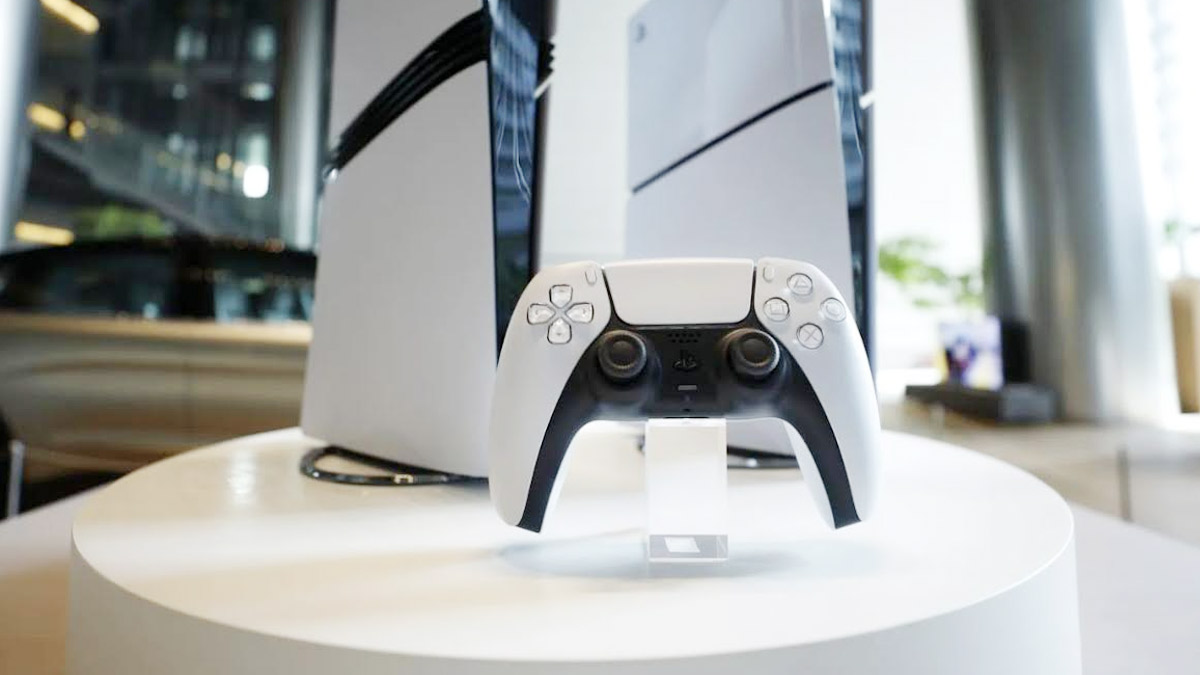
Sony has confirmed a broad new wave of PS5 price increases that take effect on April 2, 2026. In the United States, the standard PS5 will rise to $649.99, the Digital Edition to $599.99, and the PS5 Pro to $899.99, while the PlayStation Portal will move up to $249.99.
This is not a one-off correction. It marks Sony’s second major PS5 hardware price increase in less than a year and the latest in a broader pattern that began back in 2022, when the company cited inflation and global economic pressures for raising PlayStation prices in multiple markets.
Why PS5 Prices Are Rising Instead of Falling
Console pricing usually moves in one direction over time: down. As hardware ages and manufacturing becomes more efficient, companies typically cut prices to attract late adopters and keep momentum going.
That is not happening with the PS5.
The real issue: memory and storage costs
The biggest reason appears to be the surge in memory chip costs. AI infrastructure spending has created intense competition for DRAM and NAND flash, as cloud and data center companies are willing to pay more for high-margin memory products. That leaves fewer favorable supply conditions for consumer electronics makers like Sony.
Sony’s own hardware business is showing signs of strain beyond consoles. The company has also suspended orders for many memory card products in Japan due to supply shortages, a sign that the broader memory squeeze is not theoretical — it is already disrupting Sony’s consumer product pipeline.
More than just chips
Memory is likely the headline cause, but not the only one. Global logistics pressure, inflation, and geopolitical disruption are still feeding into hardware costs across the industry. Analysts cited by industry outlets say these pressures could persist rather than ease in the near term.
Updated PS5 Prices at a Glance
| Product | Previous U.S. Price | New U.S. Price | Increase |
|---|---|---|---|
| PS5 Standard | $549.99 | $649.99 | +$100 |
| PS5 Digital Edition | $499.99 | $599.99 | +$100 |
| PS5 Pro | $749.99 | $899.99 | +$150 |
| PlayStation Portal | $199.99 | $249.99 | +$50 |
These new prices significantly change the value equation for buyers who may have been waiting for a “deal year” to enter the PlayStation ecosystem. Instead of a mid-cycle discount, shoppers are seeing near-premium pricing on hardware that has already been on the market for around six years.
What This Means for Gamers
For players, the most immediate impact is simple: the cost of getting into current-gen gaming is rising.
A new PS5 Digital Edition at $599.99 is no longer positioned as an affordable mainstream entry point. Once a second controller, headset, subscription, or a couple of games are added, the total cost of ownership climbs fast.
The “wait and save” strategy may no longer work
Historically, many gamers waited a few years after launch to buy a console at a better price. Sony’s latest move breaks that expectation and suggests that waiting may no longer guarantee savings in the current hardware climate.
Accessory and software costs could keep rising too
Hardware is not the only area under pressure. Sony already helped normalize $70 game pricing at the start of the PS5 generation, with early first-party titles such as Demon’s Souls and Marvel’s Spider-Man: Miles Morales Ultimate Edition setting the tone. That earlier pricing shift now looks less like an exception and more like the first stage of a longer premium-pricing strategy.
Why This Matters Beyond PlayStation
Sony’s move could ripple across the entire gaming industry.
Microsoft and Nintendo may feel the same pressure
Industry analysts quoted in recent coverage say it would not be surprising if Microsoft and Nintendo also adjust hardware pricing if memory and component costs remain elevated. That does not guarantee immediate increases, but it does show the PS5 hike is being viewed as part of a broader industry cost problem rather than a Sony-only decision.
Console growth could slow in 2026
Higher hardware prices tend to shrink the addressable market. Reuters reported that Sony’s PS5 holiday-quarter sales fell 16% year over year to 8 million units, suggesting demand may already be cooling even before this latest increase fully kicks in.
That matters because the console business depends on scale. Fewer console buyers can eventually affect software sales, subscription growth, and the broader health of the gaming ecosystem.
Should Buyers Wait or Buy Now?
For shoppers considering a PS5, the answer depends on timing and budget.
Buy now if:
- You already planned to purchase within the next few weeks
- You want a disc model before stock gets repriced
- You are comparing the PS5 against a gaming PC and still prefer console simplicity
Wait if:
- You expect seasonal bundles or retailer promos later in the year
- You are mostly interested in a smaller number of exclusives
- You can hold out for used, refurbished, or second-hand deals
Retailers may still have some pre-increase inventory, but once repricing filters through the channel, the new baseline is likely to stick unless Sony sees a sharp demand slowdown.
The Bigger Takeaway
Sony raising PS5 prices again is a sign of how unusual the 2026 consumer tech market has become. Instead of cheaper aging hardware, buyers are facing a world where AI-driven chip demand, supply chain instability, and inflation are rewriting the usual lifecycle of gaming consoles.
The PS5 was supposed to become more accessible as it matured. Instead, it is becoming more expensive, and that could define not just the rest of this console generation, but the economics of the next one too.
FAQs
Why is Sony raising PS5 prices in 2026?
Sony is raising prices largely because memory and storage component costs have increased, with AI infrastructure demand tightening supply for consumer electronics. Broader inflation and supply chain pressure are also contributing factors.
How much is the PS5 price increase?
In the U.S., the standard PS5 and Digital Edition are both increasing by $100, while the PS5 Pro is increasing by $150. The PlayStation Portal is also going up by $50.
Are PS5 game prices rising too?
Game pricing pressure has existed since the start of the generation, with Sony helping establish the $70 standard for major next-gen releases. That trend suggests software costs could remain elevated even if not every title rises further right away.
Will Xbox or Nintendo raise prices too?
There is no official confirmation, but analysts say Sony’s move could be a sign of wider pricing pressure across the console industry if component costs stay high.
Read next - Celebrity
Zendaya and Pattinson bring the drama to Rome premiere | Paul McCartney revisits Liverpool on new solo album | Haaland’s Viking book gift turns sports fame into heritage | BTS ARMY’s $5.3B tour economy is reshaping cities | Schiaparelli exhibit asks when fashion becomes art | AC/DC’s Stevie Young hospitalized before Buenos Aires shows | Netflix eyes global K-pop Demon Hunters concert tour | Ryan Gosling’s Project Hail Mary turns science into event cinema | Netflix tests theaters with Stranger Things animated spinoff | Oscars ratings fall 9% as TV audience habits keep shifting
Technology
Apple taps ex-Google exec to reboot Siri AI marketing | Meta policy chief Monika Bickert exits for Harvard | UK issues new screen-time rules for young children | Austria moves to ban social media for under-14s | Sony may raise PS5 prices again as memory costs climb | SpaceX IPO buzz fuels ticker speculation across social media | WTO nears reform deal despite US-India ecommerce rift | WTO ecommerce moratorium explained: why it matters now | Lloyds IT glitch exposed customer data for 448,000 users | Apple logo at Fifth Avenue signals Big Tech retail resilience |
Browse the Shop
 Acacia frida deluxe solid wood bed frame |
Bedroom bench |
Bed chest drawers |
Lingerie dresser |
Frame base |
Mirror with jewelry storage |
30 Bathroom Vanity |
Memory foam queen mattress |
Mattresses for back pain |
Nightstand set of 2 |
Grand Goldman Shop |
Civil Lawyer
Deutschland Trikot WM 2026
Acacia frida deluxe solid wood bed frame |
Bedroom bench |
Bed chest drawers |
Lingerie dresser |
Frame base |
Mirror with jewelry storage |
30 Bathroom Vanity |
Memory foam queen mattress |
Mattresses for back pain |
Nightstand set of 2 |
Grand Goldman Shop |
Civil Lawyer
Deutschland Trikot WM 2026










