

A major new study published in April 2026 has found that Body Mass Index (BMI)—one of the most widely used metrics in clinical medicine and public health—misclassifies the health status of more than one-third of adults. By comparing BMI-based classifications to precise body fat measurements obtained through dual-energy X-ray absorptiometry (DXA) scans, researchers exposed systematic errors that have profound implications for clinical practice.
The Science Behind the Study
DXA scanning provides a direct, highly accurate measurement of adipose tissue, lean muscle mass, and bone density—information that BMI, a simple ratio of weight to height, cannot capture. The study found that a substantial proportion of individuals classified as "normal weight" by BMI were actually carrying excess body fat, while others classified as "overweight" had healthy fat levels and high muscle mass. These errors span age, sex, and ethnic groups.
Find Original, High-end Home Decor that spark conversation at Grand Goldman Shop.
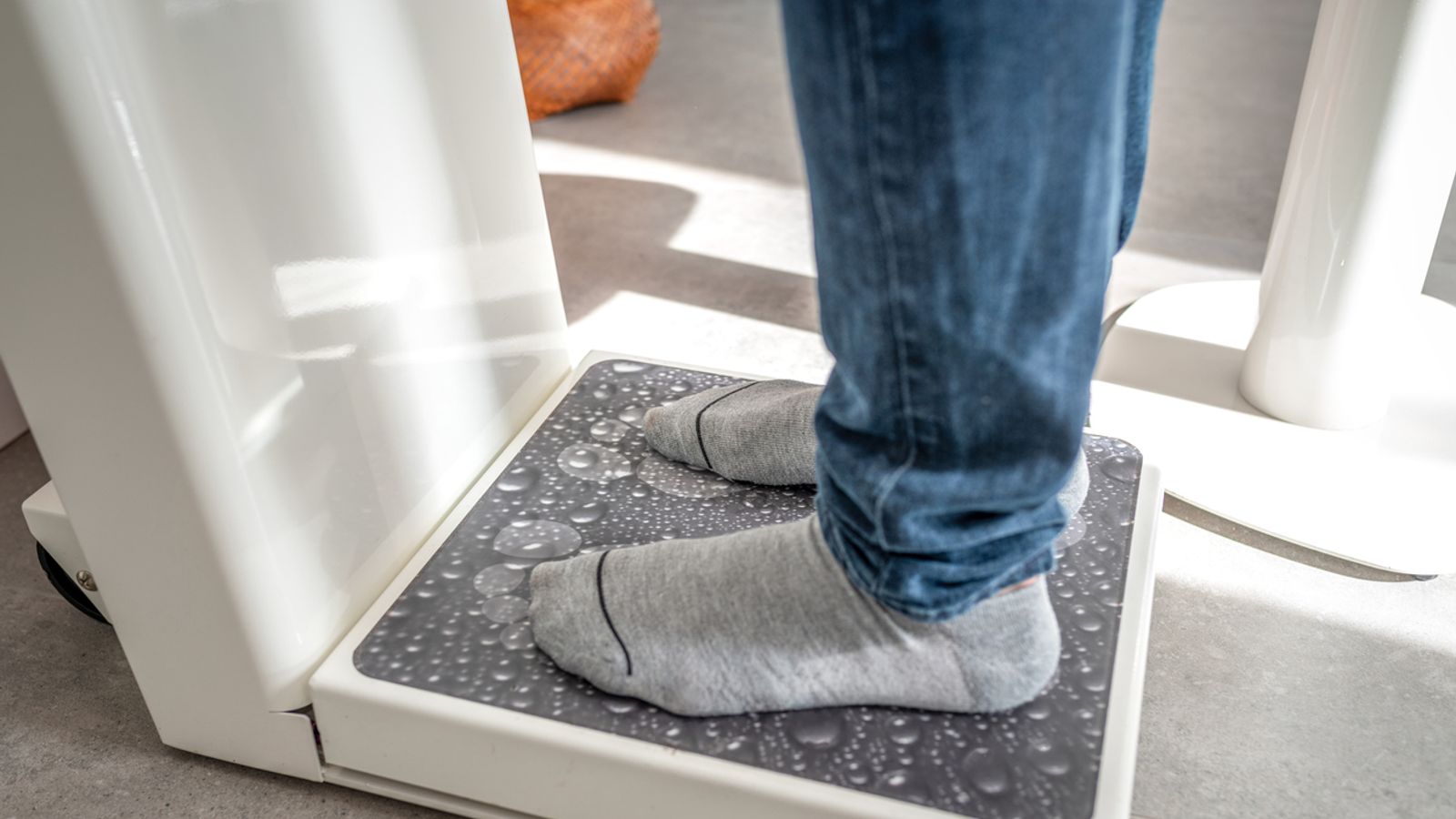
Who Is Most Affected?
Older adults, particularly women, are disproportionately misclassified because muscle loss with aging reduces weight even as fat accumulates. Athletes and individuals with high muscle mass often register as overweight or obese on the BMI scale despite having low and healthy body fat percentages. Researchers also found systematic racial and ethnic biases in BMI thresholds, which were largely derived from studies of European-descended populations.
Clinical and Policy Implications
The findings challenge healthcare systems to move beyond BMI as a primary health screening tool. The researchers recommend integrating waist circumference, body composition analysis, and metabolic biomarkers into routine assessments to obtain a more accurate picture of individual health risk. Insurance-based BMI thresholds—used to determine coverage for weight loss treatments—may also need to be revisited.
What Patients Should Do
Individuals concerned about their metabolic health are encouraged to request a more comprehensive cardiometabolic assessment from their healthcare providers, including fasting glucose, lipid panels, and blood pressure measurements. Ultimately, the study reinforces the message that health cannot be reduced to a single number—and that personalized, evidence-based evaluation is essential for accurate diagnosis and effective preventive care.
Read next - Health
2026 measles outbreak | drug import tariffs | CDC testing pause | healthcare top concern | hearing gene therapy | cholesterol drug breakthrough | Title X funding | Iowa Medicaid tax | deep sleep hormone | BMI accuracy study
Science
Artemis II launch | forbidden black holes | Starship to Uranus | fusion plasma mystery | China R&D lead | dynamic DNA movement | quantum computer plan | magnetic field mystery | DNA robots medicine | ocean nanoplastics discovery
Birthright citizenship case | Section 230 lawsuits | Roundup cancer lawsuits | conversion therapy ruling | ISP copyright ruling | tariffs authority ruling | social media trials | Monsanto Supreme Court | talc asbestos verdicts | death penalty bias
Browse the Shop
 Acacia frida deluxe solid wood bed frame |
Bedroom bench |
Bed chest drawers |
Lingerie dresser |
Frame base |
Mirror with jewelry storage |
30 Bathroom Vanity |
Memory foam queen mattress |
Mattresses for back pain |
Nightstand set of 2 |
Grand Goldman Shop |
Civil Lawyer
Deutschland Trikot WM 2026
Acacia frida deluxe solid wood bed frame |
Bedroom bench |
Bed chest drawers |
Lingerie dresser |
Frame base |
Mirror with jewelry storage |
30 Bathroom Vanity |
Memory foam queen mattress |
Mattresses for back pain |
Nightstand set of 2 |
Grand Goldman Shop |
Civil Lawyer
Deutschland Trikot WM 2026










