

Iowa Governor Kim Reynolds signed legislation in late March 2026 raising the state's Medicaid managed care insurance tax from 0.925% to 3.5%, retroactive to January 1. The move is a direct response to deep federal Medicaid funding cuts embedded in the Trump administration's budget reconciliation legislation, and represents a growing trend of states scrambling to backfill lost federal health dollars.
Why States Are Feeling the Pinch
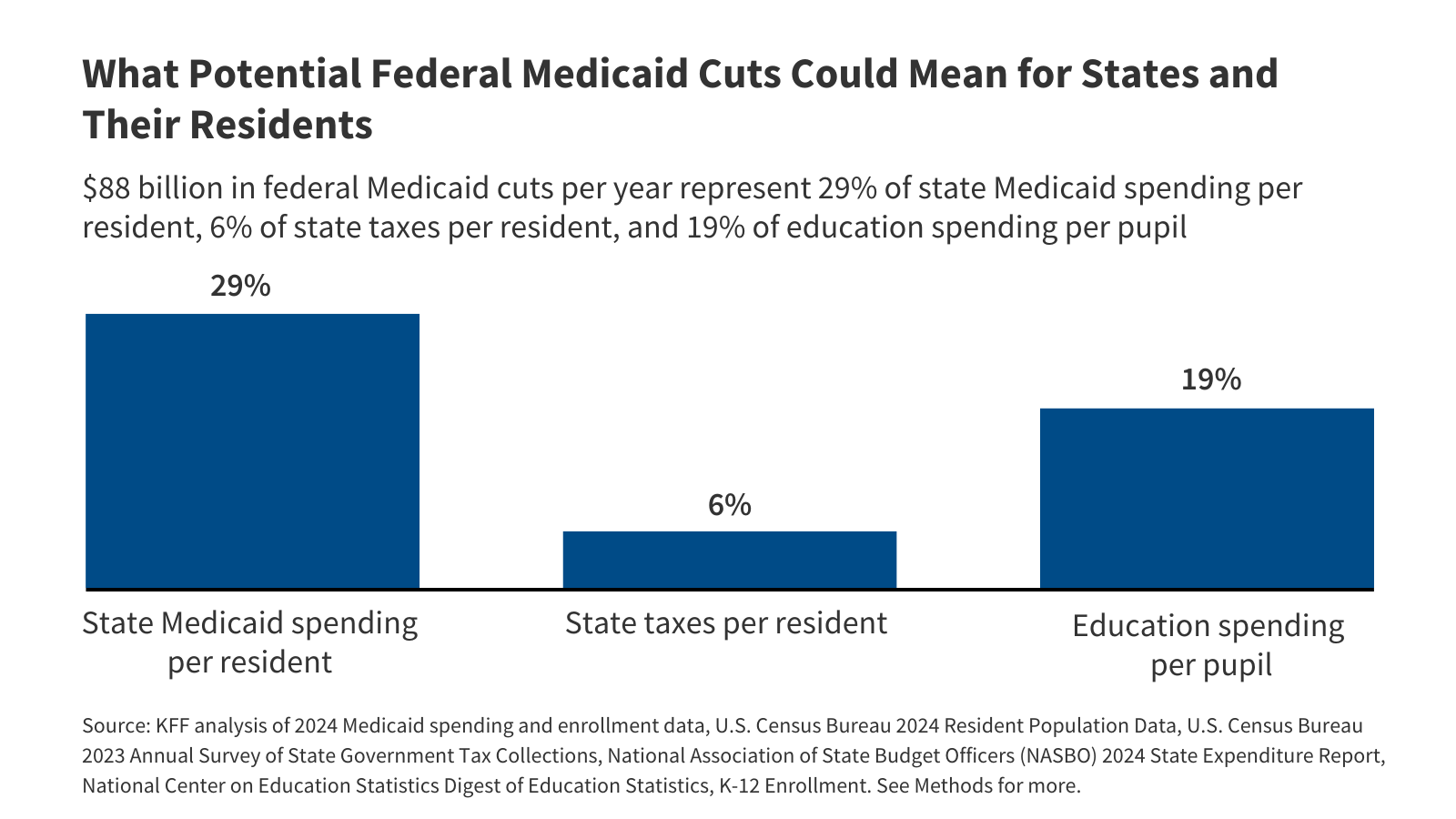
The federal Medicaid cuts enacted in 2025 have created significant fiscal pressure on state health budgets nationwide. Under the reconciliation bill, new work requirements and eligibility restrictions are expected to reduce federal matching payments, forcing states to either cut benefits, reduce enrollment, or find alternative revenue sources. Iowa chose the latter—at least temporarily—by taxing its managed care contractors.
Find Original Home Decor sparking conversation at Grand Goldman Shop.

How the Tax Works
The increased health insurance tax applies specifically to Medicaid managed care organizations (MCOs)—private insurers that administer Medicaid benefits under contract with the state. The tax rate will drop back to approximately 0.95% after September 30, suggesting it is intended as a short-term bridge while the state evaluates longer-term options. The retroactive application is unusual and may face legal scrutiny from the insurers involved.
A Bellwether for Other States
Iowa's approach may signal a broader national trend. Dozens of states are examining similar measures, including expanding provider taxes, raiding reserve funds, and curtailing optional Medicaid benefits to close budget gaps created by federal policy shifts. Health policy analysts warn that the cumulative effect of these state-level fiscal adjustments will ultimately be felt by Medicaid beneficiaries in the form of reduced access and benefits.
What Patients Should Know
For Iowa's approximately 700,000 Medicaid enrollees, the tax change is unlikely to have any immediate direct impact. However, advocates caution that if the state's fiscal situation worsens, future cuts to covered services—including dental care, vision, and mental health services—could follow. The situation underscores the fragility of state-federal Medicaid partnerships during periods of federal policy retrenchment.
Read next - Health
2026 measles outbreak | drug import tariffs | CDC testing pause | healthcare top concern | hearing gene therapy | cholesterol drug breakthrough | Title X funding | Iowa Medicaid tax | deep sleep hormone | BMI accuracy study
Science
Artemis II launch | forbidden black holes | Starship to Uranus | fusion plasma mystery | China R&D lead | dynamic DNA movement | quantum computer plan | magnetic field mystery | DNA robots medicine | ocean nanoplastics discovery
Birthright citizenship case | Section 230 lawsuits | Roundup cancer lawsuits | conversion therapy ruling | ISP copyright ruling | tariffs authority ruling | social media trials | Monsanto Supreme Court | talc asbestos verdicts | death penalty bias
Browse the Shop
 Acacia frida deluxe solid wood bed frame |
Bedroom bench |
Bed chest drawers |
Lingerie dresser |
Frame base |
Mirror with jewelry storage |
30 Bathroom Vanity |
Memory foam queen mattress |
Mattresses for back pain |
Nightstand set of 2 |
Grand Goldman Shop |
Civil Lawyer
Deutschland Trikot WM 2026
Acacia frida deluxe solid wood bed frame |
Bedroom bench |
Bed chest drawers |
Lingerie dresser |
Frame base |
Mirror with jewelry storage |
30 Bathroom Vanity |
Memory foam queen mattress |
Mattresses for back pain |
Nightstand set of 2 |
Grand Goldman Shop |
Civil Lawyer
Deutschland Trikot WM 2026







