

Federal funding for the Title X family planning program—which supports reproductive health services for over 2.8 million Americans annually—is at risk of lapsing due to delays by the Trump administration in processing annual grant renewals. Health clinics that depend on Title X funds rely on them to provide birth control, cancer screenings, STI testing, and wellness exams, primarily to low-income and uninsured patients.
What is Title X?
Enacted in 1970, Title X is the only federal grant program dedicated exclusively to family planning and reproductive preventive care. Clinics funded through the program serve patients regardless of ability to pay, acting as a safety net for communities with limited access to private healthcare. Approximately 4,000 clinics nationwide depend on Title X funding for a significant portion of their operating budgets.
Find Original, High-end Home Decor that spark conversation at Grand Goldman Shop.
The Funding Delay
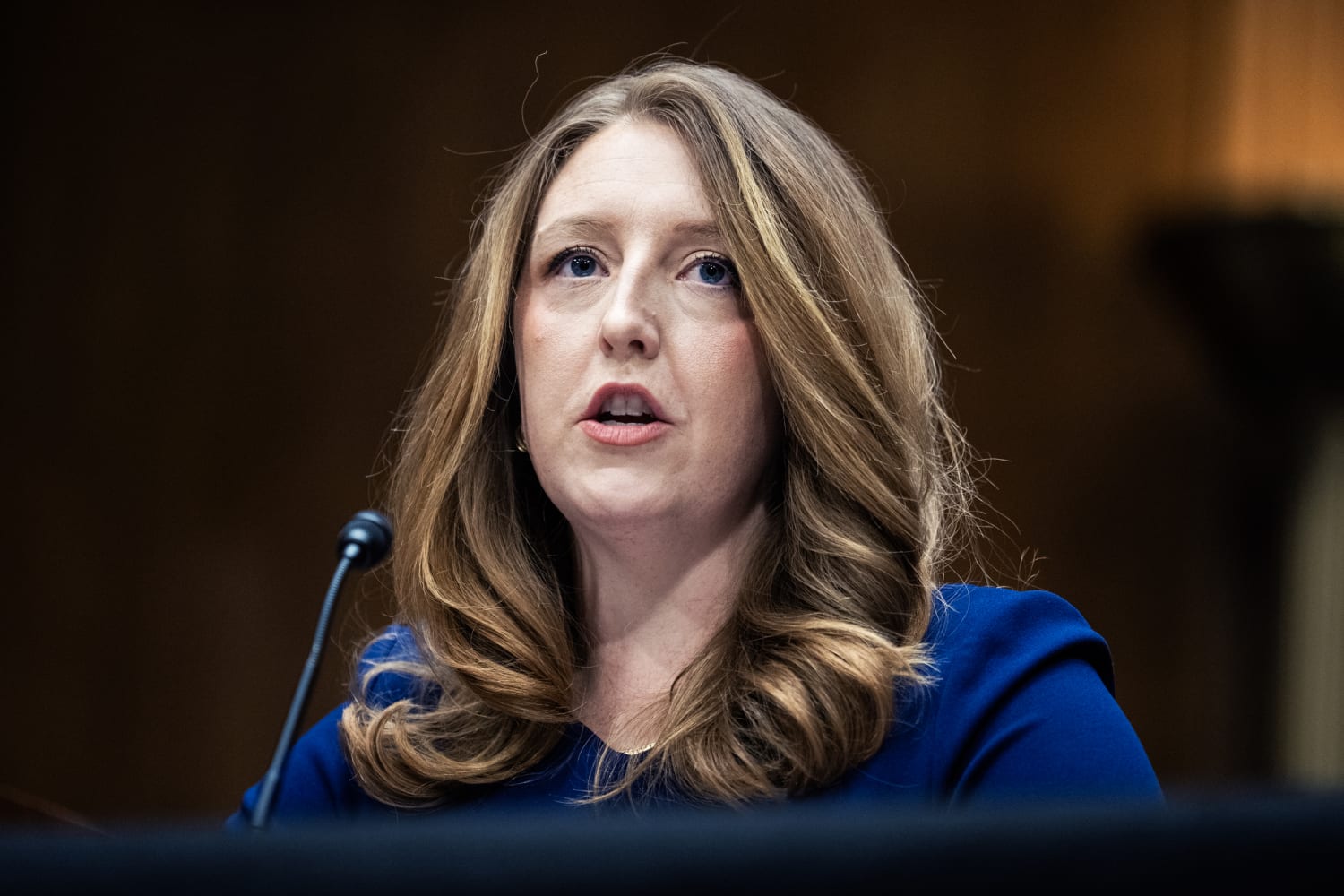
April 1 marks the traditional date when Title X annual grants are renewed. In 2026, the Trump administration's Department of Health and Human Services has not released funds on schedule, citing an ongoing policy review. Clinics report being unable to plan staffing, maintain supply inventories, or continue outreach programs without confirmation of federal funding continuity.
Impact on Vulnerable Patients
The consequences of a funding lapse would fall disproportionately on low-income women and men, rural communities, and uninsured individuals. Services at risk include not just contraception, but cervical cancer screenings, breast exams, and HIV testing—preventive care that is difficult or impossible for many patients to access otherwise. Advocates warn that funding gaps translate directly into delayed diagnoses and preventable health crises.
Political Background
The Title X program has been a flashpoint in the broader battle over reproductive health policy. The Trump administration has historically sought to exclude providers who offer abortion referrals from Title X eligibility. Critics argue the current delay is a de facto defunding strategy that undermines the program without a formal policy change—a tactic they say puts millions of Americans' health at risk.
Read next - Health
2026 measles outbreak | drug import tariffs | CDC testing pause | healthcare top concern | hearing gene therapy | cholesterol drug breakthrough | Title X funding | Iowa Medicaid tax | deep sleep hormone | BMI accuracy study
Science
Artemis II launch | forbidden black holes | Starship to Uranus | fusion plasma mystery | China R&D lead | dynamic DNA movement | quantum computer plan | magnetic field mystery | DNA robots medicine | ocean nanoplastics discovery
Birthright citizenship case | Section 230 lawsuits | Roundup cancer lawsuits | conversion therapy ruling | ISP copyright ruling | tariffs authority ruling | social media trials | Monsanto Supreme Court | talc asbestos verdicts | death penalty bias
Browse the Shop
 Acacia frida deluxe solid wood bed frame |
Bedroom bench |
Bed chest drawers |
Lingerie dresser |
Frame base |
Mirror with jewelry storage |
30 Bathroom Vanity |
Memory foam queen mattress |
Mattresses for back pain |
Nightstand set of 2 |
Grand Goldman Shop |
Civil Lawyer
Deutschland Trikot WM 2026
Acacia frida deluxe solid wood bed frame |
Bedroom bench |
Bed chest drawers |
Lingerie dresser |
Frame base |
Mirror with jewelry storage |
30 Bathroom Vanity |
Memory foam queen mattress |
Mattresses for back pain |
Nightstand set of 2 |
Grand Goldman Shop |
Civil Lawyer
Deutschland Trikot WM 2026










