

For years, environmental scientists puzzled over a striking discrepancy: models predicted far more floating plastic in the world's oceans than observation surveys could account for.
A landmark study published in March 2026 has solved the mystery: the missing plastic has not vanished—it has broken down into nanoplastics, particles so small they are invisible to conventional detection methods, now distributed throughout the global ocean.
Find Original, High-end Home Decor that spark conversation at Grand Goldman Shop.
The Scale of the Problem
Researchers estimate that trillions of nanoplastic particles—defined as fragments smaller than one micrometer—now permeate ocean waters from the surface to the deep sea floor.
Unlike the familiar floating debris patches, nanoplastics are suspended throughout the water column, incorporated into marine sediments, and taken up by marine organisms across the food web. The quantities involved dwarf what scientists previously understood as ocean plastic pollution.
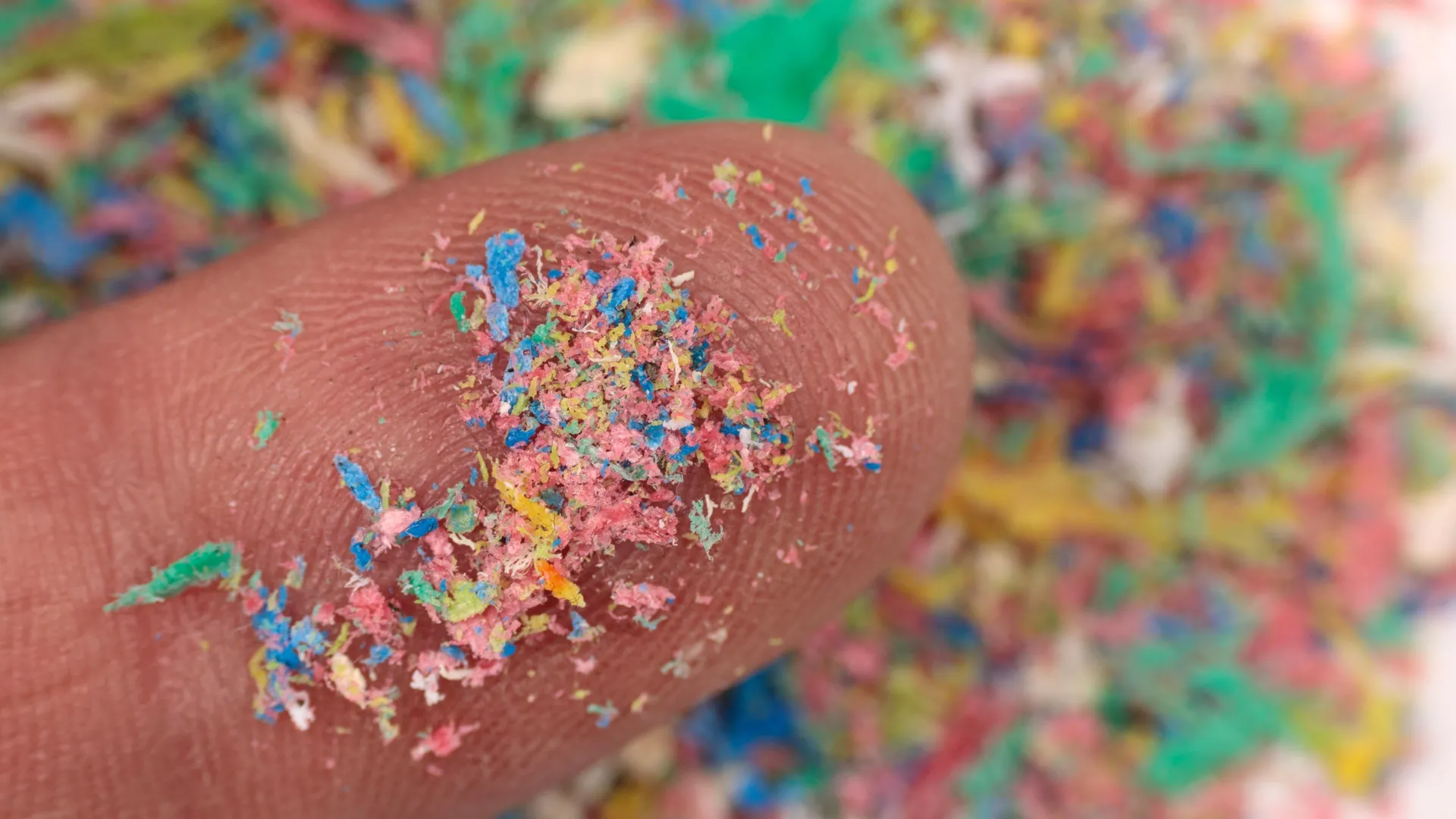
How Plastic Becomes Nanoplastic
Ultraviolet radiation from sunlight, wave action, and microbial activity gradually degrade larger plastic debris into progressively smaller fragments over years and decades. Microplastics—already a well-documented concern—continue to fragment further into nanoplastics that pass through the cellular membranes of marine organisms and ultimately accumulate in tissues. This process is essentially irreversible on human timescales.
Health and Ecosystem Implications
The ubiquity of nanoplastics in marine ecosystems poses serious questions for seafood safety and ecosystem health. Studies have demonstrated that nanoplastics can penetrate cell membranes, cause oxidative stress, disrupt hormonal signaling, and carry associated chemical pollutants into biological systems. Humans consuming seafood, drinking water, and sea salt are already routinely exposed to nanoplastic particles.
Policy Urgency
The findings add urgency to international negotiations on a Global Plastics Treaty, with delegates gathered under UN auspices to finalize binding commitments on plastic production reduction, waste management, and extended producer responsibility. Scientists and environmental advocates argue that the nanoplastic crisis makes the case for dramatic reductions in primary plastic production—not merely improved waste management—more compelling than ever.
Read next - Health
2026 measles outbreak | drug import tariffs | CDC testing pause | healthcare top concern | hearing gene therapy | cholesterol drug breakthrough | Title X funding | Iowa Medicaid tax | deep sleep hormone | BMI accuracy study
Science
Artemis II launch | forbidden black holes | Starship to Uranus | fusion plasma mystery | China R&D lead | dynamic DNA movement | quantum computer plan | magnetic field mystery | DNA robots medicine | ocean nanoplastics discovery
Birthright citizenship case | Section 230 lawsuits | Roundup cancer lawsuits | conversion therapy ruling | ISP copyright ruling | tariffs authority ruling | social media trials | Monsanto Supreme Court | talc asbestos verdicts | death penalty bias
Best Products We’ve Tested and Rated

Our testing team has hands-on reviews of campground state land ny, free ny, free rv parks massachusetts, hammock, and fan. Every option below was compared across price, build quality, and real-world performance, with honest pros and cons. We update these guides regularly as new models arrive, so the recommendations stay current.
Our testing team has hands-on reviews of mug, tv antennas camper, gear families, toilet, and kettle. Every option below was compared across price, build quality, and real-world performance, with honest pros and cons. We update these guides regularly as new models arrive, so the recommendations stay current.
Browse the Shop
 Acacia frida deluxe solid wood bed frame |
Bedroom bench |
Bed chest drawers |
Lingerie dresser |
Frame base |
Mirror with jewelry storage |
30 Bathroom Vanity |
Memory foam queen mattress |
Mattresses for back pain |
Nightstand set of 2 |
Grand Goldman Shop |
Civil Lawyer
Deutschland Trikot WM 2026
Acacia frida deluxe solid wood bed frame |
Bedroom bench |
Bed chest drawers |
Lingerie dresser |
Frame base |
Mirror with jewelry storage |
30 Bathroom Vanity |
Memory foam queen mattress |
Mattresses for back pain |
Nightstand set of 2 |
Grand Goldman Shop |
Civil Lawyer
Deutschland Trikot WM 2026







