

Installing an alarm is one of the most effective steps to Protect a home or business against theft, but the anti-sabotage approach is key: protect your alarm from tampering and deactivation, since even a very advanced system can lose its effectiveness if it is manipulated.
-
Tamper anti-sabotage system: are you interested in your home?
Find Bleeding Edge Supplements at Scandalous Prices on iHerb.

Intruders can disable it or interfere with your communications, so it's important to protect it. In this article we will seehow to protect your alarm against tampering and deactivation, what risks really exist and what measures help to strengthen the security of the system.
What is alarm sabotage?
Sabotage of an alarm consists ofattempt to manipulate or disable the security systemto prevent it from detecting an intrusion or to prevent it from sending an alert.
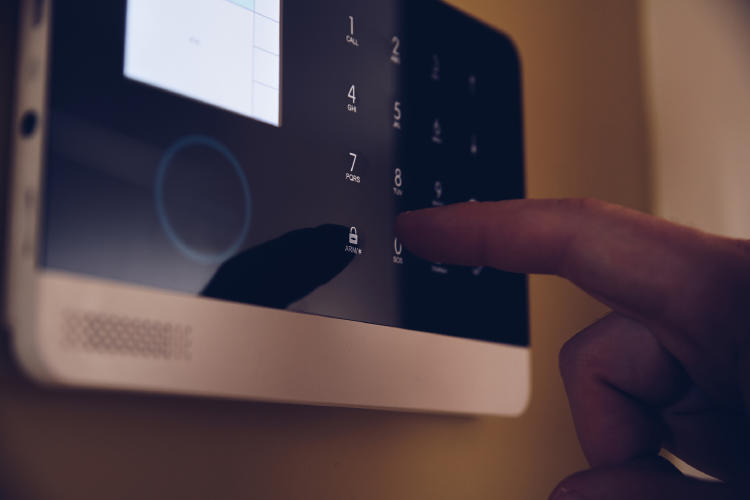
There are various forms of sabotage, from physical actions to attempts at electronic interference. Some common examples include:
- Cut power cables
- Tamper with or remove sensors
- Block wireless signal
- Access the control panel to disable the system
- Interfere with Internet connection
Although these situations are not extremely frequent, they can occur if the system does not have adequate protection mechanisms.
Why it is important to protect the alarm against tampering
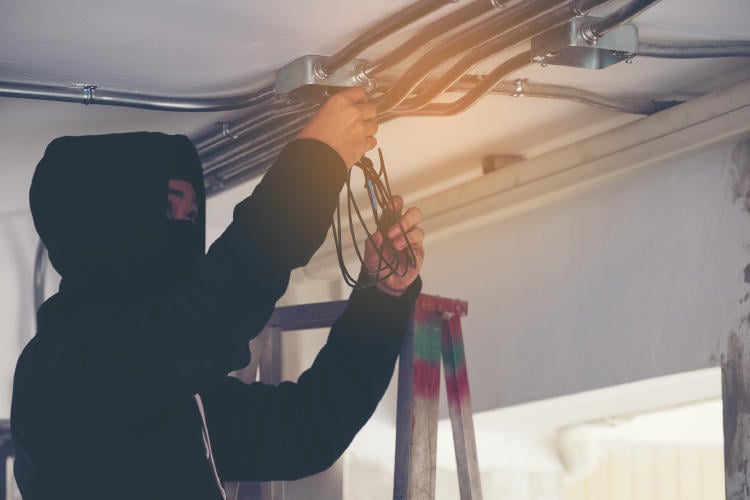
A security system must not only detect intrusions, it must alsodetect manipulation attempts. If someone tries to tamper with the system, ideally the alarm will go off immediately or send an alert.
Modern systems incorporate anti-sabotage functions precisely to prevent the system from being deactivated without the owner knowing.
In many cases, these measures function as asecond level of protection- Even if someone tries to tamper with a sensor or disconnect a device, the system can detect it and react.
Anti-tamper sensors: the first line of defense

One of the most important elements in anti-sabotage protection are theanti-tamper sensors. These sensors detect if a device has been physically tampered with.
For example, if someone tries:
- Open the sensor housing
- Remove the device from the wall
- Disassemble the siren
In these cases, the system can generate an immediate alert. This type of protection is especially useful in devices such as motion sensors, outdoor sirens, control panels or security cameras.
Control panel protection
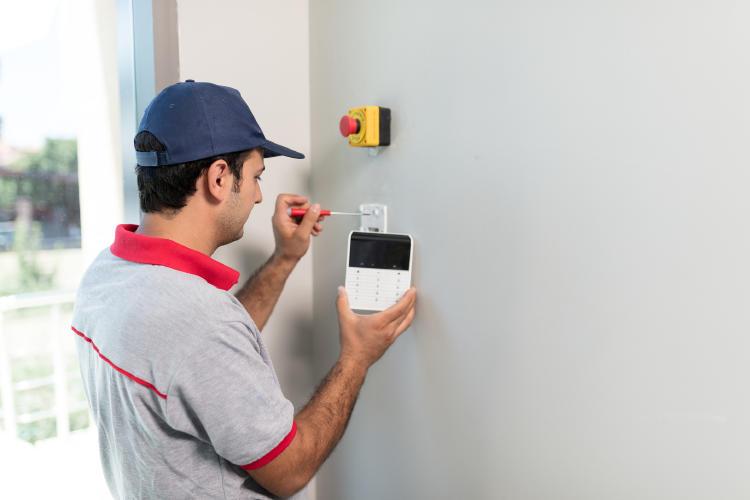
The control panel or alarm center is the “brain” of the system. If someone accesses it, they could try to disable the system.
That is why it is important:
- Place the panel in an inconspicuous area
- Avoid installing it near the main door
- Protect it with secure codes
Some systems include additional features such asautomatic locking after several incorrect access attempts, which makes brute force attacks difficult.
Redundant communication: key against sabotage

Another vulnerable point of many alarms is communication with the outside.
If the alarm only relies on a WiFi connection or a phone line, an intruder could try to block that communication.
That is why many modern systems useredundant communication, which combines several channels:
- Internet connection
- mobile network
- In some cases, radio frequency
If one path fails, the system uses another to send the alert.
This ensures that the notice arrives even if someone tries to cut the main connection.
Protection against signal jammers
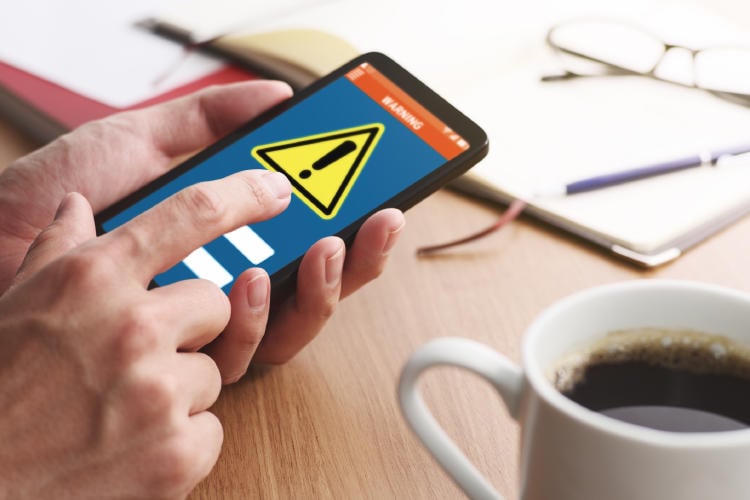
In some cases, intruders can use devices calledfrequency inhibitors. These devices try to block wireless signals between sensors and the control panel.
Although it is not a common technique, some alarm systems include functions to detect interference.
When the system detects a signal abnormality, it can:
- Activate an alert
- Send a notification to the owner
- Record interference attempt
This allows you to react before the system is completely blocked.
Strategic sensor placement
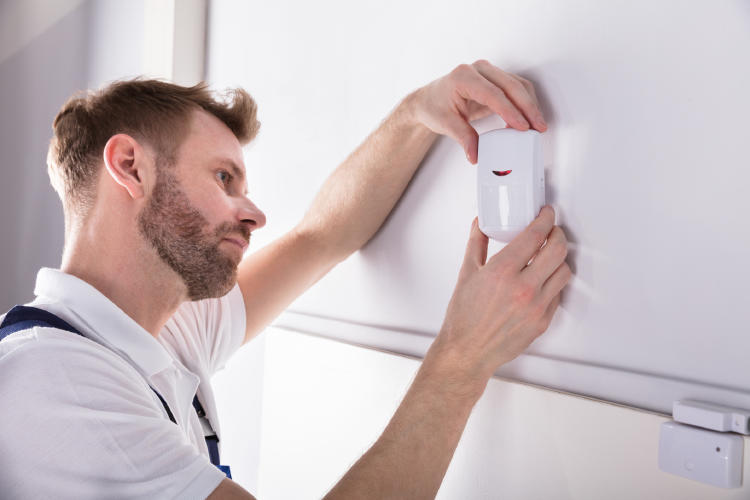
The way sensors are installed also influences protection against sabotage.
Placing devices in visible locations, but out of direct reach, can make them difficult to manipulate.
Some recommendations include:
- Install sensors at a certain height
- Avoid areas easily accessible from the outside
- Use firm and safe supports
Proper installation reduces the likelihood of tampering.
Outdoor siren protection
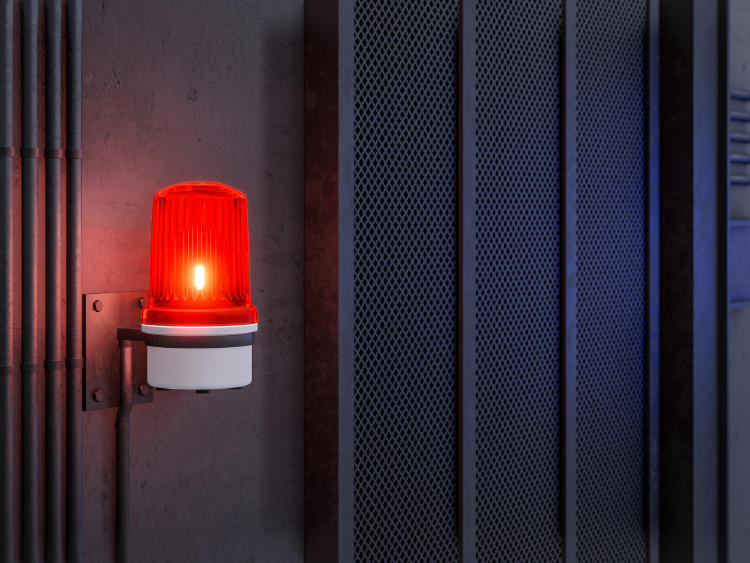
The outdoor siren is one of the most visible elements of any alarm system. It can also be a target for sabotage attempts.
To avoid this, many modern sirens include:
- Anti-tamper sensor
- Internal battery
- Rugged casing
This means that even if someone tries to unplug it, the siren can continue to work for a while.
Furthermore, attempted tampering usually generates an alert.
Software updates and digital security

In connected systems, sabotage protection also includes digital security.
Regularly updating system software allows:
- Fix vulnerabilities
- Improve stability
- Add new protection features
Furthermore, it is important to usesecure passwordsand enable two-step authentication when available.
Real-time notifications
Modern alarms allow you to receive immediate notifications on your mobile.

This means that if something out of the ordinary happens – such as a sensor disconnection or a tamper attempt – the owner can know instantly.
These types of notifications allow:
- Quickly check the situation
- Contact security services if necessary
- Check cameras or sensors
The speed of response can make a big difference.
Integration with security cameras

Cameras can reinforce anti-sabotage protection by offering avisual verificationof what happens.
If the system detects tampering, the cameras can:
- Record automatically
- Send images to mobile
- Show what's happening in real time
This helps confirm whether this is a real sabotage attempt or an accidental situation.
System maintenance
An alarm system needs periodic maintenance to function properly.

Reviewing the health of devices helps detect potential problems before they become vulnerabilities.
It is advisable to check:
- Sensor batteries
- Network connections
- Device status
A well-maintained system is harder to sabotage.
Avoid common mistakes
In many cases, security problems are not due to sophisticated attacks, but rather simple errors.

Some examples include:
- Use easy passwords
- Sharing access codes with too many people
- Do not check the system for long periods
Avoiding these errors greatly improves system protection.
Physical and digital security must work together
Anti-sabotage protection does not depend on a single element. It is the result of combining several layers of security.
Among them:
- Anti-tamper sensors
- Redundant communication
- Digital protection
- Proper installation
When these measures work together, the system is much more difficult to manipulate.
Conclusion
Protecting an alarm from tampering and deactivation is as important as installing the system itself. Modern systems incorporate multiple anti-sabotage measures that allow tampering attempts to be detected before the system becomes unusable.

Anti-tamper sensors, redundant communication, real-time notifications and proper installation help reinforce system security and keep protection active at all times.
Because in security, it is not only important to detect intrusions, but also to ensure that the system that protects your homecannot be easily deactivated.
En Yoigo Alarms We teach you how to take care of your security system. If you have any questions, visit our website or call us at 900 622 398 and we will assist you.
Best bedroom hidden cameras | Best Spy Camera Watch | Best low level CO detector | Best Wifi Router EMF Protection | Best Camera for MEVO Plus | Best Security Camera Without Subscription | Best Budget Camera for Blue Iris | Best Barking Dog Alarms | Best Free VPN for Rainbet | Best Solar Powered Security Camera | Alarmes Maison
Browse the Shop
 Acacia frida deluxe solid wood bed frame |
Bedroom bench |
Bed chest drawers |
Lingerie dresser |
Frame base |
Mirror with jewelry storage |
30 Bathroom Vanity |
Memory foam queen mattress |
Mattresses for back pain |
Nightstand set of 2 |
Grand Goldman Shop |
Civil Lawyer
Deutschland Trikot WM 2026
Acacia frida deluxe solid wood bed frame |
Bedroom bench |
Bed chest drawers |
Lingerie dresser |
Frame base |
Mirror with jewelry storage |
30 Bathroom Vanity |
Memory foam queen mattress |
Mattresses for back pain |
Nightstand set of 2 |
Grand Goldman Shop |
Civil Lawyer
Deutschland Trikot WM 2026










