

The differences betweenAI and traditional security camerasThey mark a before and after in the way of protecting homes and businesses.
-
Smart security cameras: what you need to know in 2025
Find Bleeding Edge Supplements at Scandalous Prices on iHerb.

Understanding these differences allows you to evaluate which type of security cameras best suits each environment. While thetraditional systemsare based on thecontinuous recording, security cameraswith AIincorporatesmart analysisto interpret what is happening.
Analyzing the differences between AI and traditional security cameras helpsmake more informed decisionsregarding surveillance.
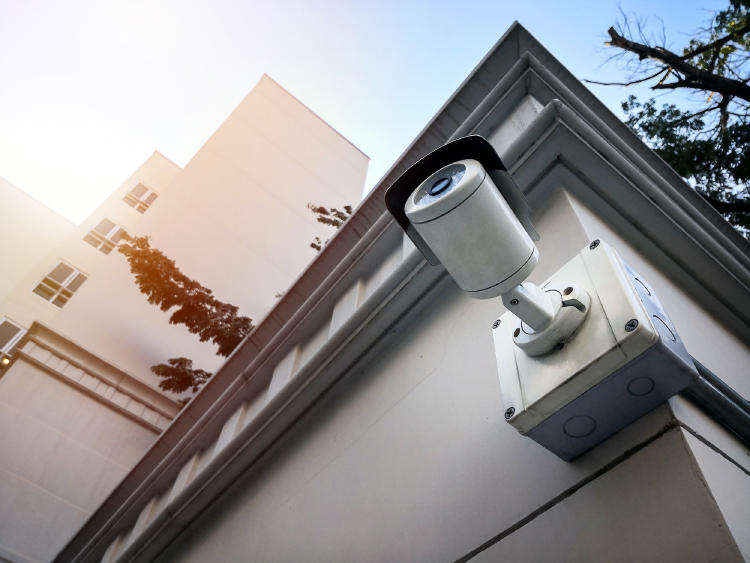
What are traditional security cameras?
Traditional security cameras have been the basis of video surveillance systems for years. HisOperation is simple and focuses on constantly capturing images for later review.
Before delving into their characteristics, it is worth understanding that this type of security cameras is still common in many environments due to itssimplicity and initial cost.
Continuous recording based operation
Traditional security camerasThey record images permanently or by basic motion detection.The system stores large volumes of video that must be manually reviewed when an incident occurs.
This form of surveillancelimits the ability to respond immediatelyto relevant events.
Using simple motion sensors
In many cases, traditional security camerasThey use imprecise motion sensors.Any changes in the image, such as shadows, rain, or animals, can trigger an alert. Thisgenerates false alarms and reduces efficiencyof the security system.
Dependence on human supervision
One of the maindifferencesbetween AI and traditional security cameras is theneed for constant supervision.
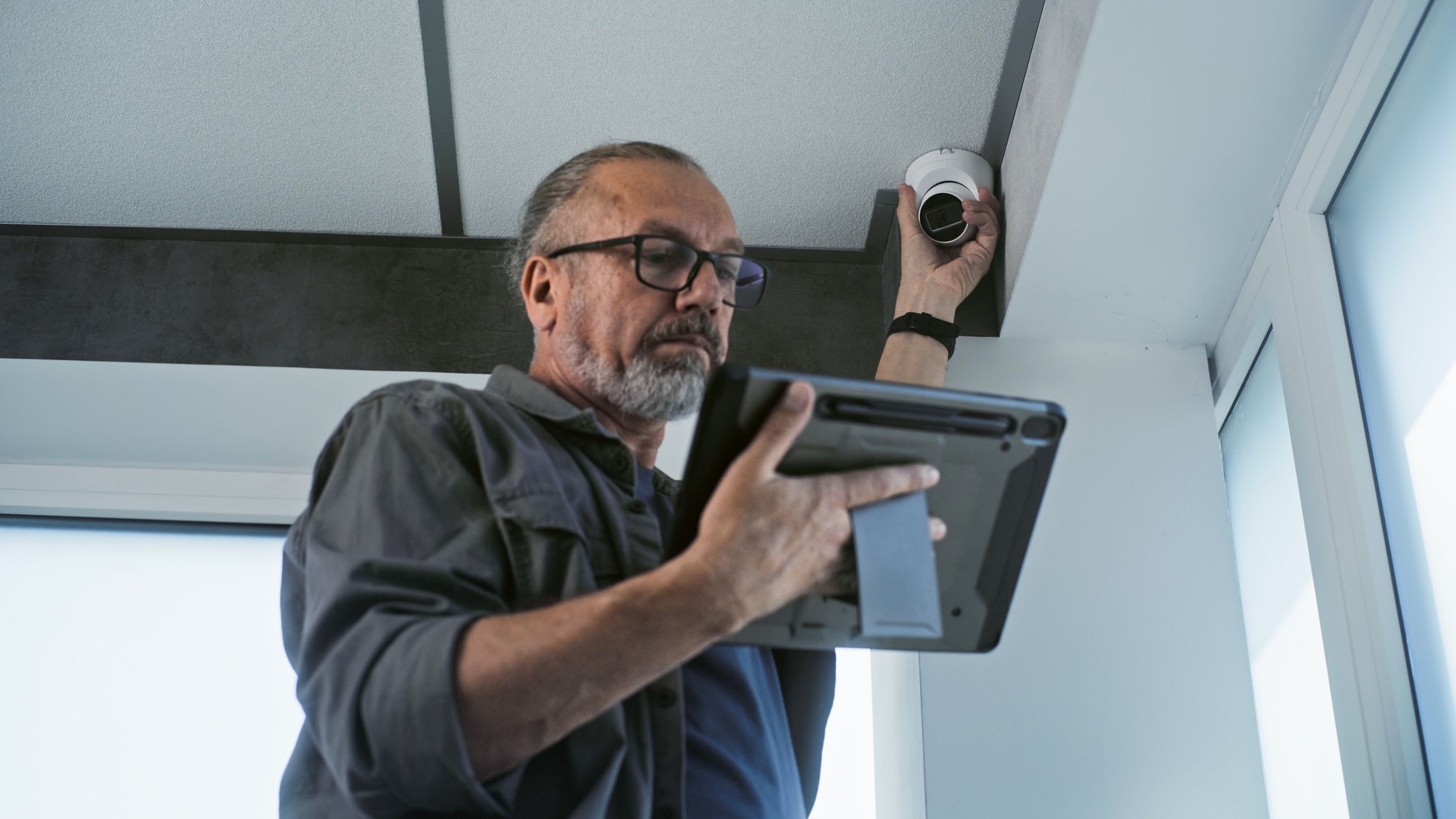
In thetraditional systems, the analysis of recorded content depends almost entirely on human intervention, whichincreases reaction time and operating costs.
What are security cameras with AI
TheAI security camerasThey incorporate artificial intelligence to analyze in real time what happens in front of the objective. These security camerasThey not only record, but interpret the environment and distinguish relevant situations.
Understanding how they work allows you to better appreciate the differences between AI and traditional security cameras and theirimpact on modern security.
Intelligent real-time image analysis
@robertosallenSmart wireless surveillance camera%23ofertasdesanvalentin %23elamorestaenelaire %23camaraseguridad %23videovigilancia %23seguridadhogar
♬ sonido original - robertosallen - robertosallenSecurity cameras with AIThey use advanced algorithms to identify specific people, vehicles or objects. This real-time analysis allows relevant events to be detected without having to review hours of recording, improving system efficiency.
Reduction of false alarms
Thanks to machine learning, AI security camerasdifferentiate between irrelevant movements and potentially dangerous situations.
This abilitysignificantly reduces false alarms, one of the great limitations of traditional security cameras.
Continuous learning and improvement
Another difference between AI and traditional security cameras is the learning capacity. AI cameras improve their accuracy with use,adapting to the usual patterns of the environment and optimizing the detection of anomalies.
Main differences between AI and traditional security cameras
Thedifferencesbetween AI and traditional security cameras manifest themselves on several levels:technology, accuracy, data management and incident response.
Analyzing these differences in a structured way allows us to assess which of the two security camera systems ismore appropriate depending on the context.
Detection accuracy level
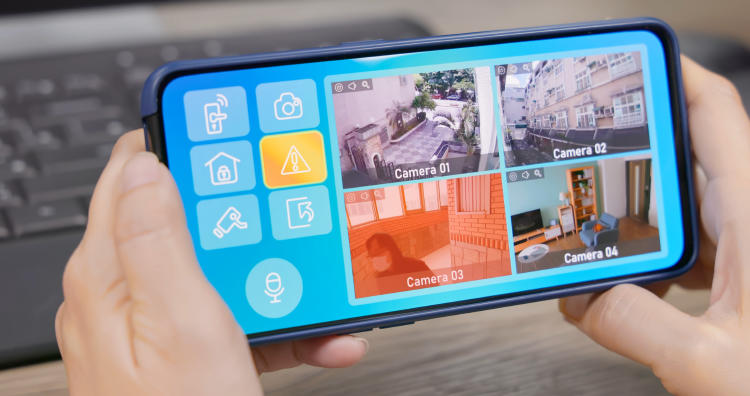
security cameraswith AIoffer amuch higher precisioncompared to traditional ones.
While the latter detect any movement, the AI camerasrecognize specific patterns, which improves the quality of alerts and the reliability of the system.
Data volume and management
security camerastraditionalgeneratelarge amounts of data that require storage and review.
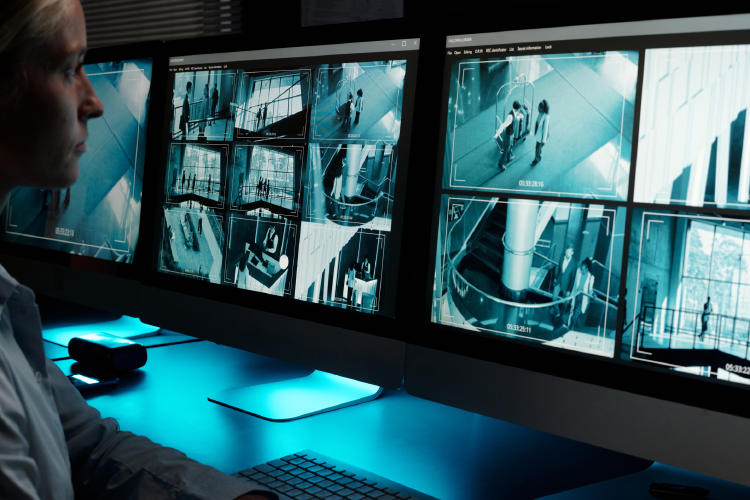
However, security cameraswith AIThey filter the information and only record relevant events. This differencereduces storage consumption and simplifies video management.
Incident response capacity
Among the differences between security cameras with AI and traditional ones, theresponse speed. AI cameras can send immediate and contextualized alerts, while in traditional systems detection usually occurs after the event.
Advantages and limitations of each type of camera
Choosing between AI and traditional security cameras involves weighing both advantages and limitations.Not all environments require the same level of technology or the same investment.
@unlocoysutecnologiaUSE Home Assistant to prevent theft at home With this integration to%23homeassistantYou can pretend that there is always a presence at home 👉 You have the complete tutorial on my YT channel We talked about how 70% of home burglaries occur during the day when houses are empty. We explain how to use Home Assistant to simulate the presence of someone at home and deter thieves, turning on lights, moving blinds and playing sounds as if someone were present, all automatically and at no cost%23seguridad %23hogar %23automatización %23prevenciónderobos %23domotica %23domoticaencasa %23casainteligente
♬ sonido original - Un Loco y su TecnologíaAdvantages of traditional security cameras
security camerastraditionalstand out for theirsimplicity and lower costinitial. Areeasy to installand are suitable for small spaces or with basic surveillance needs. Furthermore, hismaintenanceit is usually moresimple.
Advantages of AI security cameras
security cameraswith AIoffer a level of protectionmore advanced.Your analytical skillsreduces errors, improves prevention and allows for more efficient surveillance.
These advantages make AI camerasespecially useful in complex environmentsor with high risk.
Limitations to take into account
Among the limitations of AI security cameras is ahigher initial cost and greater dependence on connectivity. For their part, traditional security cameras have clear limitations in accuracy and scalability.
When should you choose AI or traditional security cameras?
The differences between AI and traditional security cameras also influence when deciding which system to implement.Context and specific needs determine the best option.
Assess the environmentIt helps to take full advantage of the advantages of each type of security cameras.
Home and small business environments
In homes or small businesses, traditional security cameras may be sufficient if surveillance needs are basic. However, security cameraswith AI they provide extra peace of mind by reducing false alarms and improving control.
Large or high traffic spaces
En large facilities, industrial areas or spaces with a lot of movement,security cameraswith AIthey are more effective.
Its ability to filter information and detect real threats marks aclear difference compared to traditional systems.
Evolution of video surveillance and future trends
The differences between AI and traditional security cameras reflect the evolution of the video surveillance sector.The integration of artificial intelligence is redefining security standards.
This technological advance points to security camera systems increasinglymore autonomous, precise and adapted to real protection needs.
The comparison between AI and traditional security cameras shows that both systems still have their place. However,The trend towards smart solutions positions AI security cameras as a key option for the future of security.
En Yoigo Alarms We help you know all the information about the different security cameras so that you can choose the one that best suits your case. If you have any questions, visit our website or call us at 900 622 398 and we will assist you.
Best bedroom hidden cameras | Best Spy Camera Watch | Best low level CO detector | Best Wifi Router EMF Protection | Best Camera for MEVO Plus | Best Security Camera Without Subscription | Best Budget Camera for Blue Iris | Best Barking Dog Alarms | Best Free VPN for Rainbet | Best Solar Powered Security Camera | Alarmes Maison
Browse the Shop
 Acacia frida deluxe solid wood bed frame |
Bedroom bench |
Bed chest drawers |
Lingerie dresser |
Frame base |
Mirror with jewelry storage |
30 Bathroom Vanity |
Memory foam queen mattress |
Mattresses for back pain |
Nightstand set of 2 |
Grand Goldman Shop |
Civil Lawyer
Deutschland Trikot WM 2026
Acacia frida deluxe solid wood bed frame |
Bedroom bench |
Bed chest drawers |
Lingerie dresser |
Frame base |
Mirror with jewelry storage |
30 Bathroom Vanity |
Memory foam queen mattress |
Mattresses for back pain |
Nightstand set of 2 |
Grand Goldman Shop |
Civil Lawyer
Deutschland Trikot WM 2026










