

Power outages can raise many questions related to home security. When a blackout occurs , it is common to wonder if the alarm will continue to work or if the home is left unprotected, especially in areas where storms, technical incidents or maintenance work are common.
In 2026, most alarm systems are designed to continue working even when the power goes out. In this guide we look at what exactly happens when the power fails and how to ensure your security system remains operational.
Find Original, High-end Home Decor that spark conversation at Grand Goldman Shop.
If the power goes out, does the home alarm work? Quick response
Yes, the alarm continues to work, even if the power goes out , because most security systems incorporate backup batteries that keep the control panel and sensors active for several hours.
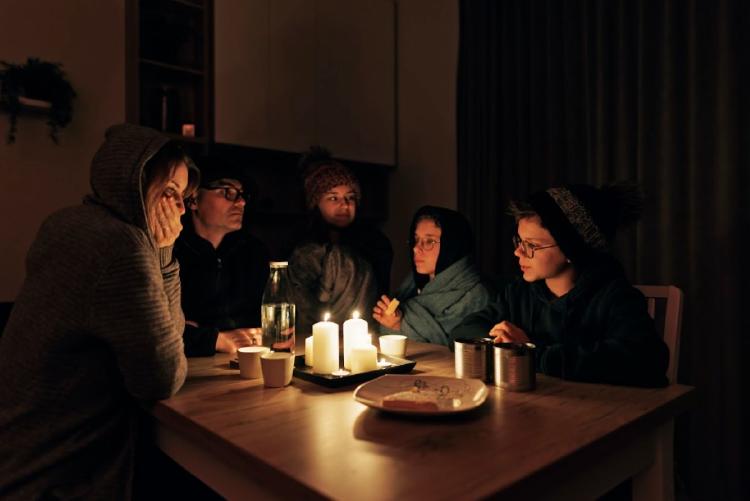
These batteries allow the alarm to continue detecting movements, openings or intrusion attempts even when there is no power supply. Additionally, many systems send a notification to the user indicating that a power outage has occurred, allowing them to verify that everything is still working correctly.
How an alarm works in the event of a power outage or electrical sabotage
Current alarm systems are designed to maintain operation even when a power failure occurs. The control panel detects the loss of power and automatically activates the internal battery.
This process is automatic and does not require user intervention. During the battery life, the alarm continues to monitor the home normally.
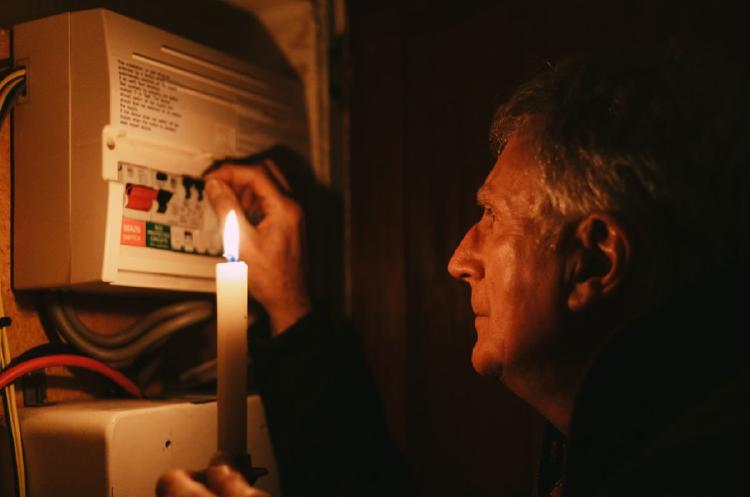
Additionally, some systems detect power outage as a relevant event and send a notification to inform the owner.
The role of backup battery (UPS) in the control panel
The alarm control panel includes a backup battery that acts as an alternative power source in the event of a power outage.
These batteries are usually:
- built-in rechargeable batteries
- uninterruptible power supply systems (UPS)
- sealed lead acid or lithium batteries
When the power supply is interrupted, the system automatically switches to the battery.
This allows you to keep active:
- motion sensors
- aperture sensors
- control Panel
- siren
- communication with the user
The battery recharges automatically when the power returns.
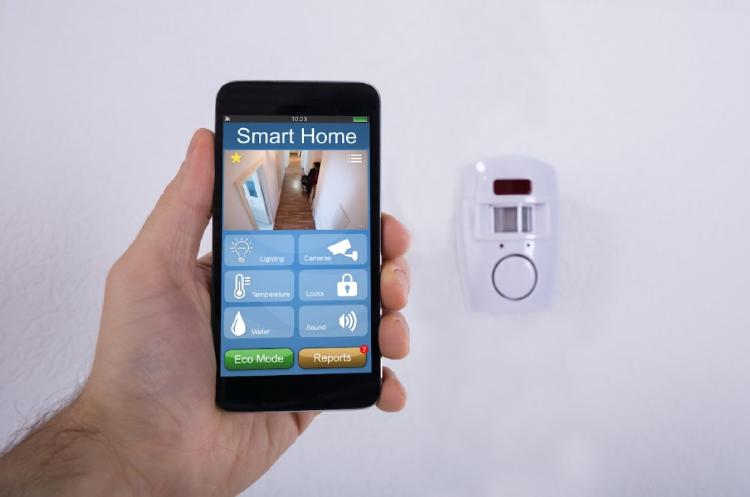
GSM connection vs. WiFi: Does the alarm still communicate without internet?
In addition to power supply, another important aspect is system communication. If the router stops working due to lack of electricity, an alarm connected only by WiFi could lose communication with the user.
For this reason, many systems incorporate a GSM or mobile network connection as an alternative.
The GSM connection allows:
- send notifications to mobile
- maintain communication with the central receiving station
- continue transmitting security events
This way, the alarm remains connected even if the router is not working.
How long does an alarm battery last without electricity?
Battery life depends on the alarm model and the number of connected devices.
In general, most systems offer an approximate autonomy of:
- between 8 and 24 hours in normal use
- longer duration in low power mode
- shorter duration if the siren is activated frequently
Professional systems can offer greater autonomy through higher capacity batteries. It is advisable to check the manufacturer's specifications for the estimated operating time without electricity.
Types of alarms according to their resistance to electrical cuts
Not all alarm systems offer the same level of resistance to blackouts.
Some models are specifically designed to operate for long periods without power.
Alarms wired with lead-acid battery
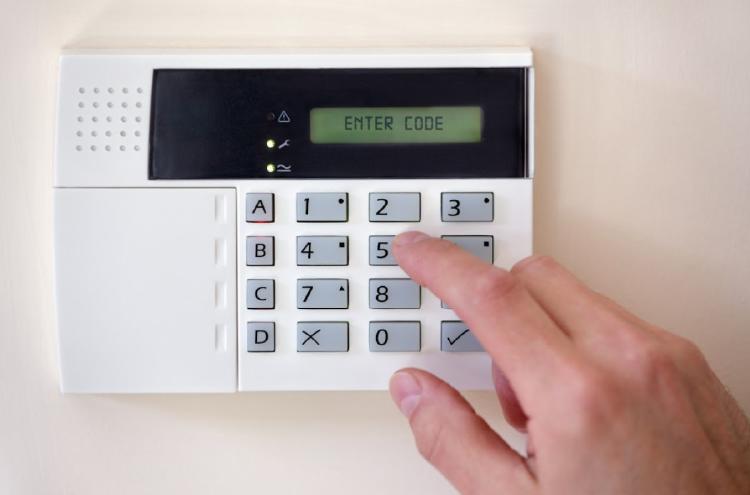
Wired alarms usually incorporate internal sealed lead batteries.
These batteries offer:
- good stability
- ability to power multiple sensors
- Adequate autonomy for temporary blackouts
This type of system is common in professional installations.
Wireless systems with long-lasting lithium batteries
Wireless alarms use sensors that run on separate batteries.
This means that:
- each sensor maintains its operation even without electricity
- energy consumption is reduced
- Battery life can be several years
Wireless systems offer flexibility and ease of installation.
100% autonomous alarms for second homes without electricity
There are systems designed to work in homes without permanent electricity supply.
These systems can use:
- long lasting batteries
- solar panels
- independent mobile communication
They are an interesting option for:
- second homes
- houses in rural areas
- detached garages
- properties without constant electrical connection
Comparative table: Autonomy and connectivity in the event of blackouts
| Alarm type | Average autonomy without light | Battery Type | Available connectivity |
|---|---|---|---|
| Traditional wiring | 8-12 hours | Sealed Lead | Fixed line / GSM |
| Home wireless | 12-24 hours | Lithium | WiFi/GSM |
| Professional system | 24-48 hours | Extended battery | Redundant GSM |
| Autonomous alarm | 24-72 hours | High capacity battery | mobile network |
| Solar panel system | Variable | Rechargeable battery | GSM |
Autonomy depends on the system configuration and the number of connected devices.
Security Risks: Can a thief disable my alarm by turning off the power?
One of the most common concerns is whether an intruder can disable the alarm by causing a power outage. Modern systems are designed to detect these situations and maintain operation using the internal battery.
In addition, a power outage can generate an automatic warning, allowing possible sabotage attempts to be detected. The combination of battery backup and mobile communication significantly reduces the risk of disablement.
Inhibitor detection and network failure alerts
Some systems include features that detect interference or signal loss.
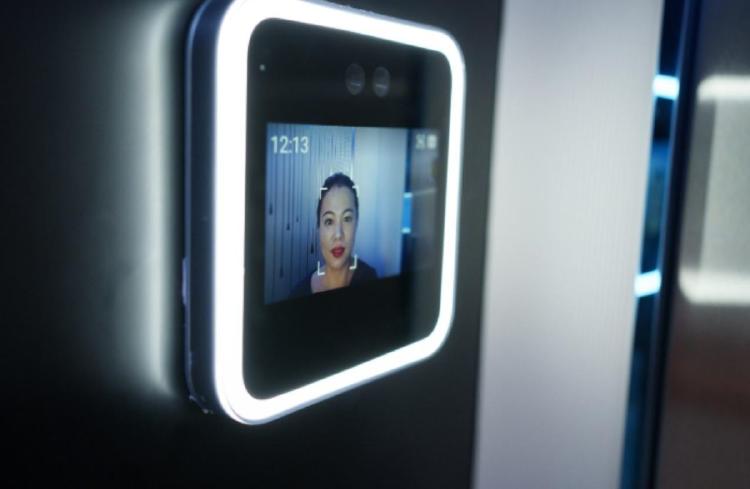
If the system detects an anomaly, it can:
- send an alert to the user
- activate the siren
- log the event in the system
These features increase security against tampering attempts.
What to do if you receive a "Main power failure" notice
When the system detects a power outage, it usually sends a notification indicating a power failure.
In this case, it is recommended:
- check if it is a general cut
- check that the battery is active
- check system status from the app
If power is not restored within several hours, it may be advisable to check the battery status.
Tips to keep your alarm operational during a prolonged power outage
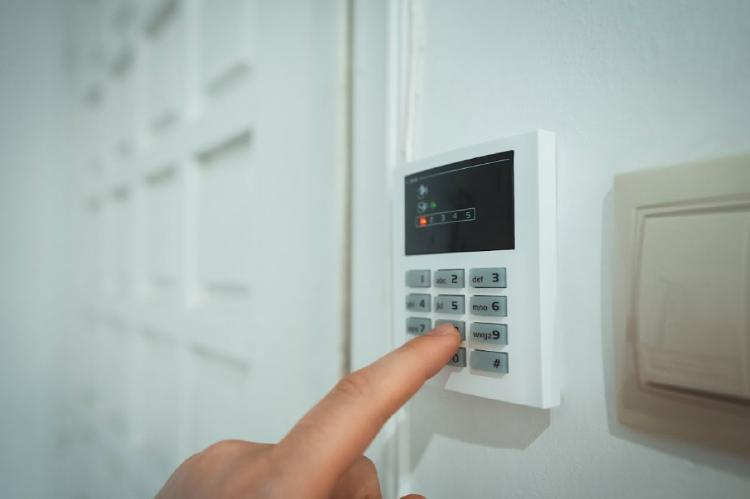
There are some recommendations that help ensure system operation during prolonged outages:
- periodically check the battery status
- keep the system updated
- check mobile connectivity
- avoid disconnecting the panel unnecessarily
It is also advisable to perform occasional tests to verify that the battery is working properly.
Basic maintenance helps avoid unexpected problems.
Frequently asked questions about alarms and power supply (FAQ)
Does the siren sound if the power is accidentally cut off?
Normally not. The system detects the power outage and activates the backup battery without generating an alarm.
However, some systems may send a notification to inform you of the event.
How do I know if my alarm battery is dead or needs changing?
Most systems send warnings when they detect low battery.
It is also advisable to periodically review the system status from the application or control panel.
Batteries usually have a useful life of several years.
Do security cameras continue recording if the power goes out?
It depends on the system. Some cameras incorporate internal batteries that allow them to continue working for a limited time.
In other cases, operation depends on the power supply or the router.
More advanced systems include batteries or alternative power to maintain recording.
Read next: Best bedroom hidden cameras | Best Spy Camera Watch | Best low level CO detector | Best Wifi Router EMF Protection | Best Camera for MEVO Plus | Best Security Camera Without Subscription | Best Budget Camera for Blue Iris | Best Barking Dog Alarms | Best Free VPN for Rainbet | Best Solar Powered Security Camera | Alarmes Maison
Browse the Shop
 Acacia frida deluxe solid wood bed frame |
Bedroom bench |
Bed chest drawers |
Lingerie dresser |
Frame base |
Mirror with jewelry storage |
30 Bathroom Vanity |
Memory foam queen mattress |
Mattresses for back pain |
Nightstand set of 2 |
Grand Goldman Shop |
Civil Lawyer
Deutschland Trikot WM 2026
Acacia frida deluxe solid wood bed frame |
Bedroom bench |
Bed chest drawers |
Lingerie dresser |
Frame base |
Mirror with jewelry storage |
30 Bathroom Vanity |
Memory foam queen mattress |
Mattresses for back pain |
Nightstand set of 2 |
Grand Goldman Shop |
Civil Lawyer
Deutschland Trikot WM 2026










