

At the beginning of the month of May I had the opportunity to attend what was calledFirst Patek Philippe Campus in Madrid, where I met members of the Iberian Press (Spain and Portugal) and several of the brand's authorized distributors, the latter being the true protagonists of the conference, since the main objective of this campus is to perfect their knowledge of both the calibers and the Patek philosophy, which is certainly no small feat.
The subjects were clearly defined: firstly the news from Baselworld (a pleasure to have them in your hands again) delving into the technical aspects. We then looked at the history of the World Hours complication, the determining role that a little-known Louis Cottier had in it, and the presence of this complication in Patek's collections. Such an interesting topic that gives so much of itself that I will develop it in another article. Next we saw each caliber in depth from the hand of a legendary watchmaker of the House, now retired but with the same desire to teach as always: a luxury even when talking about Patek Philippe.

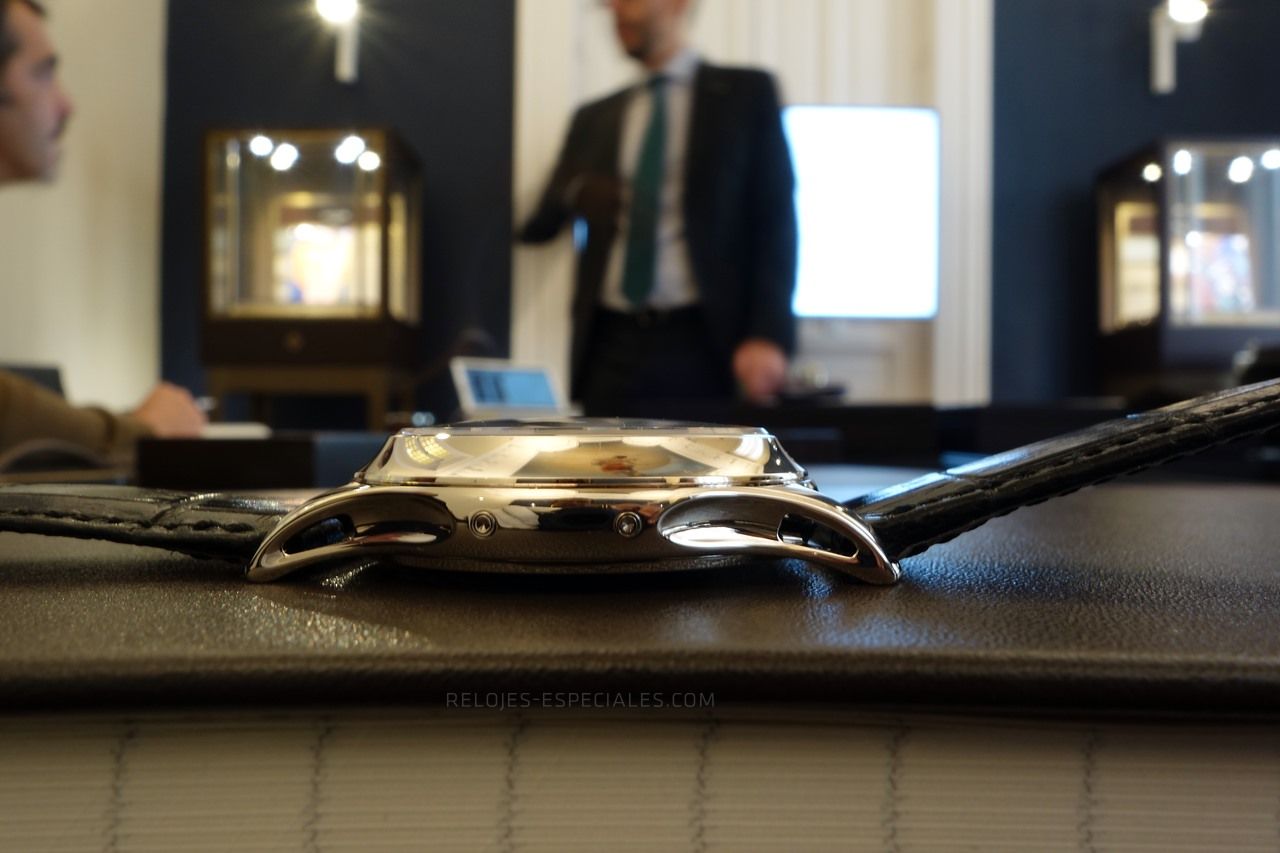
Up to a fourth class was taught but, as it was dedicated exclusively to distributors, the rest of us had to settle for socializing and having tea. Distributors, by the way, whom Mr. Vergotti, general director of Patek Iberia, calls “retailers” and who, beyond the free translation of “retailer”, I believe is the most perfect definition that can be made of an official distributor of the brand: “retailer, who takes care of the detail.” Even so, the day was most beneficial.
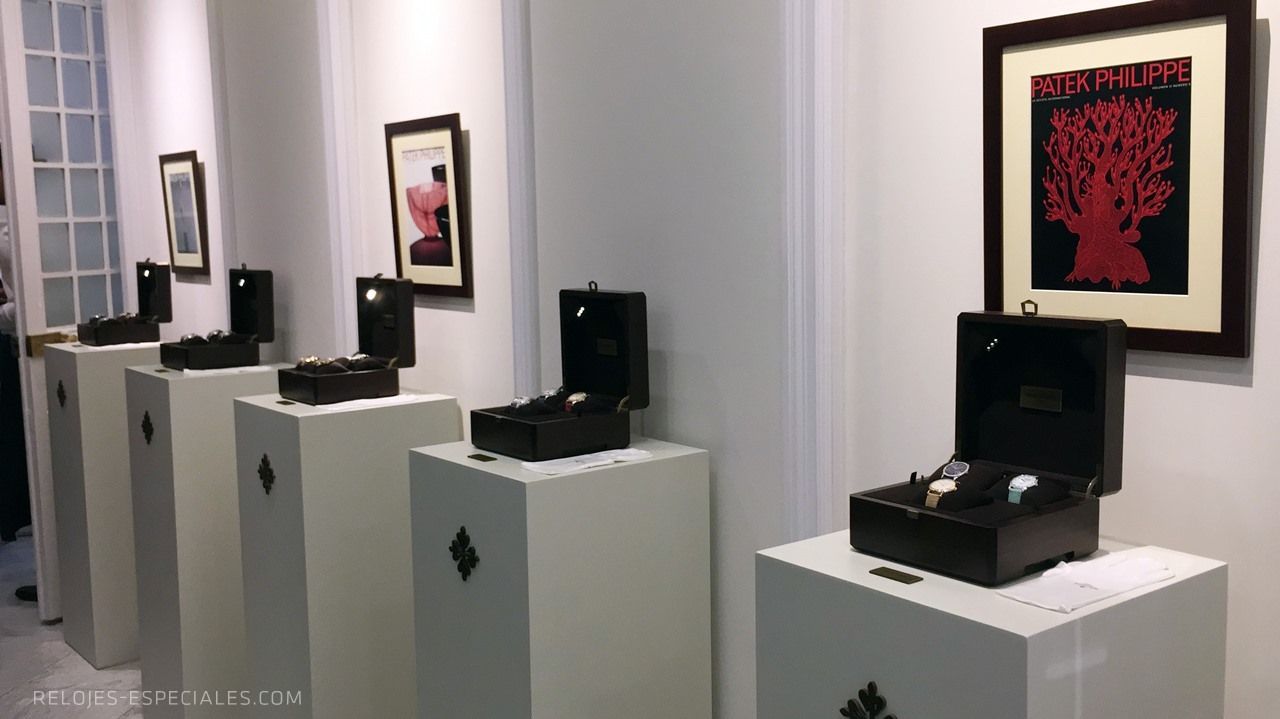
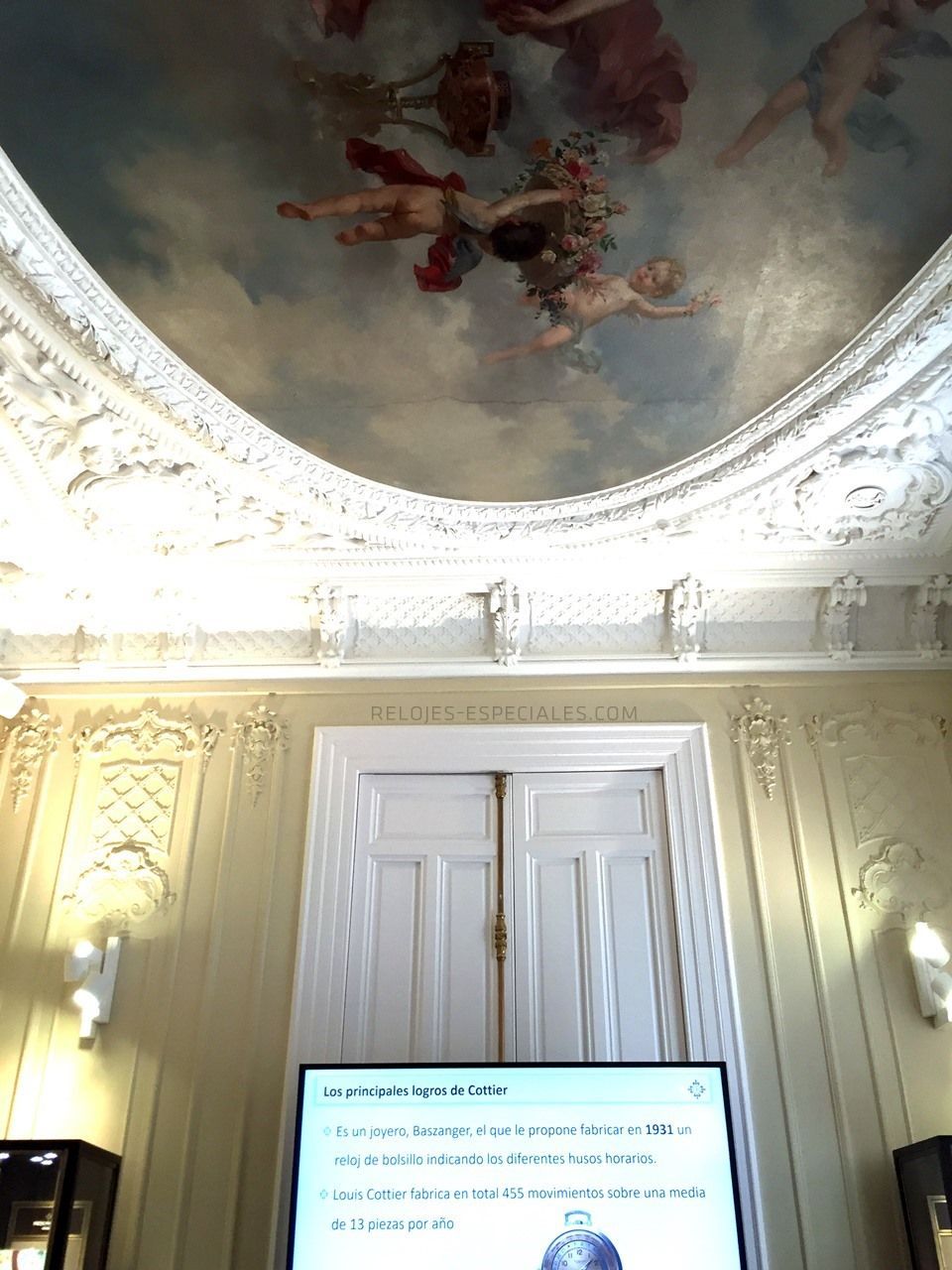
The environment, as it could not be otherwise, was at the height of the event: a main floor on the stately Serrano street, decorated for the occasion. High ceilings decorated with classical frescoes in rooms with the ideal dimensions for the activities carried out in them, tranquility in the very center of the frenzy... another ten for your PR and communication agency.
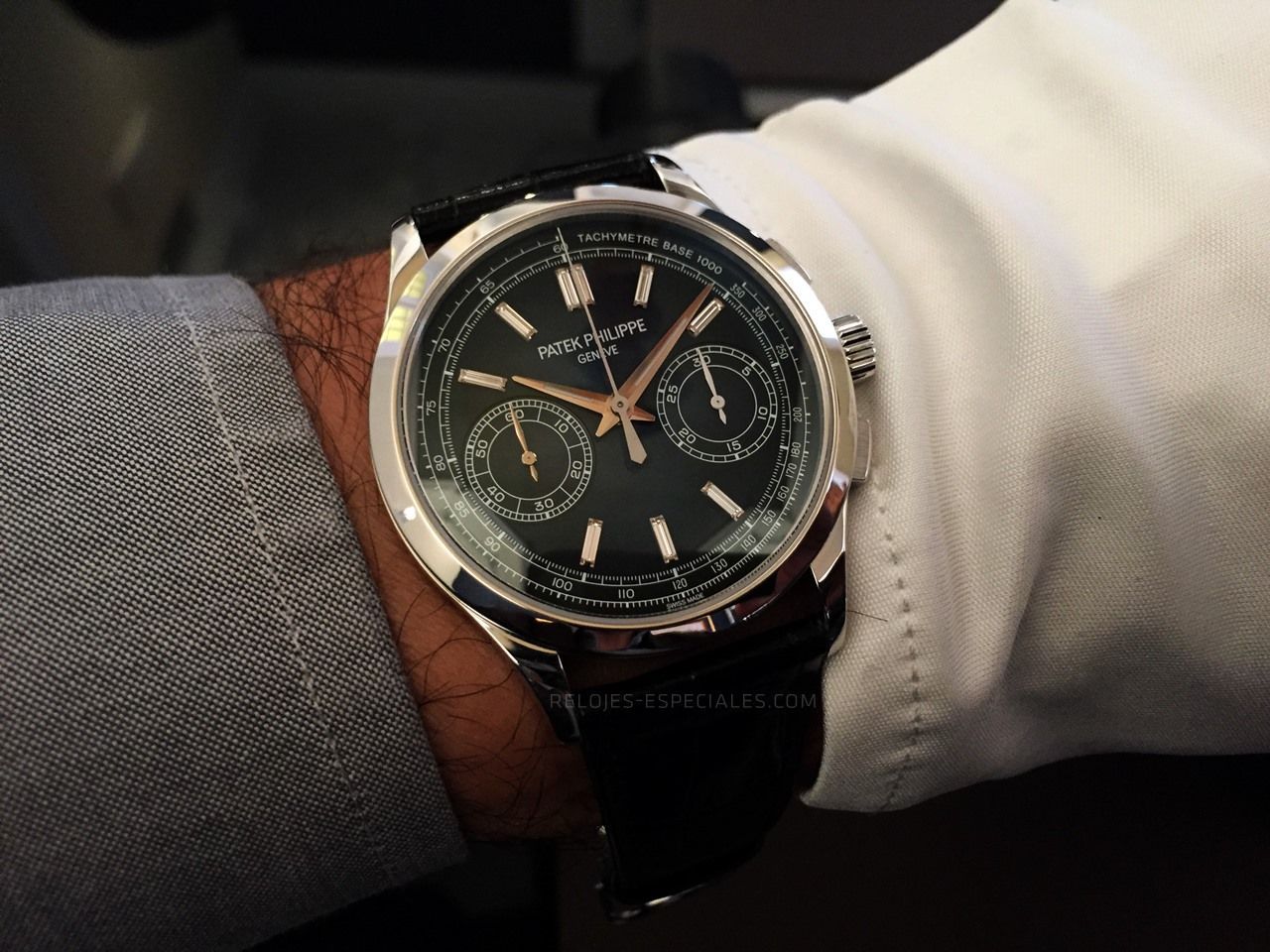
Aside from the great complications (World Hours with minute repeater, ref 5531R, perpetual calendar, automatic monopusher chronograph with minute repeater reference 5208R) that could not be present due to their scarcity, we were lucky enough to be able to touch wonders like the 5170P, a delicious manual winding chronograph that, honestly, I wouldn't mind having "despite" those indices with baguette-cut diamonds...
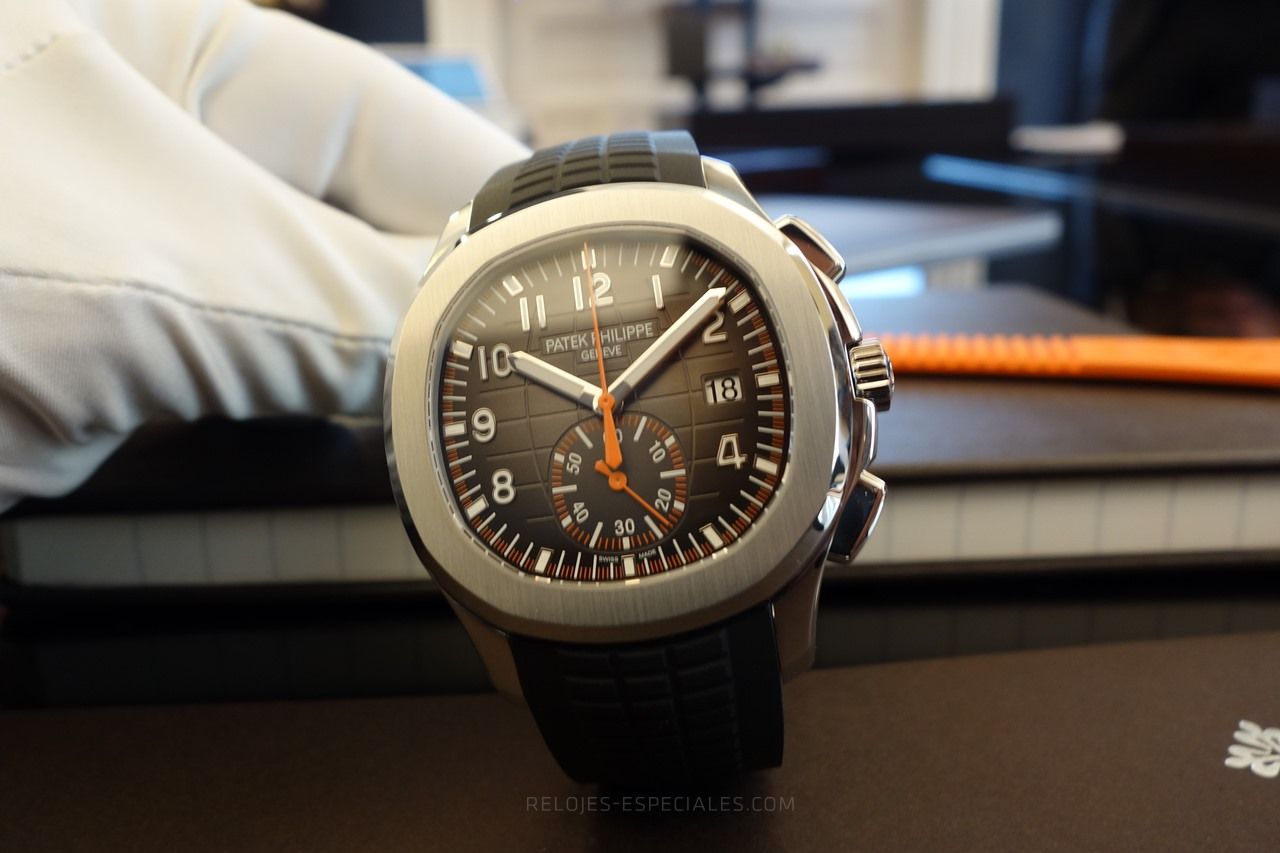
… or the acclaimed new Aquanaut chrono with its daring! orange tones on dial and strap. I admit that it would also have a place in my hypothetical box.
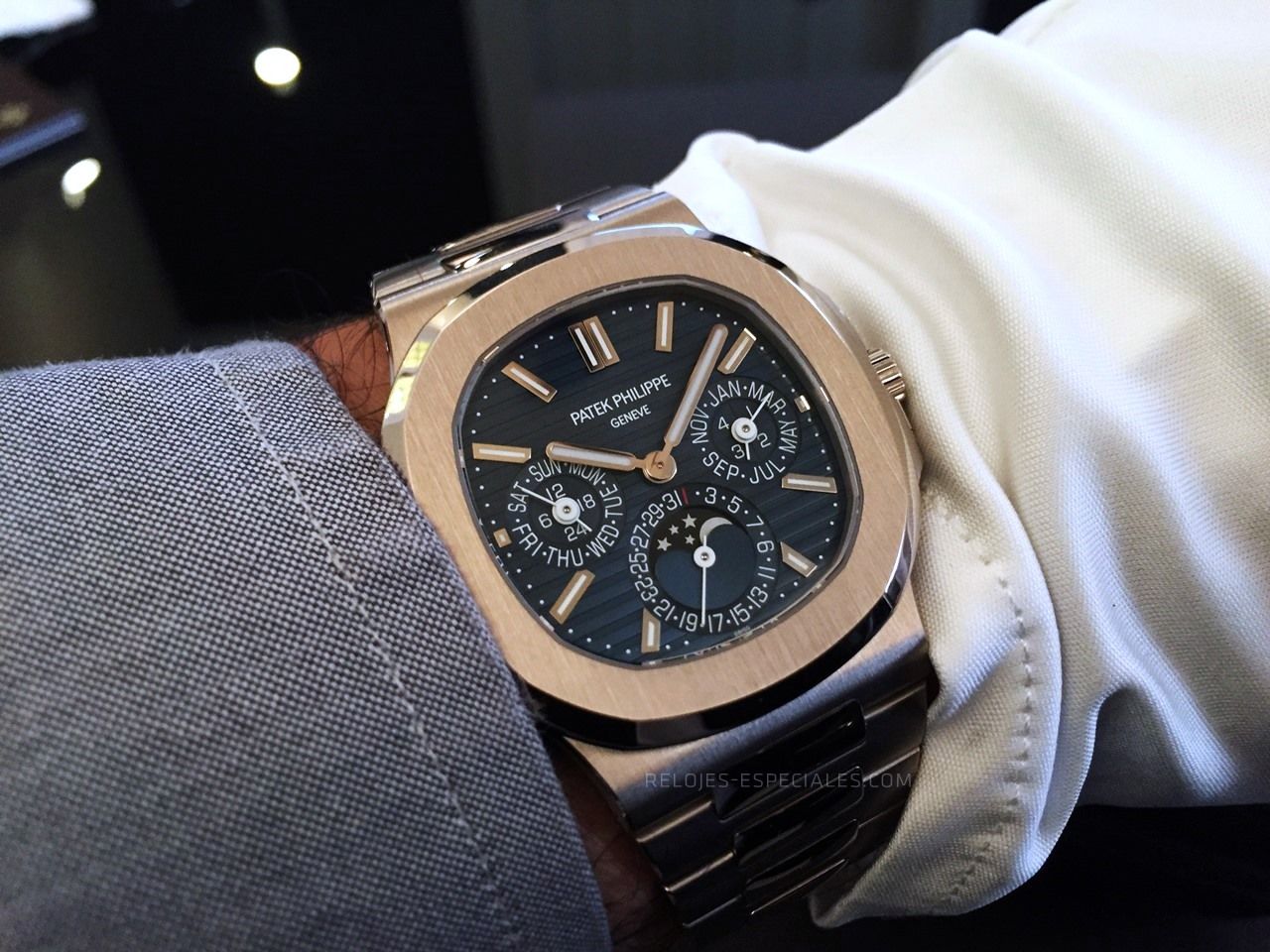
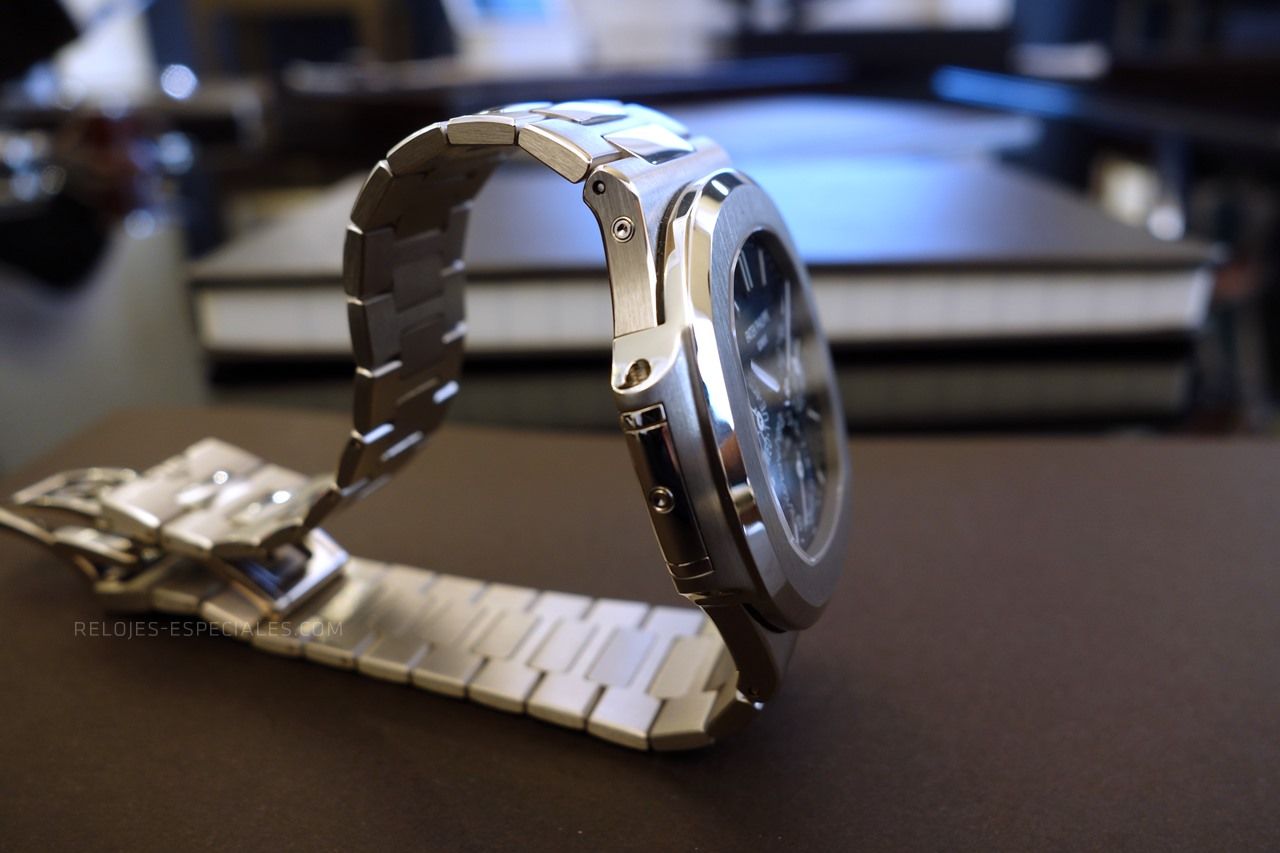
Another reason for “suffering” for Nautilus lovers: the 5740/1G is the brand's thinnest perpetual calendar, and I think its relative scarcity will be similar to that of its now successful little brother, the 5711/1A
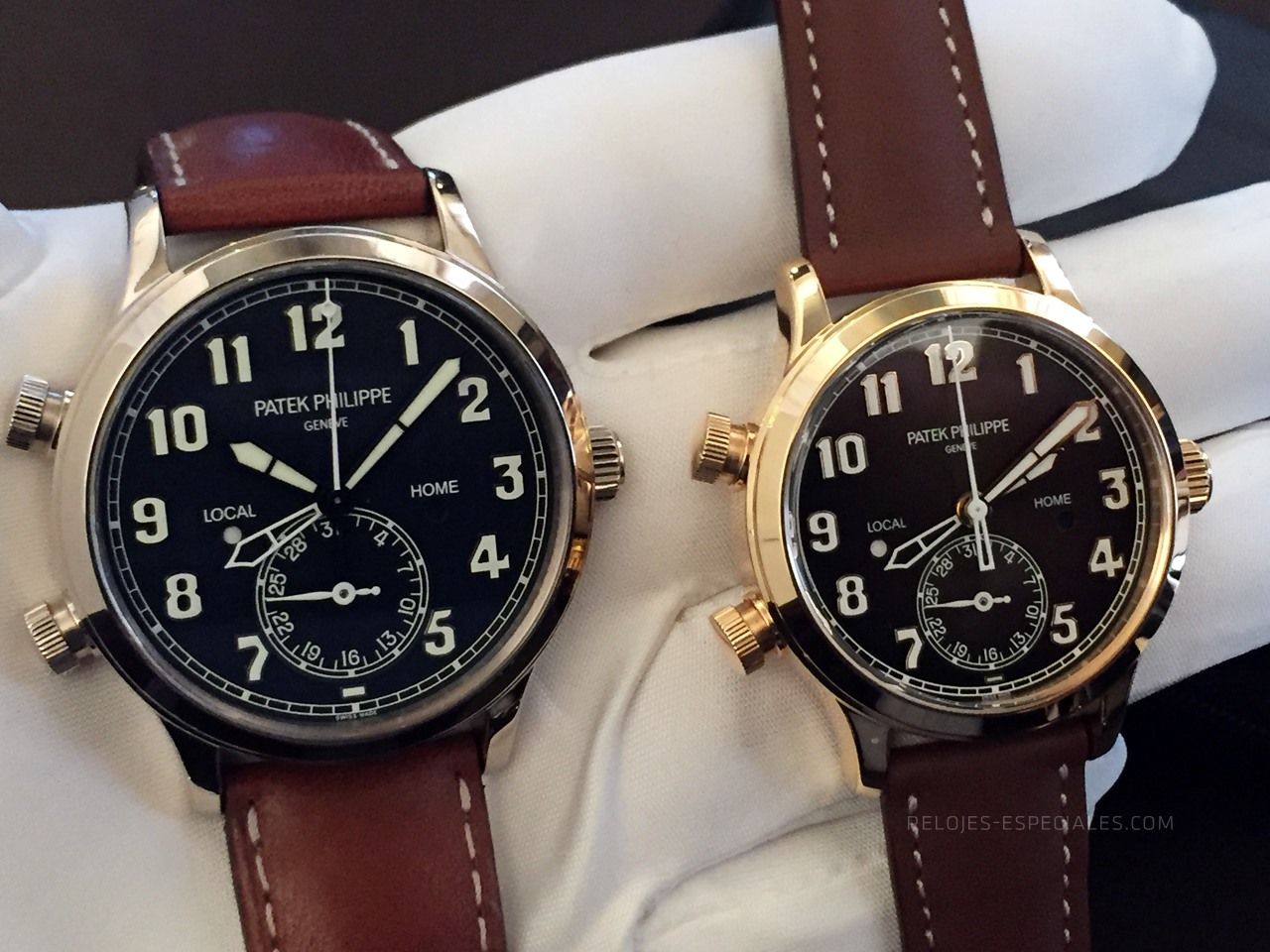
The Calatrava Pilot, which at first was said to be a failure because it departed from Patek's usual classicism and which have turned out to be (another) best-seller from the House, with significant waiting lists. By the way, I learned that the name “Calatrava” applies to all round-shaped watches.
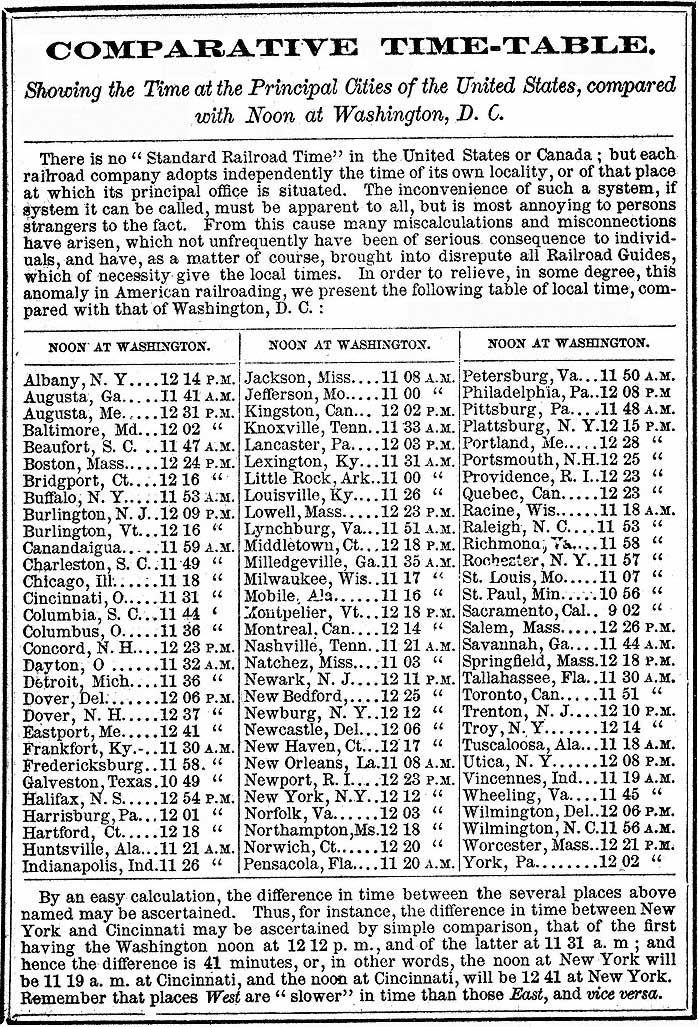
World Hours are a complication born from the need to adapt to the times, when it begins to be possible to move with a certain speed and in some way "get ahead of the Sun." Starting with the carriage or “transportable” clocks of the 17th century and ending with the now common GMT or, better called, UTC. In the lengthy explanation there was time for the Longitude Act promoted by the British Parliament in 1714 and Harrison's achievement forty years later, or the famous list of “local times” of the incipient North American railway in 1868: a real gibberish that had to be solved. It took fifteen years to agree and much longer to put it into practice in a coordinated manner.
But what caught my attention the most was the figure of a no less important character: Louis Cottier (1894-1966). Cabinotier (a worker employed in a manufacturing company), the crisis of 1930 left him without work, which led him to open his own workshop in the town of Carouge. Watchmaker, automaton repairer, inventor and son of an inventor (his father had already devised a system of world hours in 1885), he enthusiastically took up the concept of dividing the terrestrial globe into 24 time zones and set about designing a watch for great travelers. He does not create a brand with his name (as I have unfortunately seen on the internet: low-grade Chinese watches) but instead offers his creations to already established watchmakers, starting with the then famous Geneva jeweler Baszanger, who commissions him for a pocket watch.
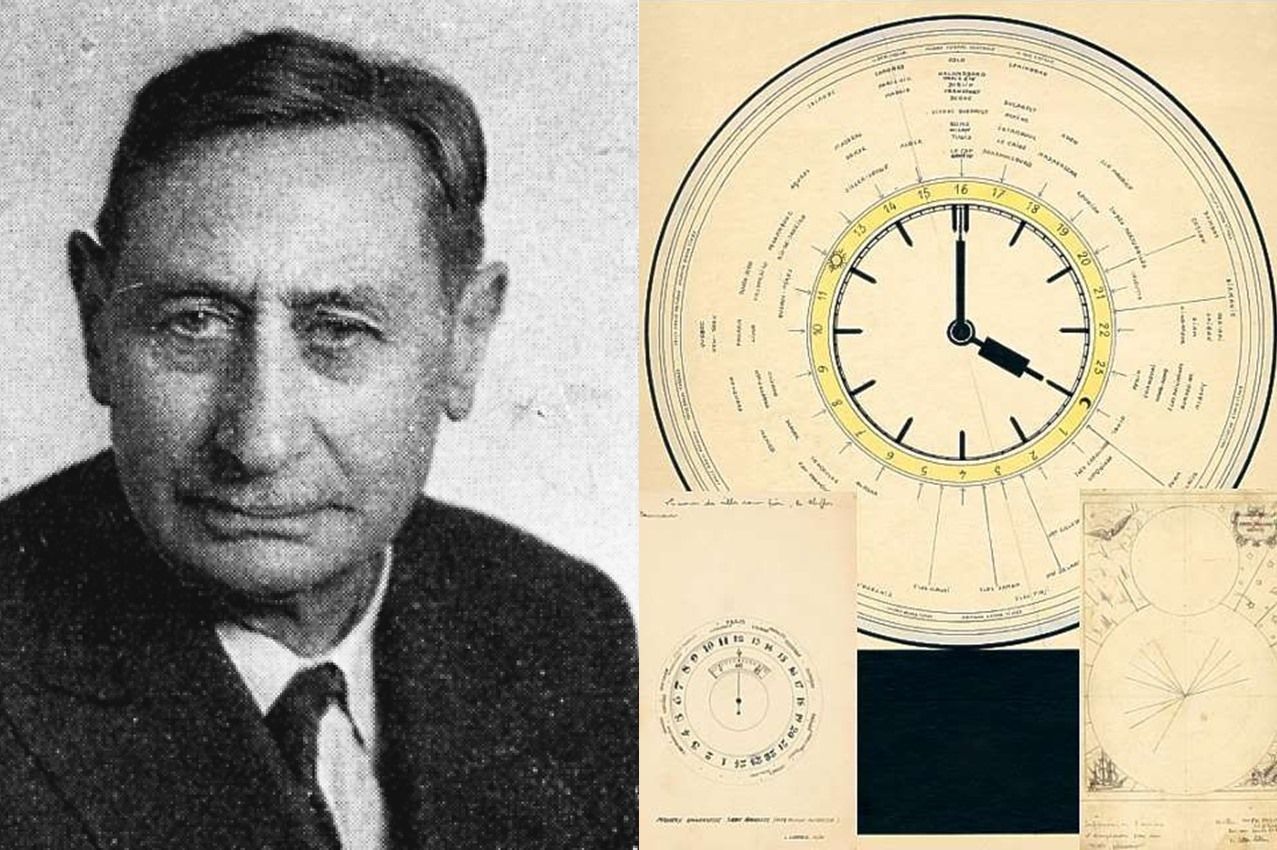
Cottier's system is based on two concentric disks, one containing 24 hours and another showing 24 cities, one per time zone. The large Maisons soon become interested in an invention that they simply need: their wealthiest clients are precisely the first intercontinental travelers on a regular basis thanks to the arrival of commercial aviation. Patek is one of them, and since 1937 literally dozens of models of both pocket and pocket bracelets appear (these are less common and therefore more sought after today). Up to three generations of the World Hours concept follow one another, from the primitive one with the cities engraved on the bezel to the push-button that selects the cities at the user's will. From 1962 to 2000, the production of World Hours at Patek Philippe was suspended, and it returns with the fourth and for now last generation that includes a patent from Patek itself... as I say, a lot to tell, I will do it soon.
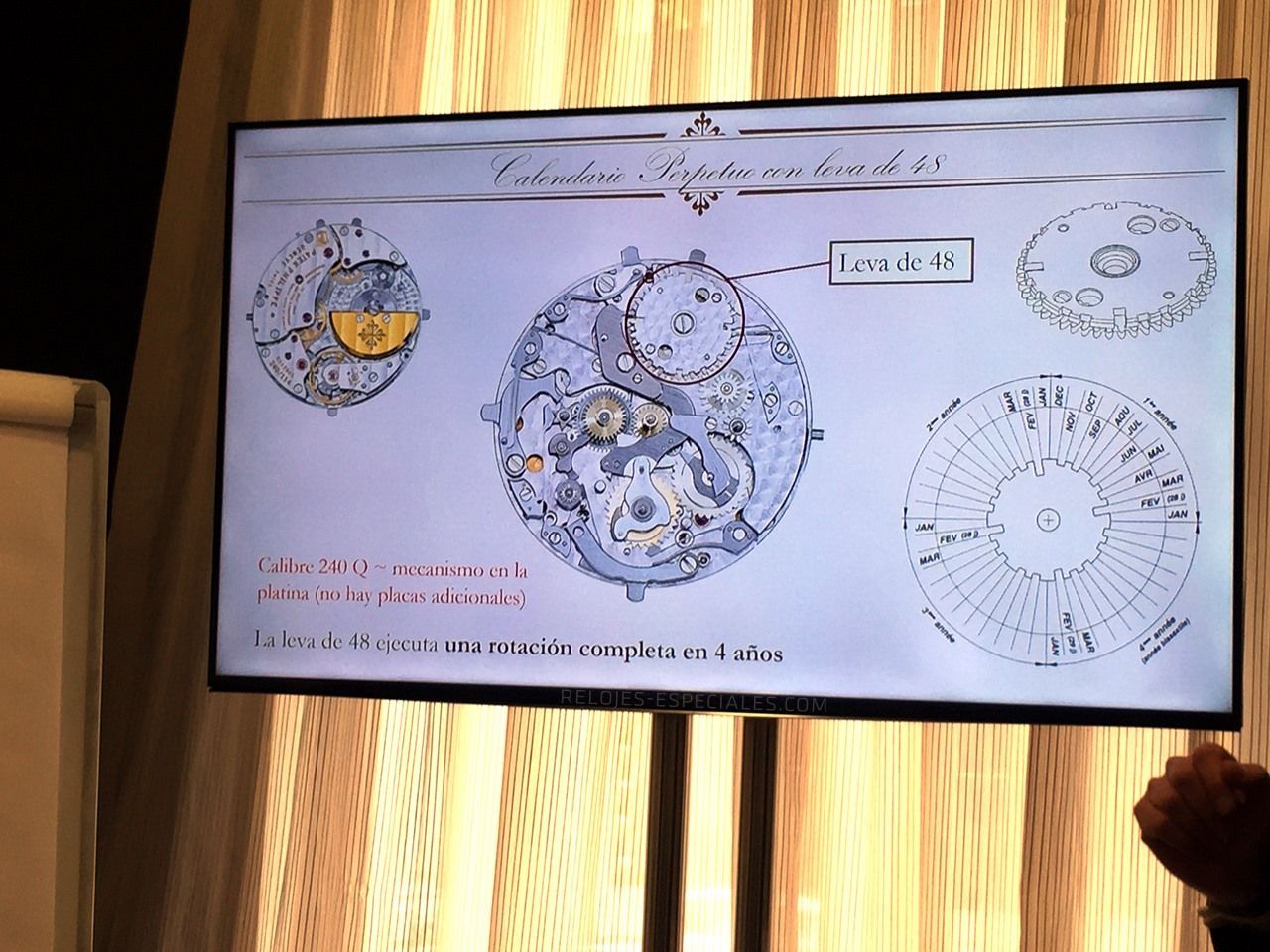
The last part was dedicated to delving into the Patek Philippe calibers. There are 16 basic calibres, which extend to 48 types of movement: chronographs, minute repeaters, annual and perpetual calendars, retrograde or jumping indications and the combination of these complications together really goes a long way. We saw diagrams of cams, levers and parts that take four years to make a complete revolution on their axis and how Patek watchmakers have solved the challenge of displaying time in such a small space… and I finally understood how a vertical clutch works! Part of the magic lies in having known how to conceive a “tractor” as extraordinary as the caliber 240, an extra-flat machine with a microrotor that can be used both for a three-hander and for constructing a perpetual calendar or the extraordinary 6102 with its chart of the sky and angular movement of the Moon. In addition, Patek produces its own quartz movements which, as it could not be otherwise, have the bridges decorated at the same level as their brothers... I think this is going to give rise to a specific article on Patek calibers, stay tuned.
I didn't need to attend the sales/retailer training course: the Patek philosophy permeates everything they do. Deep down, it is something very simple: to paraphrase Winston Churchill, they are content with being the best among the best.
www.patek.com










