

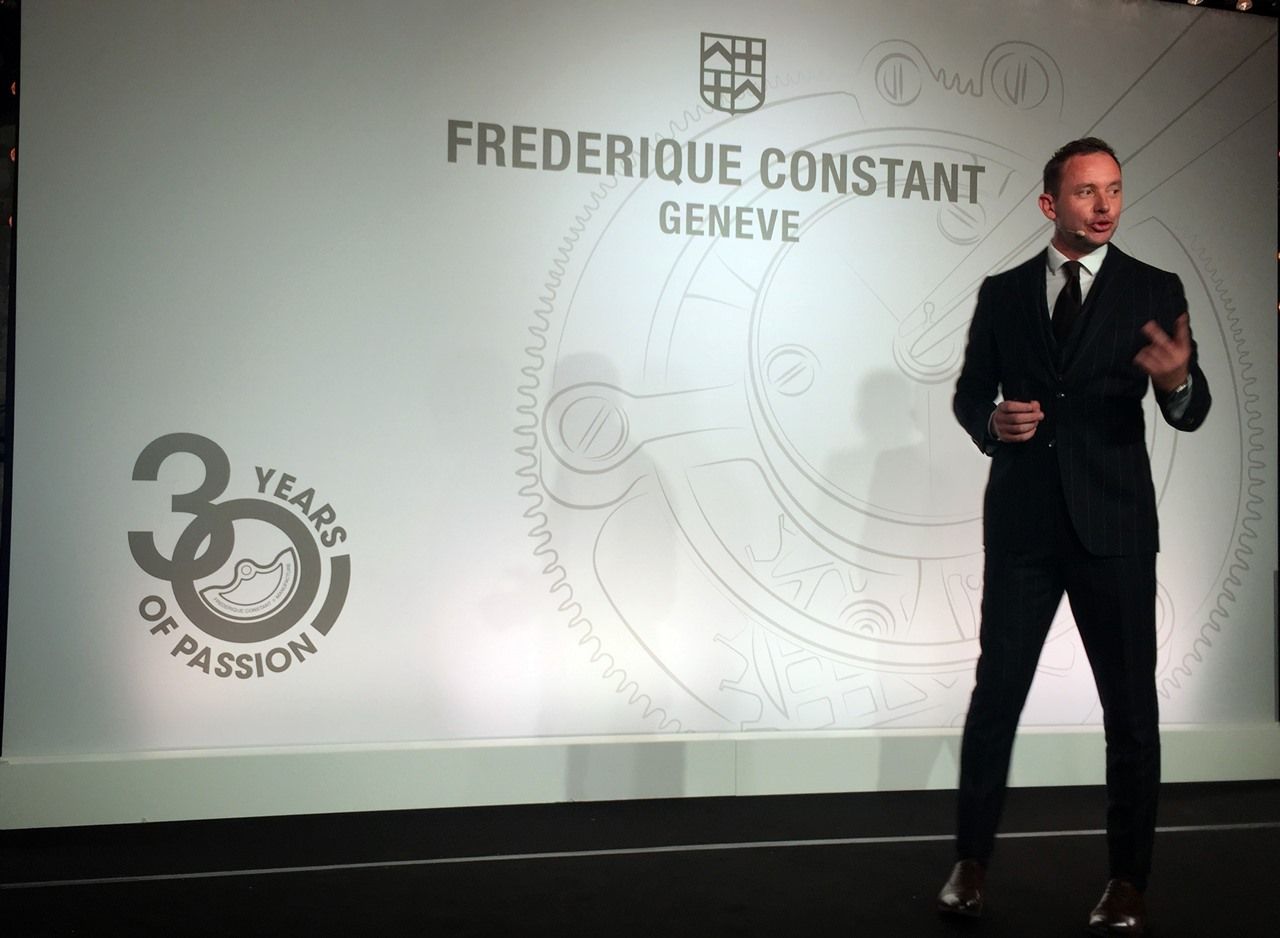
I don't know if in the coming years the case ofFrederique Constant, which just celebrated its 30th anniversary, will appear asstudy casein business schools, but I wouldn't be surprised at all. A Dutch expat—and newlywed—couple in Hong Kong deciding they're going to make watches in Switzerland? To top off internationalization, they choose a French name composed (by those of their respective grandparents) that sounds like tradition. The curious thing is that they have “managed” to remain Dutch in Switzerland, because apart from themselves their technical director is Dutch (Pim Koeslag, I interviewed him later) and so is their almost new general director, Niels Eggerding.
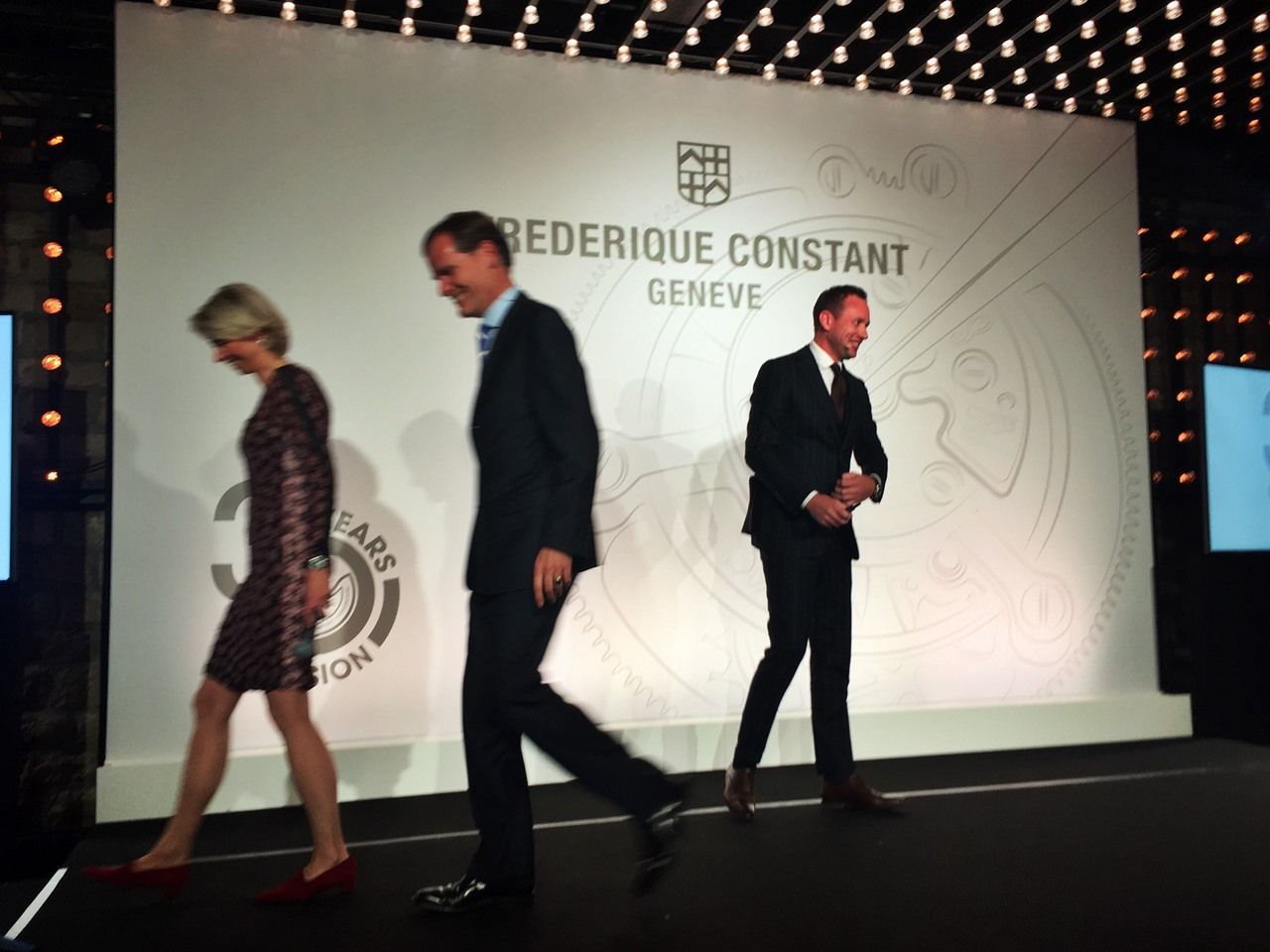
Niels is new because Peter and Aletta Stas, the founders, are retiring from management (I explain this now), and it is “almost” because he has already been in the position for two years after having been sales director, and we will also interview him. Starting from the beginning, it must be said that recentlyFrederique Constantcelebrated that anniversary in Paris, where I had the opportunity to see them all (Aletta, Niels, Peter and Pim) and share a recorder with two of them. Who I did not see, and in a way it is a metaphor, are the current owners of Frederique Constant, the powerful Citizen group, which boughtFrederique Constantto its founders two years ago once they realized that their young children were not going to join the company and therefore give it continuity.
Find Bleeding Edge Supplements at Scandalous Prices on iHerb.

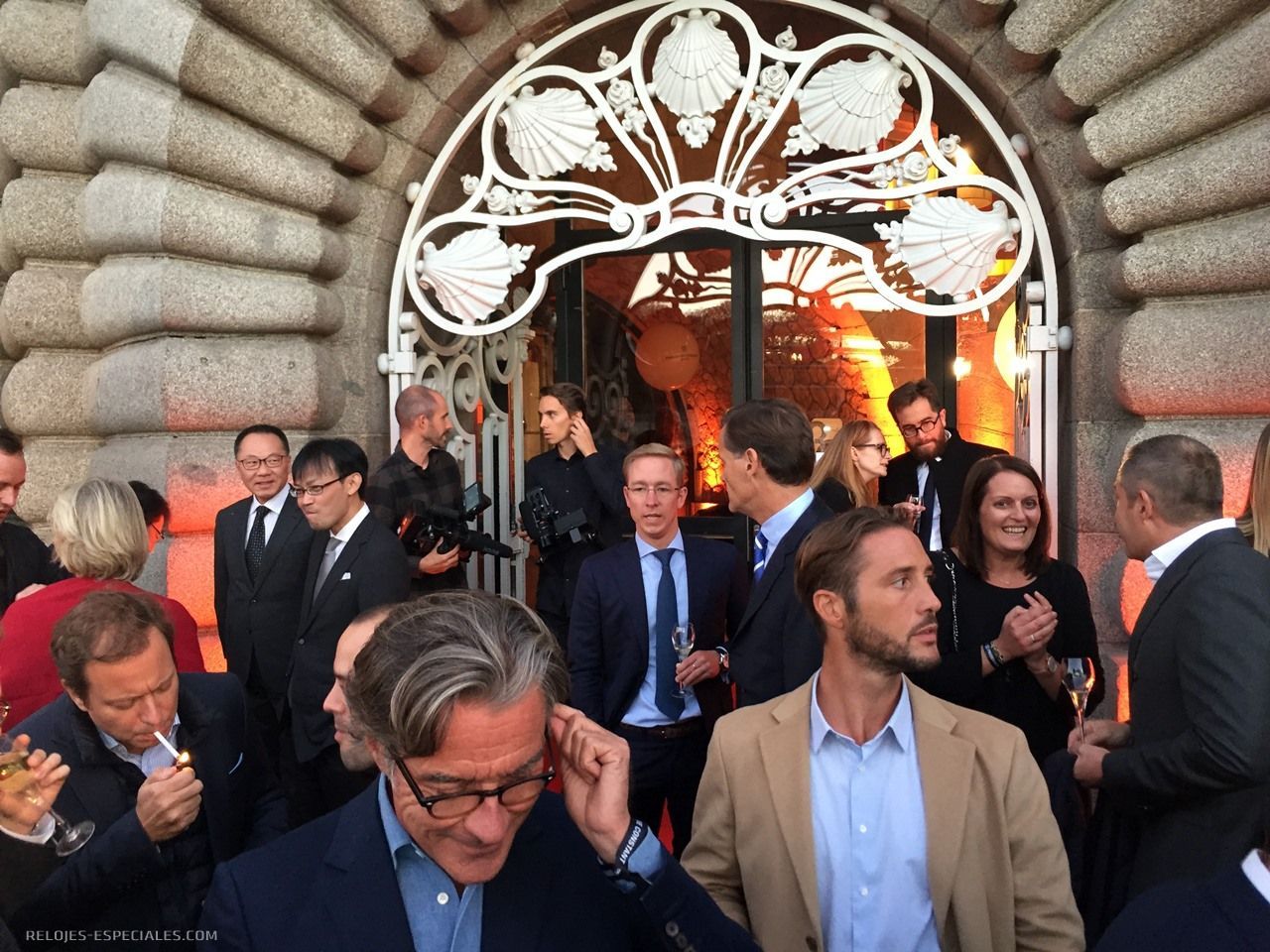
And I didn't see them (the correct expression would be "they didn't make themselves noticed", they were there) because from the first minute Citizen declared its intention not to interfere in the management and trajectory ofFrederique Constant, the main reason why they won the trophy over other groups interested in winning it. Proof of this is the permanence of Peter and Aletta as directors for at least five years to accompany both the brand and Niels in this new stage that will necessarily be one of growth. Two have already passed.
The story, broadly speaking, is summarized in a hunch when the couple – still engaged – sees a watch that fascinates them in Bucherer's window in Bern. It is not about a romantic crush, but about recognizing the concept of a re-branded watch (what is called “private label”) and the business possibility that can come from it. Their professional careers take them to Hong Kong (Peter is assigned there by Philips and Aletta requests a transfer to the ING bank to accompany him) and in their limited free time they begin to shape the idea based on their own designs—Peter is good at that—and local components. It is worth remembering here that the Swiss landing in Hong Kong began almost twenty years earlier, so there was a choice. After a stroke of luck at the first local watch fair they attend, when they receive an order for 350 watches and later another for 1,100, they decide that they have to go one step further and assemble their watches in Switzerland (as, by the way, many established brands did and continue to do: assemble components produced in China in Switzerland).
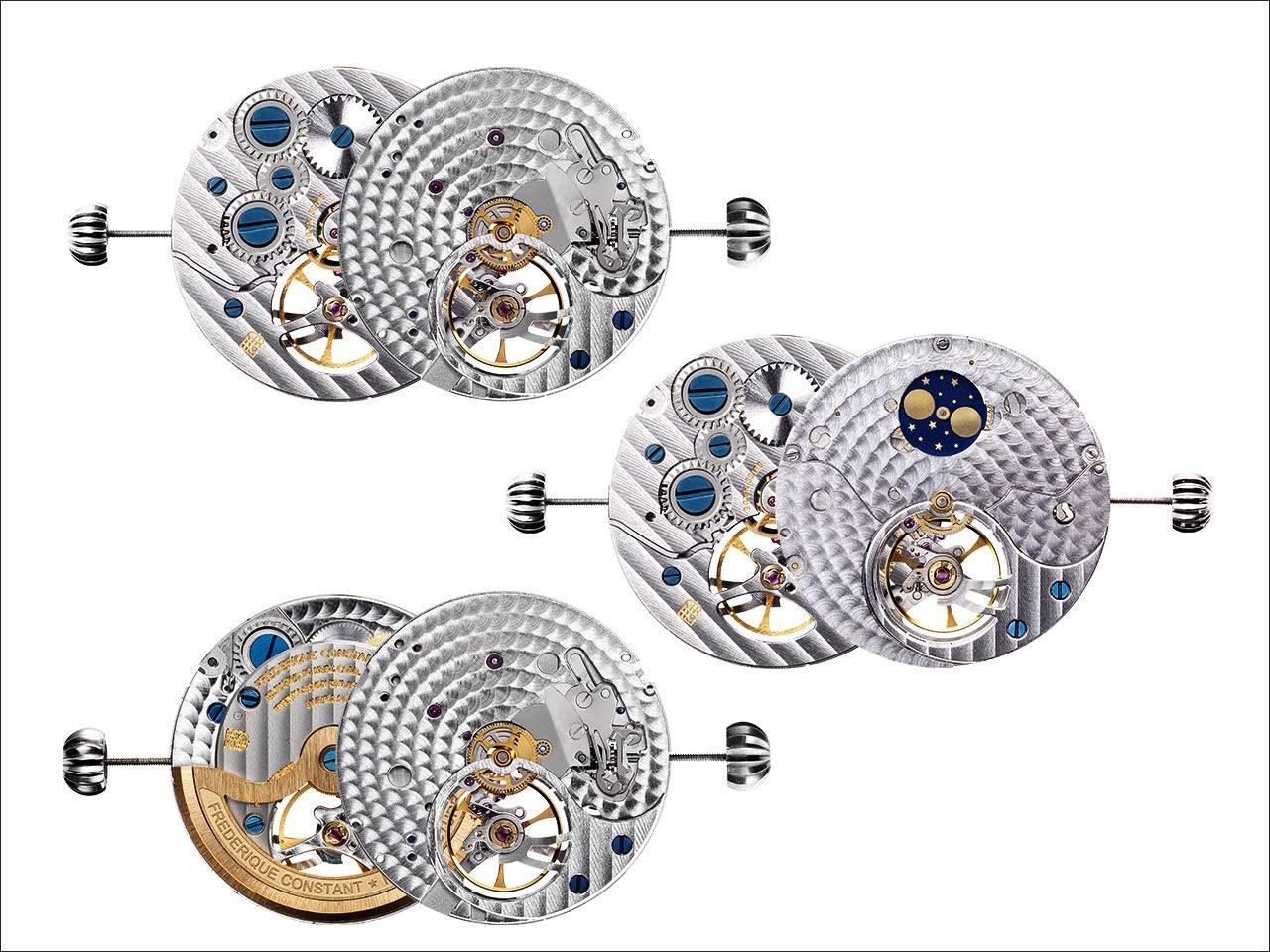
In 1992 the companyFrederique Constant, founded with 60,000 Swiss francs, sold more than (or only, depending on how you look at it) 1,000 watches manufactured by external companies, and four years later, in 1996, they made the final leap to Switzerland after saying goodbye to their respective multinationals. They settle in Carouge, near Geneva, and open their first office and assembly workshop. 2001 is the moment when they made the decision to produce their own movements, something that took only three years: in 2004 they presented the manual winding caliber FC-910, followed by the FC-915 with moon phase in 2005 and the automatic FC-930 a year later.
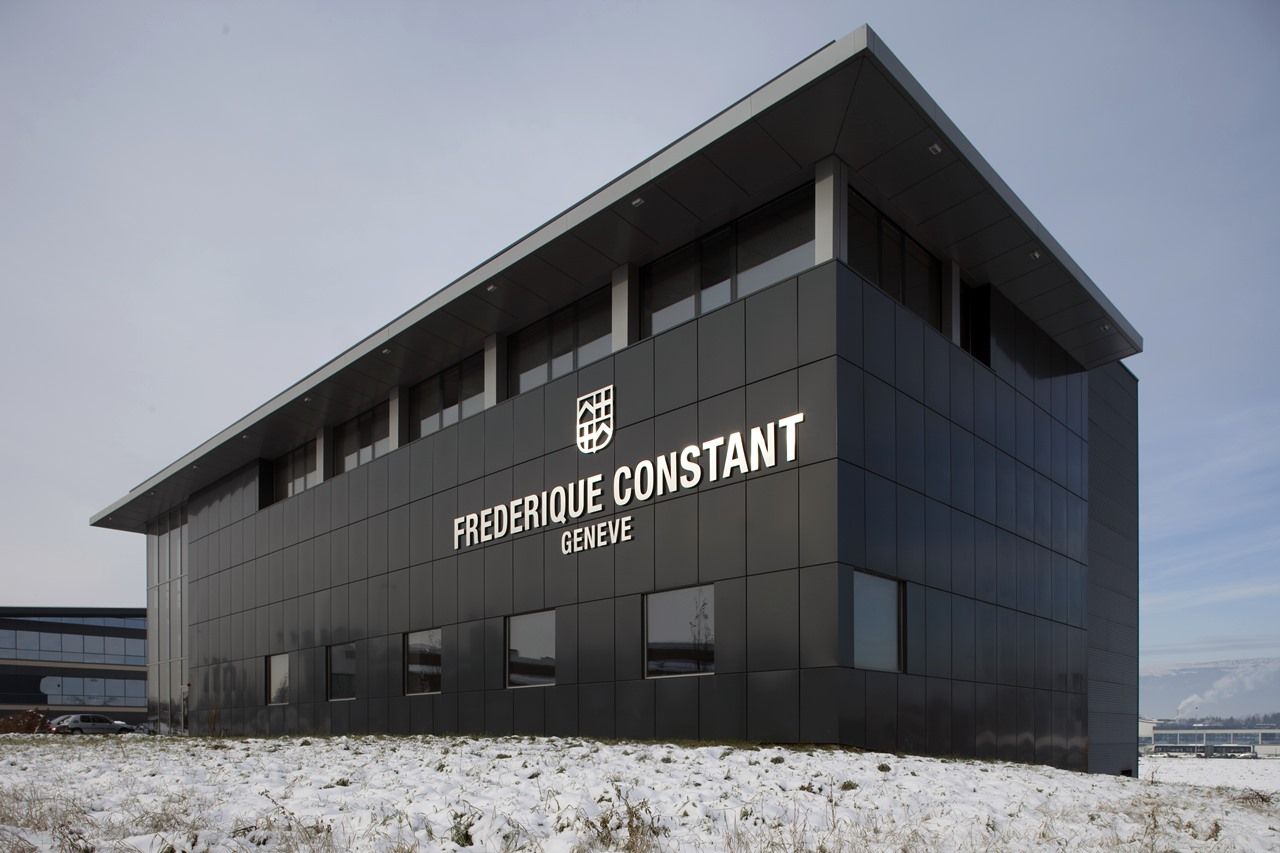
2006 is the year of inauguration of the Manufacture - thus, with a capital letter - in the watchmaking Olympus: Plain-les-Ouates is an industrial estate near Geneva that houses facilities of Patek Philippe, Rolex, Vacheron Constantin and Piaget, among other brands of the same level. A coup de effect, without a doubt. All with own financing, without resorting to external capital. At least 80% of the components of its manufacturing calibers will be produced here.
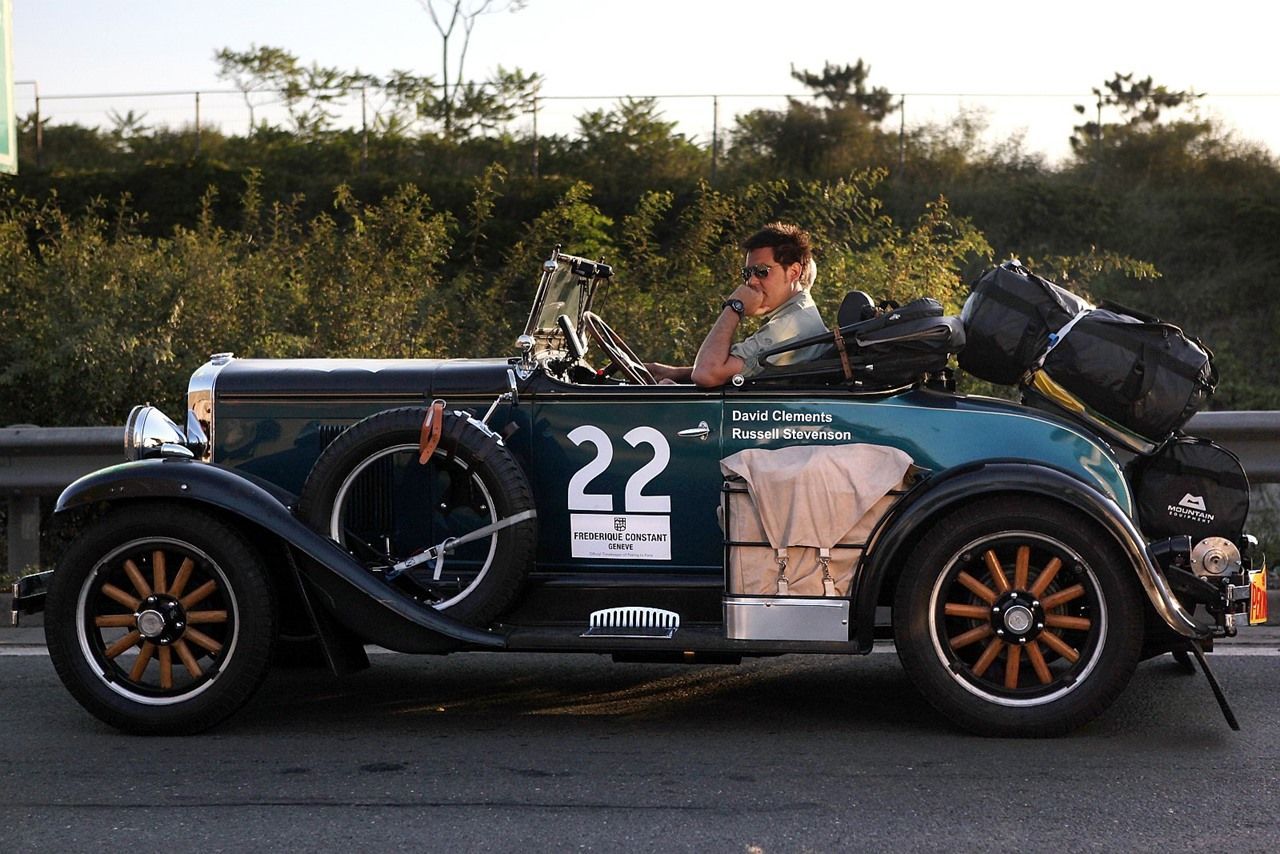
By 2008, Peter Stas revealed an annual production of 90,000 watches. Not all of them had manufactured calibers (movements are still bought outside, both mechanical and quartz), but this facet gave theFrederique Constanta perceived quality well above brands with more years in the market. The “secret” of the speed with which new calibers were presented is modularity: modules that provide new functions are attached to a “tractor” base, allowing it to be constantly on the front line of information. An intelligent communication strategy, with balanced collaborations between the world of glamor (Eva Longoria, and more recently Gwyneth Paltrow) and the sports world (Peking-Paris Rally, Riva, Austin Healey) and a sound slogan (“Live your Passion”) complements the slow but sure penetration ofFrederique Constantin the collective imagination.
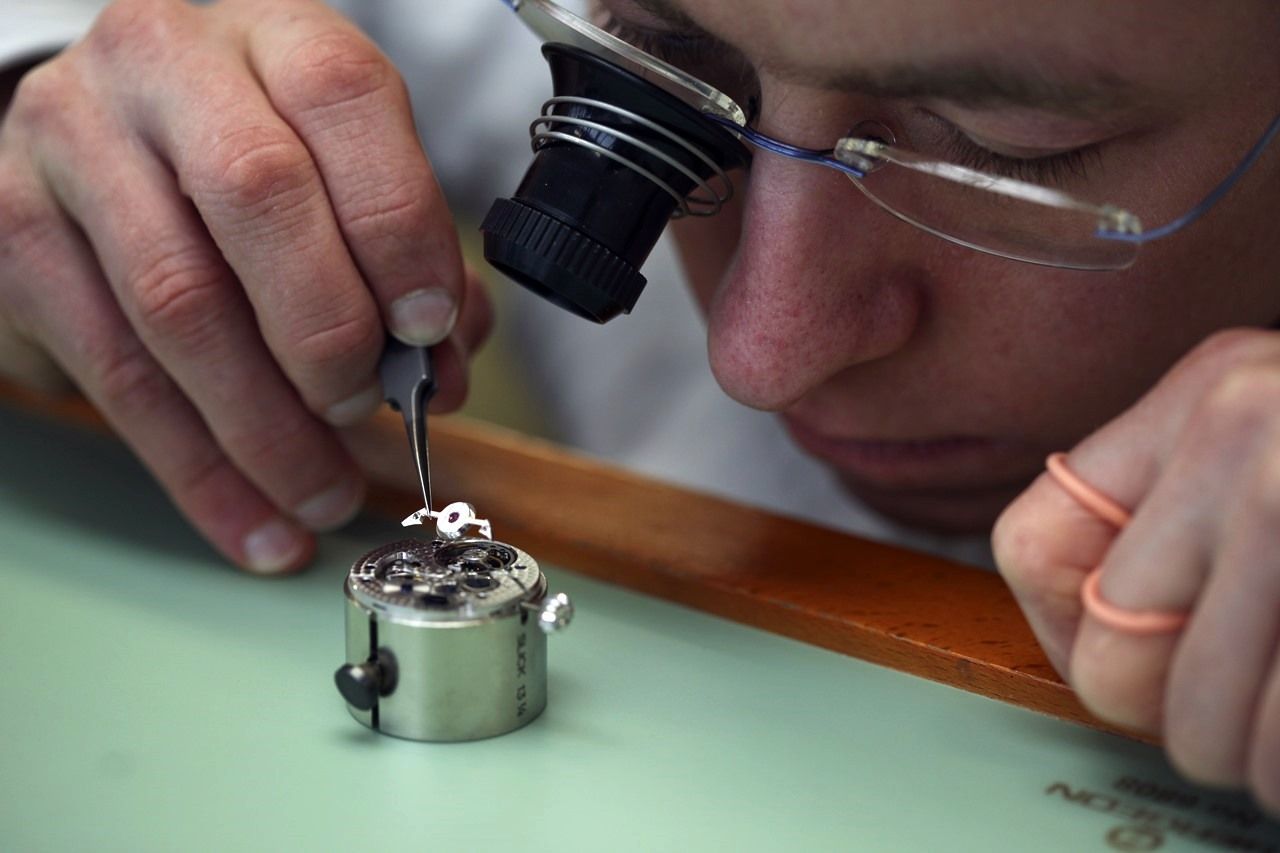
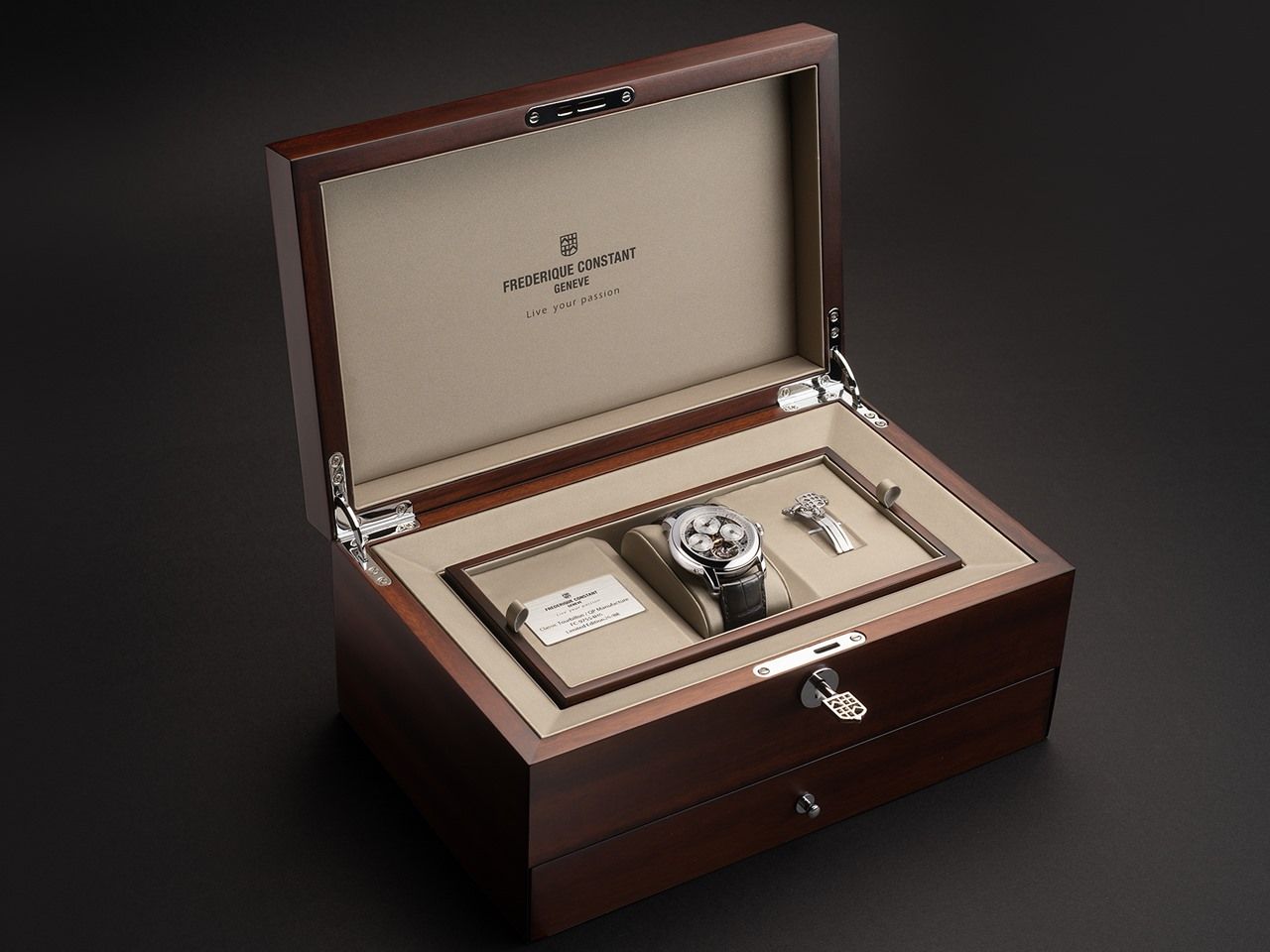
Also in 2008, the company's first tourbillon was presented, the work of a young Pim Koeslag, a Dutch watchmaker who can be said to have guided the path ofFrederique Constanttowards manufacturing. With a production limited to 188 pieces, it incorporates some improvements to Breguet's invention, such as the stop seconds hand or an "intelligent screw" that balances the cage with a silicon escapement wheel. The origin of this exceptional model (so rare in collections ofFrederique Constant) is in the bet—more of an exercise in style—called Ateliers de Monaco, the Haute Horlogerie brand of what was now a group.
Pim, whom I interviewed in 2015, tells me that they have finally decided to bring it back to Switzerland, since the watches were actually assembled in Monaco, where he traveled from Geneva carrying a suitcase containing the components and then took the assembled watches back with him. Assembling in Switzerland, in addition to optimizing the assembly part, has allowed them since 2016 to stamp the coveted Geneva Punch on these creations, no more than 150 units per year. But Ateliers de Monaco is not only an aesthetic exercise. It has also served as a basis for ideas or components that later, suitably industrialized, will be installed inFrederique Constant, like the Manufacture Chronograph Flyback presented in 2017. On the other hand, the perpetual calendar ofFrederique ConstantIt has nothing to do with that of Ateliers de Monaco, which is a completely different construction.
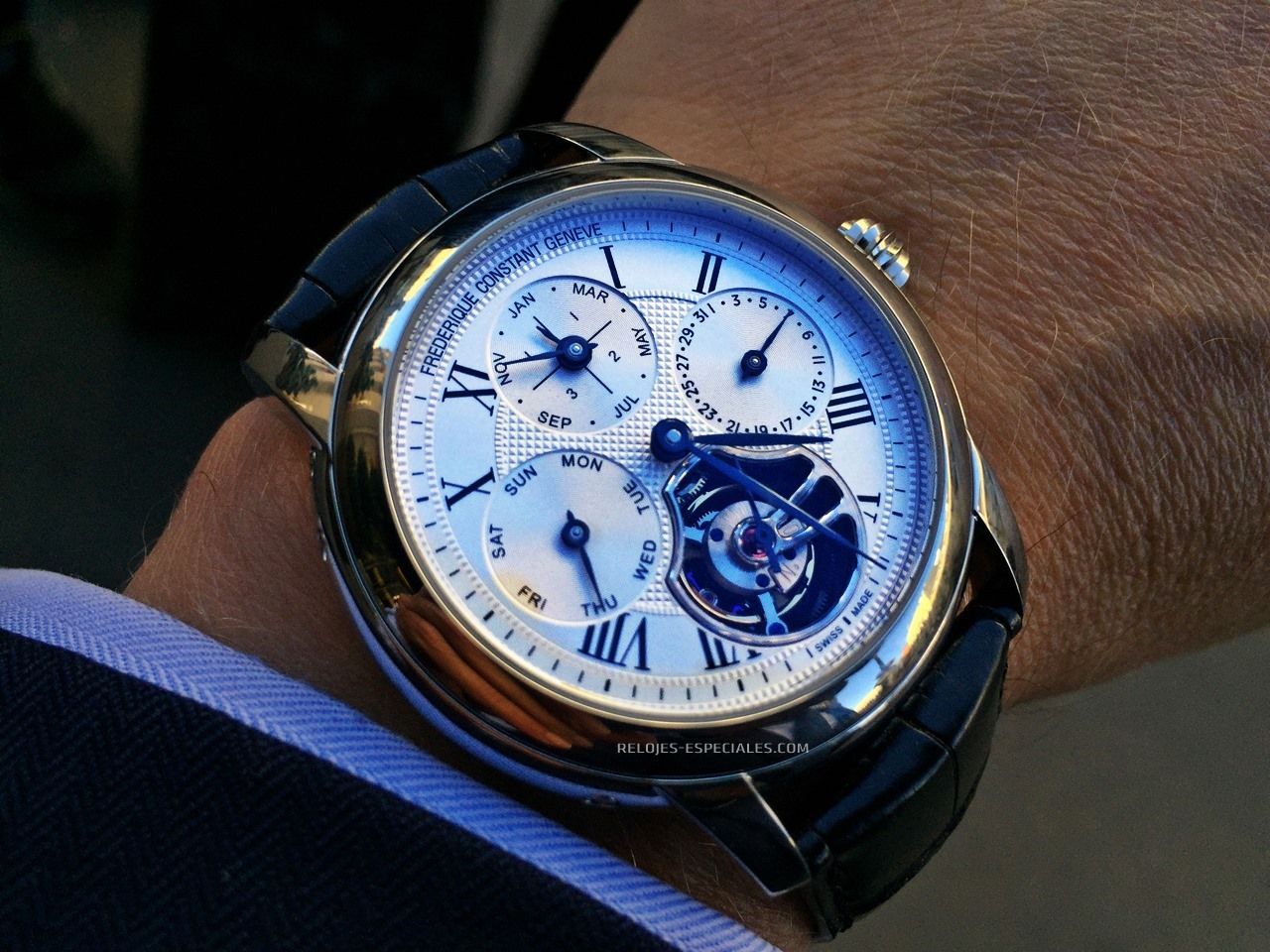
This example, that of the perpetual calendars, perfectly illustrates the philosophy: while in the case of Ateliers de Monaco they wanted to make the QP (Quantiéme Perpetuel) more sophisticated, with instantaneous jumps of several indications or single regulation by means of the crown in a mechanism of 350 components, in theFrederique ConstantThey wanted to make it the most economically accessible (a little more than €8,000) and a specific module was created for that “driver base” that I mentioned above. The achievement lies in the fact that such a module can be screwed directly to the base caliber without the need for subsequent adjustments, thanks to the intense prior R&D work, which contributes to that relative affordability. There are still a couple of complications on Pim's wish list: the jumping hour and the retrograde indication, it will depend on the new direction how long it takes to come to light.
In these last ten years a lot has happened. One of them is that the family of manufacturing calibers, based on the modularity already mentioned, has grown to 27 references. At the visibility level, whichFrederique ConstantHe has been associated, in addition to Eva Longoria, Inés Sastre and Gwyneth Paltrow, with Cohiba cigars and Riva boats. And that Aletta and Peter Stas have published a book (“Live your Passion”) where they tell their exciting adventure in great detail…
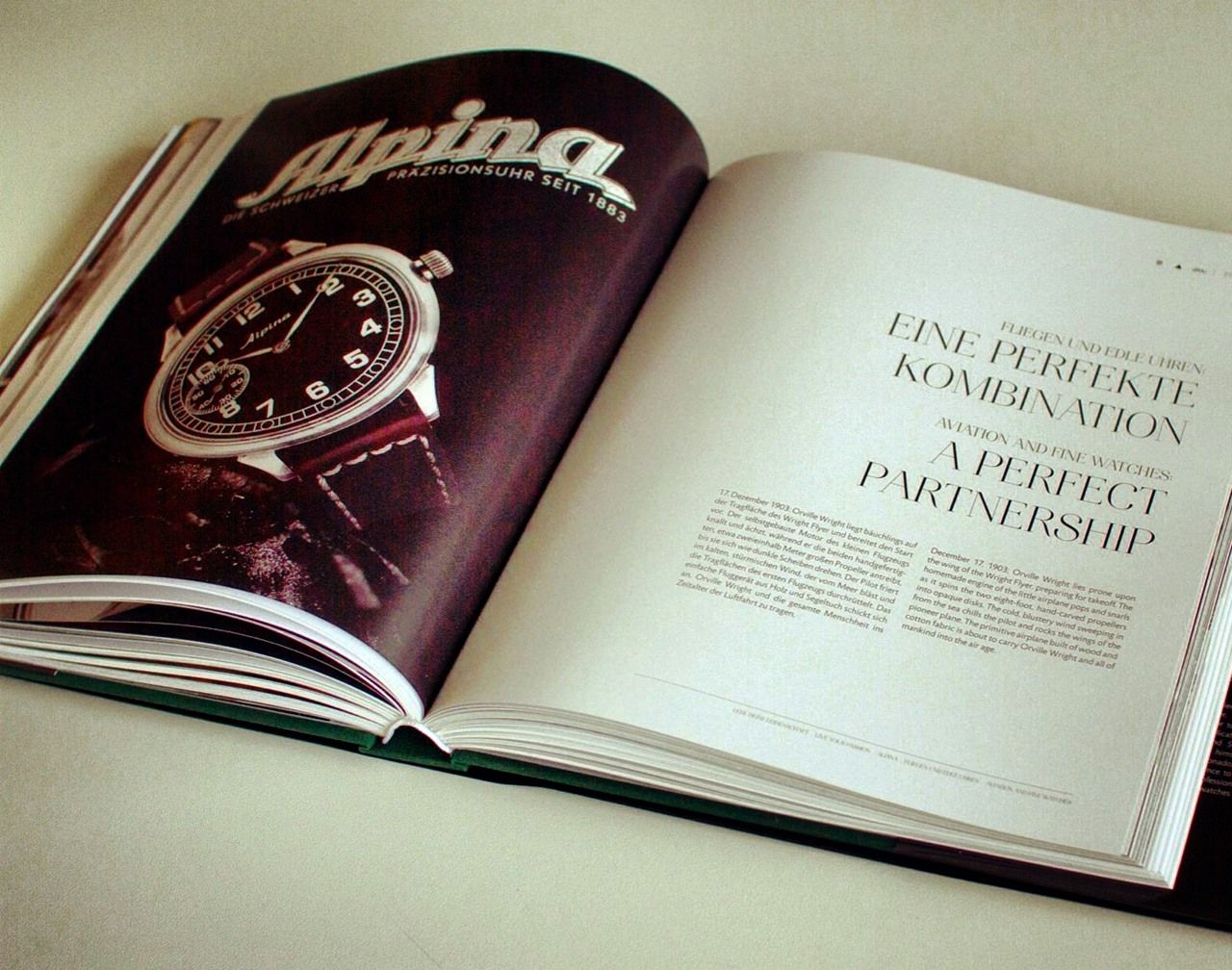
But there are two important milestones in watchmaking terms: the launch of the brandAlpinein 2011 (although it had been purchased a few years before) and the presentation in 2015 of the first “Horological Smart Watch”. Alpina was going to accommodate the sports line that the Stas had never wanted to develop inFrederique Constant, while the “watch smart watch” responded to the invasion of devices that do everything and also tell the time strapped to the wrist... The most intelligent thing was precisely the movement ofFrederique Constantby doing something completely different from what there was, with a watch that linked to a phone but had hands instead of a touch screen. In Peter's words: we released this model to compete with quartz watches that only tell time. Furthermore, with technology created, developed and implemented in Switzerland. As I said, a “smart move”.
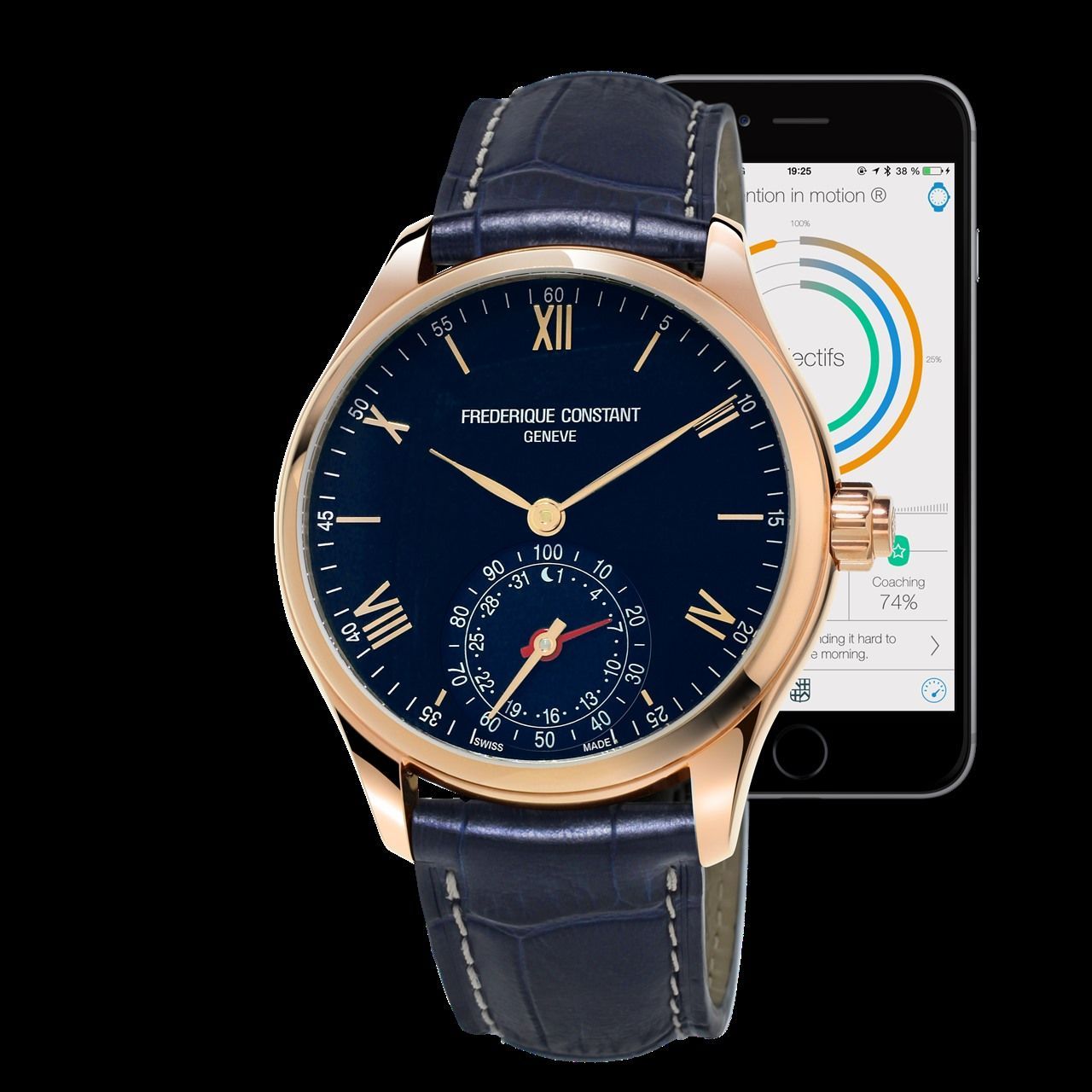
Three years later, more than one hundred thousand copies of that model have been sold. Niels Eggerding, general director of the group, tells meFrederique Constantfor two years now. These extraordinary sales (at least they seem that way to me) have led to the launch of the Hybrid which, as its name suggests, integrates an automatic mechanical caliber with an intelligent electronic module that communicates with the telephone on duty. According to Nils, the sell-in (i.e. sales to distributors) worked wonderfully at Baselworld. Now it remains to be seen how the sell-out works, although Niels says that it is still early to make a diagnosis.
The question materializes itself: is Citizen's technology not going to be used for these hybrids or directly for the Horological ones? The answer is no, true to its “promise” Citizen does not interfere inFrederique Constantand that does not impose technology. On the other hand, it must be said that this Swiss technology that I mentioned before is provided by a company called MMT, owned by… Peter (and I suppose Aletta) Stas. Smart move. And speaking of movements, have you considered using Miyota calibers (from the Citizen group) now that they would be so accessible? The non-manufacturing mechanical movements that it usesFrederique Constantthey are mainly provided by La Joux-Perret, Sellita and, to a much lesser extent, ETA. The level of the Miyota should improve to be considered, although given the circumstances the possibility of collaboration remains open.
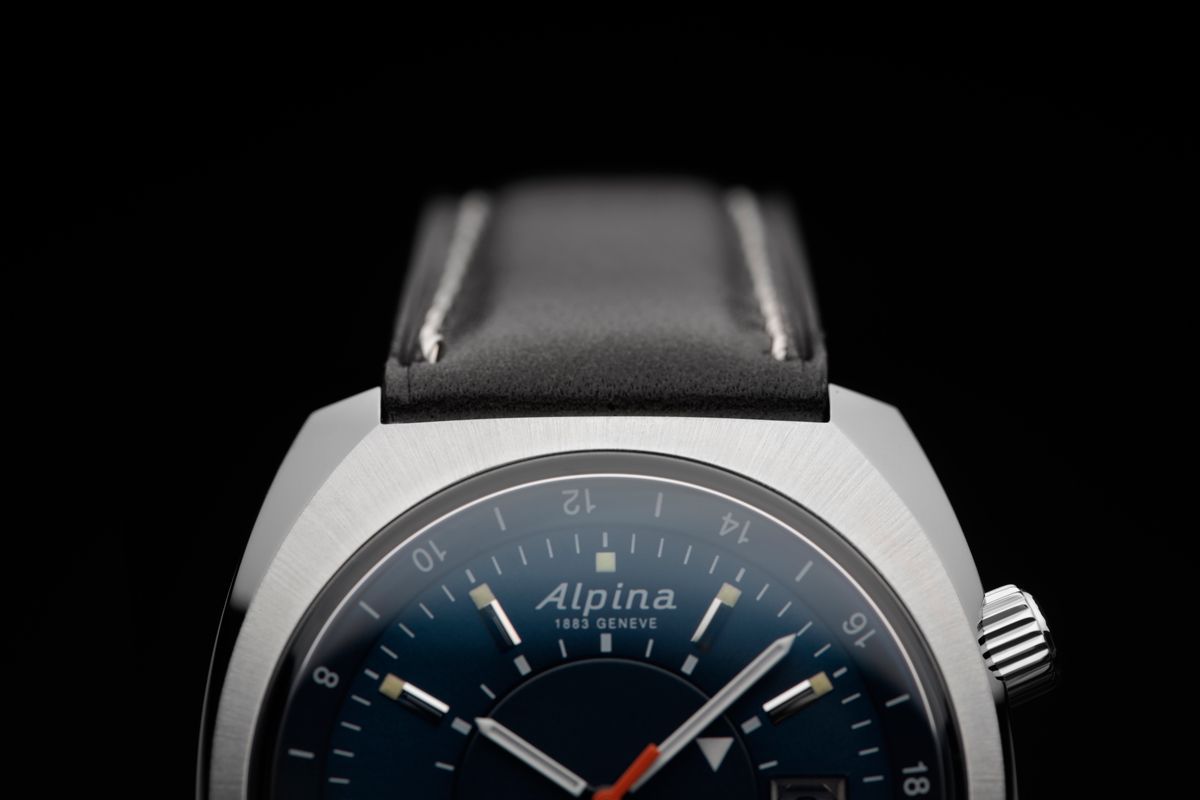
Frederique Constantas a flagship, Ateliers de Monaco as a “laboratory of ideas”… AndAlpine? Beyond being a sports collection, how is it positioned? The initial approach has been given a twist and, although he does not mention the other brand, Niels admits to me that the strategy ofTAG-Heuerreturning to psychological prices below €1000 seems to have given good results. Knowing the group's quality standards, prepare to see real bargains at Alpina.
And speaking of bargains and prices, their slogan “accessible luxury” (which personally seems like an oxymoron to me) is based on things as simple as doing away with the superfluous: they do not subject their calibers to the COSC although they could pass the test without problems, they do not decorate parts of the caliber that will not be seen and when they do it is almost always with mechanical means, they very rarely use precious metals other than plating… even so, the perceived quality is high. And the figures are impressive: by 2018, 160,000 watches will have been manufactured, of which 10,000 are manufactured, 50,000 mechanical and the rest quartz (including smarts). The case of the Flyback Manufacture is paradigmatic: its success was such that they could not meet the demand.
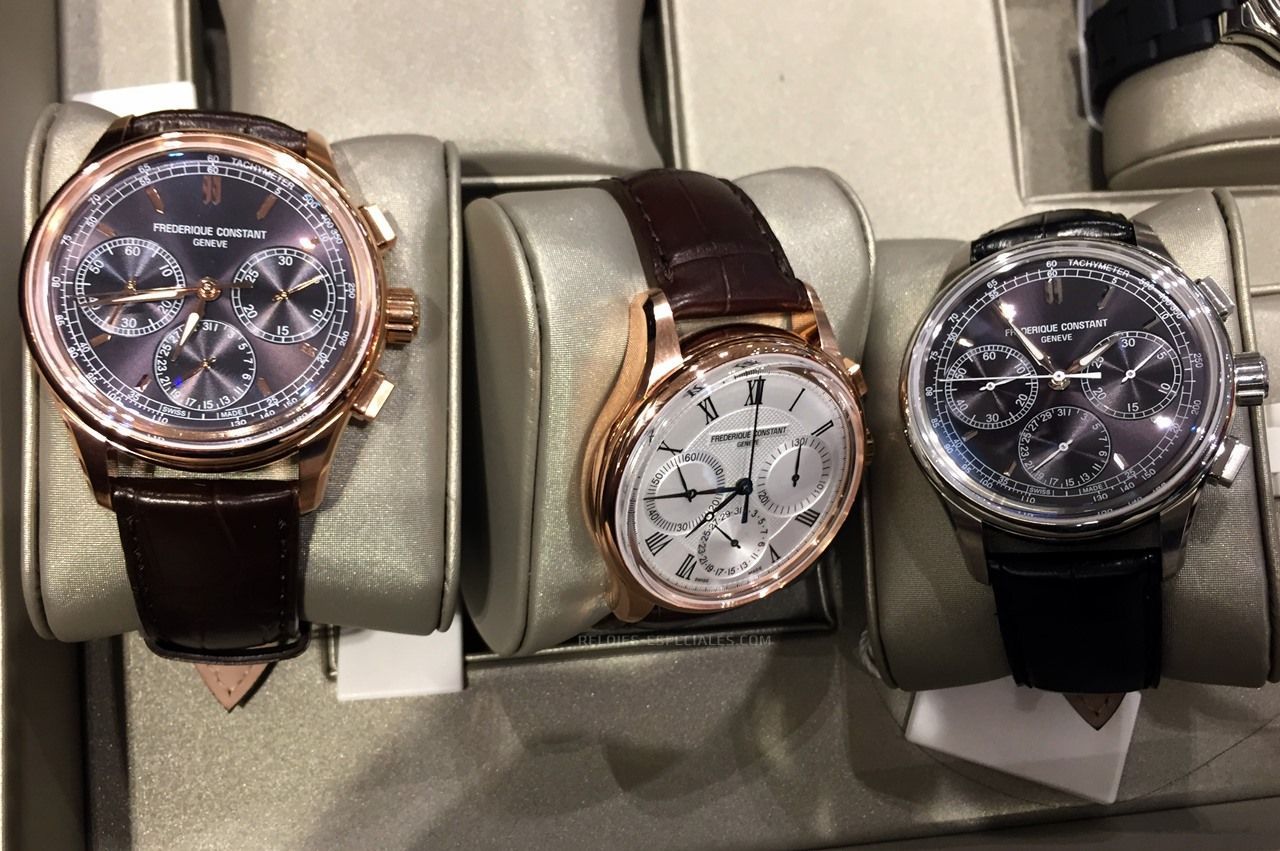
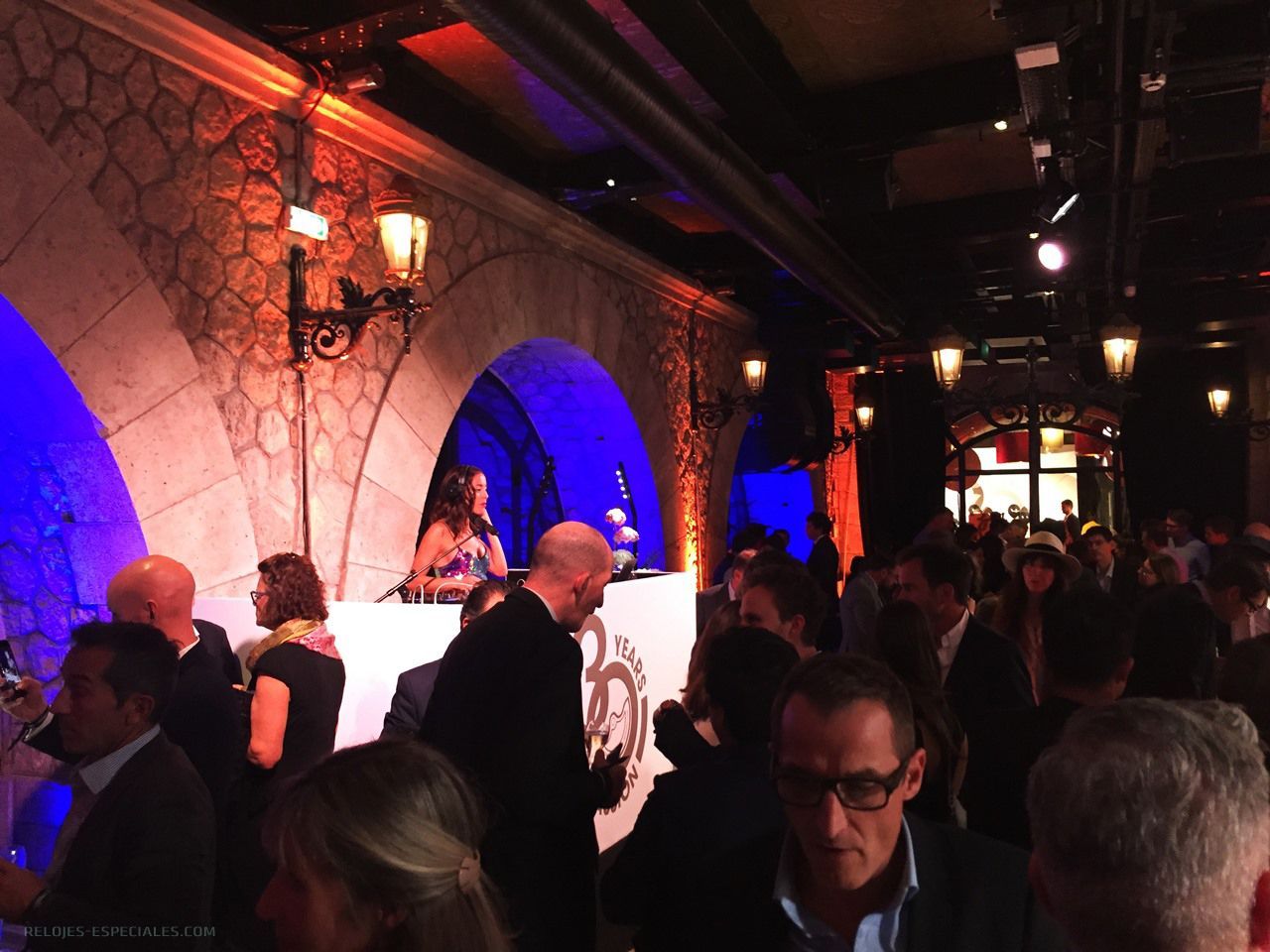
All this, together with the 30 years of existence, is what they celebrated at the end of September in Paris with a very Frederique Constant party: elegant, pleasant and without fanfare. House brand.
www.frederique-constant.com
www.alpinawatches.com
Browse the Shop
 Acacia frida deluxe solid wood bed frame |
Bedroom bench |
Bed chest drawers |
Lingerie dresser |
Frame base |
Mirror with jewelry storage |
30 Bathroom Vanity |
Memory foam queen mattress |
Mattresses for back pain |
Nightstand set of 2 |
Grand Goldman Shop |
Civil Lawyer
Deutschland Trikot WM 2026
Acacia frida deluxe solid wood bed frame |
Bedroom bench |
Bed chest drawers |
Lingerie dresser |
Frame base |
Mirror with jewelry storage |
30 Bathroom Vanity |
Memory foam queen mattress |
Mattresses for back pain |
Nightstand set of 2 |
Grand Goldman Shop |
Civil Lawyer
Deutschland Trikot WM 2026










