

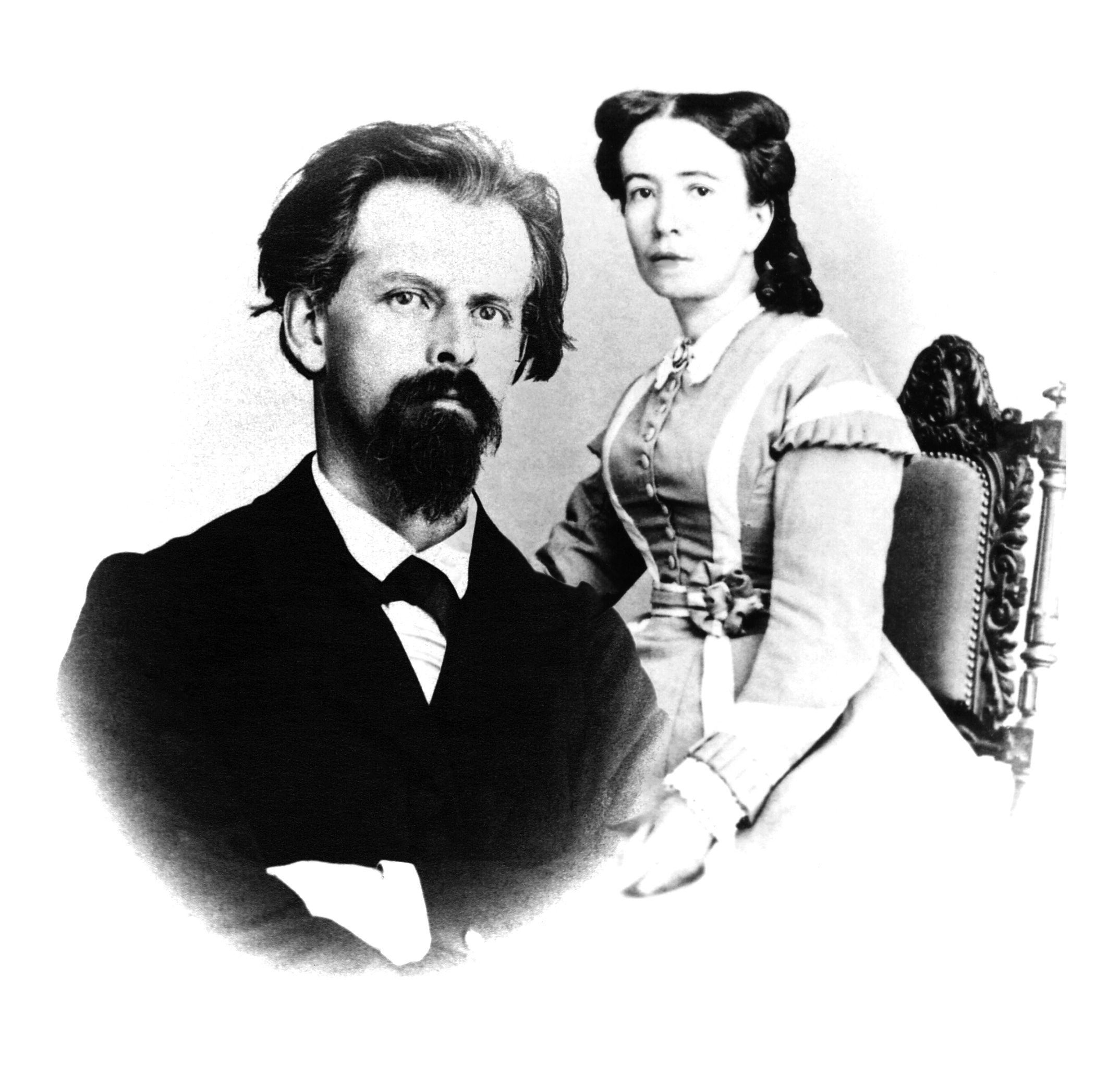
Like most century-old brands, thehistory (and stories) of Girard-PerregauxThey are full of anecdotes, events and historical milestones, pardon the redundancy. The name that the brand bears today comes from 1856, two years after Constant Girard, an established watchmaker with his own brand, married Marie Perregaux, daughter of a famous chronometer maker from Le Locle. And it was their son, Constant Girard-Gallet, who, in 1906, bought the company founded - now - in 1791 by Jean-François Bautte, a multidisciplinary craftsman with skills in both the field of jewelry and watchmaking, but also endowed with an extraordinary commercial and business sense that led him to expand his business throughout Europe and trade regularly with China and India.
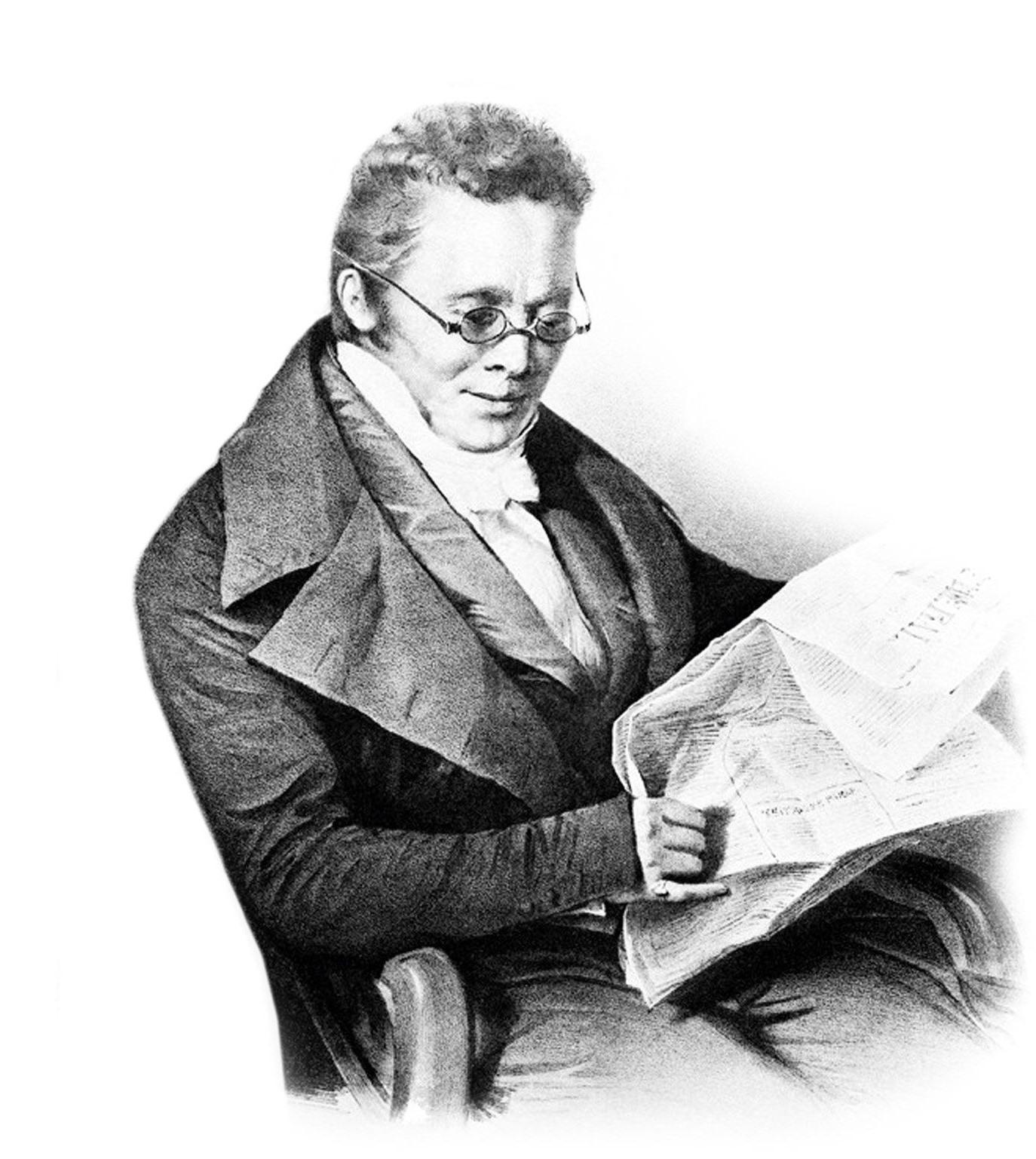
It was precisely a need for Swiss watch manufacturers to make their products known (and sell) beyond their own borders. And curiously, one of its first commercial networks was based on one that already exported... bobbin lace, a craft that already in the 17th century and in the canton of Neuchâtel employed between five and six times more people than the watchmaking sector. Near Neuchâtel, in La Chaux de Fonds, is where Girard Perregaux's headquarters are located. As an anecdote, I would say that this canton has only been Swiss since 1848, just after having been Prussian, French and, after Napoleon's defeat, Prussian again.

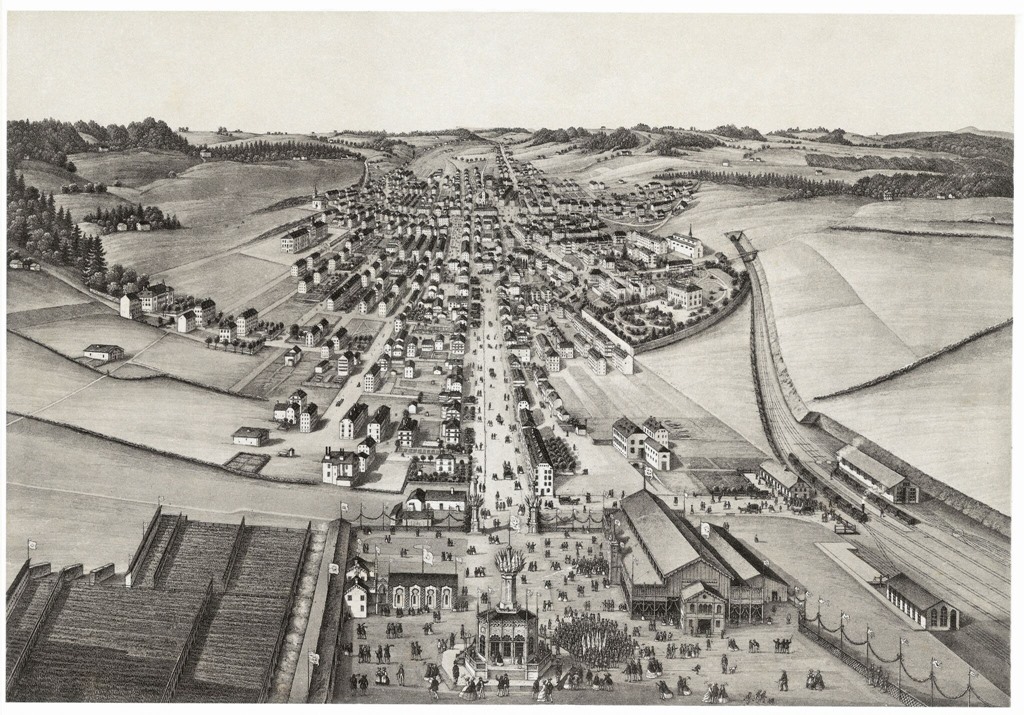
The expansion of Girard Perregaux had begun a few years earlier in the United States, where Constant Girard, from its company “Girard et Cie”, was already exporting watches under the name “Girard London”, because we must not forget that at that time the world watchmaking center was England, home of marine chronometers. Switzerland's prestige would come later. Once married to Marie Perregaux, and since everything remained in the family, Constant Girard licensed his brothers-in-law Henri and Jules to represent the brand in both North and South America.
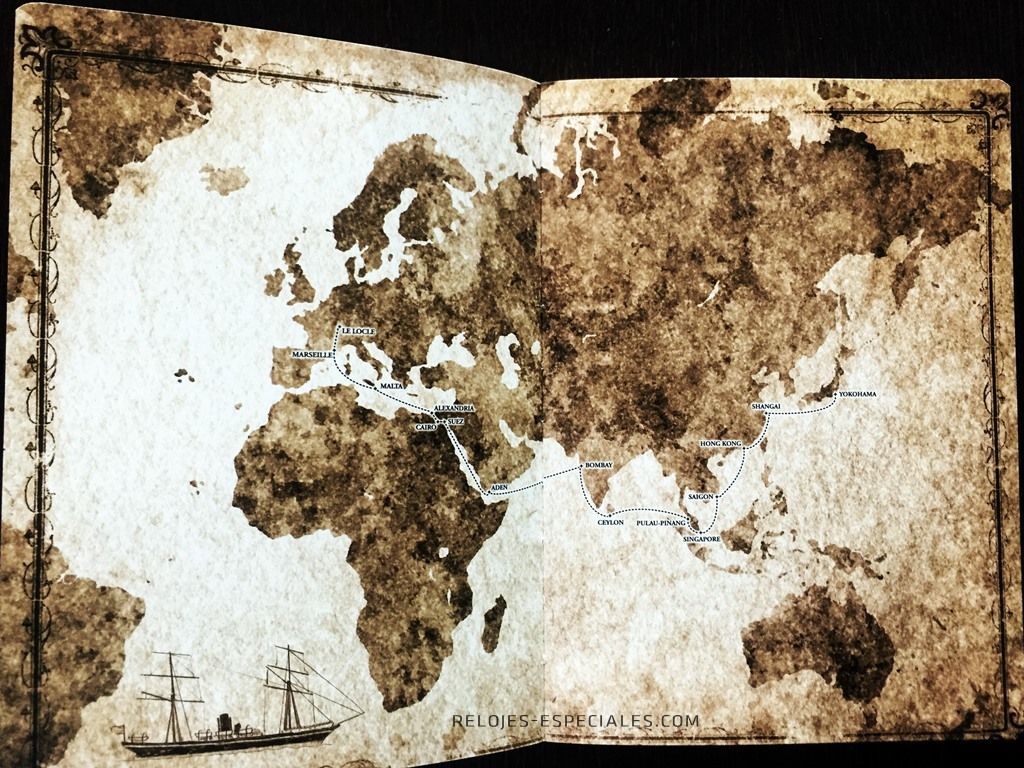
There was still a fourth Perregaux brother, François, who, after six years being the representative in New York for the family firm (Perregaux & Co.), in 1859 left for the Far East as a new delegate of Girard-Perregaux and the Union of Swiss Watchmakers, which wanted to open a commercial office in Asia. After a trip that took him across the Isthmus of Suez (the canal had not yet been opened, which began work that same year), the Red Sea, the Indian Ocean, touching Bombay and Ceylon, after a month he arrived in Singapore, the nerve center of the British Empire and therefore a business center in the area. The jump to Japan was complicated because this country had just ended the Edo era (with the associated isolation from the rest of the world) “invited” by Commodore Matthew Perry, who in 1853 had appeared with an armada in the port of Tokyo and had bombed the city.
Still, that wouldn't be his biggest problem. After enlisting the support of the French consul in Yokohama (Switzerland had no agreement with Japan), François Perregaux discovered that the Japanese measured time in a completely different way from the European way. Actually in two ways: the so-called equinoctial time, used by astronomers, and civil time, which was used in the daily life of the Japanese. This was divided into day and night, and each of these two periods into six parts... exactly equal, which forced the clocks to be modified every fifteen days to adapt them to seasonal variations.
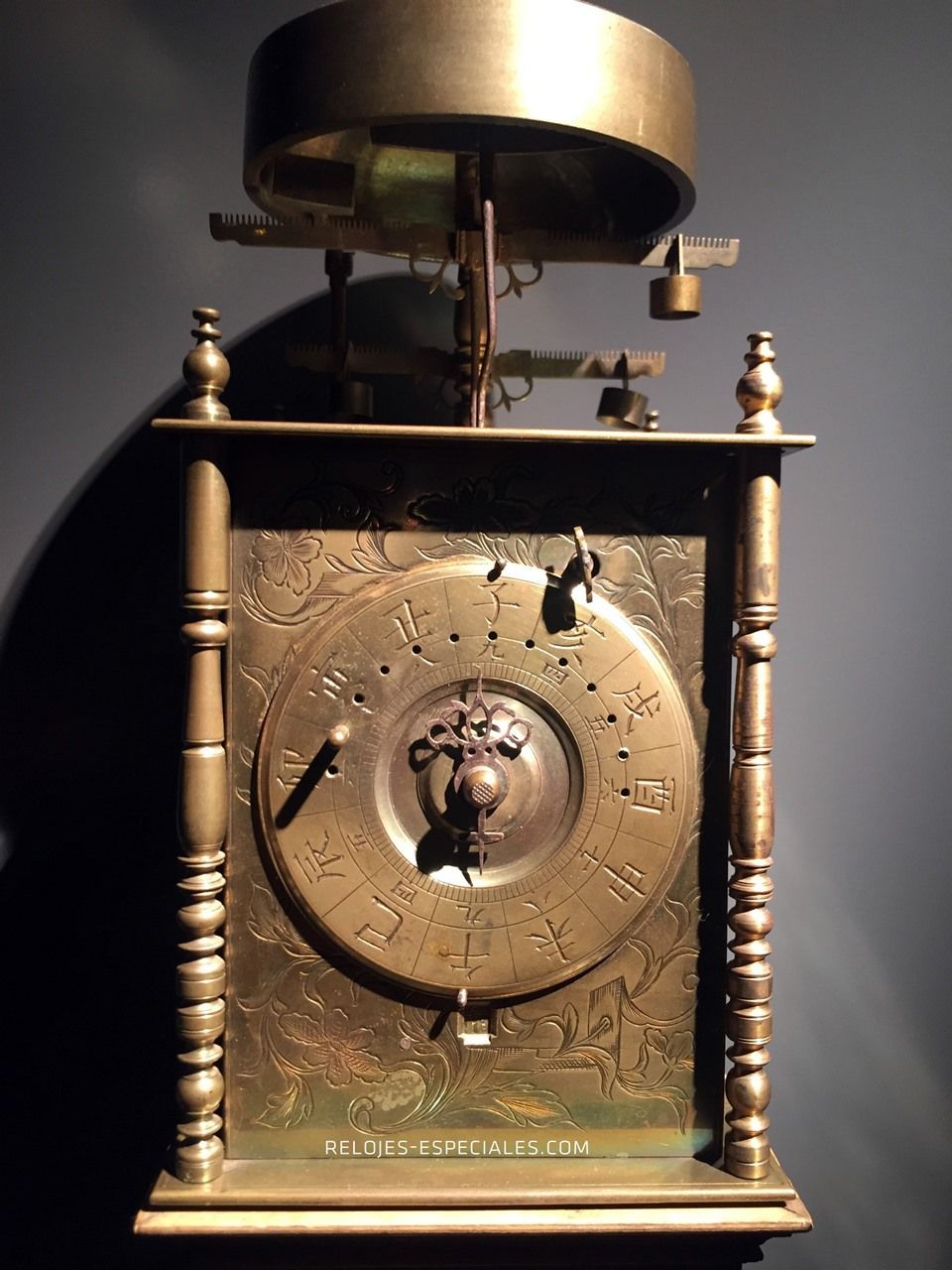
This also forced Japanese watchmakers to build clocks (Wadokei) that could be regulated by weights that were placed more or less separated in one or two foliotes or arms (one per period: day-night). To make matters even more complicated, the hours were read from highest to lowest from 9 to 4 (9 o'clock was noon or midnight), and each one bore the name of an animal. The life of the Japanese adapted to this system to a millimeter: they got up with the sun and went to bed when it fell, shops, as well as the Imperial Palace itself and official offices, opened at dawn and closed at nightfall. Likewise, meal times and other social activities were adjusted to him.
In this context, one can imagine that the (European) watch business had little chance... unless you were a pioneer in search of opportunities (or waited for your own stroke of luck): in 1872, Japan, already in the Meiji (imperial) era, created its own railway network, adapted to European calendars and time. Suddenly all Japanese watches are obsolete. Imports can begin... which will take years to penetrate the civilian population because they do not use portable watches. Perhaps that was why François also founded a company to manufacture “the only carbonated drinks in all of Japan.” He never returned to Europe.
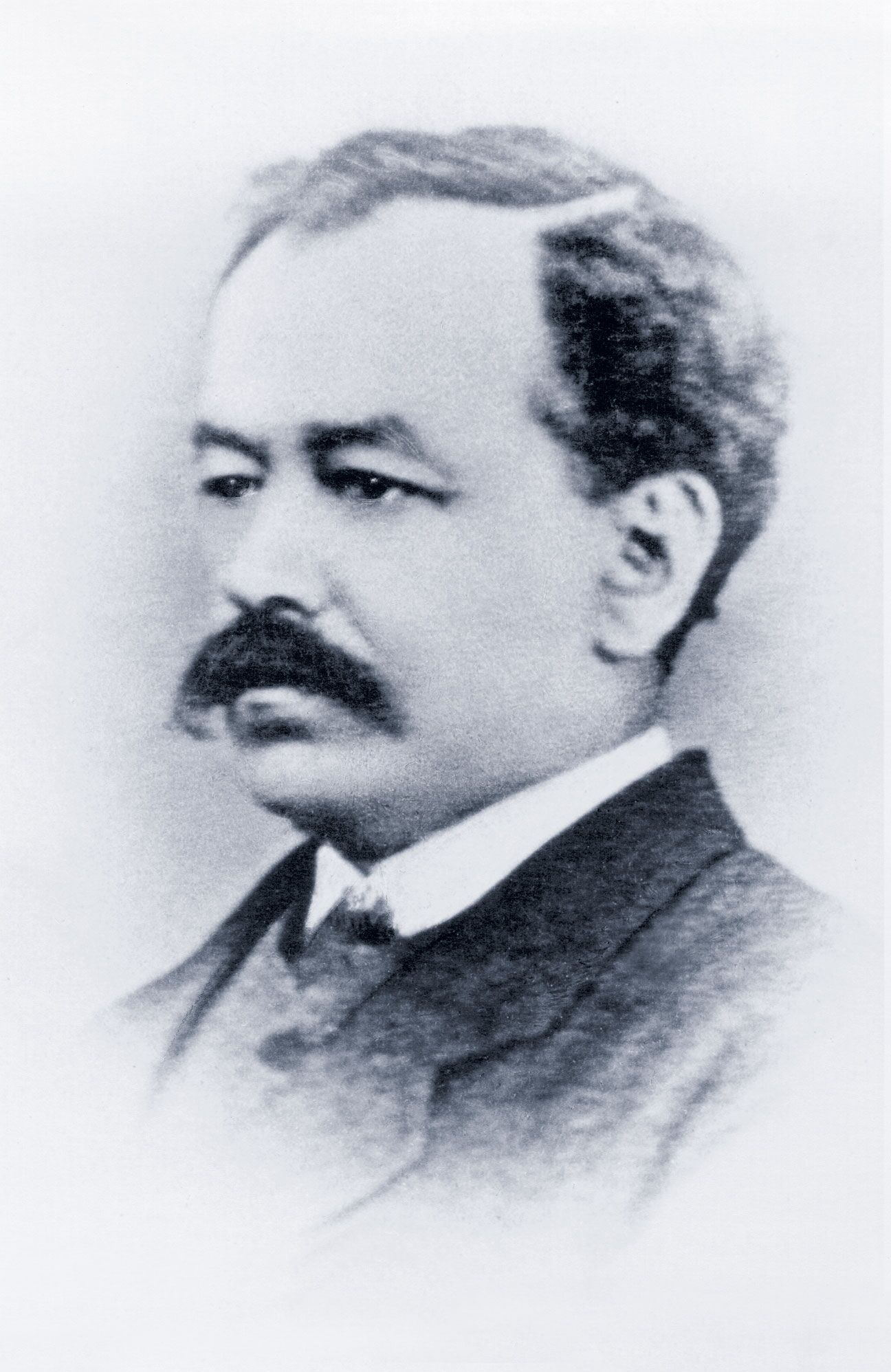
And in Europe? Here international exhibitions were taking off. Countries not only exhibited their own artistic and economic industrial potential but also wanted to see that of their neighbors, close or distant. It is in this context, at the Paris Universal Exposition of 1867, that Constant Girard-Perregaux decided to present the embryo of what over the years would become an icon of the House: a tourbillon under three bridges (patented in the United States in 1884 because there was no patent office in Switzerland at that time).
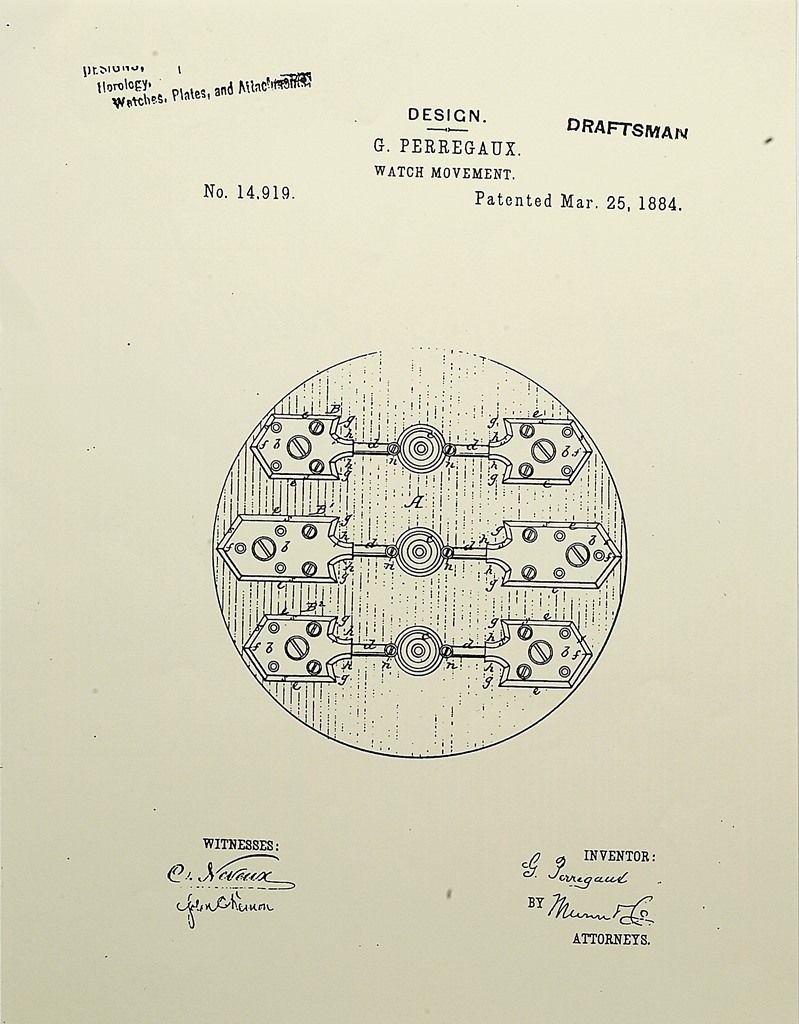
The model with the gold bridges and called “La Esmeralda” would not be presented until the next exhibition in Paris, in 1889 and in collaboration with his own son, Louis-Constant Girard-Gallet. The more than excellent chronometry results would end up leaving their watches out of competition (they took all the prizes!) while their authors were rewarded with membership in the qualifying jury.
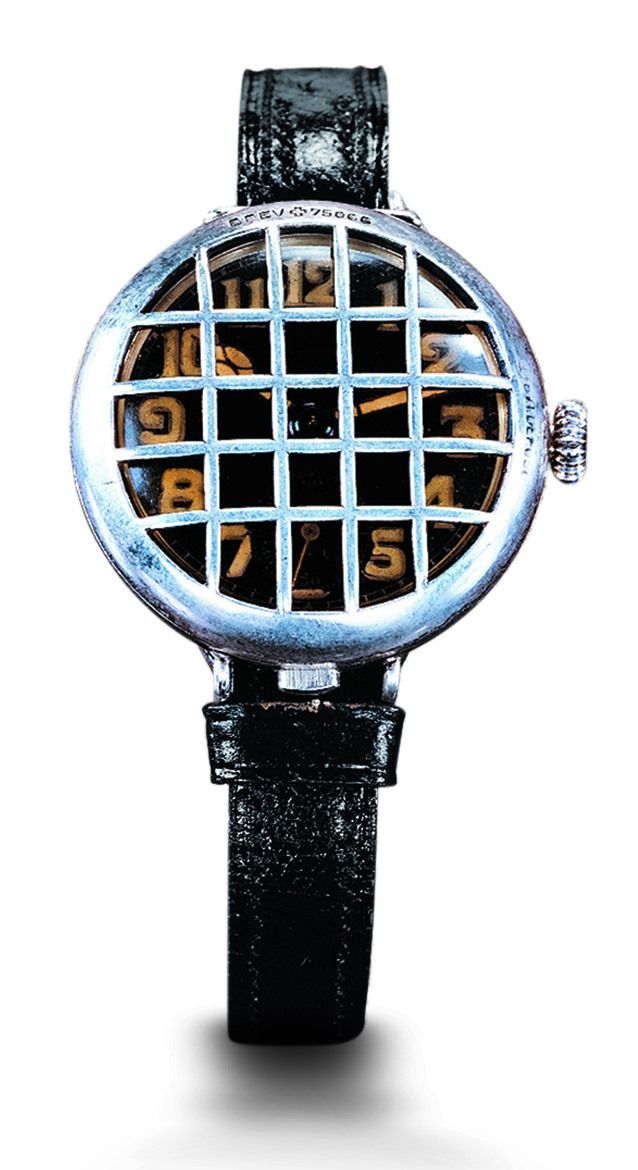
A few years earlier, in 1880, Constant Girard delivered to the imperial Prussian army an order for 1,000 “wearable” watches attached to a bracelet and whose glass was protected by a grille. Let us remember here that the canton of Neuchatel had very recently ceased to be under the empire of Kaiser Wilhelm. These 1,000 watches were intended for officers, and in some way confirm the innovative path of the industry applied to the military.
Upon the death of his father in 1903, Louis-Constant Girard marked the two most important milestones in the history of the watchmaking house to date: on the one hand he enlarged it by acquiring the enormous Bautte legacy in 1906 (see first paragraph), but on the other he was forced to sell everything in 1928 due to the fall of the world stock markets in what later came to be called the Great Depression. The buyer was another watchmaker named Otto Graef, who at the time owned a brand calledManufacture Internationale de Montres en Or, that is, MIMO (nothing to do with Mido) and which, due to its particular way of marketing and distribution, had done much better than GP.
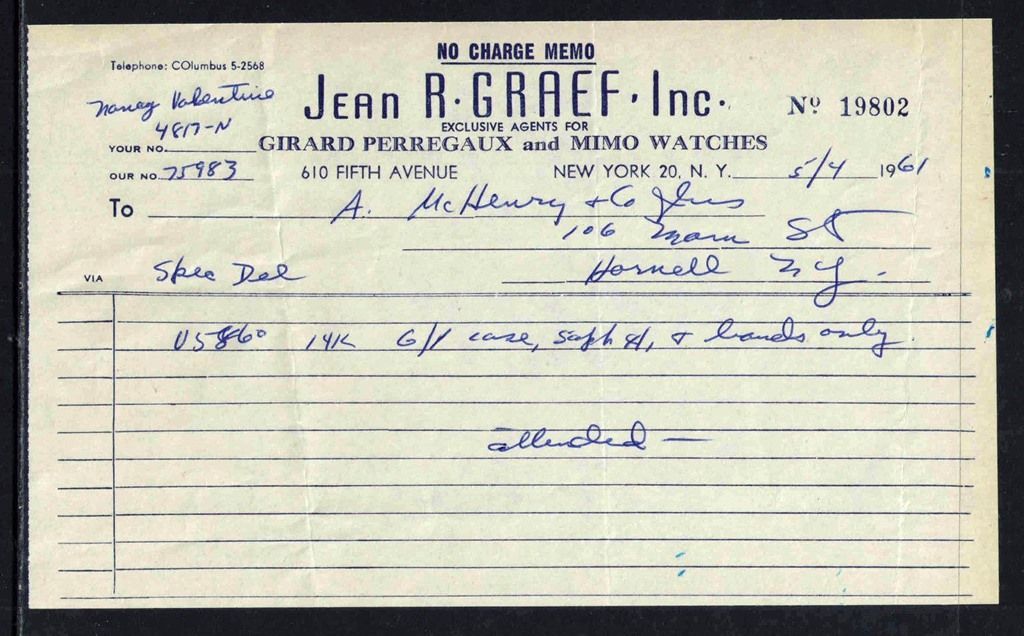
What interested Graef was the American market, where GP had been enormously successful, despite the fact that just now – in the early 1930s – it was bankrupt. But they did not limit themselves to using the Girard Perregaux distribution network: the Graefs were expert watchmakers and registered a respectable list of patents throughout their history, including a system of interchangeable bracelets (1933), a slide rule (1942), an indication of the different time zones (1946) or an alarm with a sound amplifier in the case (1949), all for wristwatches.
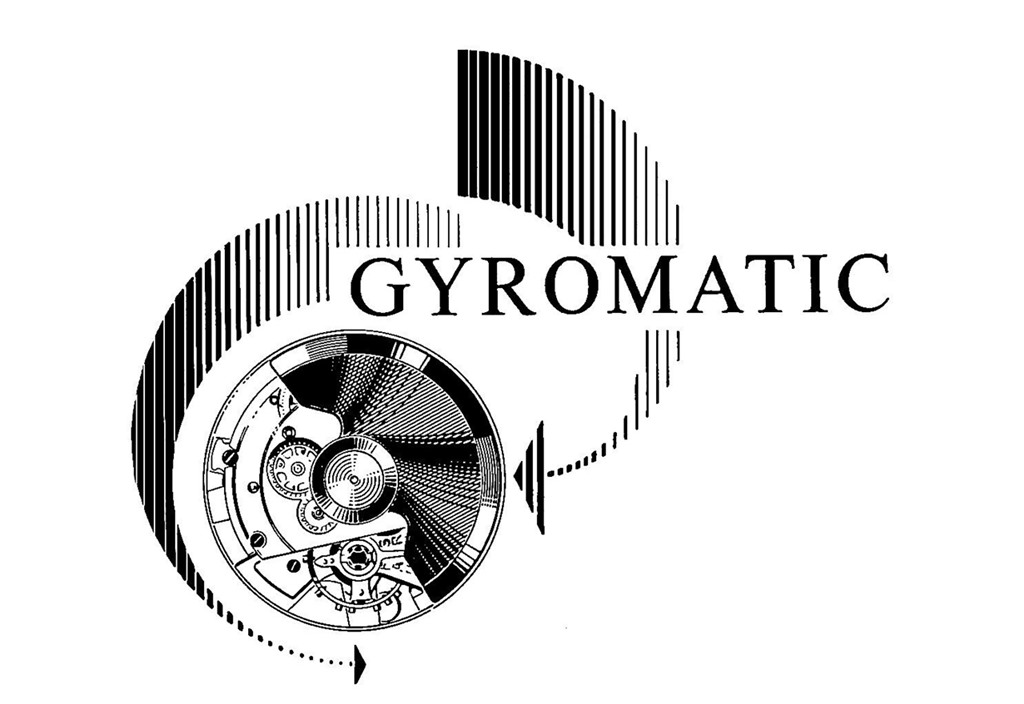
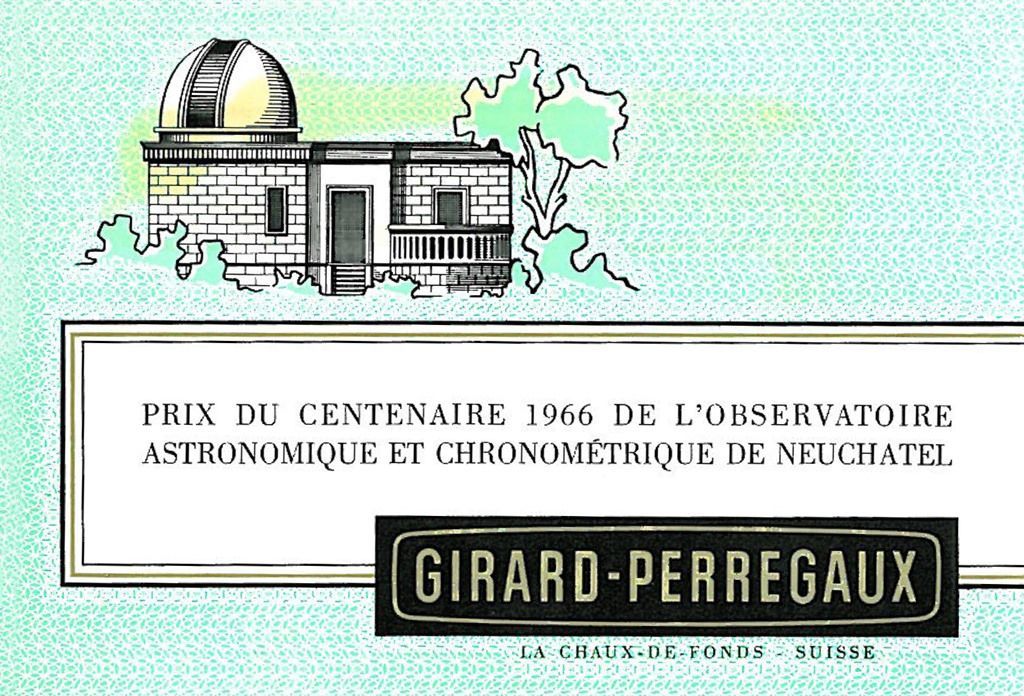
With these precedents, it is not surprising that in 1953 an entire R&D department was created, from which came the Gyromatic, an extra-thin automatic caliber, followed in 1965 by the Gyromatic HF, which beat at 36,000 oscillations per hour, which made it possible to send strict series watches to chronometry competitions instead of specifically created and prepared “competition machines.” This innovation earned Girard Perregaux the Centennial Prize of the Neuchâtel Observatory in 1966. It is not surprising then that one of Girard-Perregaux's emblematic collections is precisely called1966
Dark times were approaching for Swiss watchmaking and manufacturers tried to confront them with the “Center Electronic Horloger” to investigate quartz, but GP chose to go its own way and presented the first quartz watch industrially manufactured in Switzerland at the Basel fair in 1971. It was the first in the world to be equipped with a quartz movement beating at 32,768 hertz, the frequency now universally used by all manufacturers.
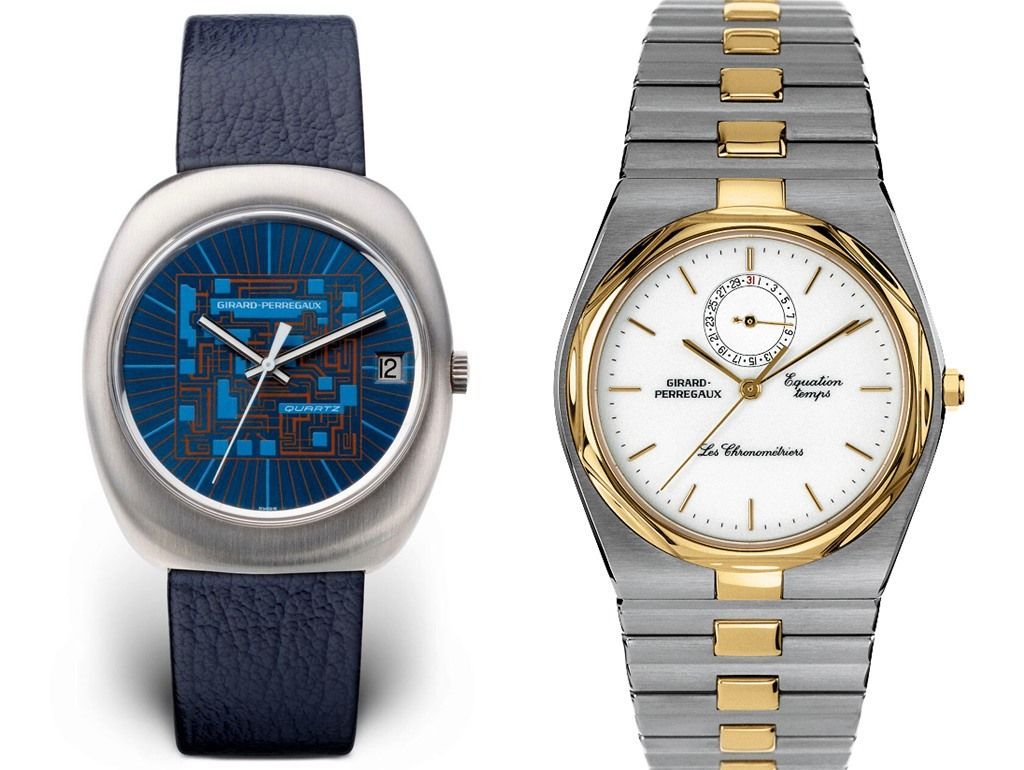
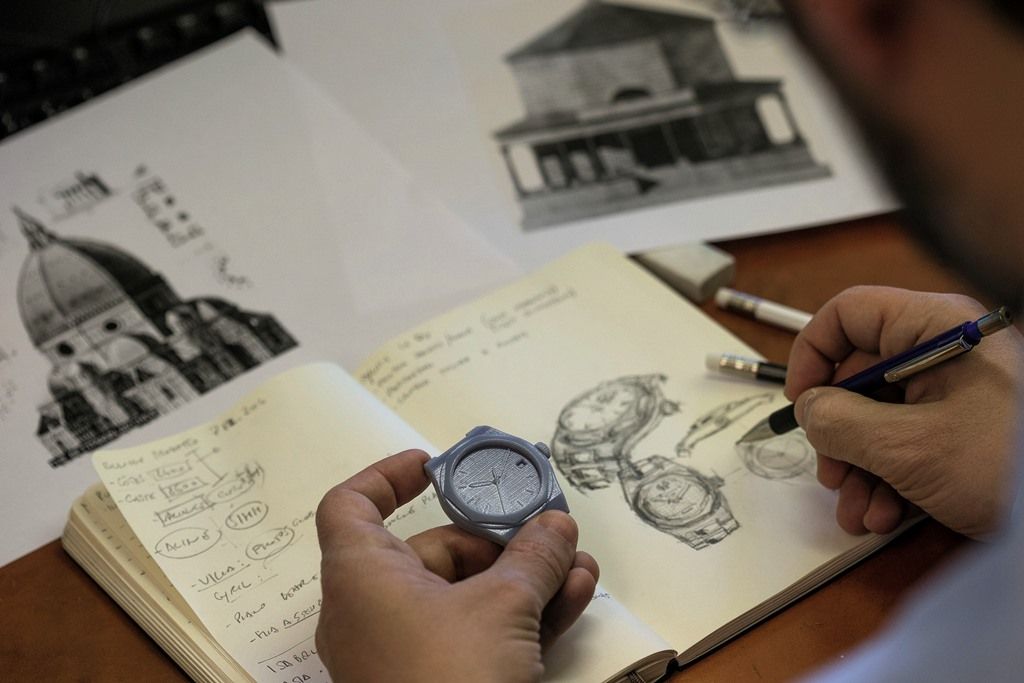
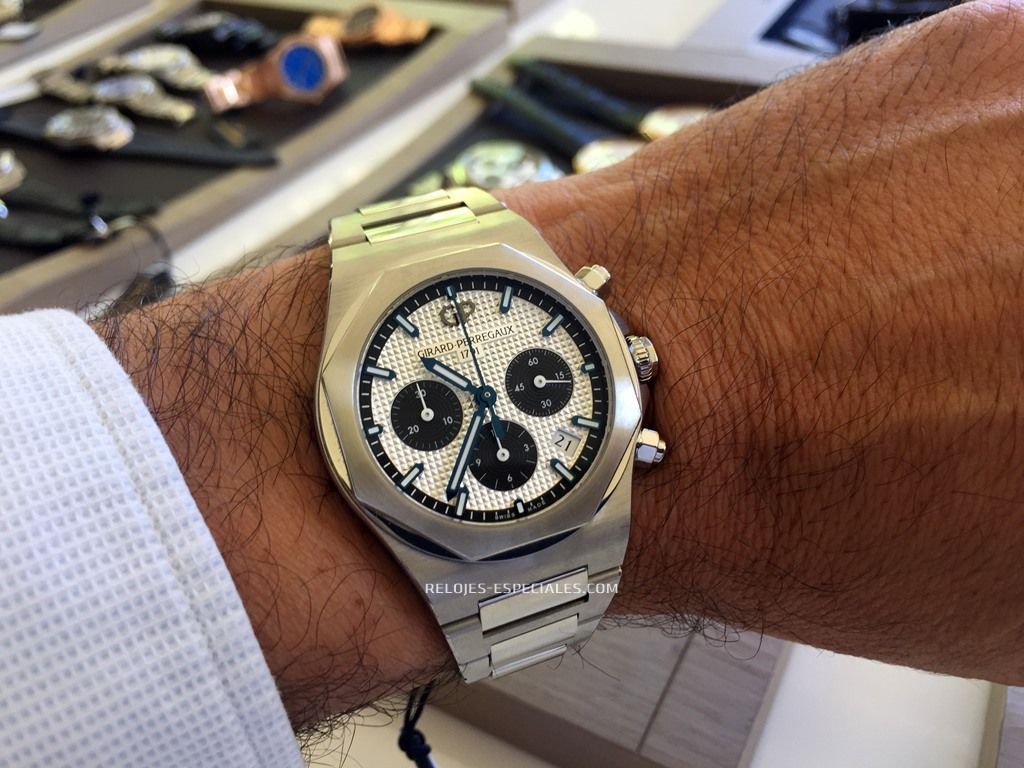
From this time (1975) is the first Laureato, a steel sports watch that equipped precisely a quartz movement in chronometric standards. But the dark years with a Japanese air ended up reaching Switzerland and ended a good part of the industry: in just ten years it went from the 150,000 watchmakers that there were at the end of the 60s to only 30,000. Once again, Girard Perregaux manages to get ahead thanks to the genius of its now distant founder: in 1981 the first of a series of 20 reissues of Constant Girard-Perregaux's masterpiece was presented, totally identical to the original from 1889. This was achieved by taking a 19th century watch, redesigning all its components to be able to produce them on modern machinery and paying attention to the finishing by hand: no less than 1,500 hours were required to produce a single piece. of work.
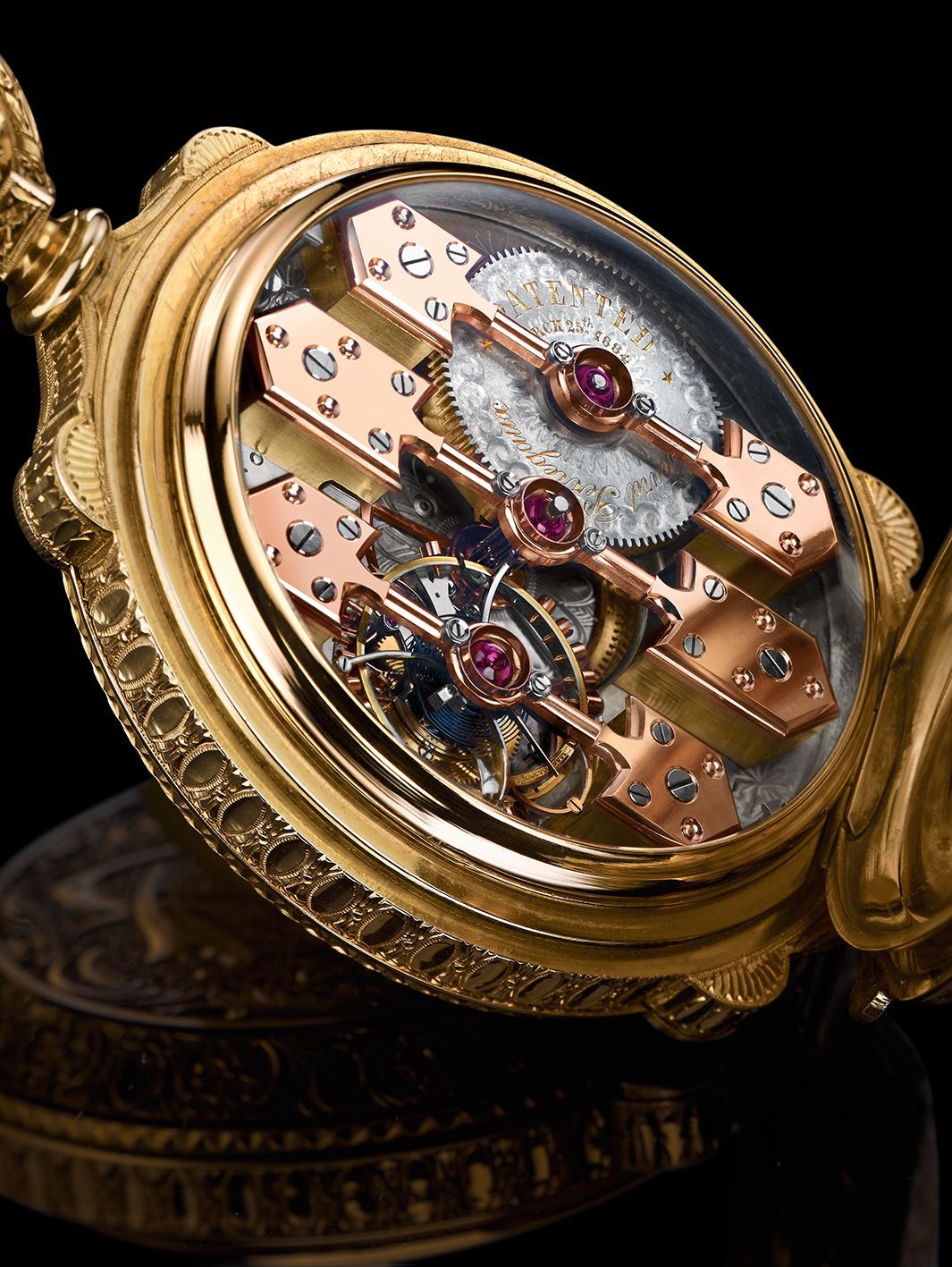
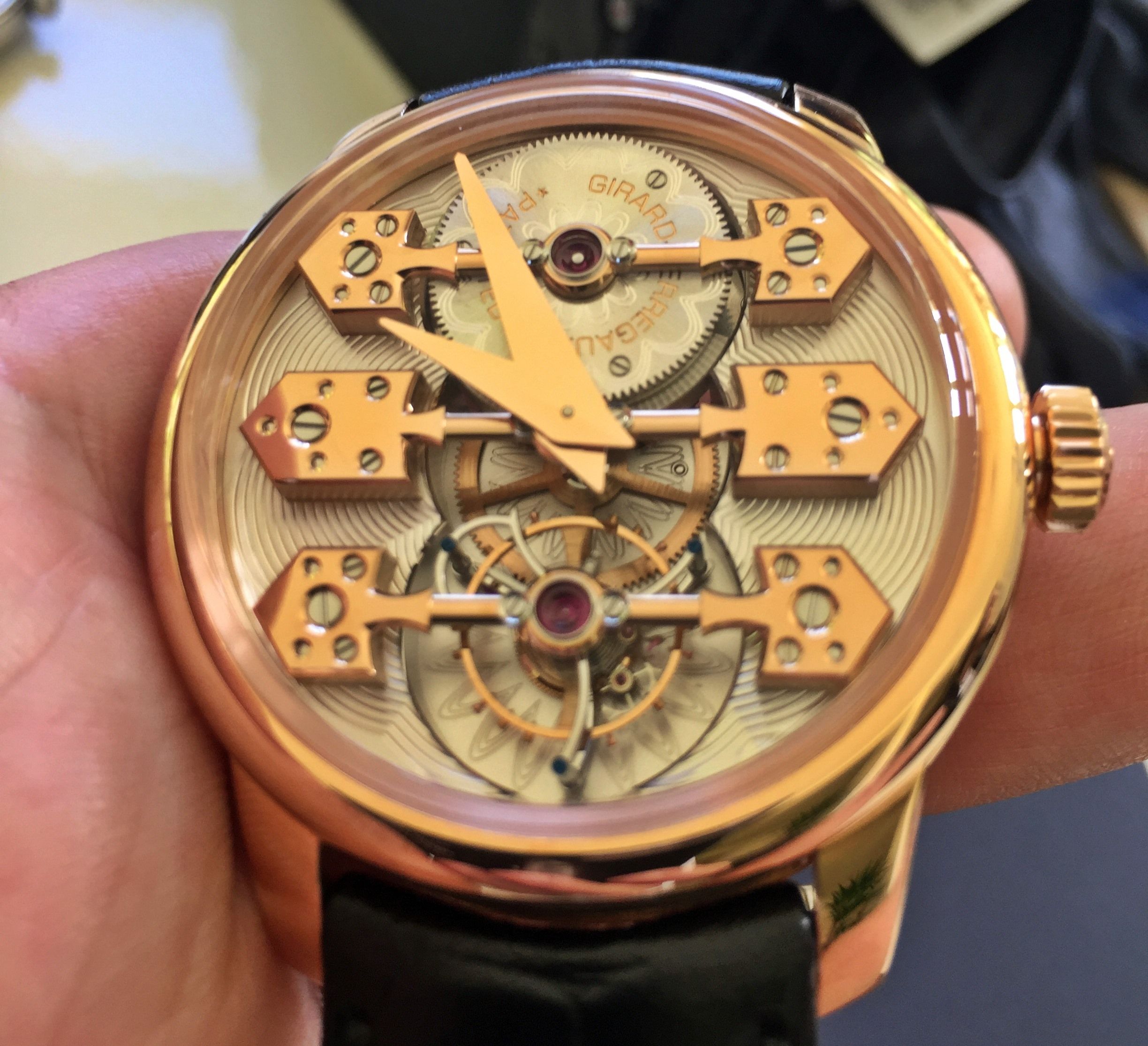
But who needed a pocket watch at the end of the 20th century? With an eye on the bicentennial, the brand intends to reissue the three gold bridges in a wristwatch. Thus, in April 1991, at the annual Basel Fair, the first Tourbillon with Three Golden Bridges was presented. The launch was also a great commercial success, with more than 100 orders placed at the fair.
Under the impetus of Luigi Macaluso, owner of the company since 1992, the mechanical caliber was prioritized over the quartz one and the research department began work on two new automatic movements intended to equip the majority of the Girard-Perregaux collection. Presented in 1994 and respectively called GP 3000 and GP 3100, they were to serve as the basis for a series of advances whose effects can be seen even today. That same year, an association with the automobile manufacturer Ferrari began that would last ten years.

In 1999, the Tourbillon under three gold bridges was equipped with an “invisible” micro rotor that made it automatic while safeguarding its impressive architecture. That same year, the miniaturization process applied to new movements allowed the Manufacture to present a chronometer caliber inside a women's watch. For the first time, these new models were not presented in Basel but in Geneva, at the Salon International de la Haute Horlogerie (SIHH).

By 2006 a full range of quartz movements had been introduced, as well as two automatic movements, one for women and one with a larger diameter. In 2008, Girard-Perregaux introduced the revolutionary Constant Escapement movement, which featured numerous elements made of silicon. In 2013, this earned him the Aiguille d'Or award, the most precious of the Geneva Watchmaking Grand Prix.
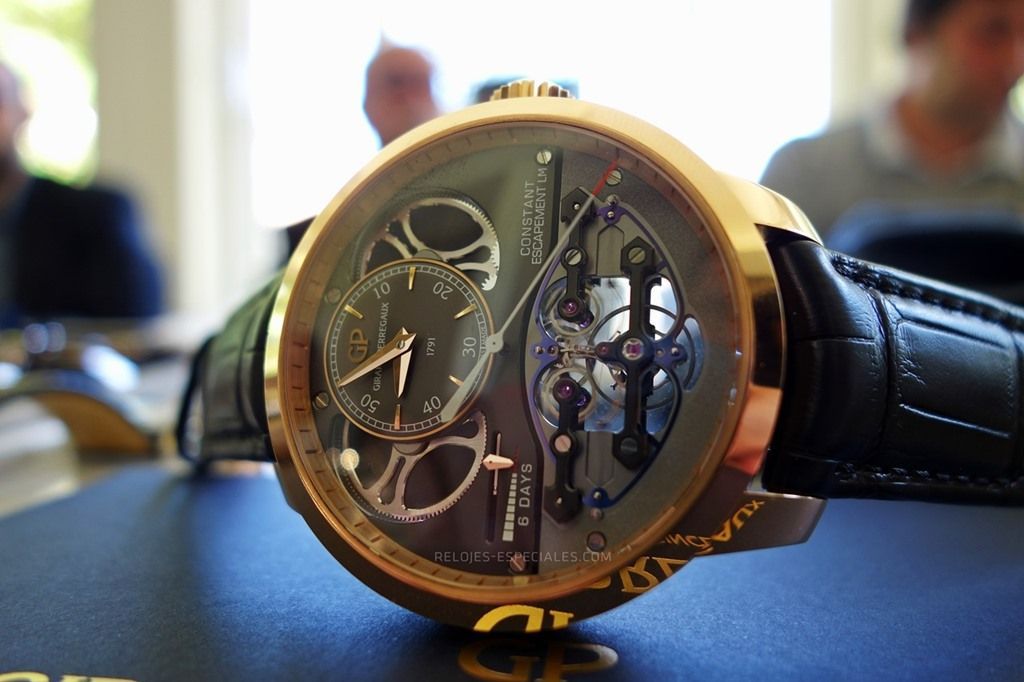
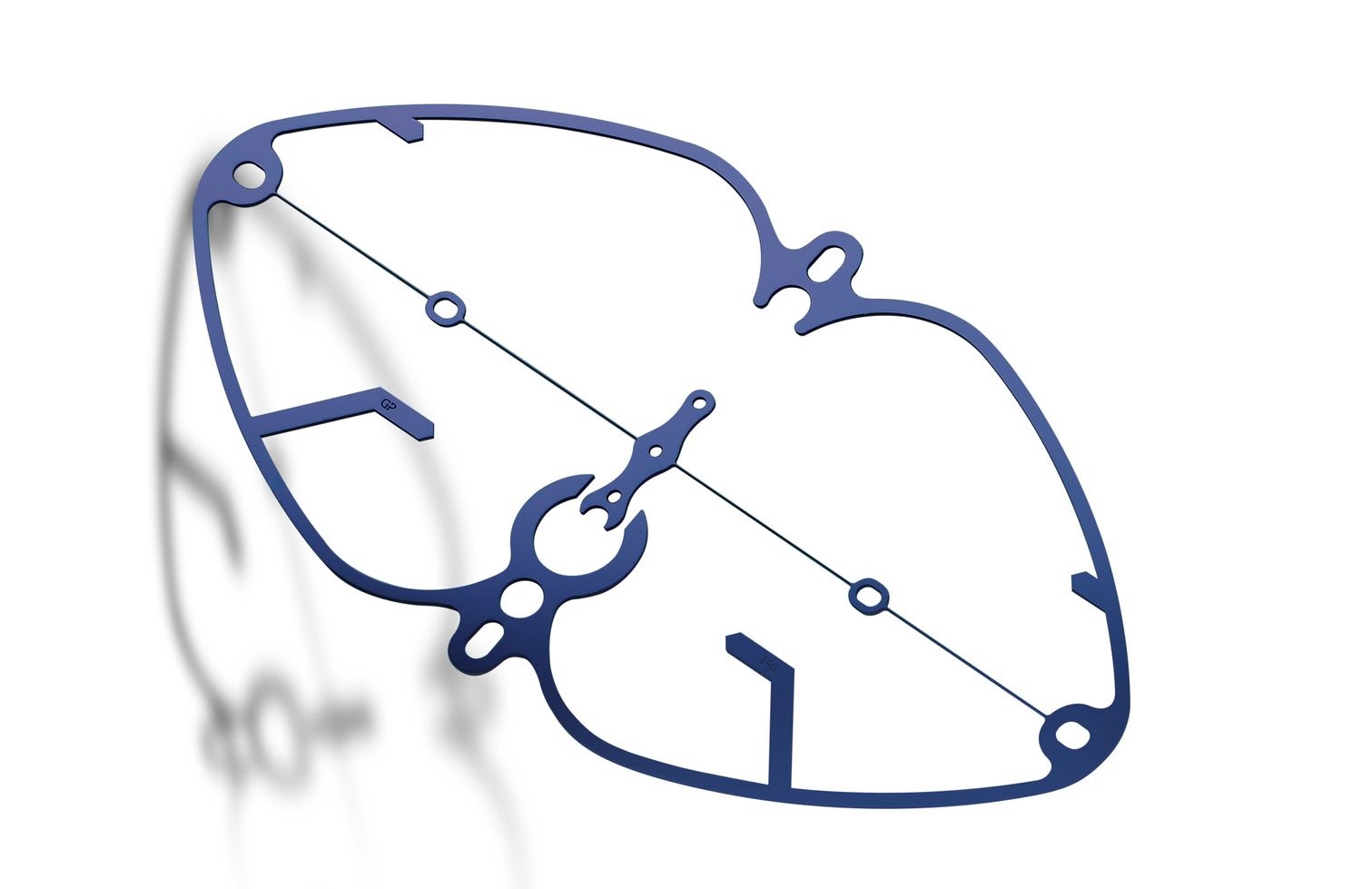
After the unexpected death of Luigi Macaluso in 2010 (he was 62 years old), the SoWind group, parent company of Girard Perregaux, passed – in 2014 – into the orbit of the now luxury group Kering, owner of Ulysse Nardin. Since 2015, Antonio Calce has been in charge of the brand, a professional with a long history in the sector with experience at Panerai and Corum. Today, mid-2018, the brand reaffirms itself in the line started by Macaluso: Fine Watchmaking (about 200 pieces per year) and luxury watchmaking (around 10,000 pieces per year). They are reducing their points of sale (there were about 400, the goal is to reach 260) and they want to take care of the value of their watches: they closely monitor the gray market (parallel market with strong discounts) and in 2015 a buyback was carried out precisely to stop it. Not only that: they are willing to regulate production according to demand (sellout), which for me is still a -pleasant- novelty given the madness in which some watch groups are immersed.
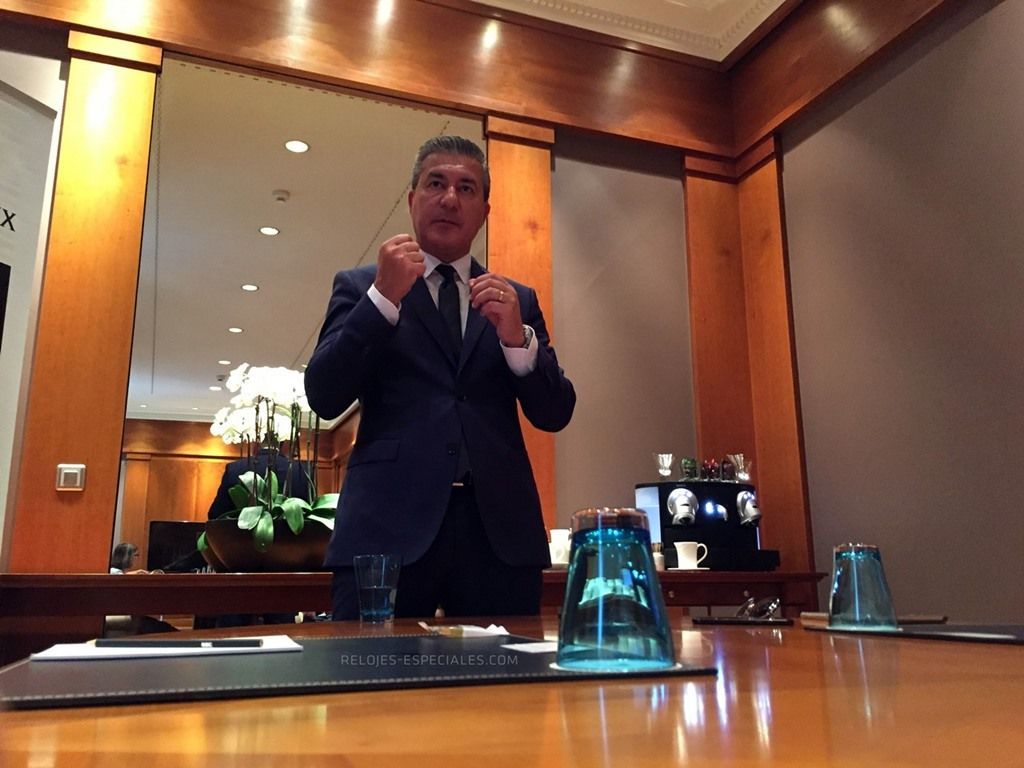
And Jean Richard, the little sister? In the words of Calce, he will continue sleeping until the objective of placing Girard Perregaux where he has proposed is achieved. And, in my opinion, a Laureato Crono with an in-house caliber for 14,000 Swiss francs seems like a good start.
More informationin the forum
Y enwww.girard-perregaux.com










