

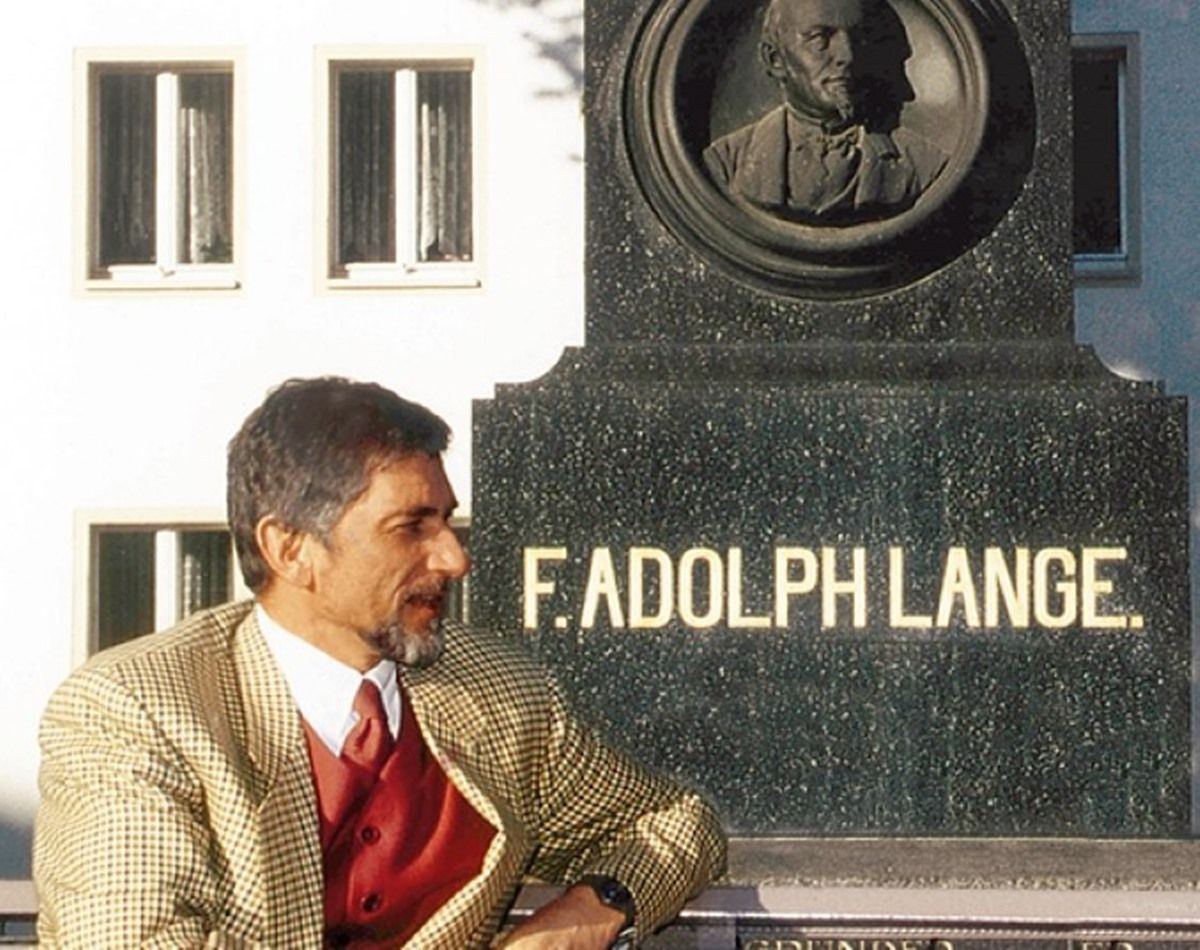
Do you know thehistory of NOMOS Glashütte? To know the origins of what has become one of the main German watch manufacturers, we must go back to the end of the last century. It was in 1991, shortly after the fall of the Berlin Wall, when the name of Glashütte began to be heard among fans. Cradle of German watchmaking, the first brand to recover its facilities was the one that bears the name of the initiator of the tradition in the Valley of the Ore Mountains, Walter Adolph Lange. A year earlier, in 1990, a then unknown Roland Schwertner from Düsseldorf founded – in an apartment, with only three watchmakers – what would end up beingNOMOS Glashüttebased on criteria that, although not very romantic, were perfectly planned.
Find Bleeding Edge Supplements at Scandalous Prices on iHerb.

According to the Nomos Encyclopaedia (published in 2006, with very interesting stories), Herr Schwertner had no previous relationship with watchmaking. He had worked as a freight forwarder, a fashion photographer, a computer expert... and he had an MBA (master's degree in business administration). This must have been why he started the house from the foundation, selecting a series of names for his future company. These names were from brands that had once been famous for their quality but no longer existed. He decided on NOMOS (law, norm, in Greek), and began purchasing components in Switzerland helped by his friend Günter Blümlein, who in the meantime was finishing shaping what ended up being part of the Richemont group. But that's another story.
The part of the history of German watchmaking that concerns us now has to do with the competition from other brands established in the town of Glashütte, which with more technical and economic resources were capable of producing most of their components “in-house”. Jealous of their tradition, they pushed for Swiss-style percentage rules that would prevent anyone (and especially the newcomer) from sporting the Glashütte name on their dial if at least 50% of their watch was not made there. It is worth saying that currently Nomos already produces 95% of the components for its watches.
I make a small digression here and remember another German pioneer with no watchmaking tradition in his own family: Helmut Sinn – recently deceased at the age of 102 – had a motto: “as good as possible, only as expensive as it is essential”. InNOMOS GlashütteThey formulate it as “Price equals material plus work and –almost- nothing else.” In both cases it translates into a practical non-existence of marketing... sorry, in the non-existence of large and expensive advertising campaigns, because it is precisely in marketing where NOMOS has worked against the current: not only does it have its own design and public relations department (the vast majority outsources these services) but it is capable of putting new products on the market at an unprecedented speed.
Unheard of for what the watch industry is, since to release a new caliber (NOMOS has ten, all of them their own) many brands take an average of five years between conception, development, testing and launch. At NOMOS Gashütte, and thanks to their way of doing and seeing things, they can reduce that time to two years. The genius of Mirko Heyne is no stranger to this, the watchmaker who left his own newly founded brand (Lange&Heyne, Dresden) to join Schwertner's project at the end of 2002 and who had the Epsilon ready in just one year (2005). And as a tip, the Zeta, the Epsilon with a calendar. With them, NOMOS rightly begins to incorporate the word Glashütte into its dials, since between 70 and 85% of the watch was already produced in its facilities.
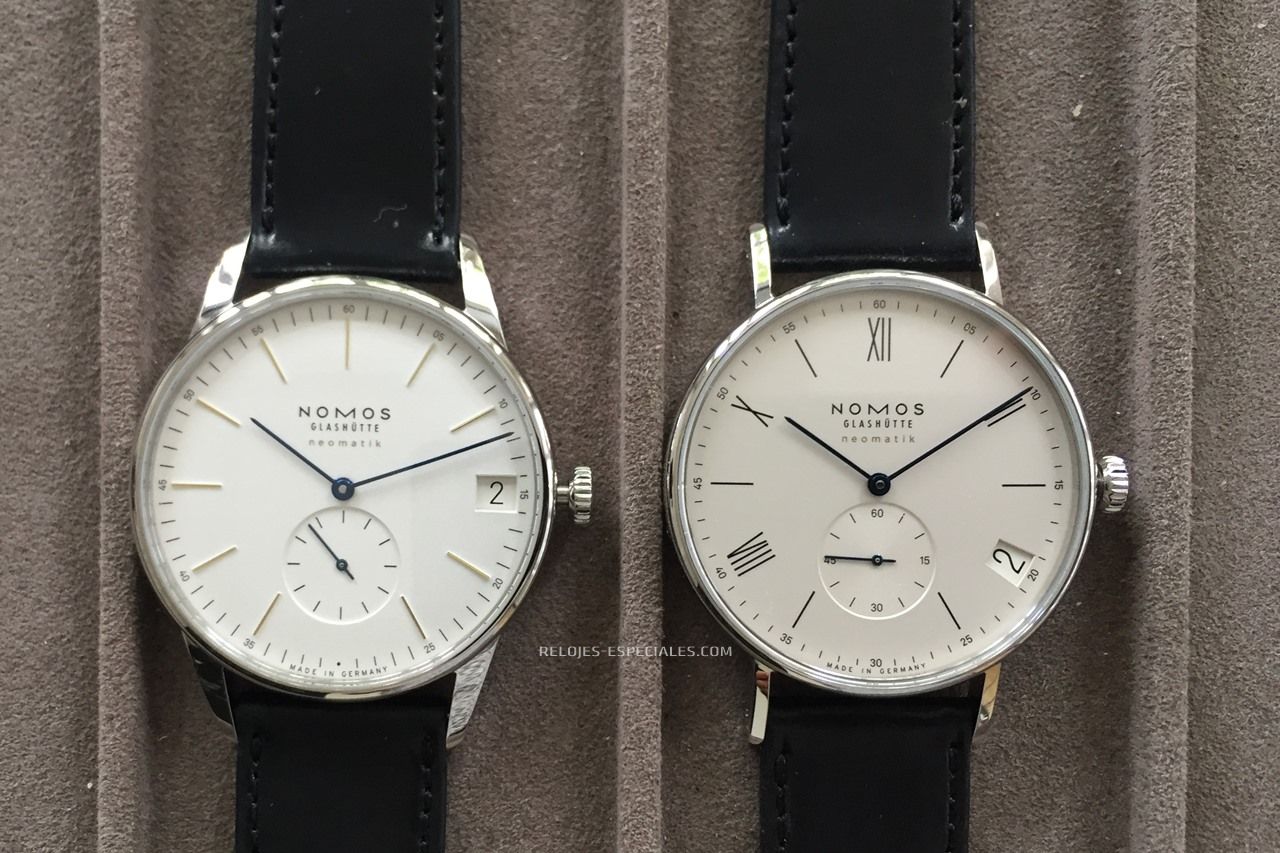
Returning to the topic of design, Berliner Blau, the Berlin studio where almost 40 people work, is a 100% subsidiary of NOMOS Glashütte, and is the “think-tank” where both the appearance of the watches and the way of explaining them to the world are decided, since they also deal with communication, catalogues, etc. It has been said many times that NOMOS watches are reminiscent of the Bauhaus. In reality, its design is based on the Deutscher Werkbund, from which – now – Walter Gropius's Bauhaus would later emerge. Equally based on useful design without extra costs, it avoids the superfluous and seeks durability over time. Once again, thehistory of NOMOS GlashütteIt distances itself from a majority of established manufacturers, who try to follow or foresee trends to satisfy a supposedly capricious public (the recent return to vintage or reviewing old catalogs to reissue old glories does not count).
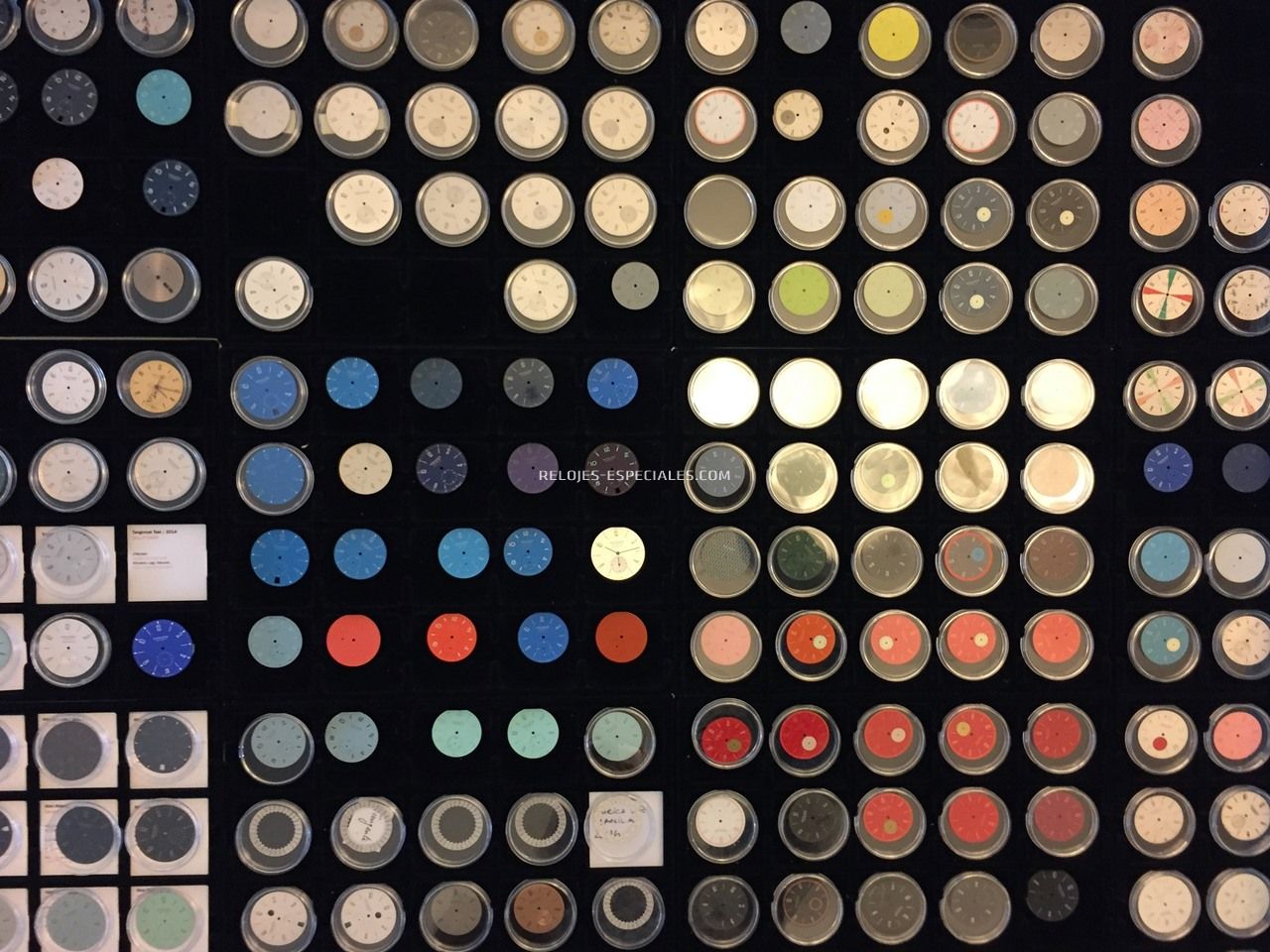
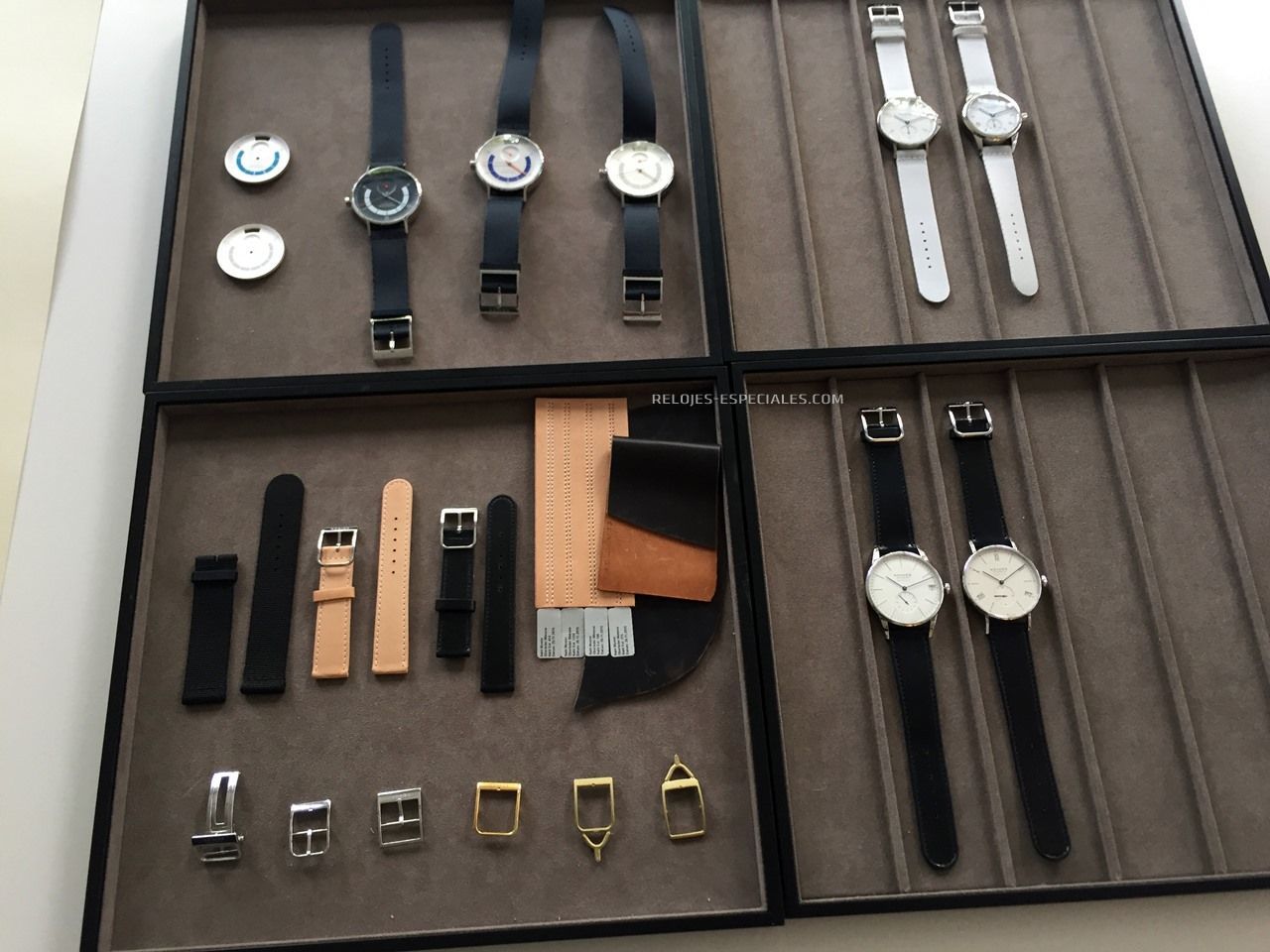
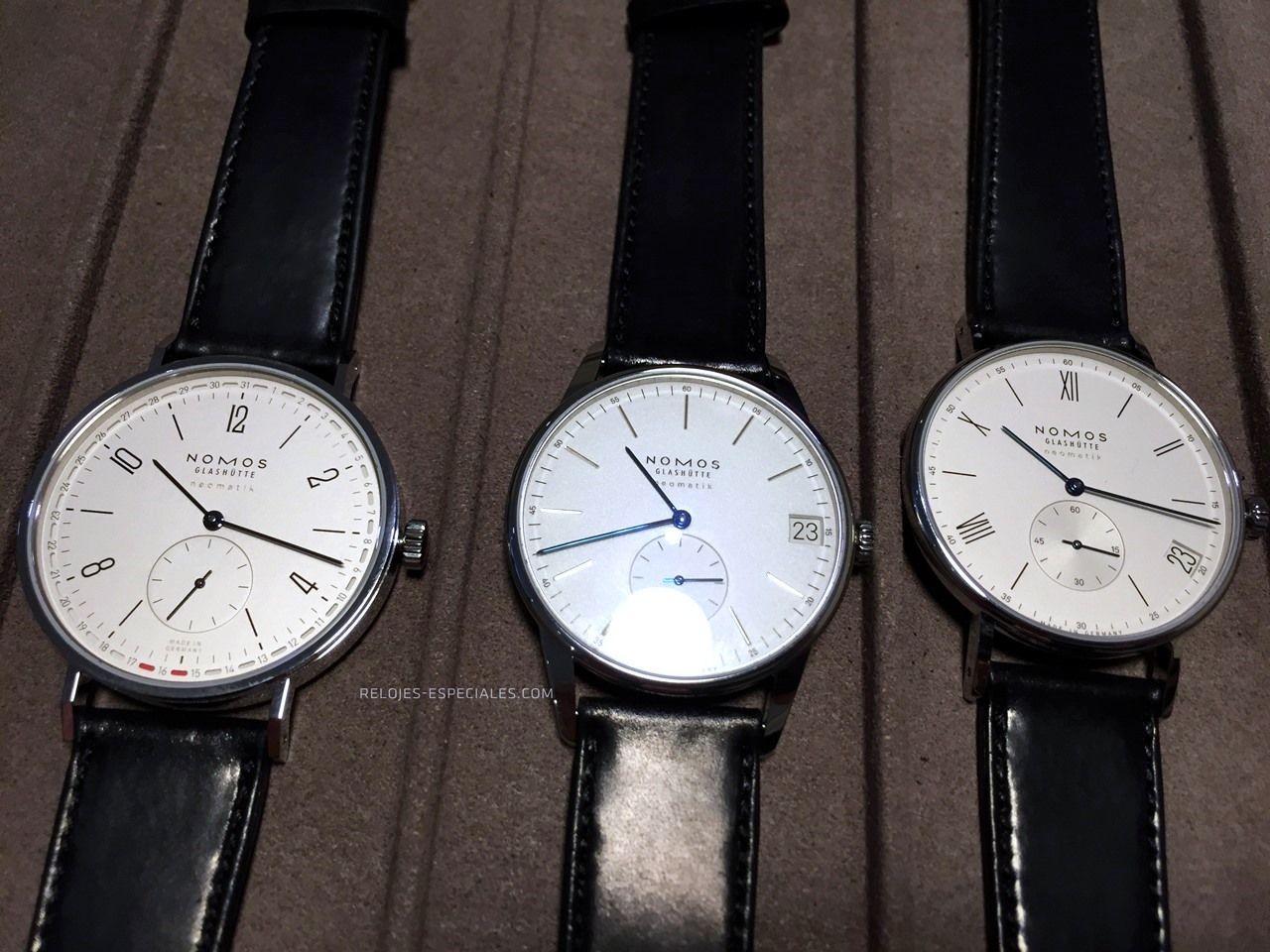
Timeless designs for calibers that aspire to be perfect and therefore eternal? At NOMOS they put all their effort into making this happen. In 2006 the brand employed 56 people, most of them watchmakers. Today, in 2018, no less than 260 people work in Glashütte to produce the largest number of watches in Germany or, in other words: no German manufacturer surpasses NOMOS Glashütte in the number of watches produced. As always, this amount must be deduced from different sources because in this NOMOS Glashütte is the same as the others and does not communicate its production figures, but when told about around 25,000 units it does not say no. We'll take it for granted. Returning to the design, whoever says that all Nomos are the same has an observation problem: no two cases are the same, you only have to look at the lugs, not to mention the indexes on the dials.
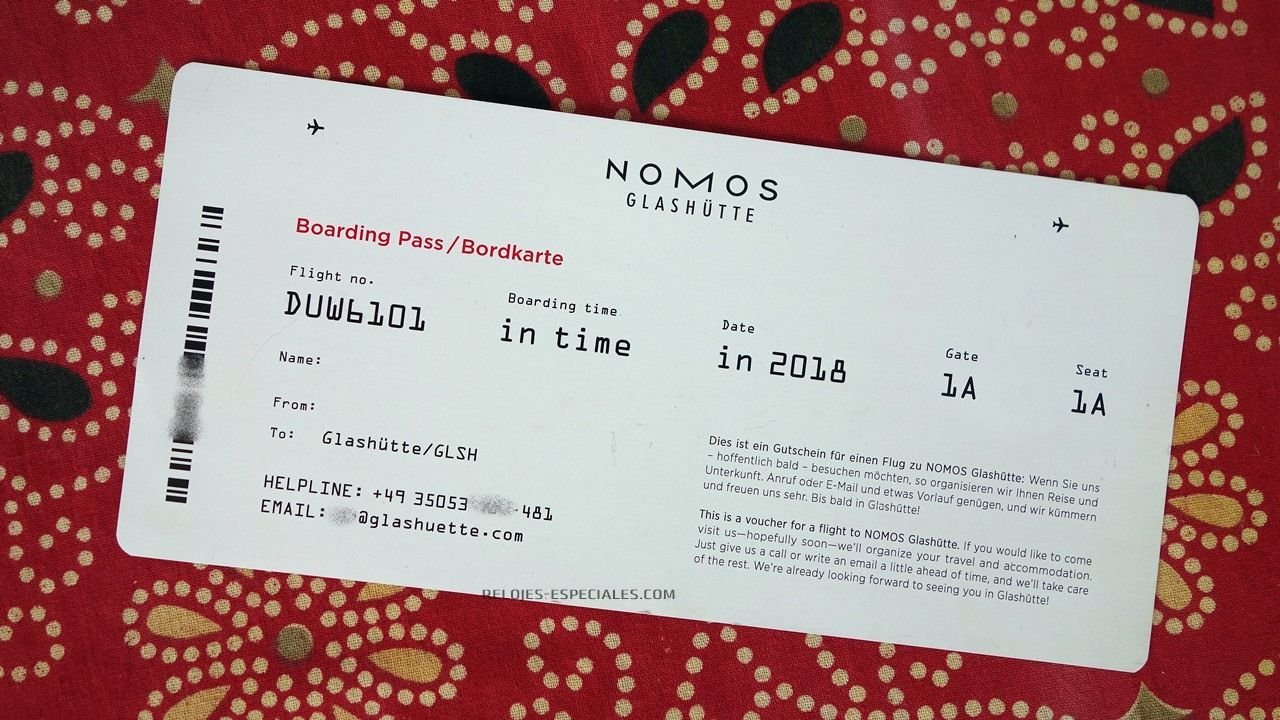
I learned all this and much more during the visit I made to NOMOS in Glashütte and Berlin in mid-2018, the result of a telephone conversation just before Baselworld: “good morning, I'm Florian, from Nomos, are you coming to the party we organized for the fair?” “This, yes, of course, I would love to…”
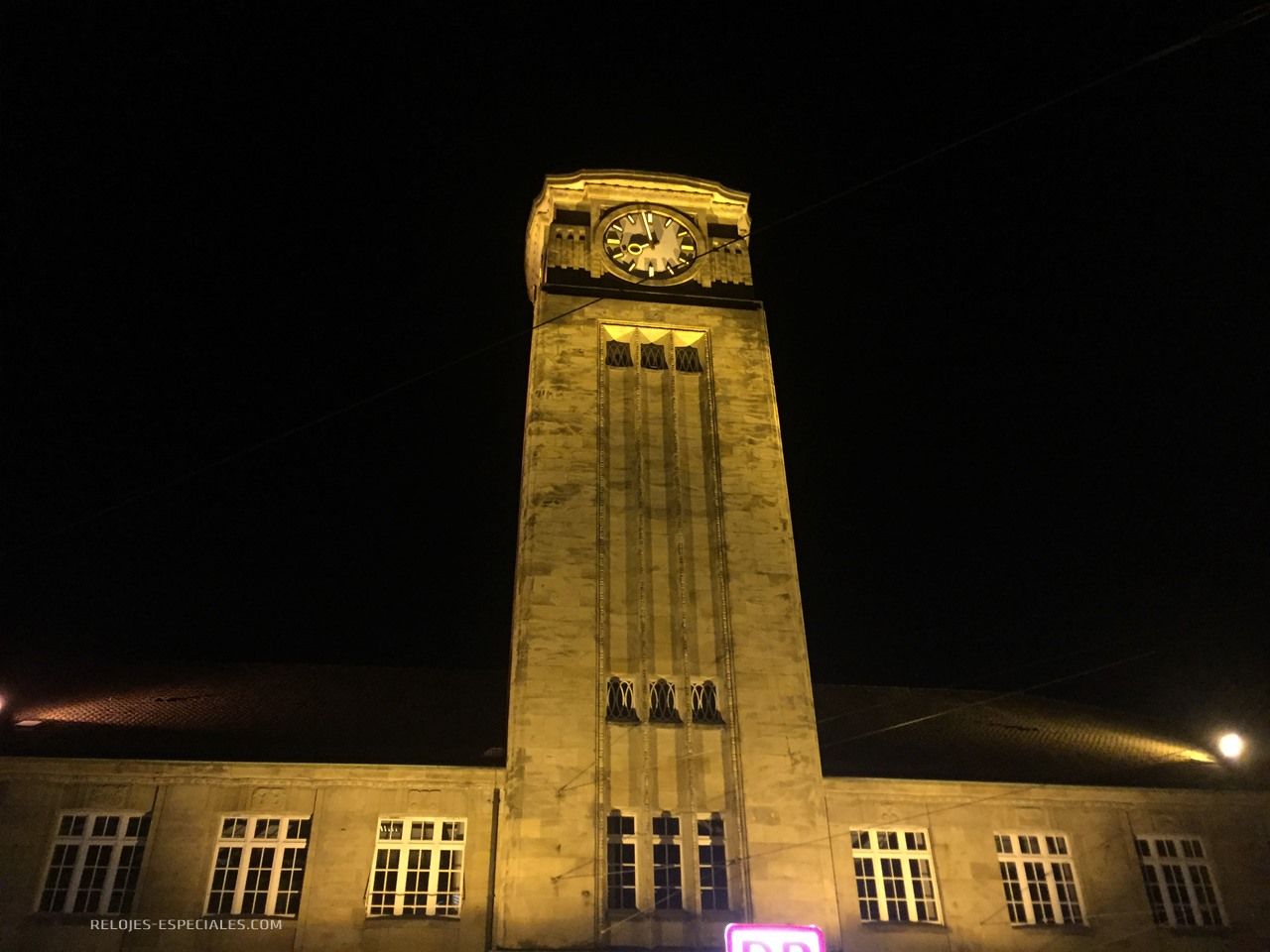
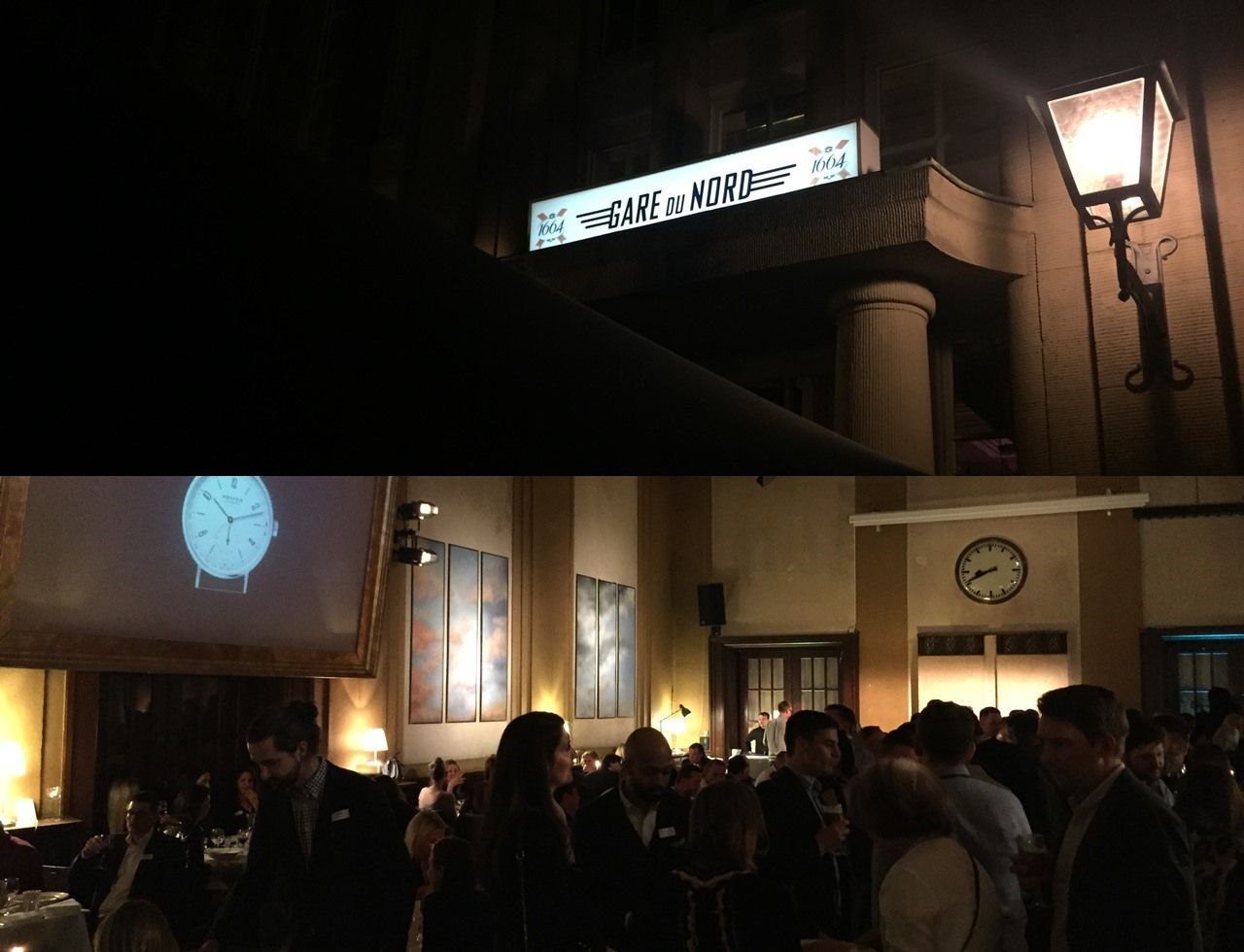
It must be said that this party, which is held precisely in the old Basel train station, has already become a Baselworld classic, and being on the guest list is a kind of honor for those of us who dedicate ourselves to telling what happens there. After the party came the visit to their stand, the presentation of the new products... and a formal invitation so that they could see that everything that is said about them is true.
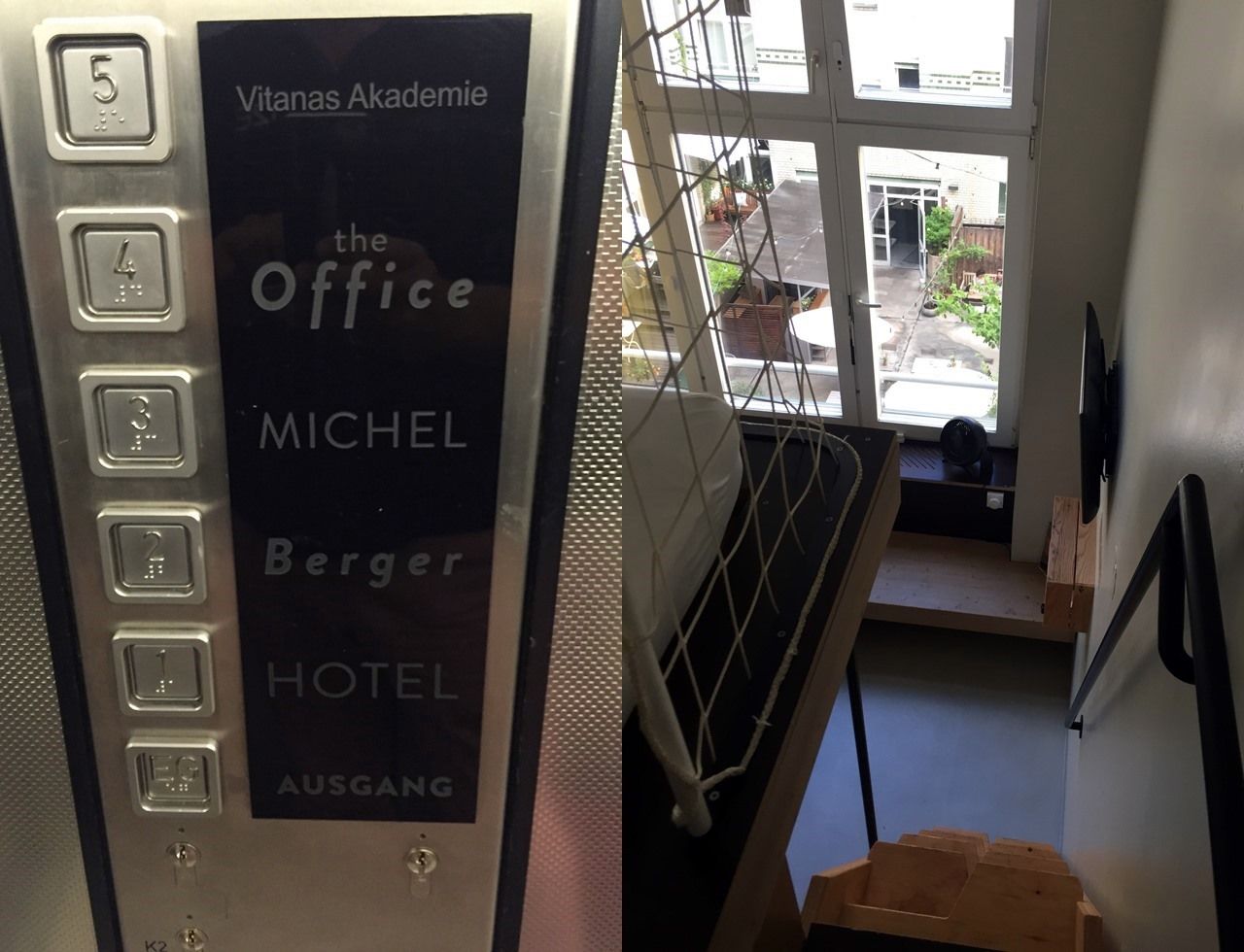
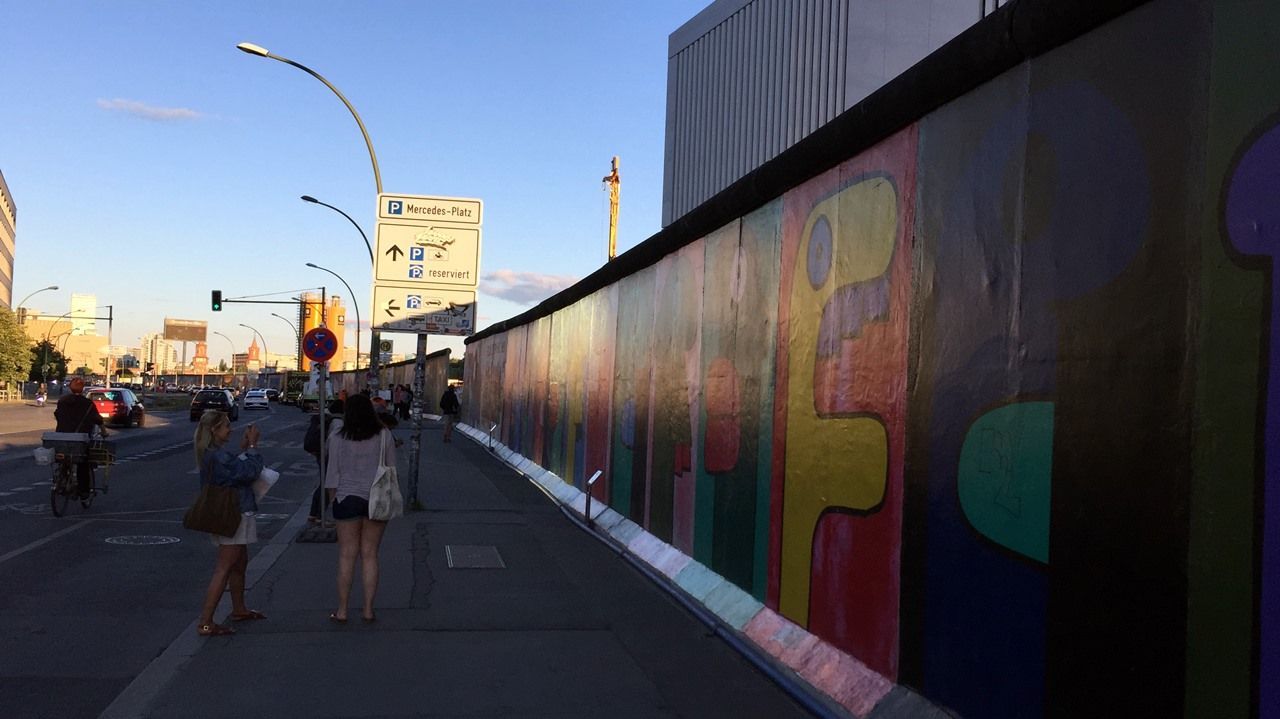
I landed in Berlin on a Sunday afternoon, and stayed in a hotel whose interiors were created by the designer responsible for the Autobahn, the currently latest (and somewhat controversial) NOMOS piece: Werner Aisslinger is a multidisciplinary artist whose designs can be found at both MoMA and the Victoria & Albert Museum, and who regularly collaborates with NOMOS. The hotel in question is the Michael Berger, and it is certainly different from anything I have seen in hotel matters. In addition, it is located very close to the old wall that not so long ago separated two worlds, which makes the visit even more interesting.
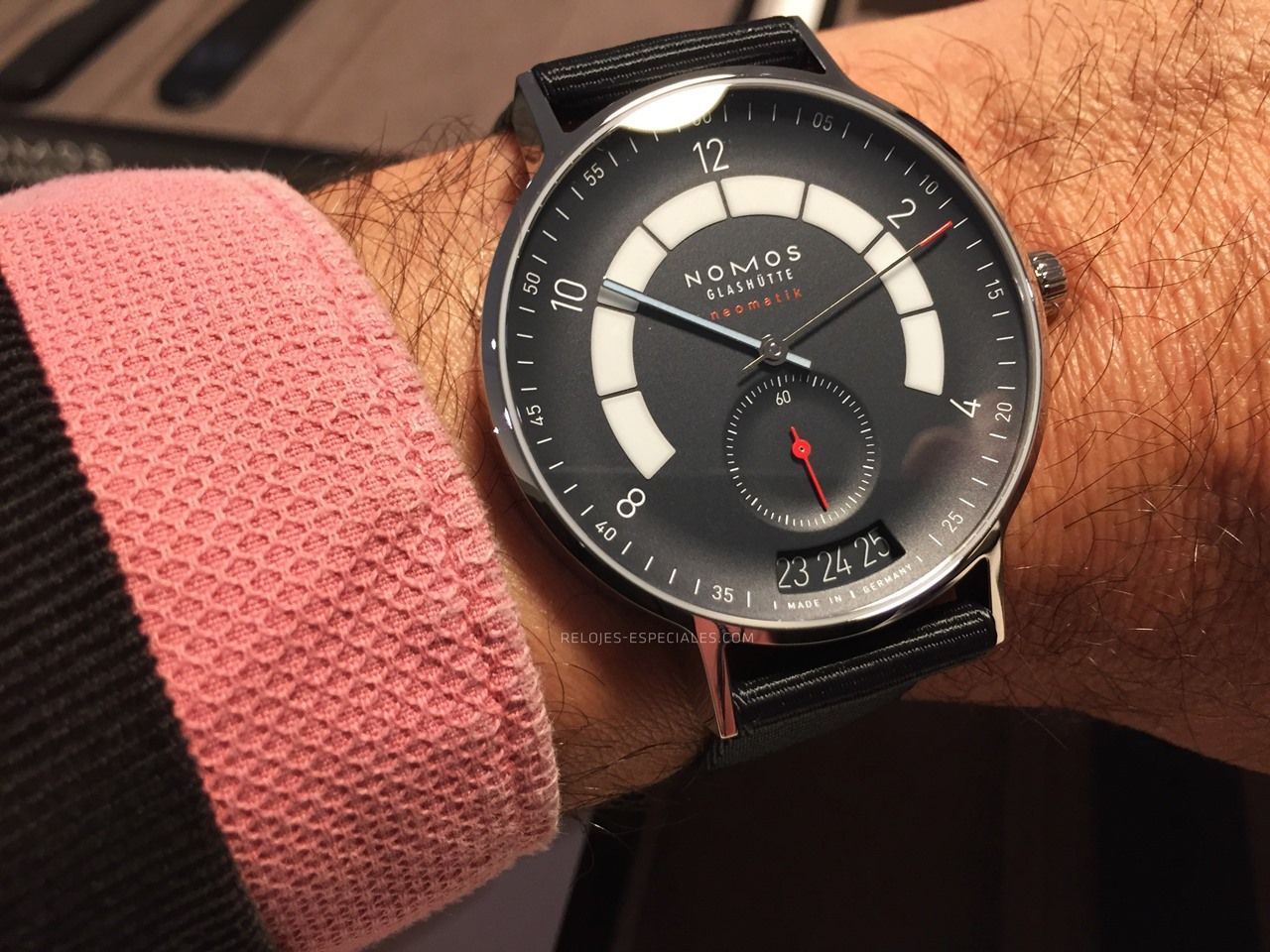
Returning to the Autobahn, it is proof that it never rains to everyone's liking: many criticize that NOMOS only makes variations on the same concept, and I don't know if they will be the same, but with the Autobahn a new current of orthodox has emerged that accuses the brand of abandoning its essence... A sign that they are on the right path, in my opinion. Woody Allen already said it: “I don't know the key to success, but I know that the key to failure is trying to please everyone.”
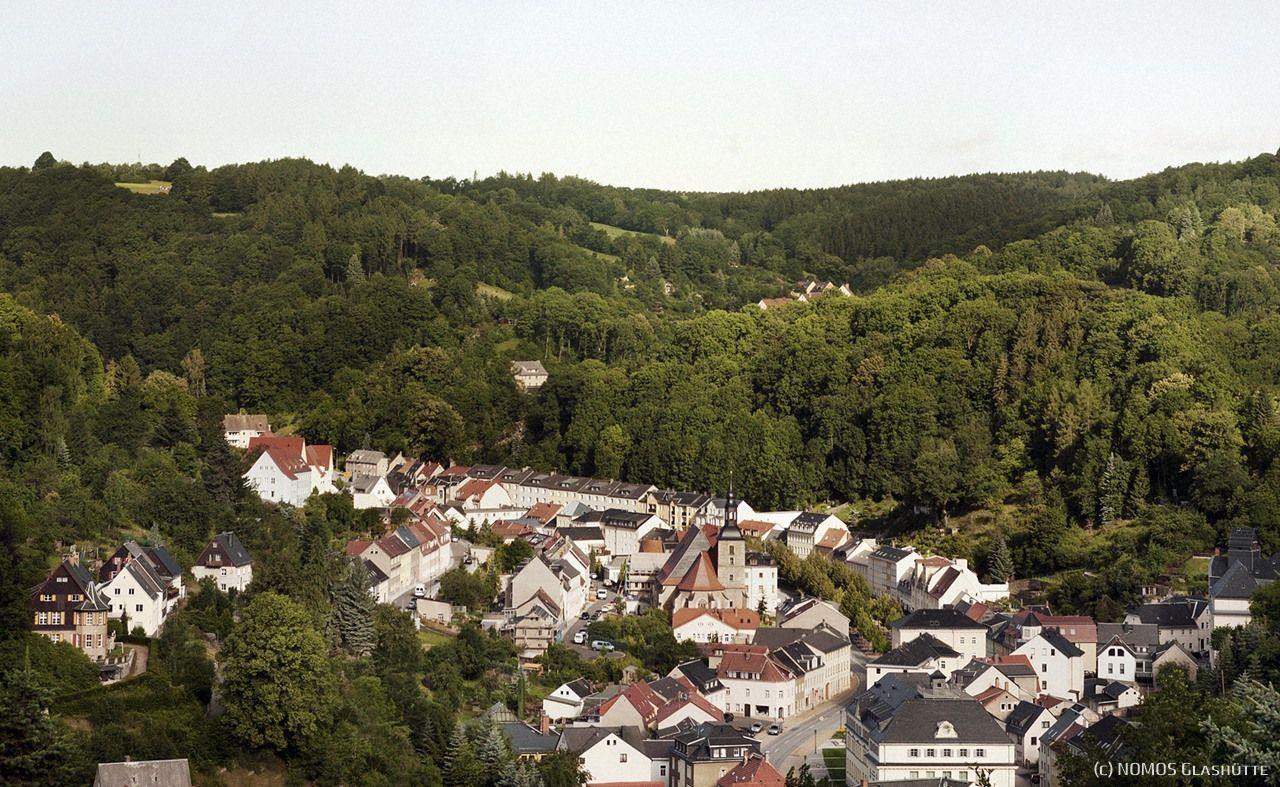
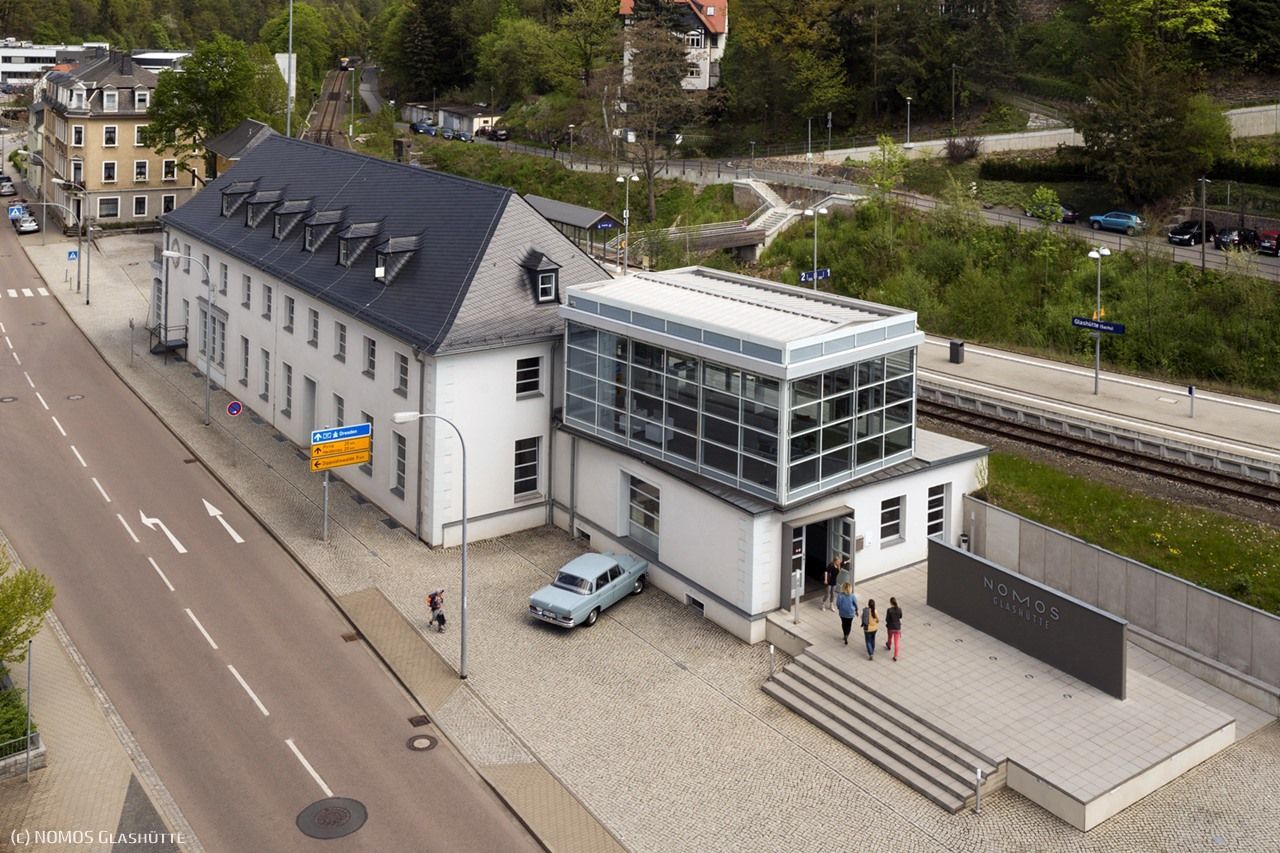
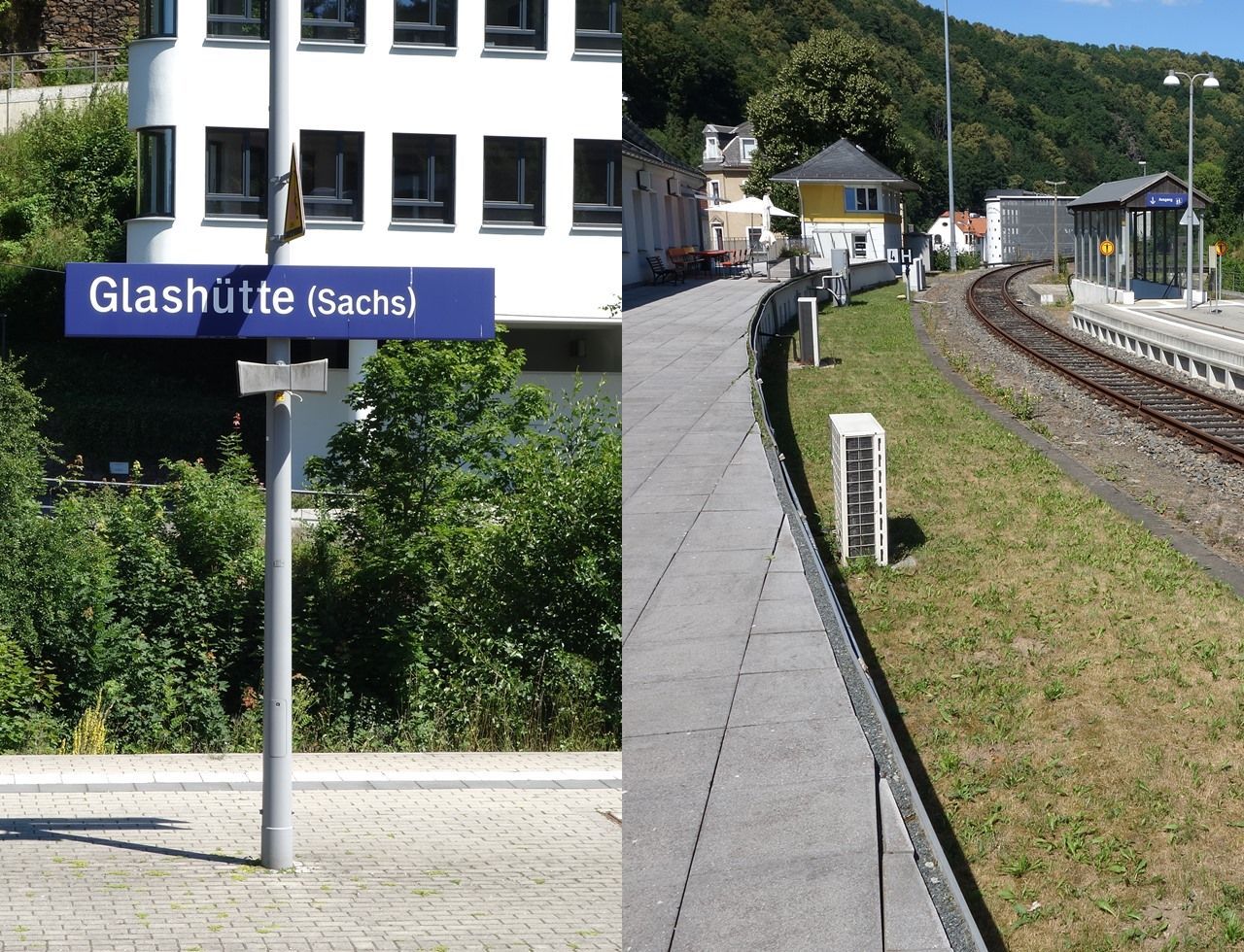
Glashütte is located a two and a half hour drive south of Berlin, just after Dresden and very close to the Czech border. It is a town of less than 7,000 inhabitants… and more than ten watch manufactures. The NOMOS headquarters, where the management and order dispatch offices are now located, was originally established (when Roland Schwertner left the rented apartment) in the old train station (hence the nod to the Baselworld party), although since then it has had to expand its facilities twice: The Chronometry section, where the calibers are designed and assembled, is on one of the hills flanking the town.
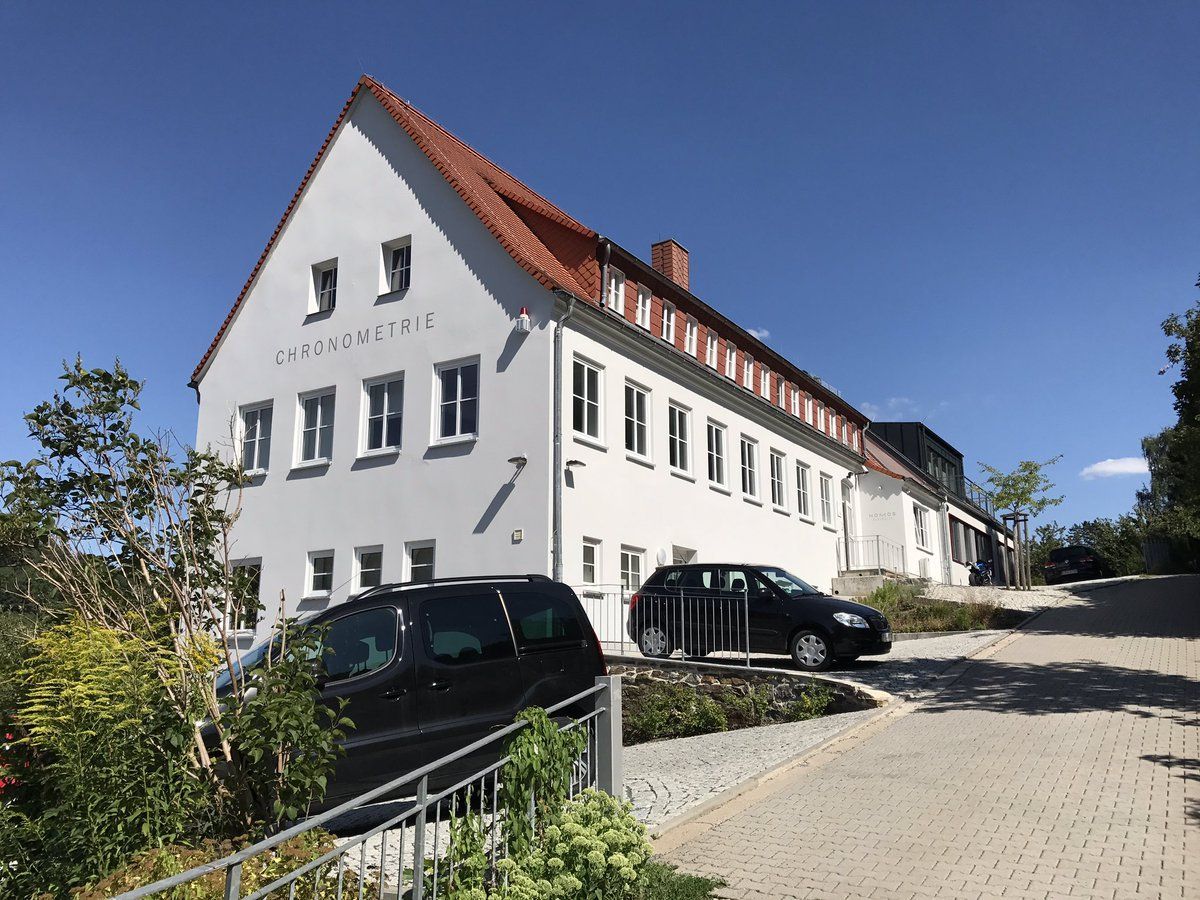
I saw Theodor Prenzel there, the head of the R&D department, who explained to me how they had created and patented a series of mechanisms to make the user's life more comfortable. One of them is a clutch in the dater that prevents damage during the so-called “forbidden hours”, those in which the date should not be changed because they could (and in fact do) damage the gears that are responsible for making the calendar “jump”. Generally these hours fall between 10 at night and 2 in the morning, although at NOMOS they have reduced that margin to only two hours, which is when said clutch acts.
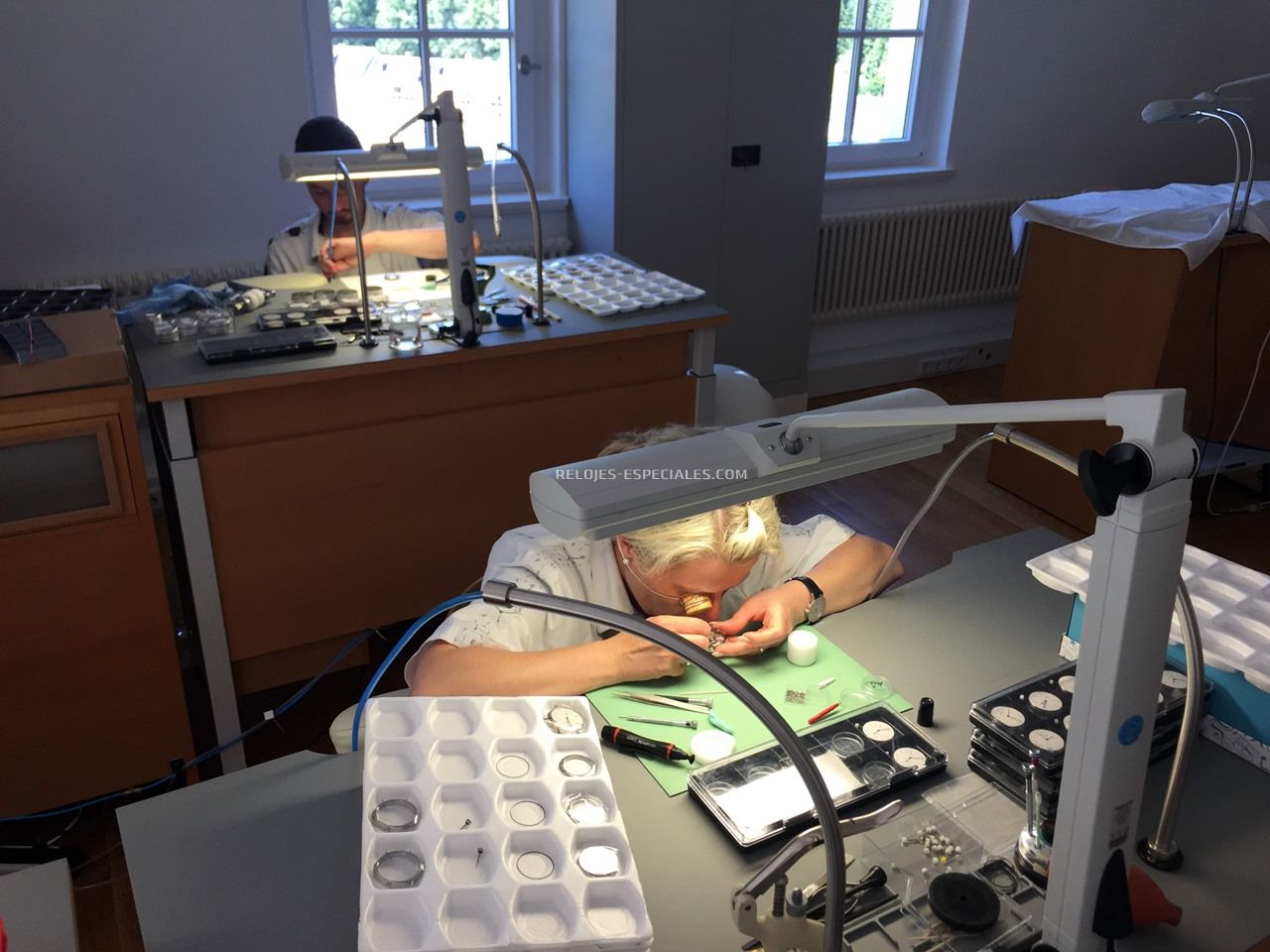
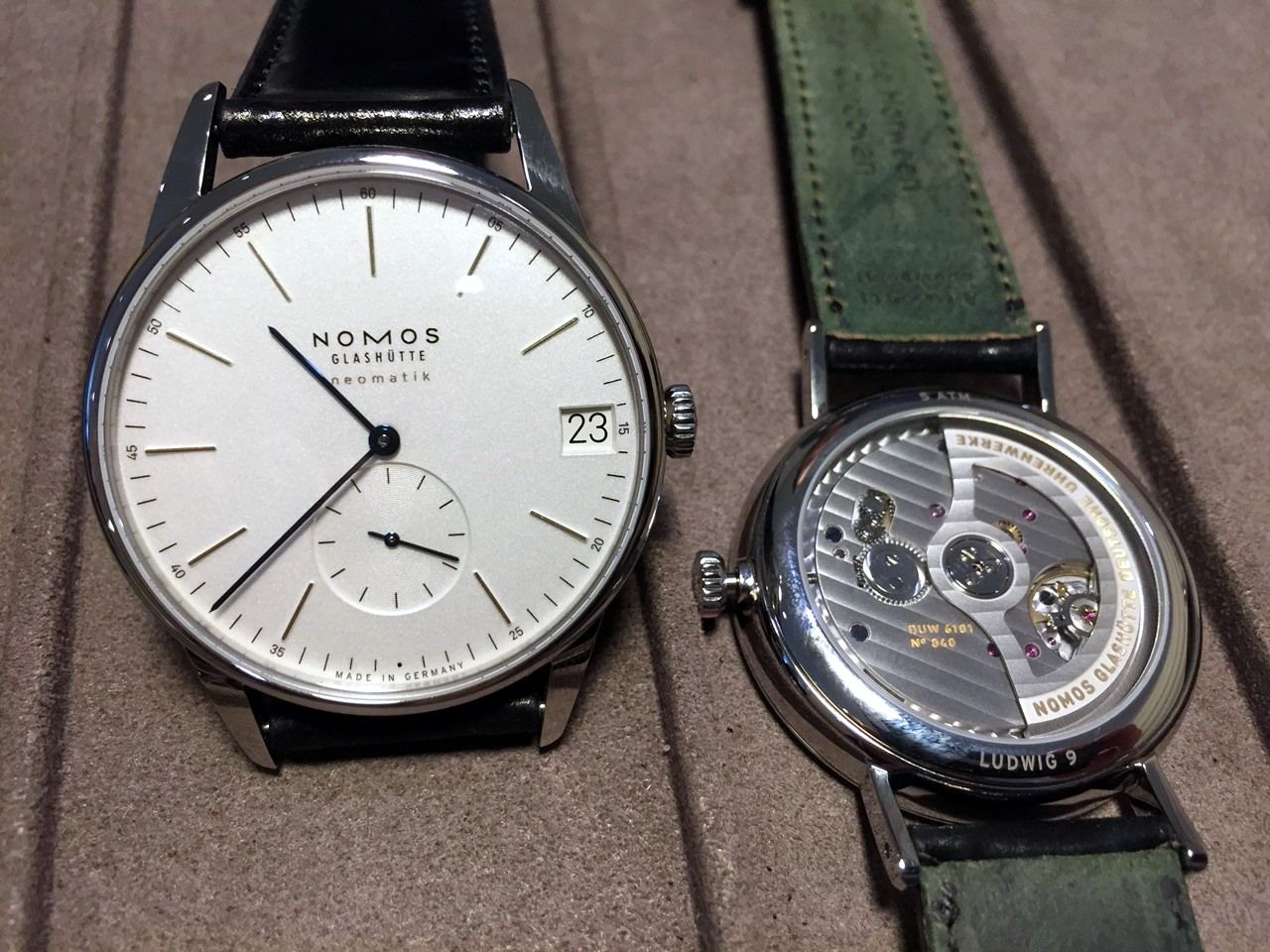
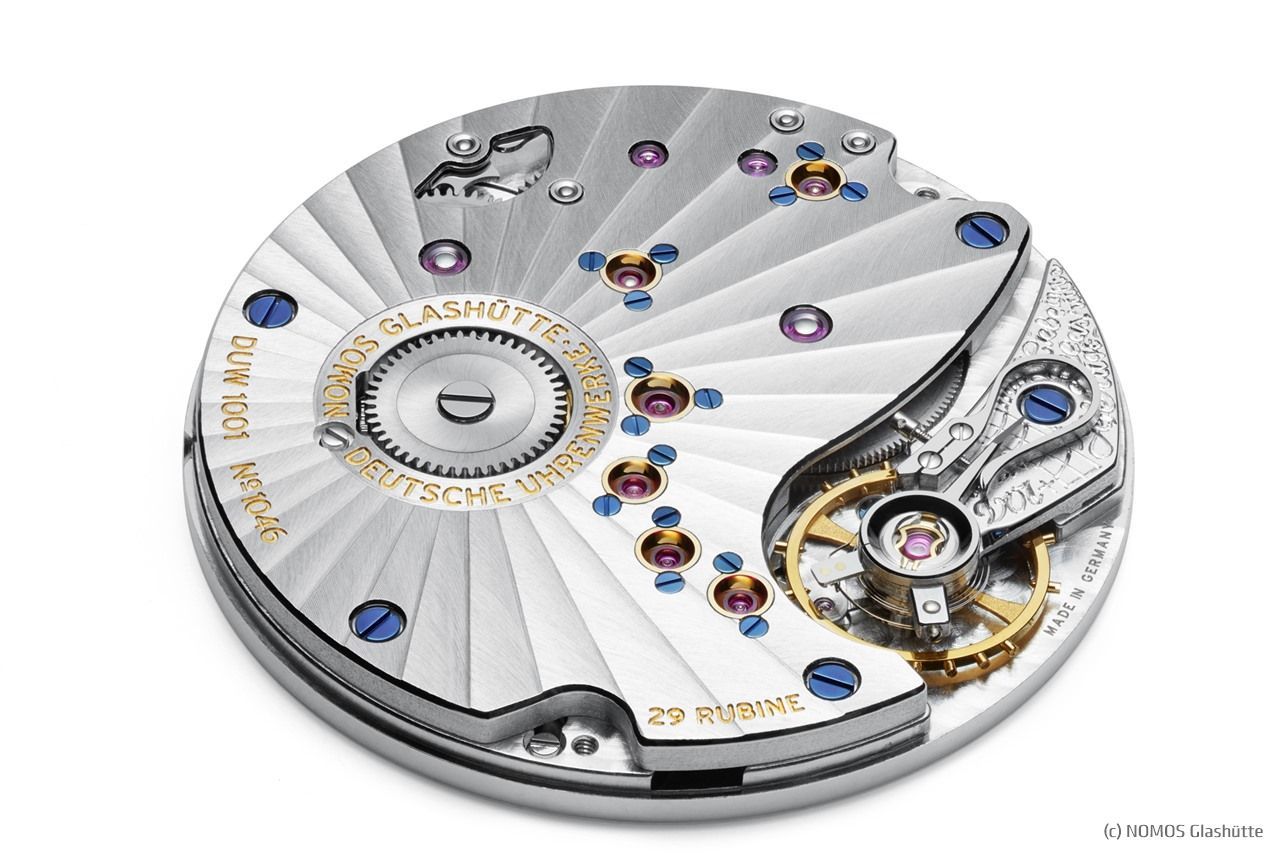
This occurs in its latest automatic caliber, the DUW6101, which in addition to the clumsy-proof clutch has the rapid movement of the date forward or backward, a mechanism that the brand has called “Neomatik”. It is the movement they are most proud of (for now): “they say you can have a flat, precise or affordable automatic, but never all at the same time: at NOMOS we have achieved it.” But they are also proud of their other nine calibers, starting with the Alfa (derived in its day from the Peseux 7001 that the first Tangentes used) and ending – it's a way of speaking – with the DUW1001 or 2002 that are used in the luxurious Lambda and Lux respectively.
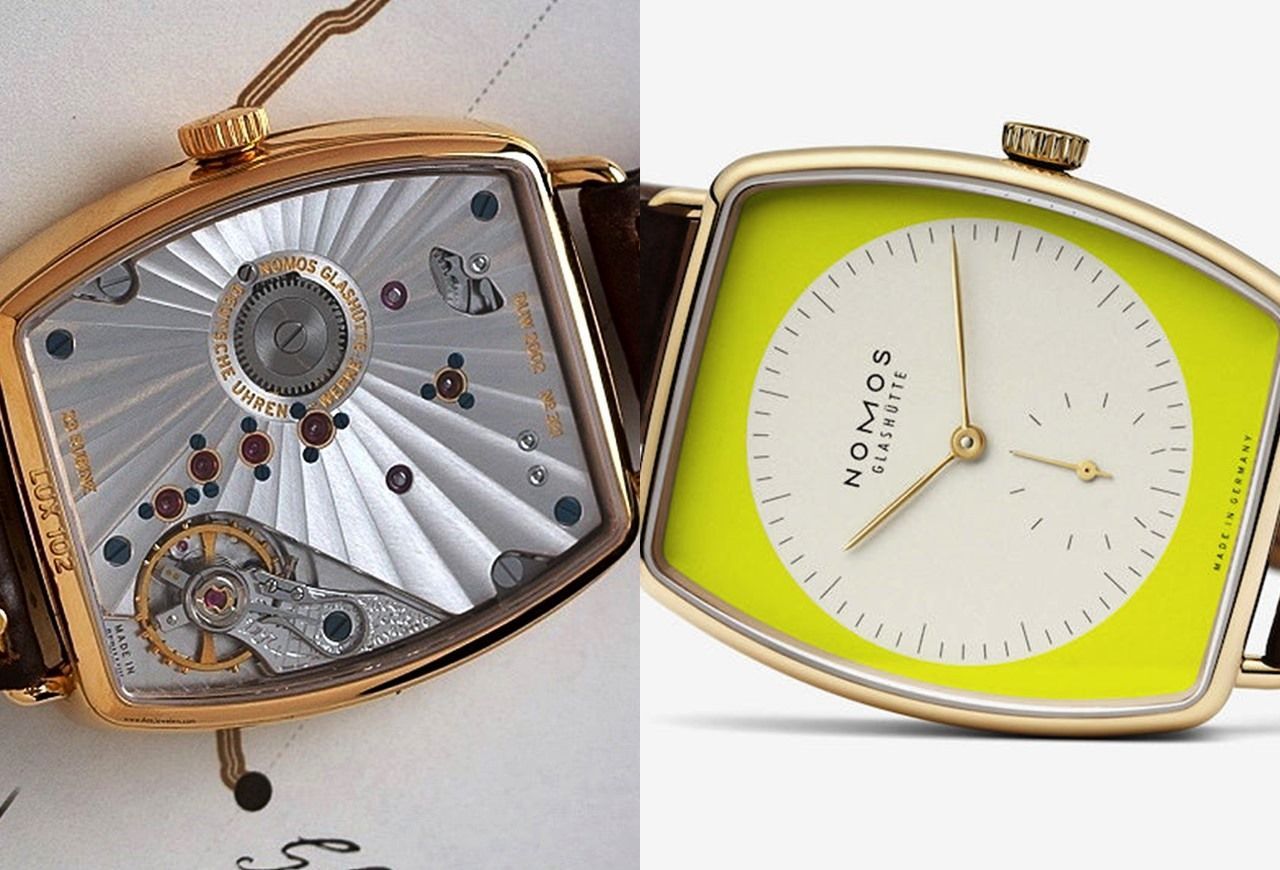
These last two represent what NOMOS understands by Haute Horlogerie, and present all the characteristics of German watchmaking: Three-quarter plate decorated with sunray-like bands, hand-engraved balance wheel bridge, hand-polished and beveled edges, swan-neck regulator, fire-blued screws... by the way, DUW stands for Deutsche UhrenWerke, and except for the Alpha, all its calibers bear that anagram. And all without exception are adjusted to six positions. It is not in vain that the building is called “Chronometrie”.
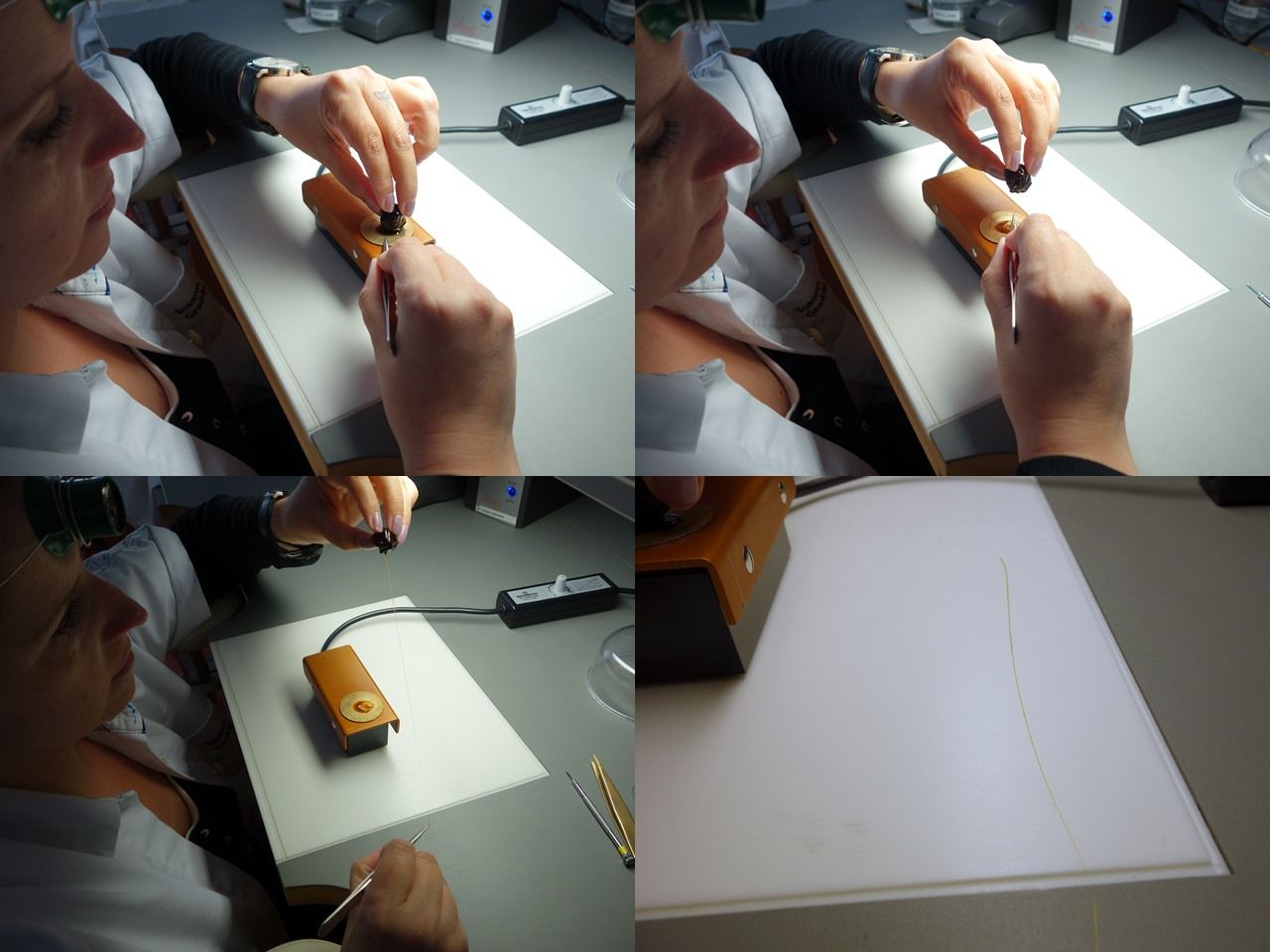
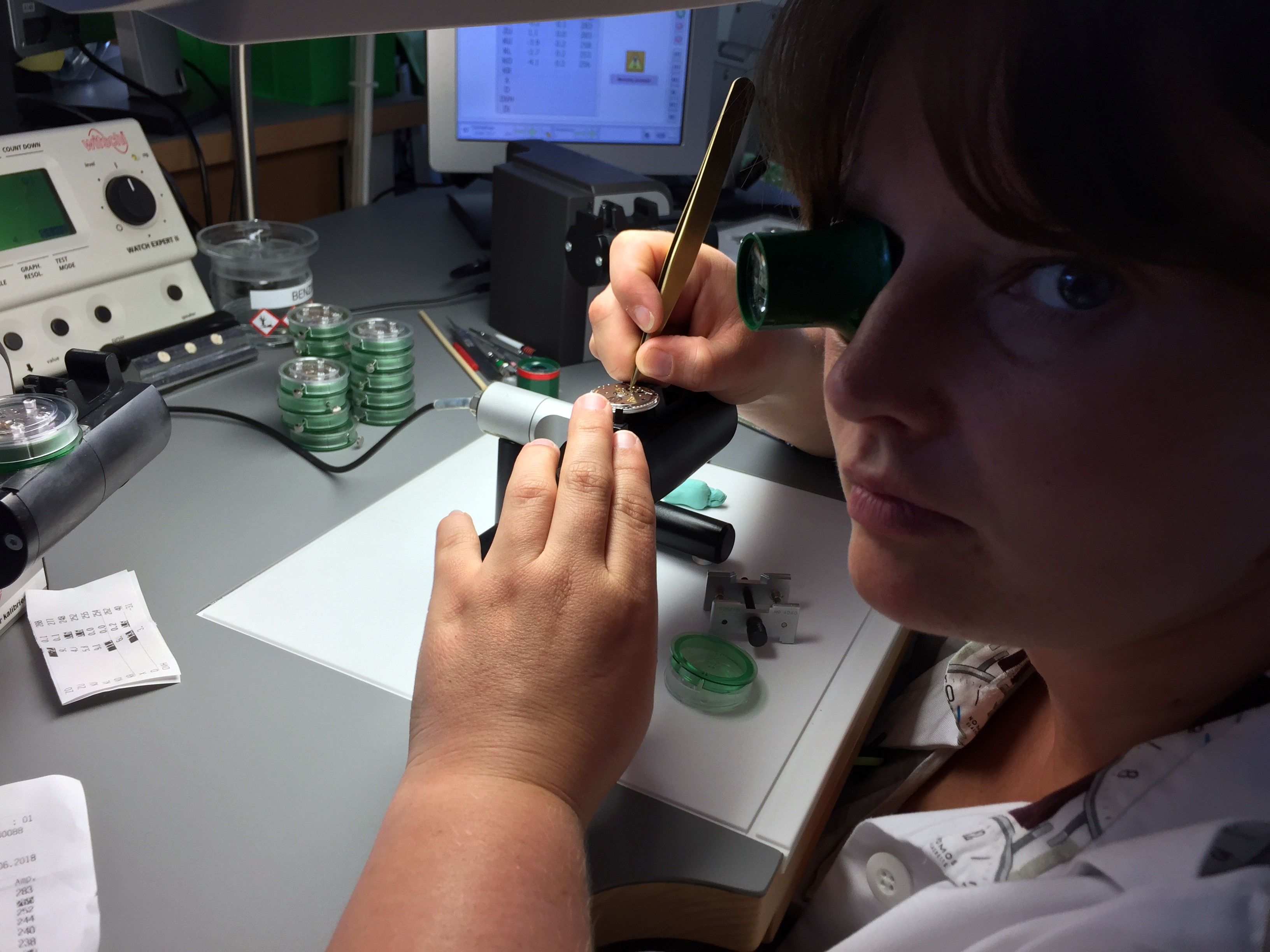
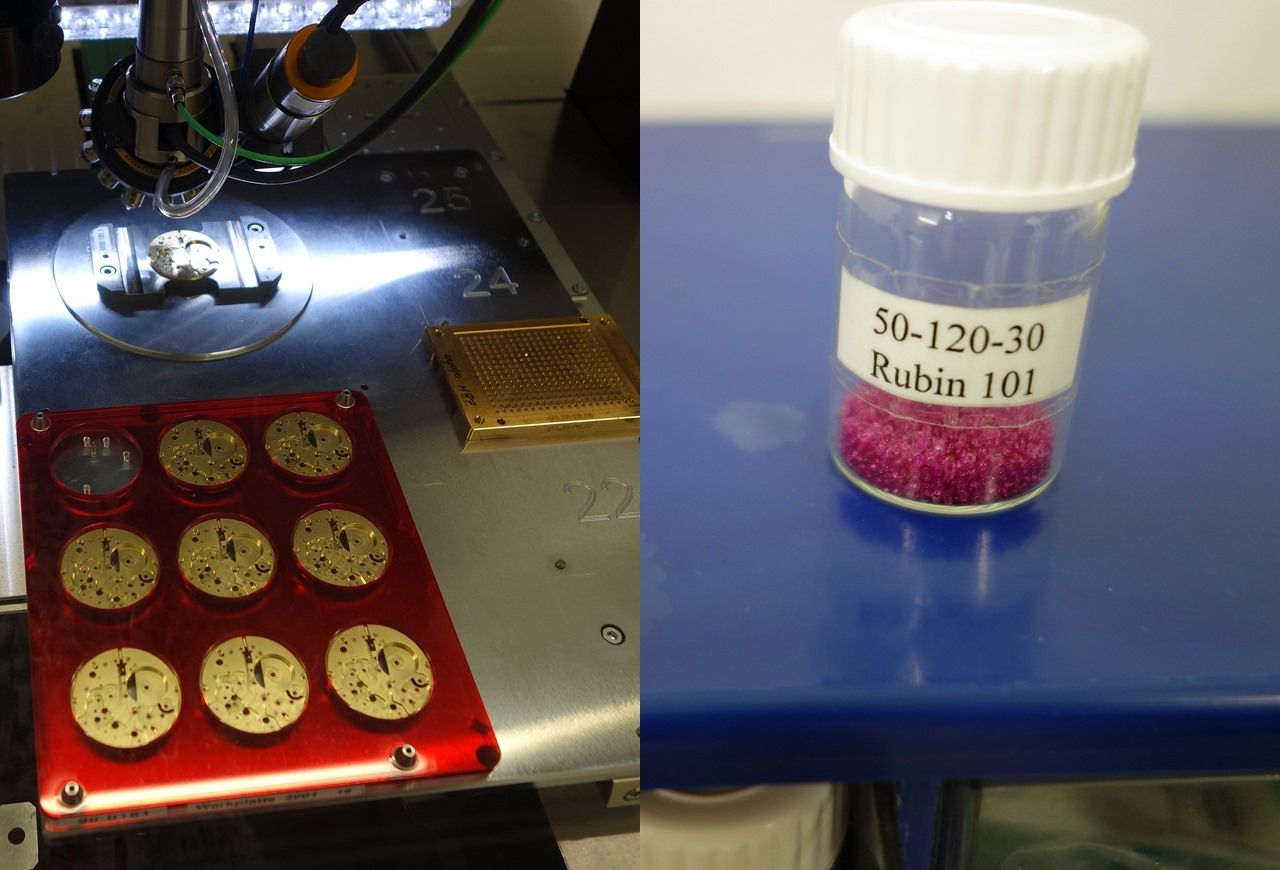
And it was here, in the Chronometry department, that I saw something I haven't seen anywhere else: watchmakers placing the ruby paddles on their respective anchors by hand! The lever is the element that measures the force transmitted by the mainspring from inside the barrel and is also responsible for the ticking that a mechanical watch emits. This characteristic noise is produced when its vanes impact the escape wheel, vanes subjected to extremely high wear due to friction, which is reduced to almost zero by making them of synthetic ruby. On the contrary, the rest of the rubies on the plate are placed and oiled by automated means. The explanation they gave me is that it is impossible to improve a machine when it comes to putting microdrops of oil in the exact amount in a constant way.
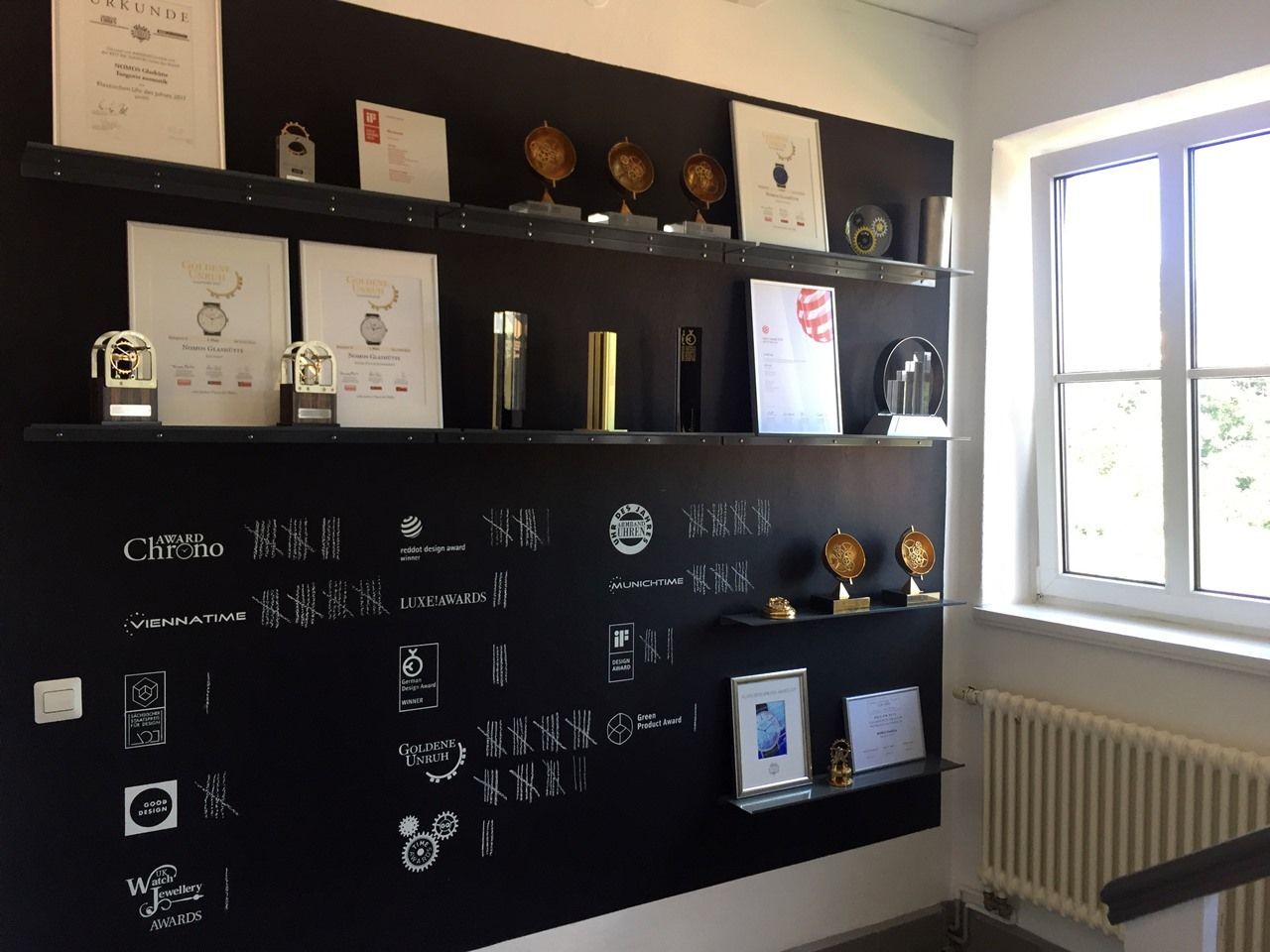
I also saw an area dedicated to displaying the trophies won by NOMOS in its not-so-short history –almost thirty years-: some have been won so many times that they count them as if they were the days of a prisoner.
NOMOS is one of the few watchmakers that has its own regulatory body (the balance-lever-escape wheel assembly) which it calls the Swing System and which has been developed in cooperation with the University of Thuringia-Dresden, at a cost of around 11 million euros and several years of research. The regulatory organ is literally the heart of the watch: it not only sets the rhythm of the beats but the precision and therefore perceived quality of the entire caliber or movement depends on the perfect cadence of those beats. Very few watch manufacturers around the world can say that they have their own regulatory body, which puts NOMOS – once again – in a privileged group.
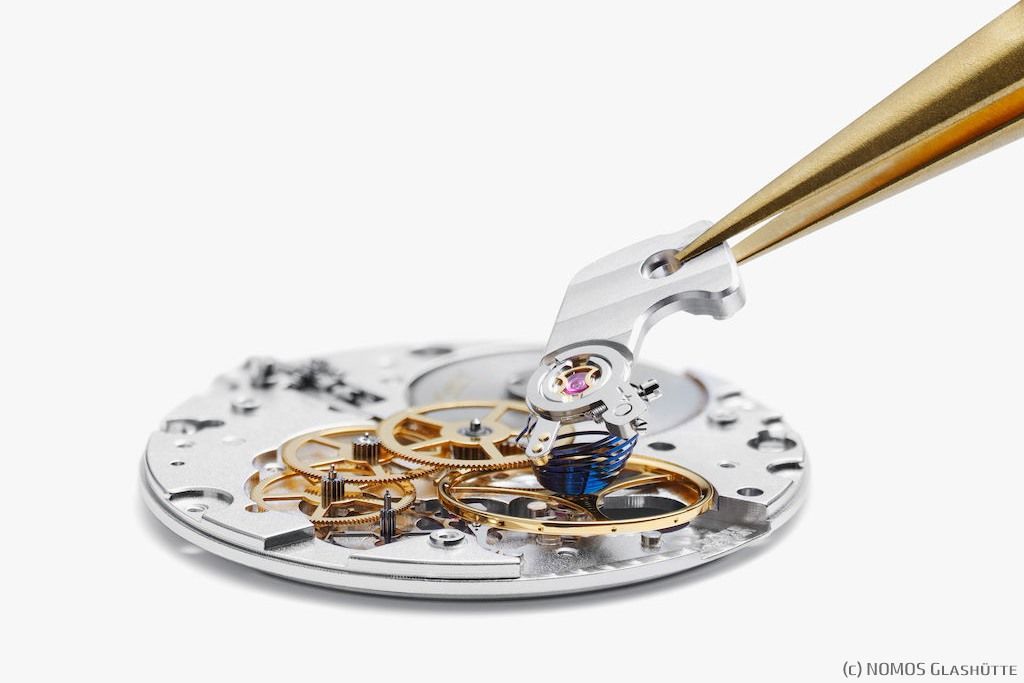
All parts – except the spiral spring – of this important component are manufactured in the third NOMOS building in Glashütte, this time on the outskirts. There I saw – once again, for the first time – a machine ejecting small flywheels that would later be tuned one by one in the Chronometry building. And gears, and pinions, and bridges. And of course complete and three-quarter plates (the three-quarter plate is the hallmark of Saxon watchmaking: it gives more stability to the whole). Many of these components will later be finished (chamfered, decorated) by hand.
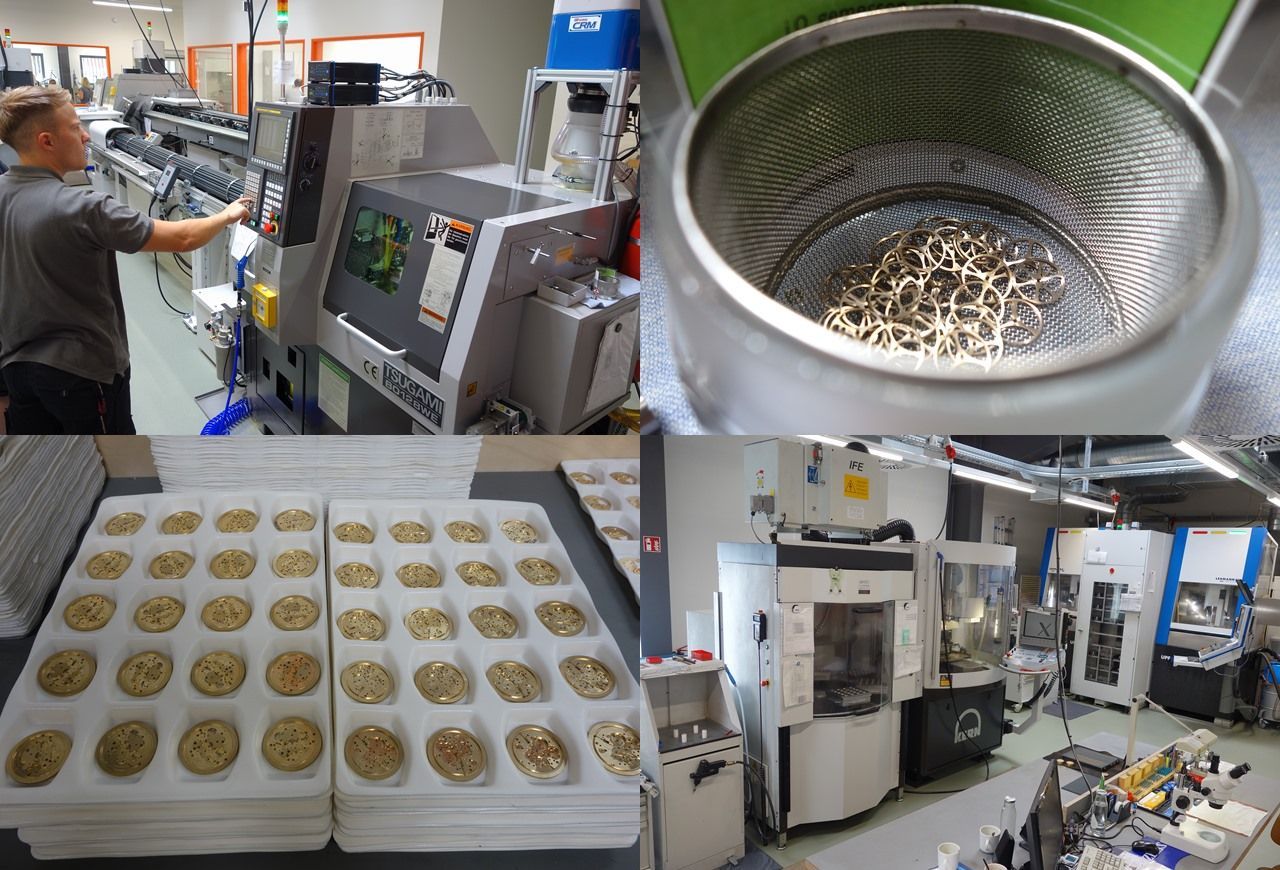
And how does NOMOS achieve all this with prices between €1,200 and €4,500 (except Lux and Lambda, around €14,000)? In the words of Uwe Ahrendt, its manager, there are several reasons: salaries are lower here than in Switzerland, their margins are narrower because they do not need to feed a huge marketing machine (Berliner Blau is a subsidiary) and NOMOS also has the Free State of Saxony as a partner, which helps local companies. It is not known in what proportion, but it is clear that this gives it access to R&D resources that it would not otherwise be able to access, at least at those final product prices. I already said above that NOMOS was built from the ground up as the modern company that it is.
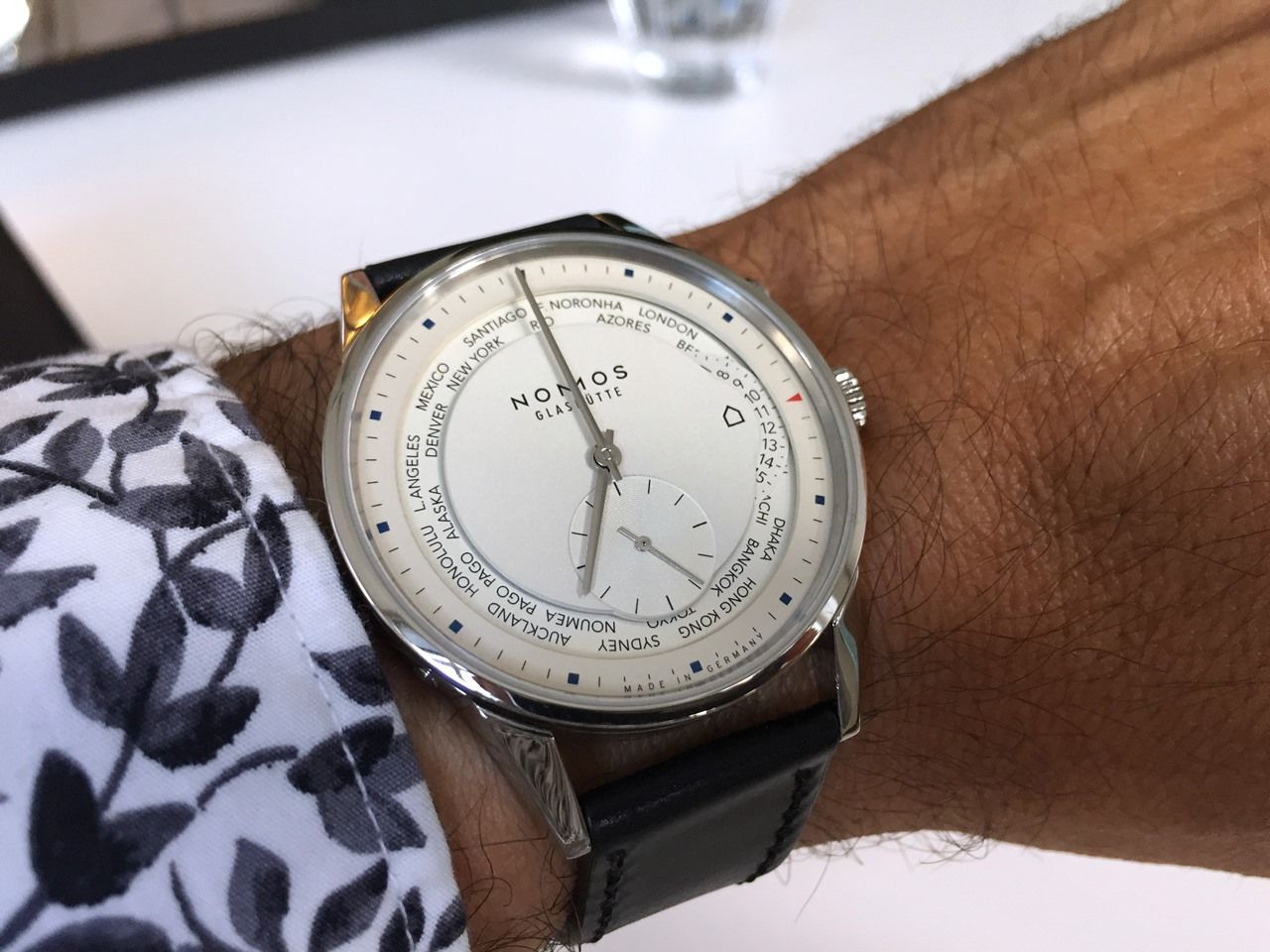
I also said that 95% of the watch is produced in Glashütte (this includes the assembly itself), so there is 5% left external. The cases, dials and crystals are produced in Switzerland (and not in China, as some undocumented person once published). As for the straps, there are two sources: the cloth straps that equip the Ahoi are produced in France, while the characteristic Cordovan horse leather straps are supplied by the famous Horween brand from the United States. It may seem adventurous, but this German watchmaker seems much more serious to me than the Swiss pantomime of 60% including Asian production. NOMOS Glashütte is pure manufacturing.
A summary in figures:
Age in years: 28
Employees: 260 (300 including those at Berliner Blau)
Annual production (estimated): 23,000
Model range: 13
Versions: 100
Own calibers: 10
Production time of a single watch in months: 3
Thickness in mm of its automatic caliber DUW 6101: 3.6
Puntos de venta en todo el mundo: 500
Entry price in euros: 1,100
More information atnomos-glashuette.com
Comment your opinionin the forum
Browse the Shop
 Acacia frida deluxe solid wood bed frame |
Bedroom bench |
Bed chest drawers |
Lingerie dresser |
Frame base |
Mirror with jewelry storage |
30 Bathroom Vanity |
Memory foam queen mattress |
Mattresses for back pain |
Nightstand set of 2 |
Grand Goldman Shop |
Civil Lawyer
Deutschland Trikot WM 2026
Acacia frida deluxe solid wood bed frame |
Bedroom bench |
Bed chest drawers |
Lingerie dresser |
Frame base |
Mirror with jewelry storage |
30 Bathroom Vanity |
Memory foam queen mattress |
Mattresses for back pain |
Nightstand set of 2 |
Grand Goldman Shop |
Civil Lawyer
Deutschland Trikot WM 2026










