

5 years ago, two entrepreneurs, Huberto Aldaz and Miguel Morales, createdOphion Watcheswith the aim of offering watches with Haute Horlogerie characteristics at a much more affordable price than what is usually found on the market at a certain level of finishes. Two keys: online distribution, without intermediaries, and production of each element of the watch separately, also without intermediaries and looking for the best option for each component. You could say that Ophion is “Accessible Fine Watchmaking”.
Find Bleeding Edge Supplements at Scandalous Prices on iHerb.

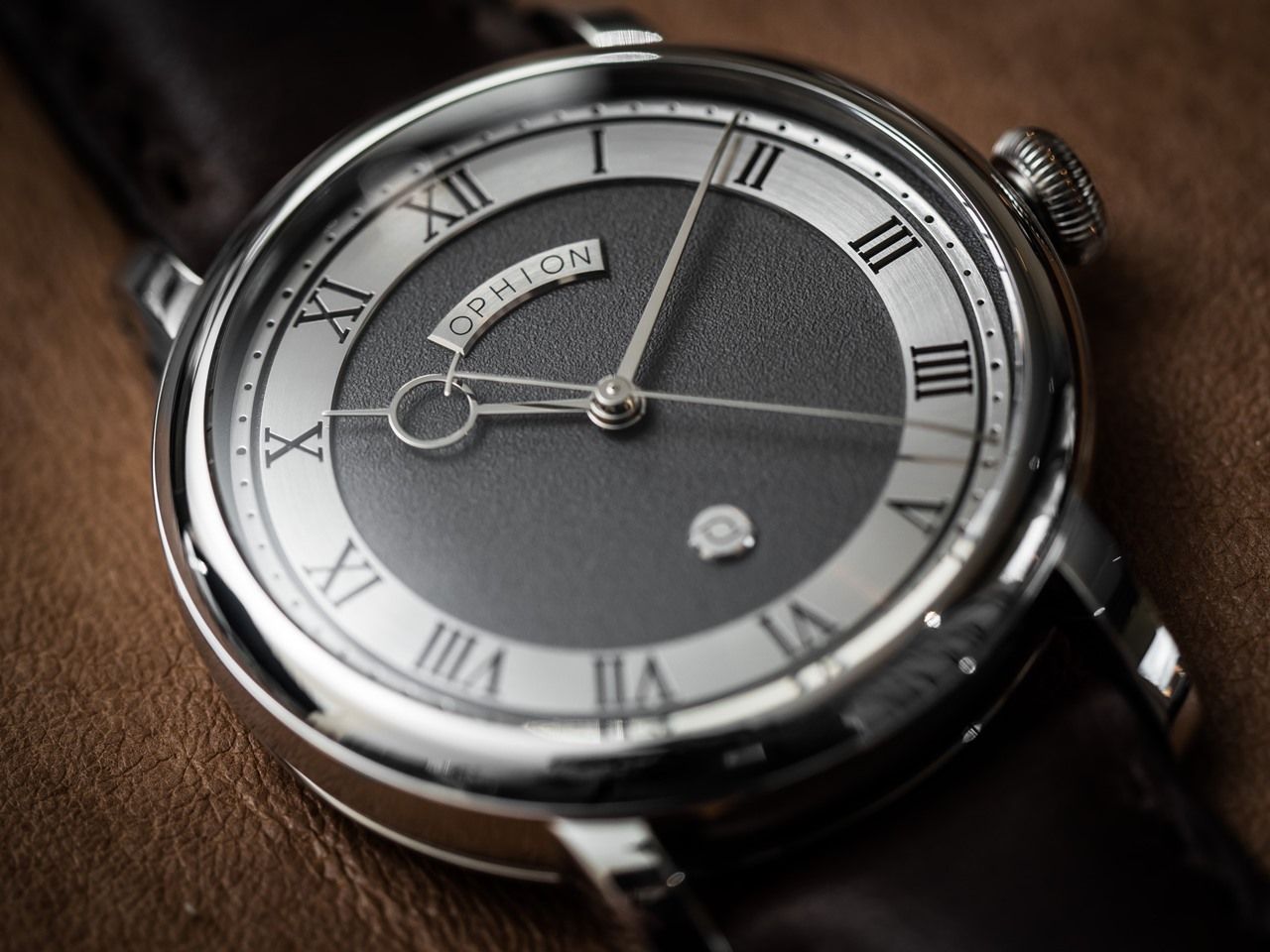
They conceive each project globally, from the external elements (case, dial, hands) to the movement that will give it life, seeking the same aesthetic criteria throughout the watch. What's more, they do not make a design and then introduce generic machinery, but rather the design of the machinery is in line with the design of the watch.
For their latest model, the OPH 786, they have been inspired by a pocket watch from 1786. It was precisely in that period when Guilloche patterns were introduced on the dials, a quite expensive mechanical-manual engraving process but with spectacular results, today only available to brands such as Breguet or Patek Philippe. Following their own philosophy of cost containment, Ophion thought of a way to achieve the best guilloche possible without the price being astronomical. The alternative to traditional guilloche (manual = expensive) is a cheap print that imitates its effect but has nothing to do with it. The middle path chosen by Ophion was a CNC machine that carries out the entire engraving process automatically, achieving a finish almost as good as if it were done by hand but at a much more affordable price.
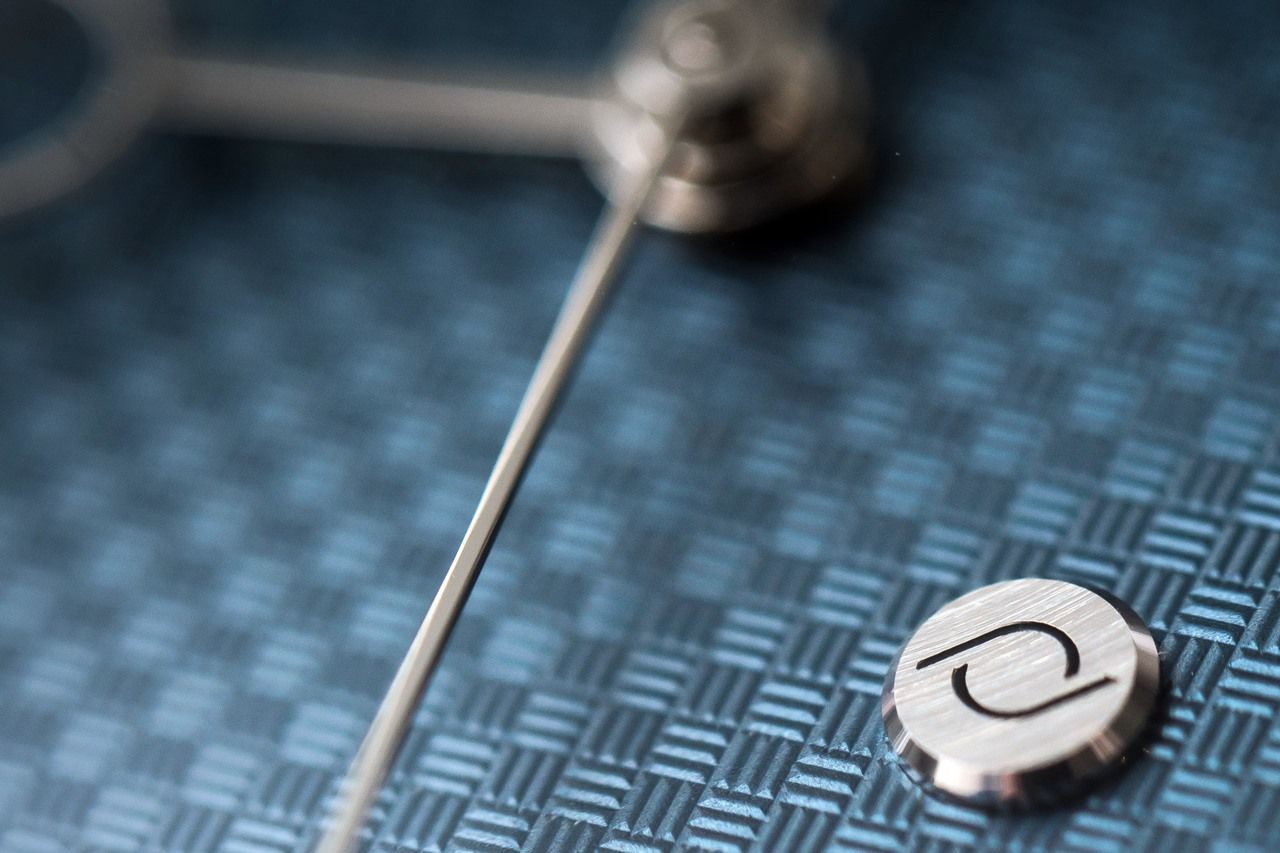
The guilloche “cuts” the metal surface of the sphere, leaving a polished surface that produces reflections with a multitude of nuances depending on the incidence of light on it. If the pattern were simply printed, all those reflections would be lost.
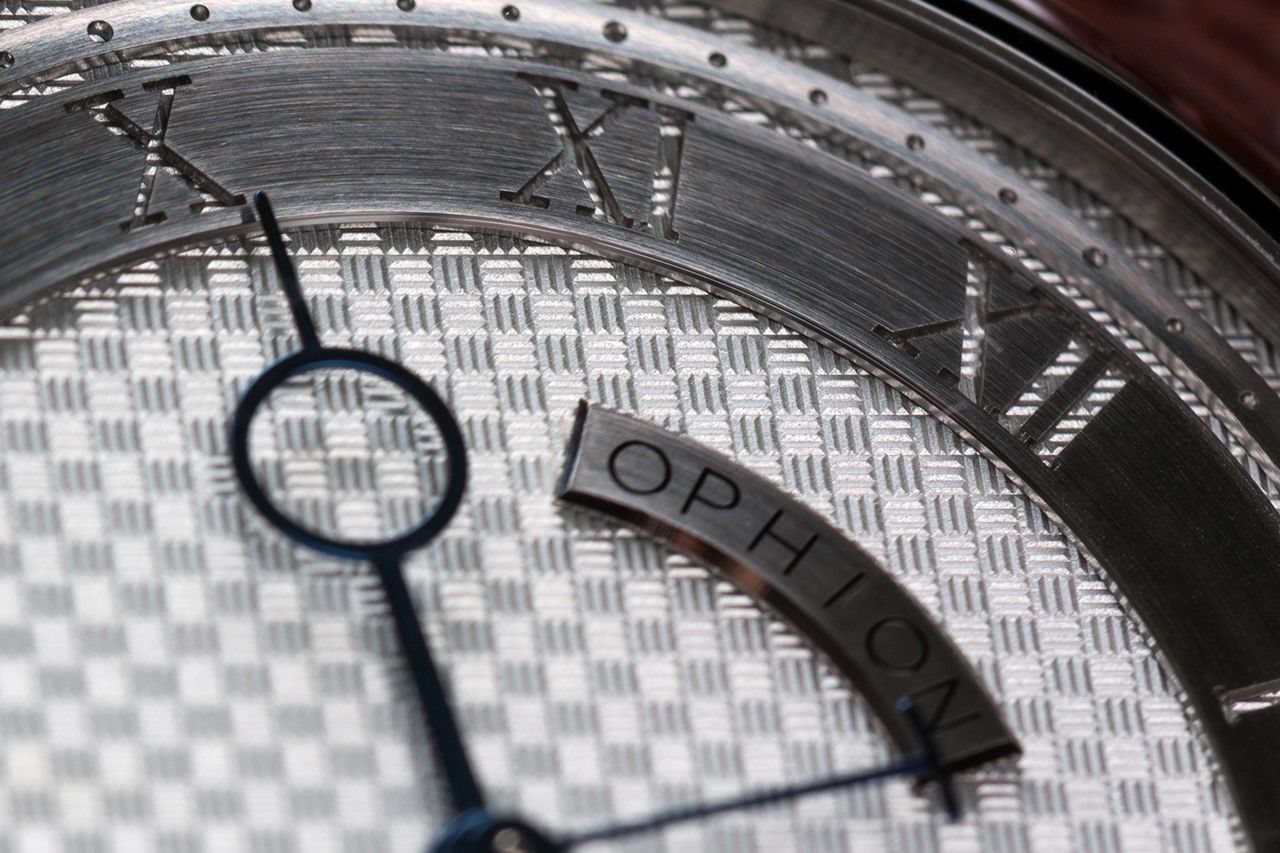
The dial, in turn, is made with two concentric and layered discs: the guilloche base on which is superimposed a layer formed by two rings, the minute ring and the hour ring, which have openwork Roman numerals through which the guilloche of the base layer can be observed, which gives an innovative touch to the classic scheme of markers with Roman numerals. In the version with the silver dial, the hands are fire-blued.
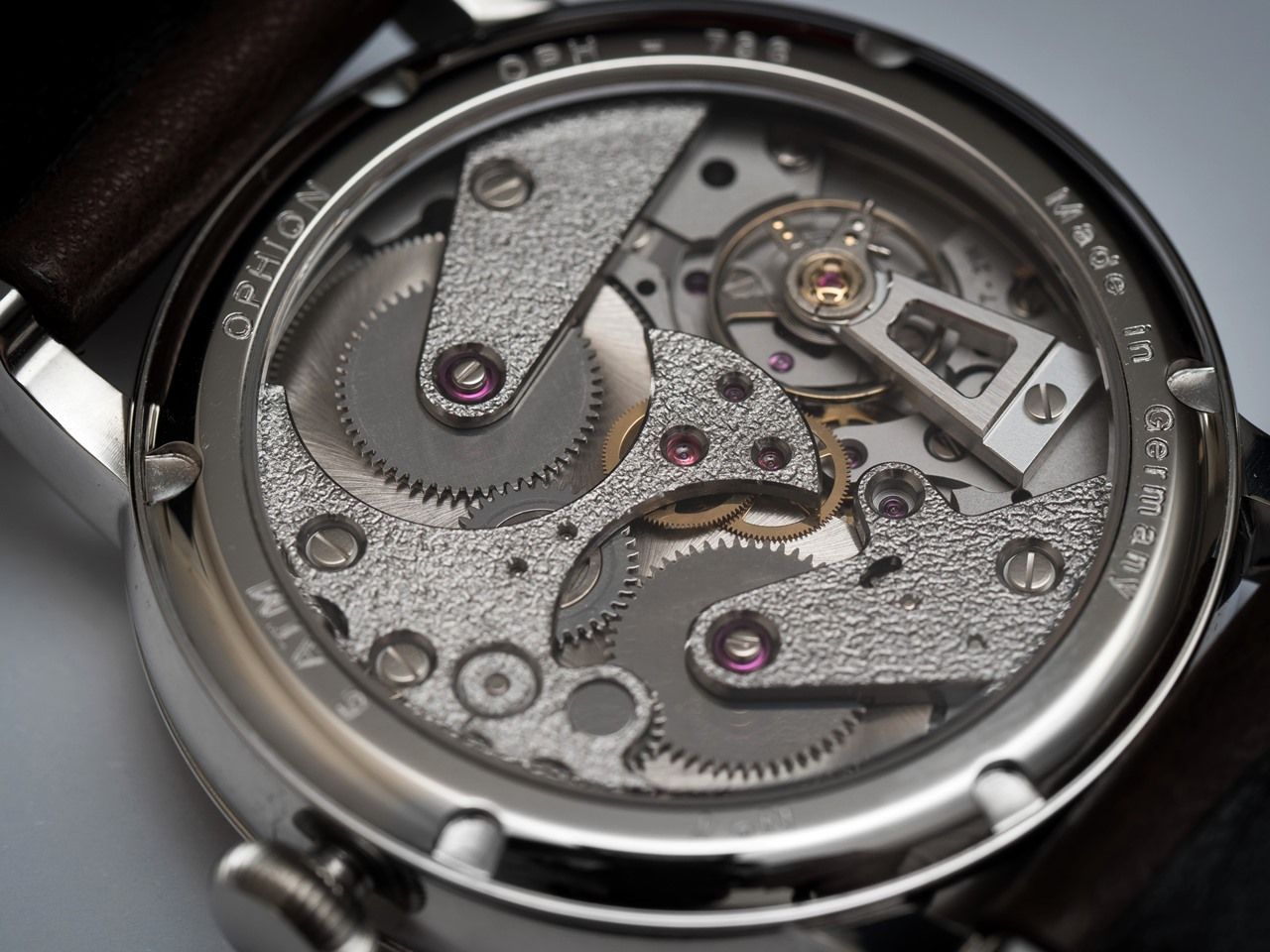
For the movement they chose a Technotime caliber, where they redesigned all the bridges, changing the geometry of the whole in search of the symmetry so present in old pocket watches. The Grenaille effect decoration on the bridges - which was previously produced when the mercury deposited on the surface evaporated - here has been carried out by hand hammering while the chamfering of the edges is done by machine. The wheel bridge is skeletonized and directionally brushed to contrast with the rest of the machinery.
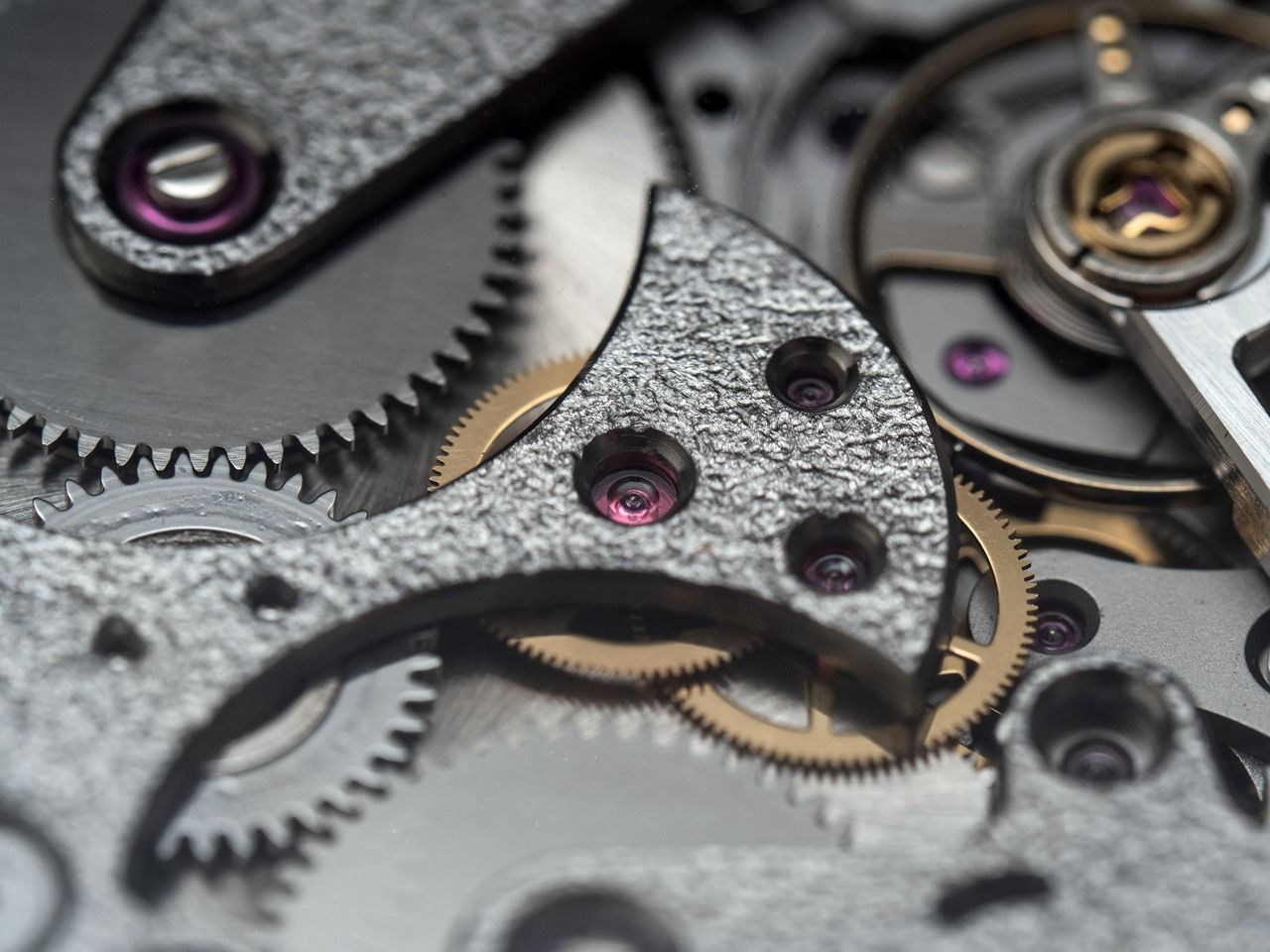
For each component they use a specific manufacturer, since according to them it is the only way to have full control of the quality of each of the parts. The cases and dials are made in Germany, the machinery and hands in Switzerland, the strap is made in Spain and the final assembly is carried out in Germany.
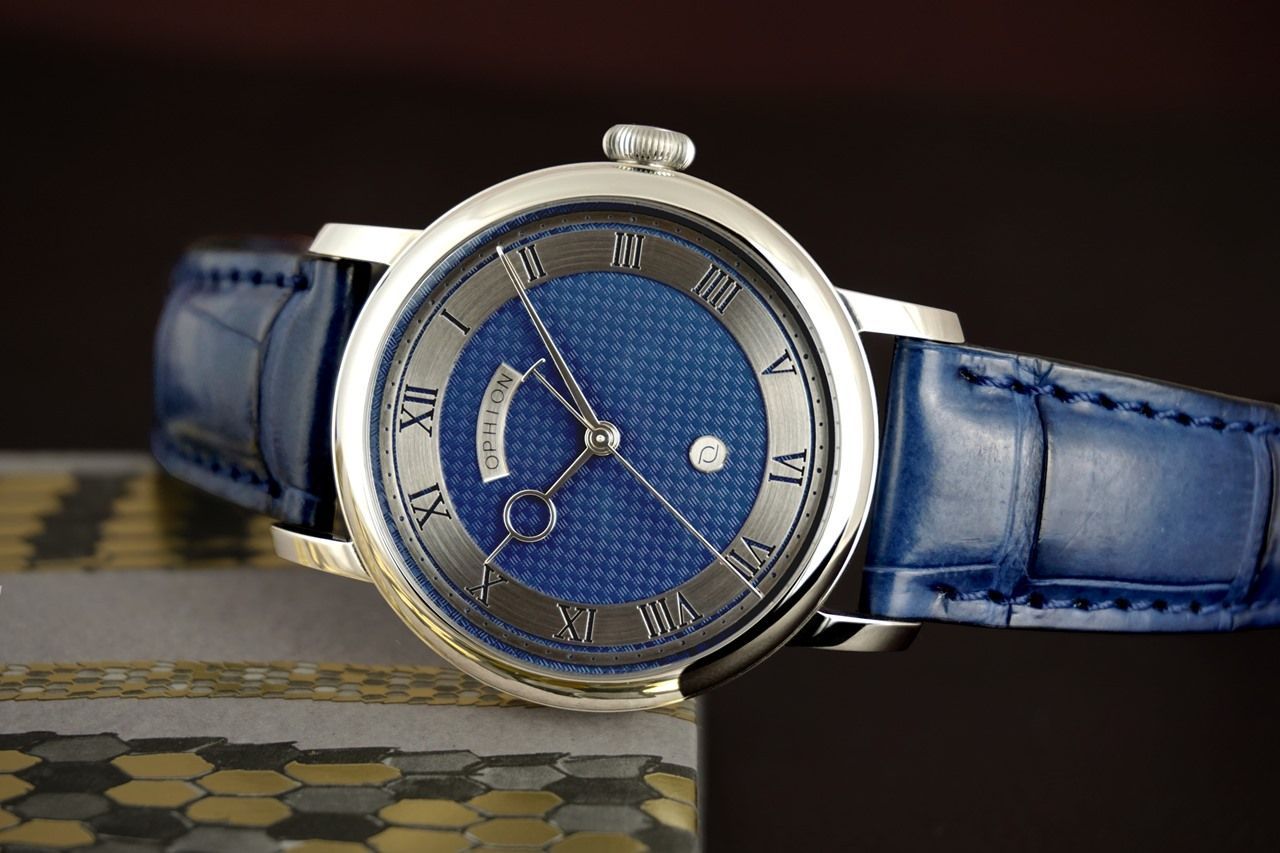
When they presented their first project, the OPH 960, they had great acceptance both in the reviews of specialized blogs - which were truly spectacular - and in sales (which is what ultimately counts), thus confirming that there is a niche for high-performance watches at more accessible prices. The OPH 786 promises to give even greater satisfaction, both to them and to the buyers.
Browse the Shop
 Acacia frida deluxe solid wood bed frame |
Bedroom bench |
Bed chest drawers |
Lingerie dresser |
Frame base |
Mirror with jewelry storage |
30 Bathroom Vanity |
Memory foam queen mattress |
Mattresses for back pain |
Nightstand set of 2 |
Grand Goldman Shop |
Civil Lawyer
Deutschland Trikot WM 2026
Acacia frida deluxe solid wood bed frame |
Bedroom bench |
Bed chest drawers |
Lingerie dresser |
Frame base |
Mirror with jewelry storage |
30 Bathroom Vanity |
Memory foam queen mattress |
Mattresses for back pain |
Nightstand set of 2 |
Grand Goldman Shop |
Civil Lawyer
Deutschland Trikot WM 2026










