

Once again this year, Patek Philippe has presented its post-Basel innovations at the Patek Campus that it has been organizing in Madrid since last year with its usual efficiency. In the center of Madrid, with –almost- all the pieces available and impeccable organization. Thus, those of us who had attended Baselworld 2019 had the opportunity to once again have in our hands the fabulous pieces resulting from the creativity, ingenuity and know-how of the Geneva Maison.
Creativity
Despite the limited elements (case, dial, hands) Patek manages to surprise us every year. We have an example in the new weekly calendar reference 5212A, which, together with a rejuvenated appearance by Calatrava, presents an unprecedented complication in the brand's long list, which I will talk about at the end of the article.

Wit
Little is said about Patek's Ingenuity, when they are responsible for countless patents to improve the precision or simply the operation of watches. Yours in particular, but by extension of watchmaking in general when said patents become public domain. It is enough to remember the winding rope through the crown, without the need for a key, attributed to Adrien Philippe just before becoming part of the most famous duo on the watchmaking scene. The last one has to do with a complex solution to fine-tune the precision of the teeth of the wheels and which we will see later, applied precisely in the 5212A weekly calendar.
Know how to do
The know-how... I am not referring here to the watchmaking mastery to which we are accustomed, nor to the different "metier d'arts" or artisan trades, but to knowing how to draw but above all to follow one's own path, ignoring the siren song of easy business (more Nautilus!, the sirens shout) and dedicating themselves with passion to the task of transmitting a legacy that, if it were not for them and a few others, would be irretrievably lost in a few generations. And yes, in addition to that they continue to cultivate that legacy in the form of watchmaking art, hand polishing, marquetry work, enamel and engraving and various other arts that together make up what we have come to understand as Fine Watchmaking in capital letters.
Come on!
Perhaps I have found the introduction to the Patek Philippe 2019 news a bit long and laudatory, and before continuing I would like to make it clear that there is no advertorial or compensation here, only the voice of an enthusiast lucky enough to have maintained close contact with the House and its watches thanks to its representatives in Spain. To know is to love, they say. Well, that's it, loving... in the distance, haha. Let's go with the novelties themselves, ten in total (creativity...), of which I was able to enjoy seven.

Starting with the absent ones, I couldn't enjoy either the super-complicated two-sided 6300G (price above two million euros), or the exquisite 5078G (about €373,000) with its enamelled and then engraved dial, and minute repeater. Note: each and every watch with this complication is individually tested by Thierry Stern, president of the company, before being delivered to their future owners. Nor could I see – or touch – the Calatrava Pilot Travel Time Reveil 5520P (P platinum, just over €207,000) where for the first time, and in addition to the GMT function, Patek introduces a mechanical “warning” that can be adjusted in quarters. Regarding the latter, it seems that there was some internal debate about the divisions to be established, and the conclusion was reached that to give the precision expected from Patek they had to be fourth (that is, every 15 minutes). The gong where the hammer strikes is fixed to the caliber itself and not to the case as is usual in this type of complication.
Patek 5235/50R-01
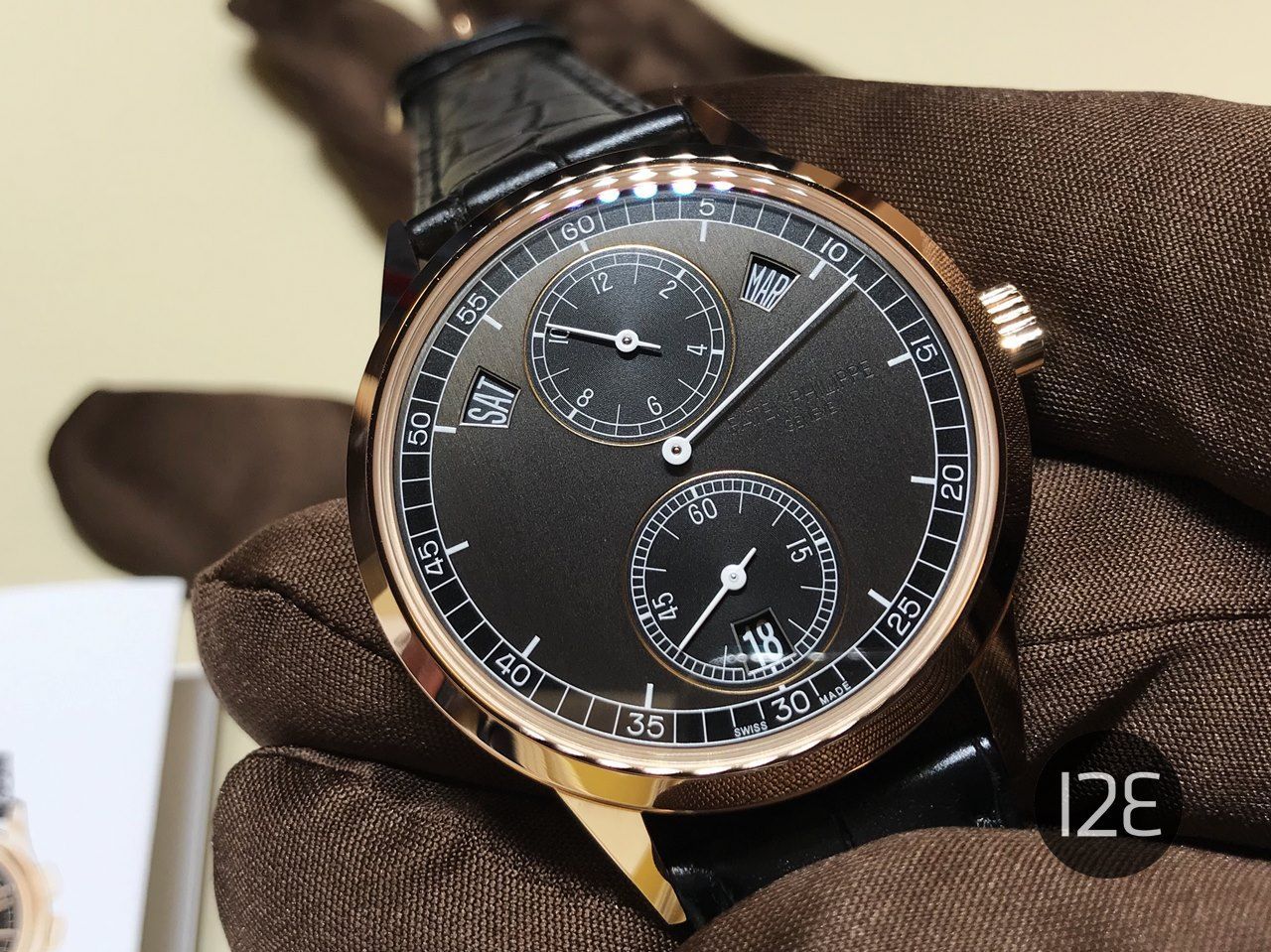
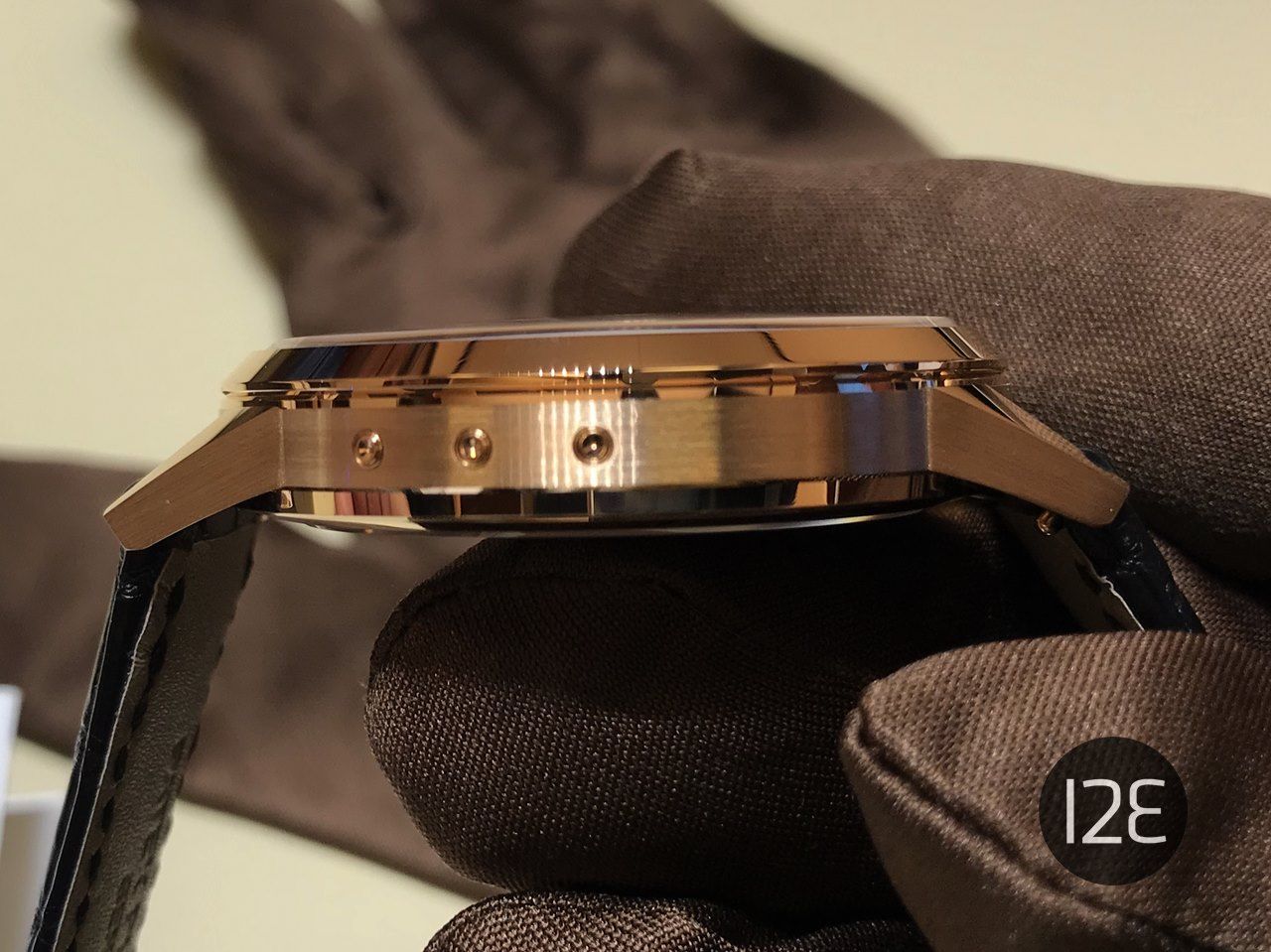
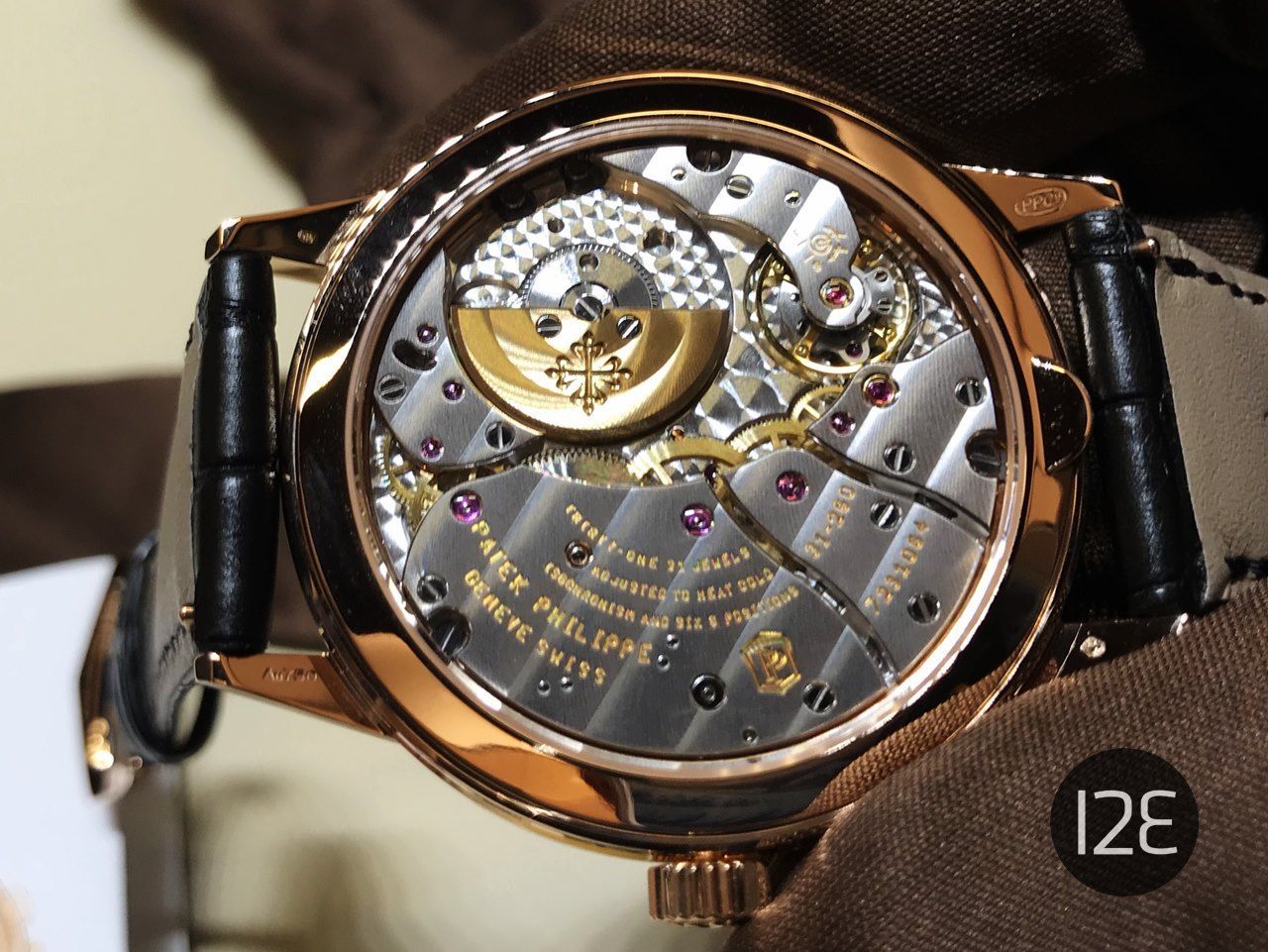
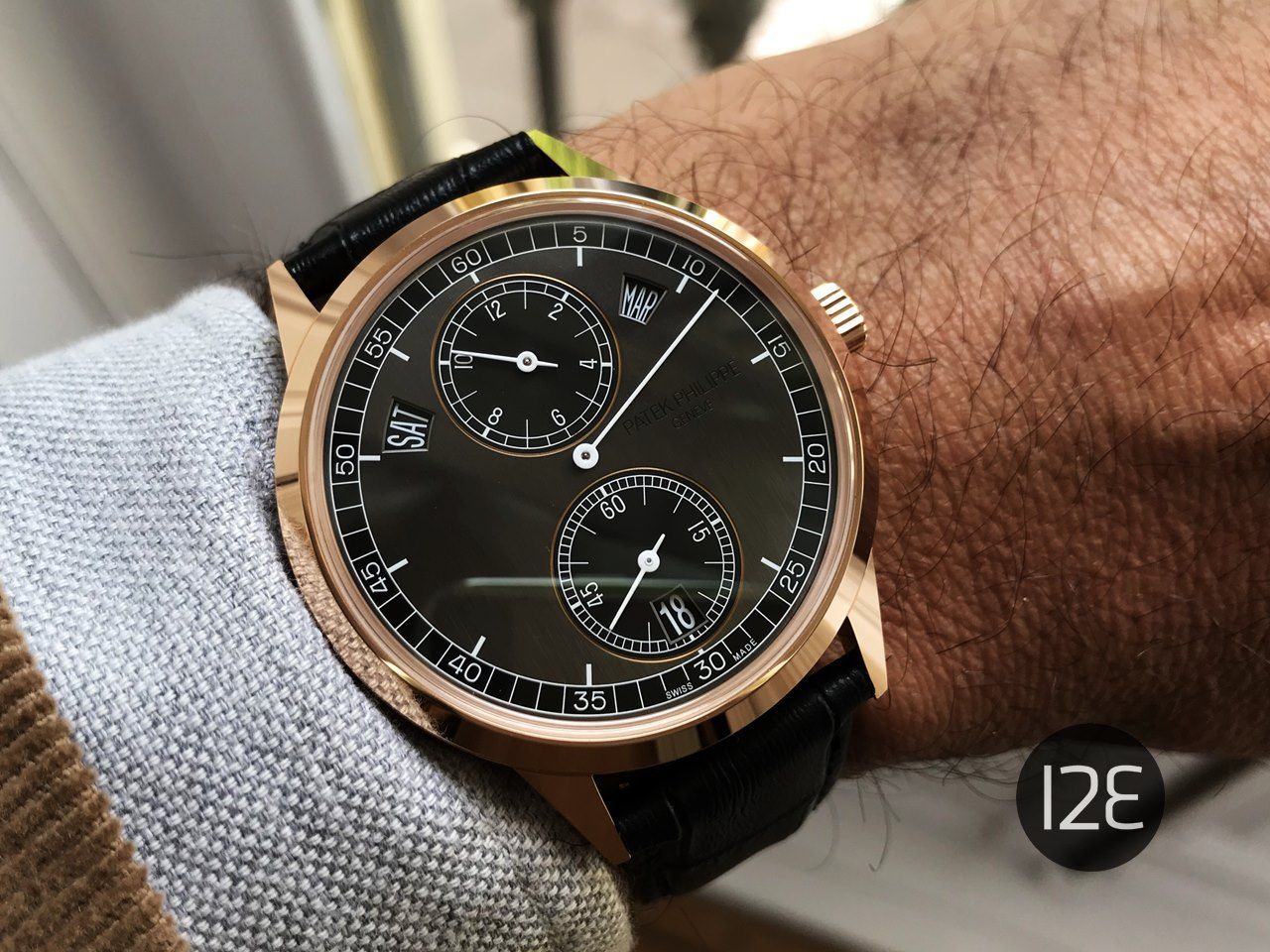
I'm not particularly into regulators or gold watches (although I'm increasingly flexible with the latter...) but I have to admit that the rose gold Patek 5235/50R stole my heart as soon as I saw it in Basel, with its hand-brushed brown dial and the irresistible combination with the darker subdials. Its price barely reaches €48,000, and it also has the complication of an annual calendar. That is, you only have to change the date in the months of February because it recognizes all other months of 30 and 31 days. It is not a "strictu-sensu" novelty because the 5235G already existed, presented in 2011 and which is now "discontinued", but it certainly has a timeless beauty. The 31-260 is the only Patek automatic caliber with a silicon hairspring (Spiromax) and escapement (Puslomax) (both at the same time), and it is only found in this model.
Patek 5172G-001
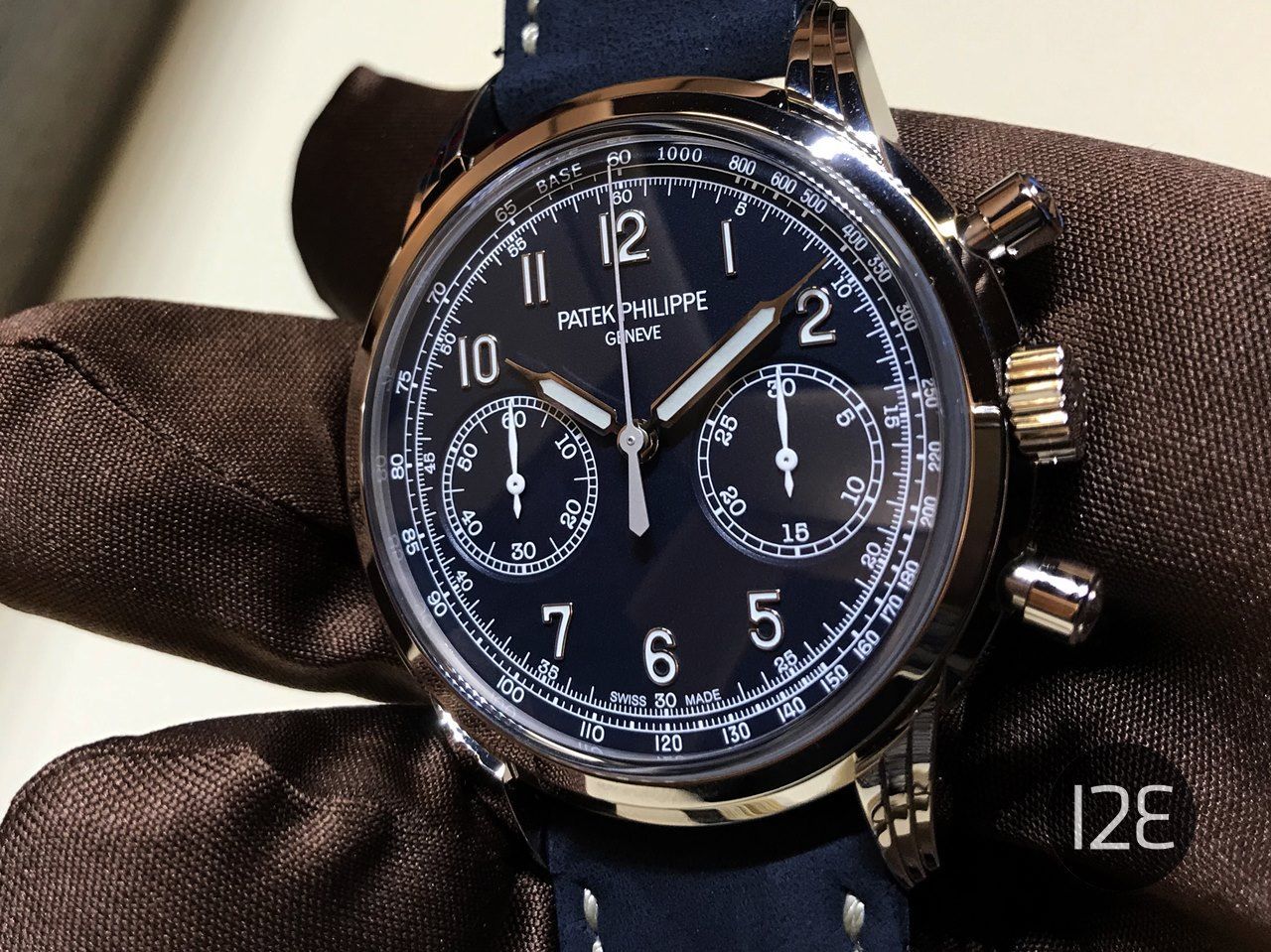
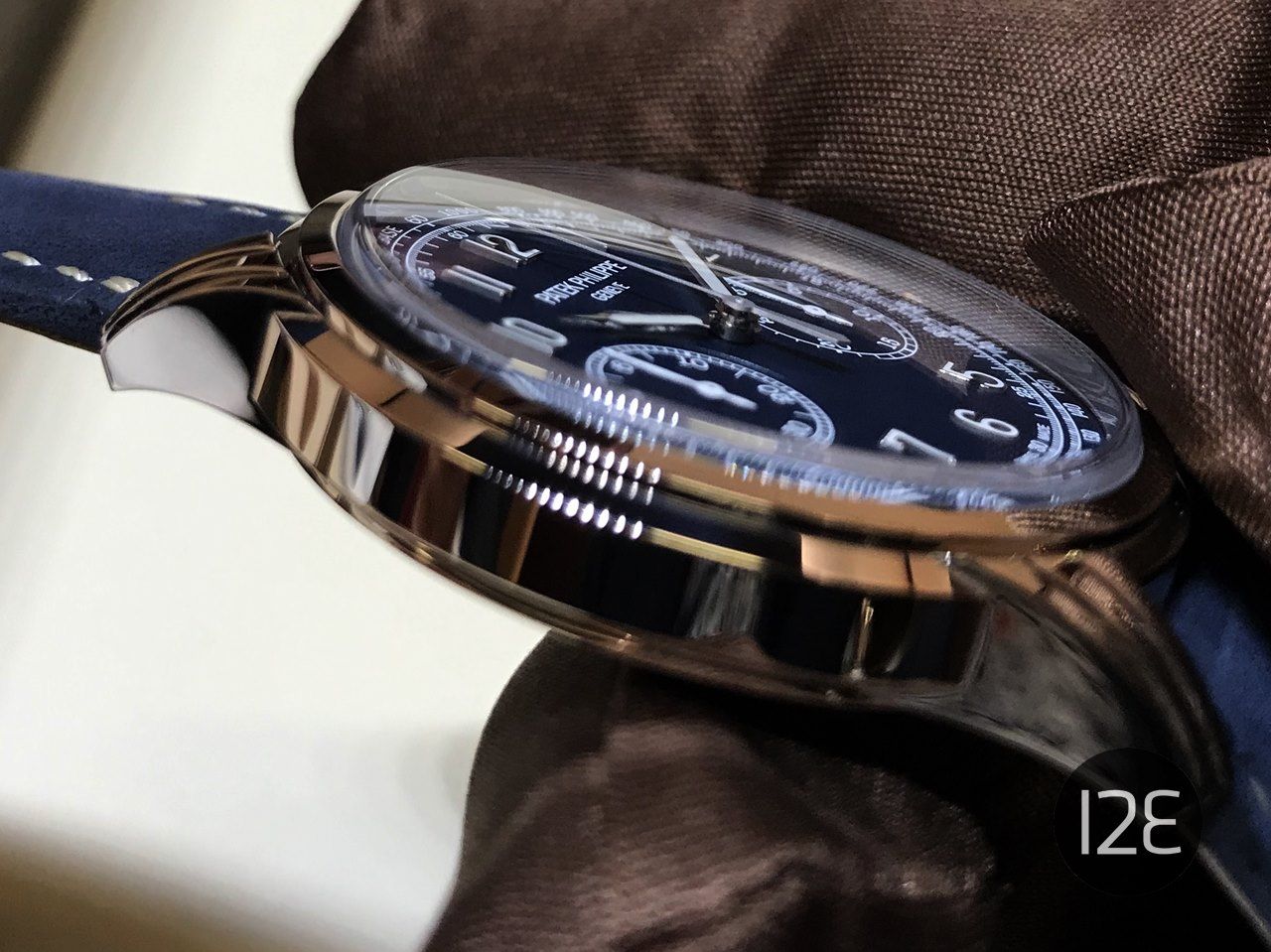
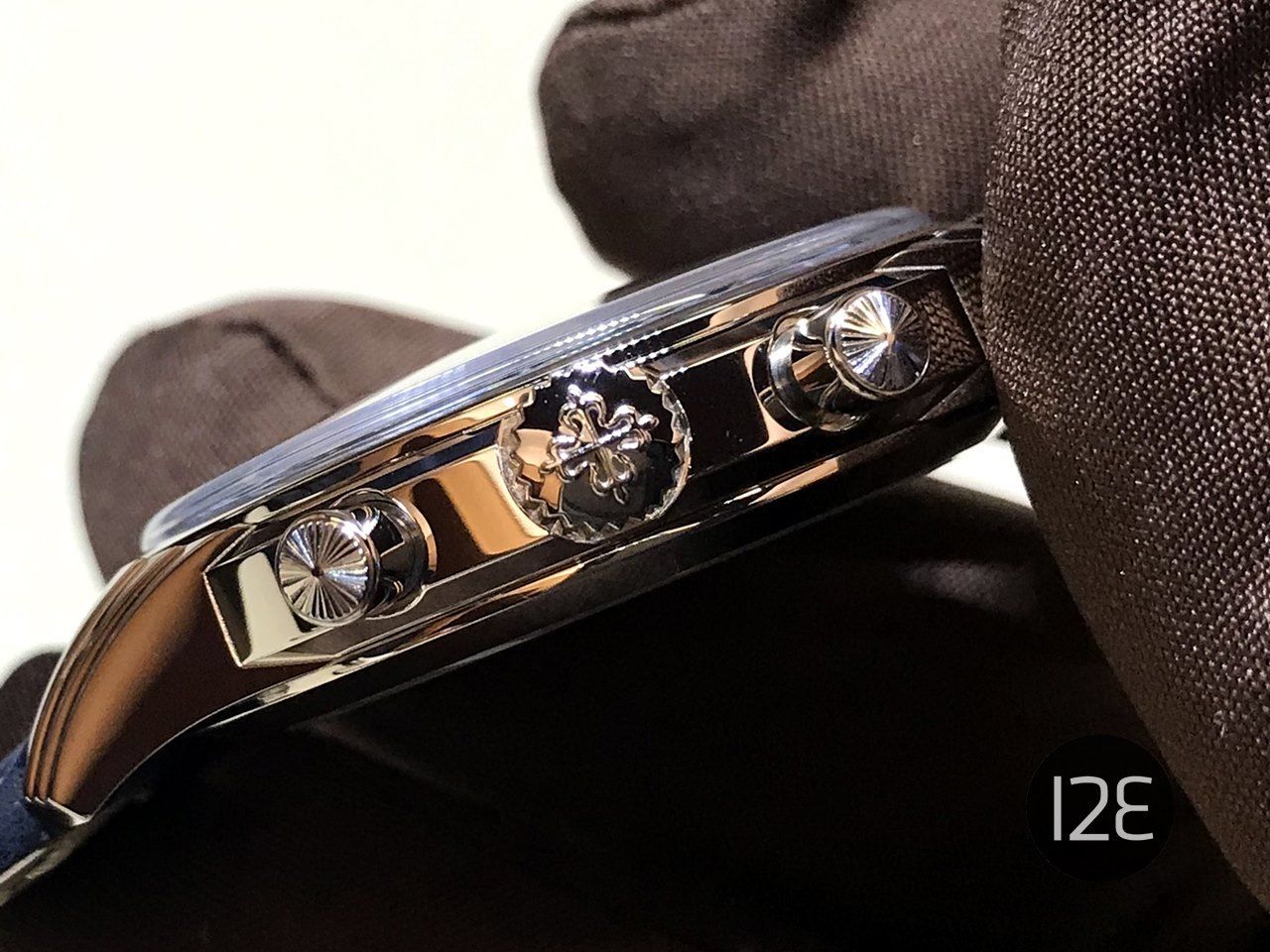
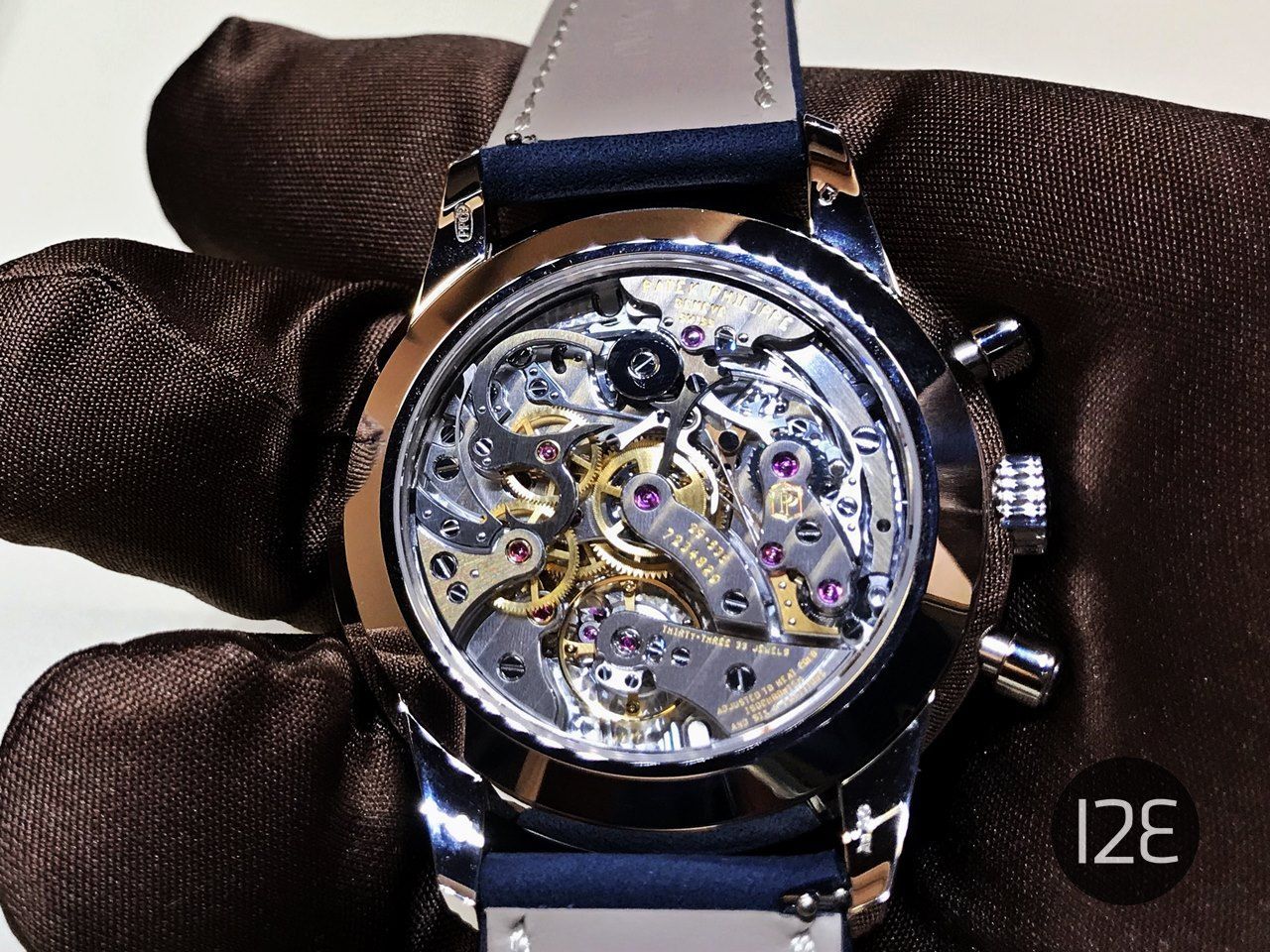
One of the many differentiating characteristics of Patek is the blue color that it gives to many of its dials, and in the case of the white gold 5172G chronograph it is a factor that adds to the natural elegance of this piece. This chronograph with column wheel and horizontal clutch has details that give it its own personality, such as the guilloche of the pushers, the slight deviation of the horizontal line of the centers of the subdials with respect to the center of the watch itself or the “box” shape of the front sapphire crystal, not to mention the three-step faceted lugs. All of them details that almost go unnoticed at a quick glance but that on a second inspection force the observer to linger on them and look for new ones, such as the transparent caseback and the caliber that is visible through it. €67,430 is its price.
Patek 5726/1A-014

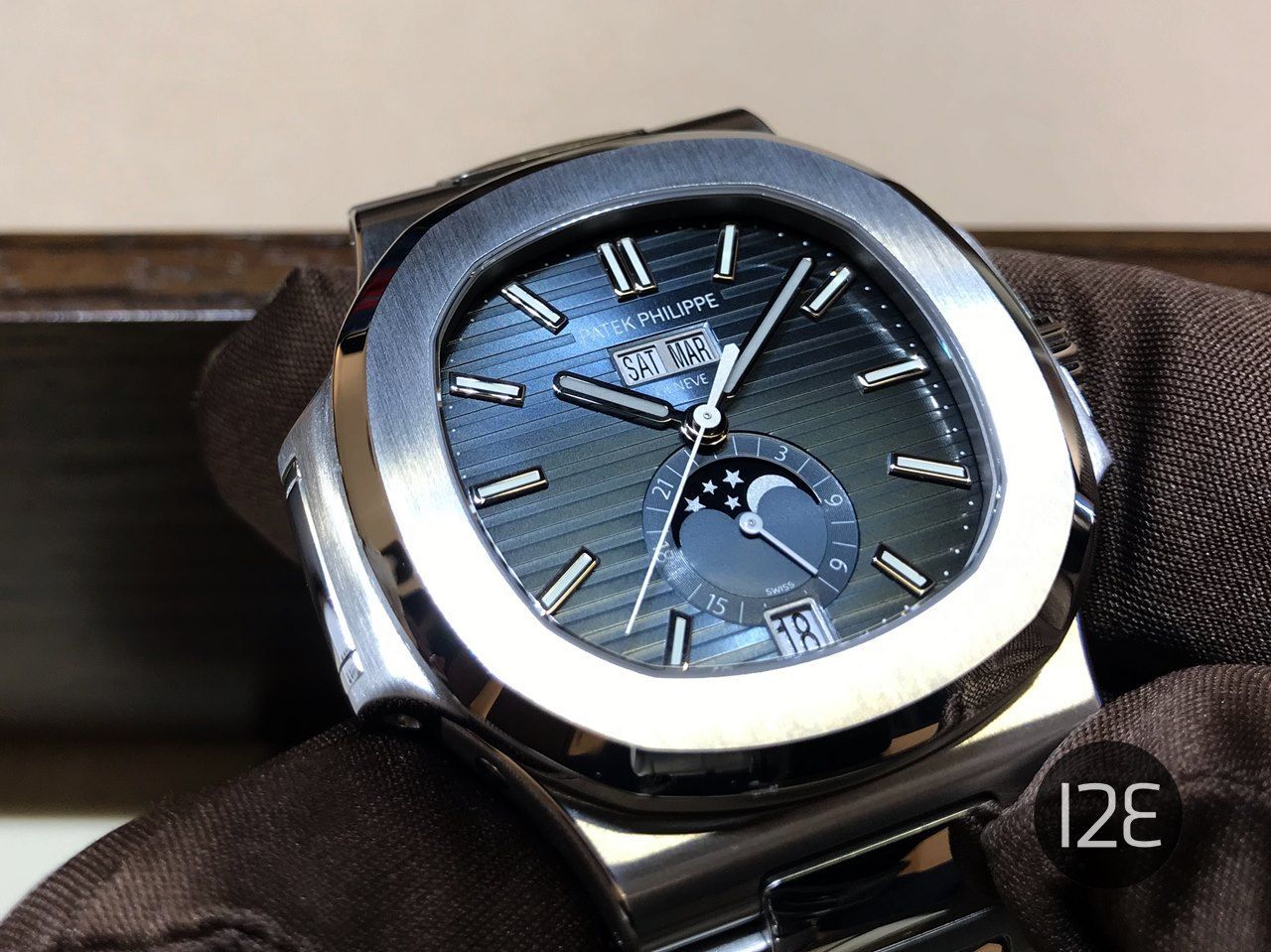
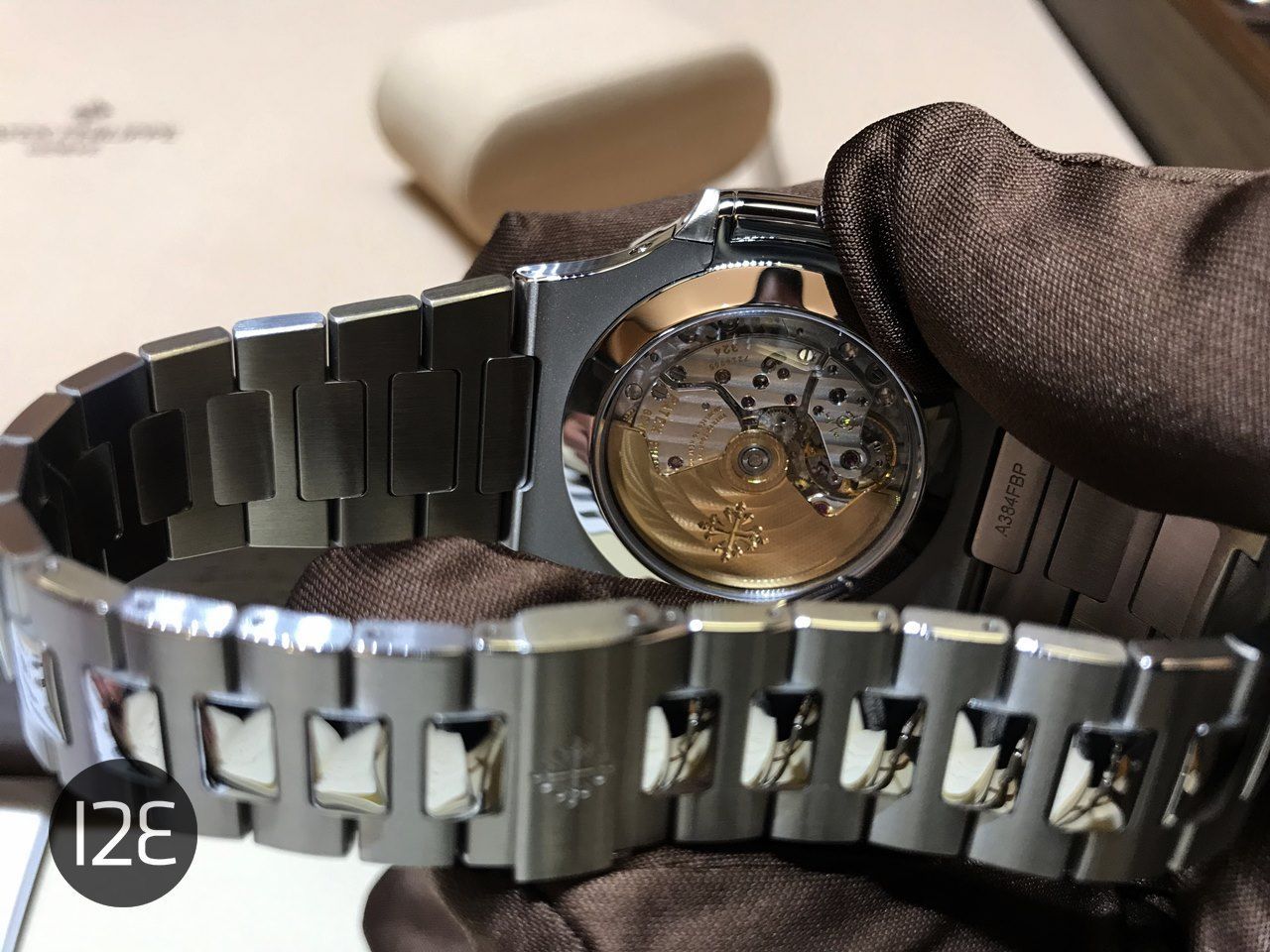
Perhaps the most popular Patek collection (because known), the Nautilus family is today an object of desire - especially the reference only time 5711/1A - of a large part of the fan community. Some because it is the “entry step” to the brand, and others, quite a few, just because it is tremendously difficult to obtain. I estimate that the demand/supply ratio should be between four and five to one. That is, for every available unit there are no less than four people interested in it. But this is not the topic of this article, so I will talk about the reference 5726/1A, with an annual calendar, moon phase and 24-hour subdial whose novelty consists of the blue of its dial, a tribute to the blue of the original Nautilus from 1976. Obviously, the previous gray dial will be discontinued, which will contribute to increasing the legend... and its price on the market, which is officially €42,000.
Patek 5905R-001
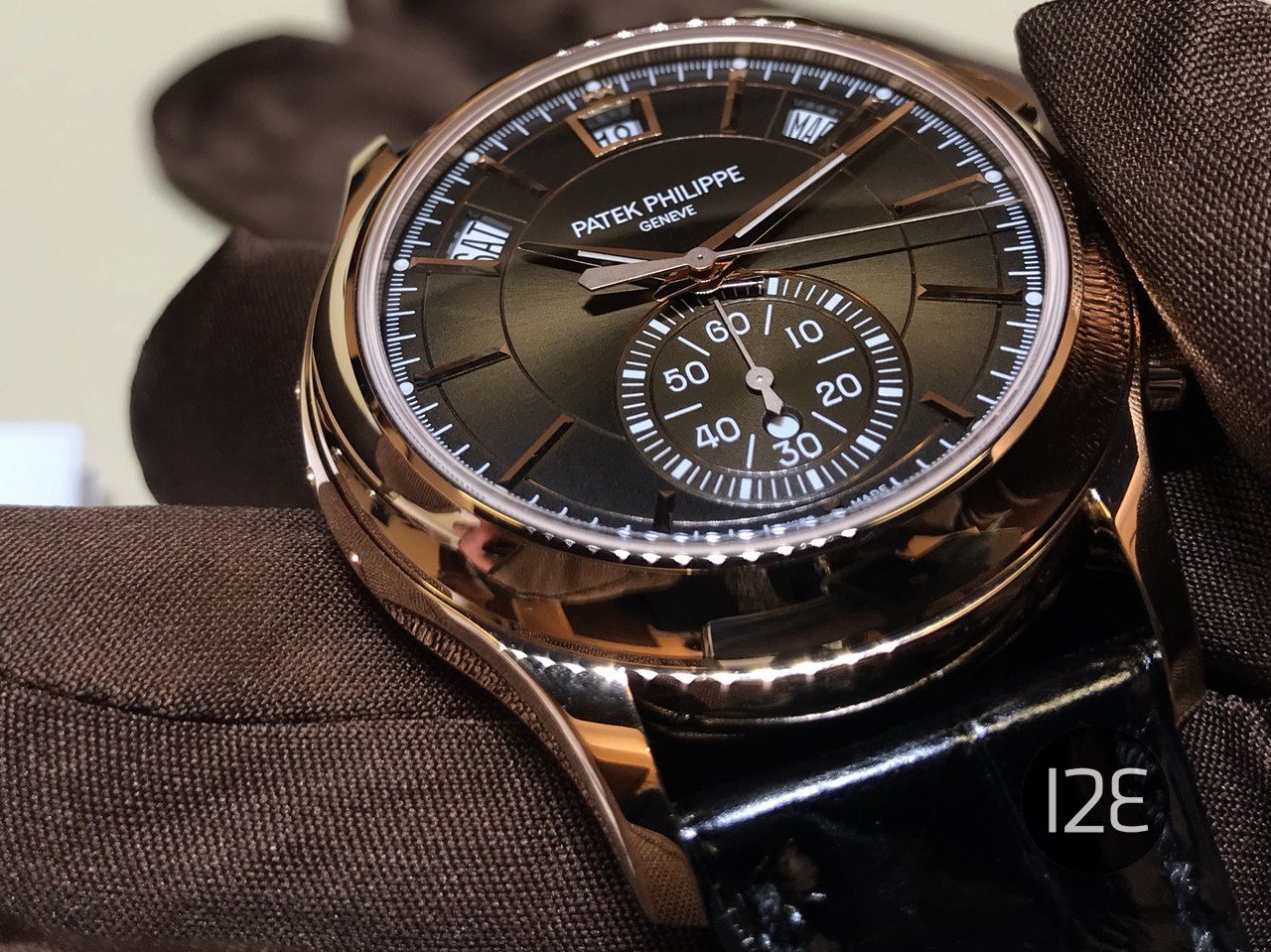
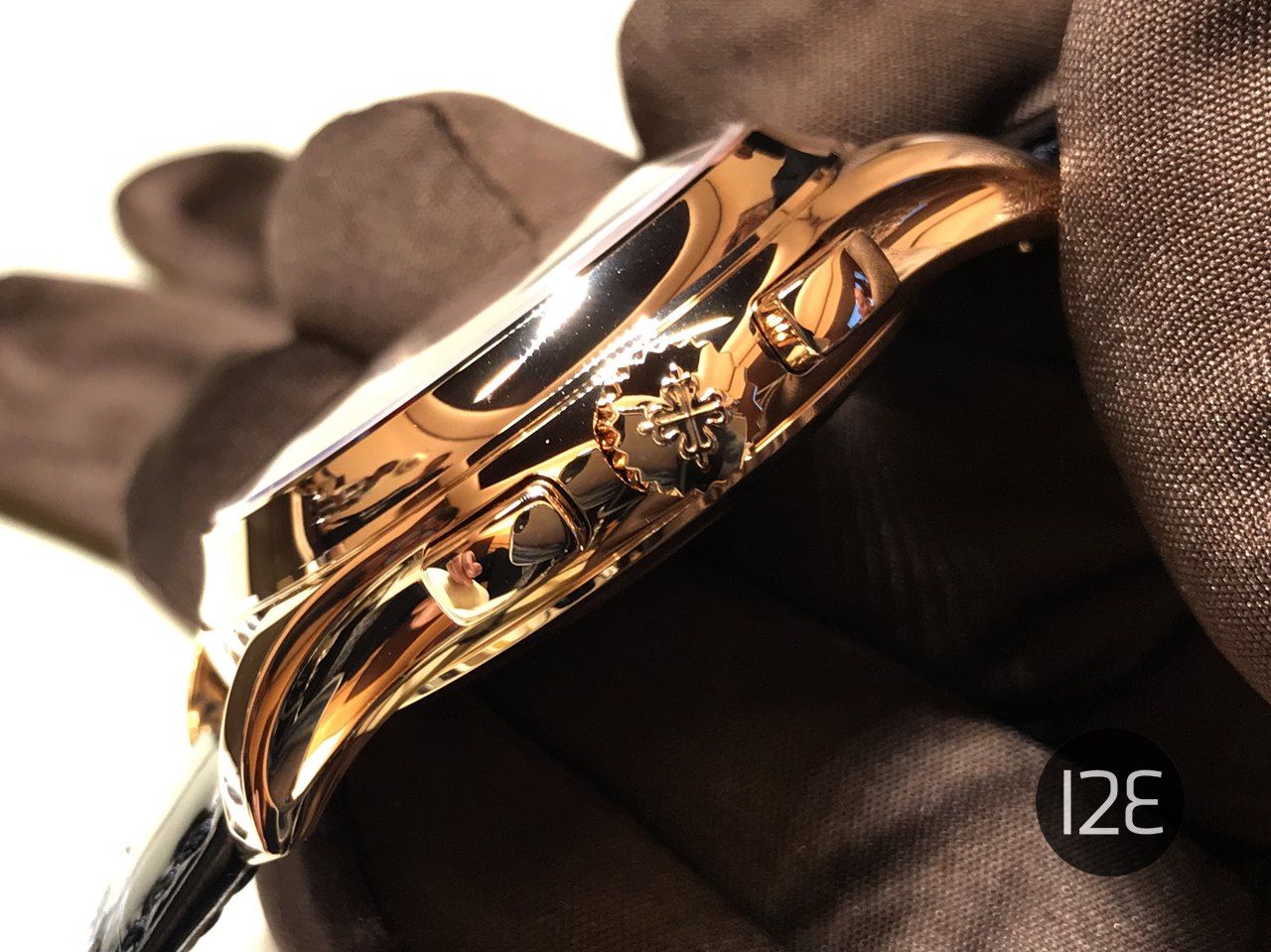
Another chronograph, and another iteration on a pre-existing model, is the 5905R model with flyback chrono or return in flight (it is not necessary to reset the chronograph to start a new measurement) and annual calendar, all animated by the automatic caliber CH 28-520 QA 24H, this last part of the reference refers to the day/night indication that is observed within the subdial at six, graduated to count up to 60 minutes. Of the details that I mentioned above, it is worth highlighting the treatment of the handles of the box, with that “emptying” that gives them a special volume. The price, around €60,000 in pink gold and over €71,000 in platinum.
Patek 5168G-010
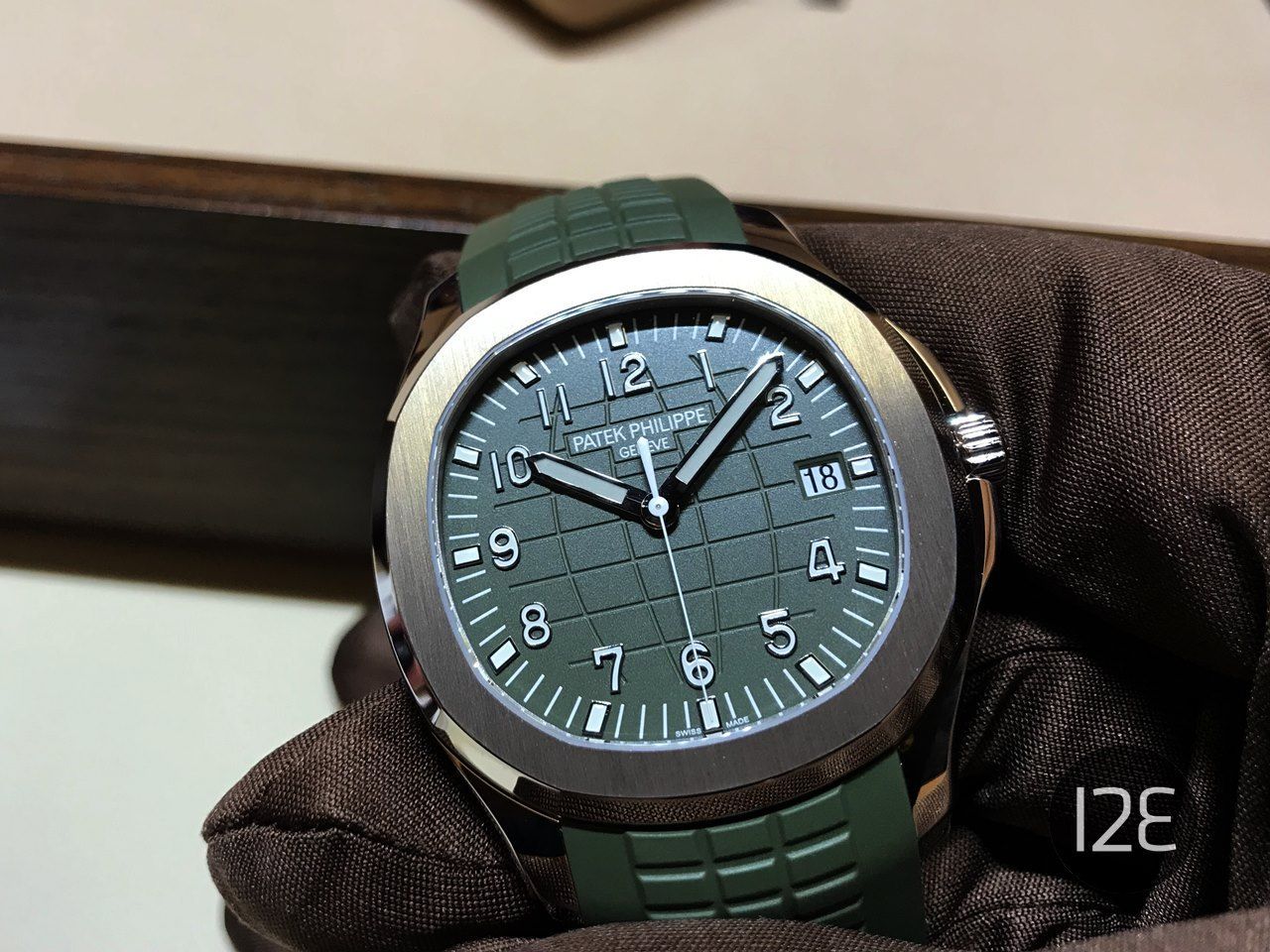
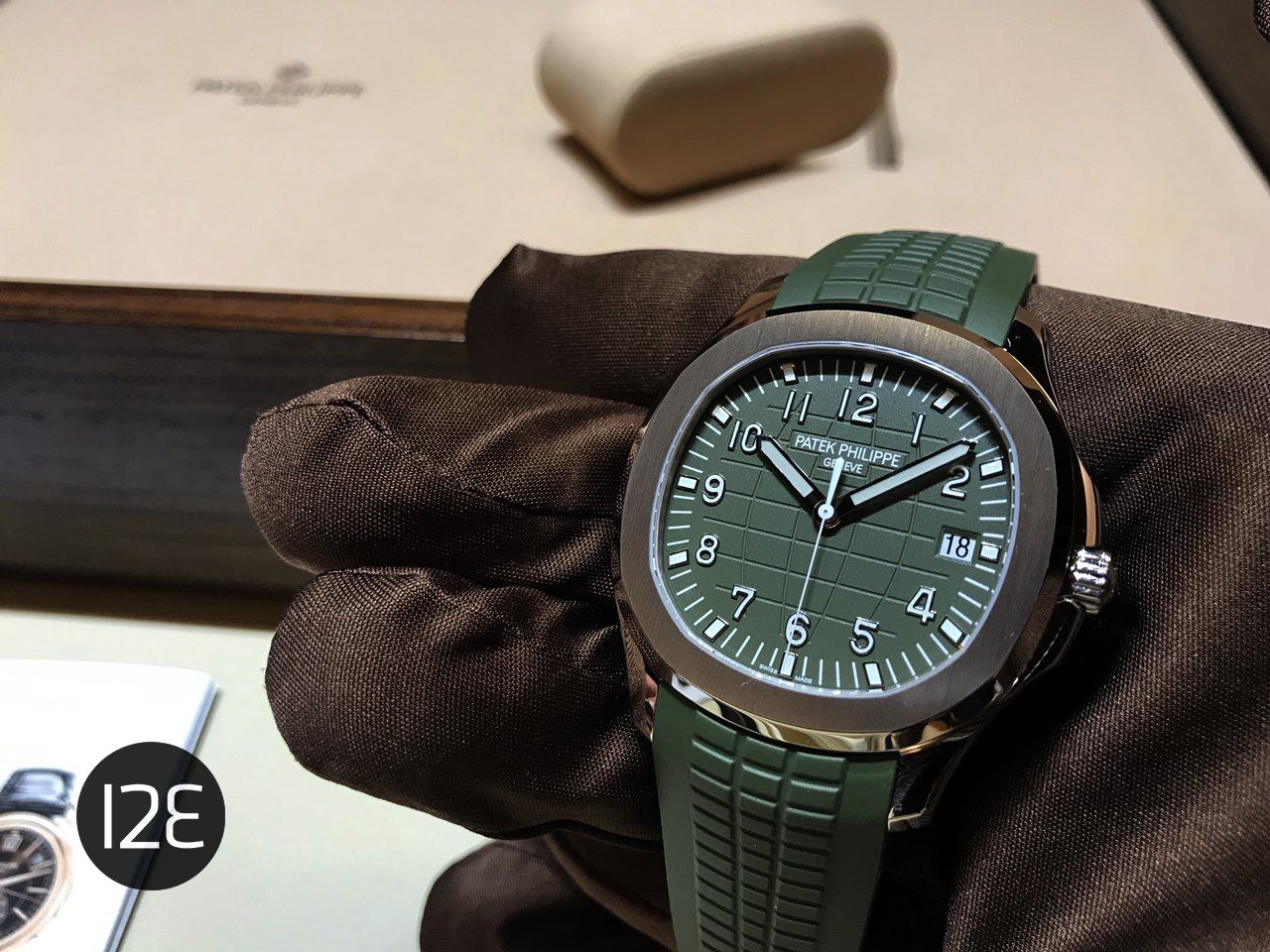
Another of Patek's "popular" models is the Aquanaut series, which in its steel version is subject to the same or similar "persecution" as the Nautilus 5711/1A. Basically with a rubber strap and the characteristic semi-squared motif on the dial and strap, the Aquanaut has made an important place for itself in the brand's sports collections, and in 2017 it already took the step towards white gold (the letter G at the end of the reference) and a size slightly larger than the 40mm of the original steel model: 42.2mm. Initially in blue (ref 5168G-001), this year it is presented in a “military” olive green color, reference 5168G-010. The technical novelty is a patented folding clasp, secured by four independent grip points. It is mounted on the caliber 324 SC with a full rotor in 21 carat gold. The price: €36,310, almost 19,000 more than the steel version.
Patek 5231J-001
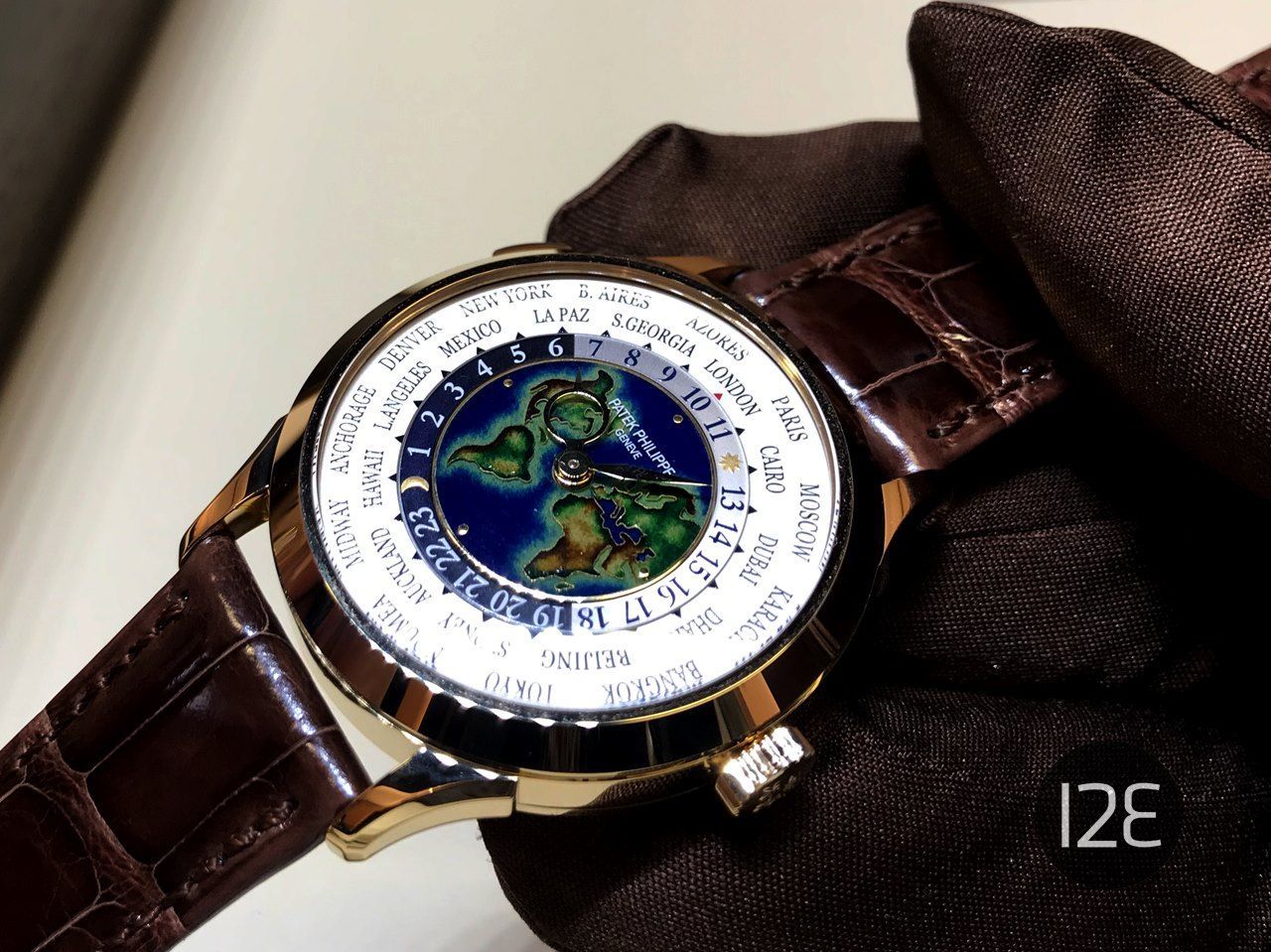
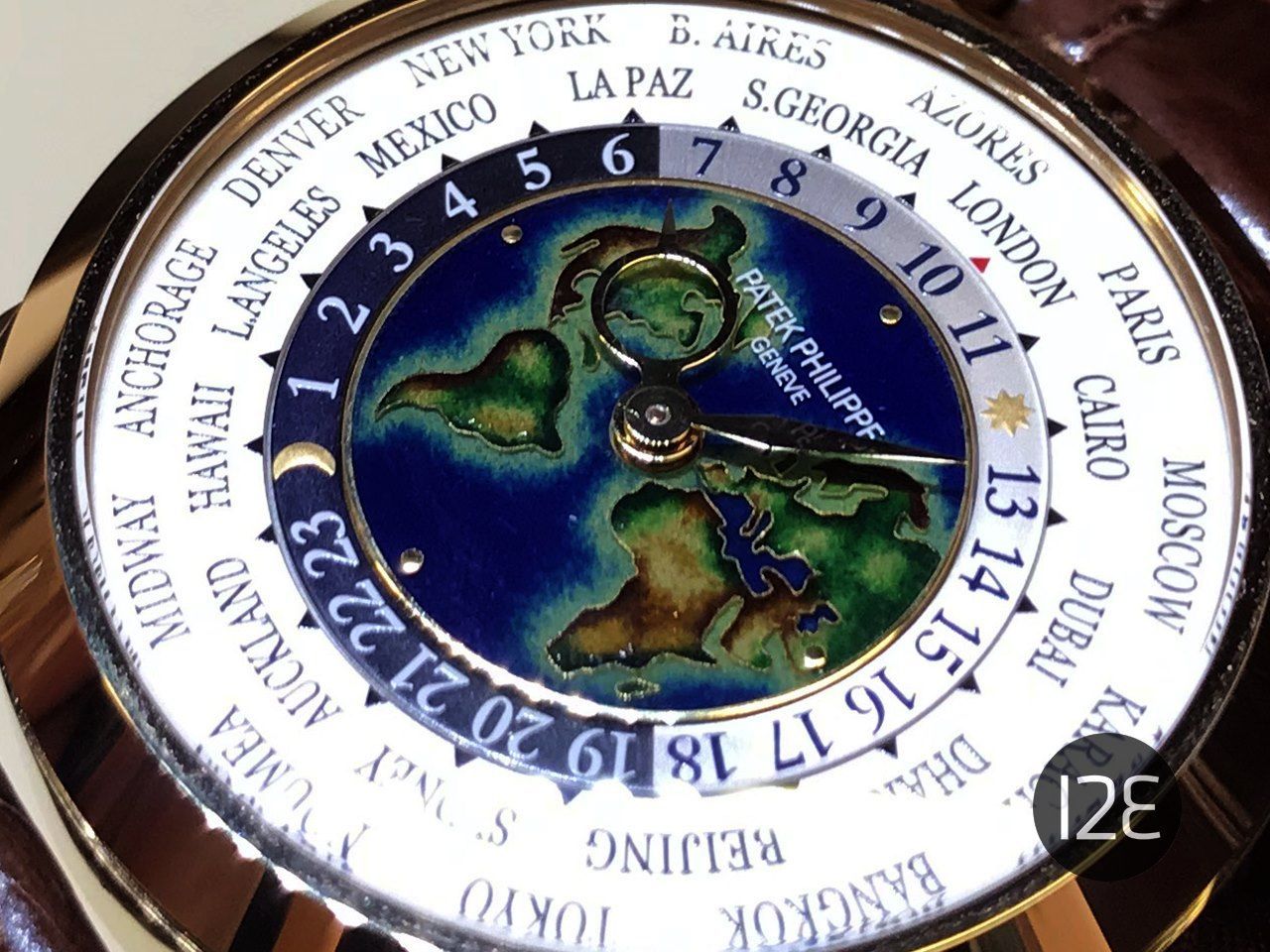
When in 1931 Louis Cottier presented a mechanism capable of indicating the hours of the 24 time zones, Patek Philippe knew that it had to incorporate it into its collections, and since 1937 there have been such a number of models that by themselves they can be the sole objective of a collector. In fact, they have an exclusive section in the Patek Museum in Geneva. In addition to this horological complication, it is common for the dial to be decorated with “cloisonné” enamel (cloisonné, would be the literal translation), which makes it doubly interesting as a collectible. And in case something was missing, we have the geo-political part: the cities that indicate the 24 time zones vary at the pace of some governments (Venezuela decided that theirs was half an hour, which left Caracas off the list) or simply of the markets targeted by the brand (in recent years Riady Dubai, Paris and Geneva have followed one another). Or Hong Kong, replaced by Peking/Beijing in the latest creation for this year. It has the automatic caliber 240 HU with micro-rotor. Due to the entirely handmade process of its dial (beyond the watch itself), having the €67,430 it costs does not guarantee that it will be accessible in the coming months.
Patek 5212A-001
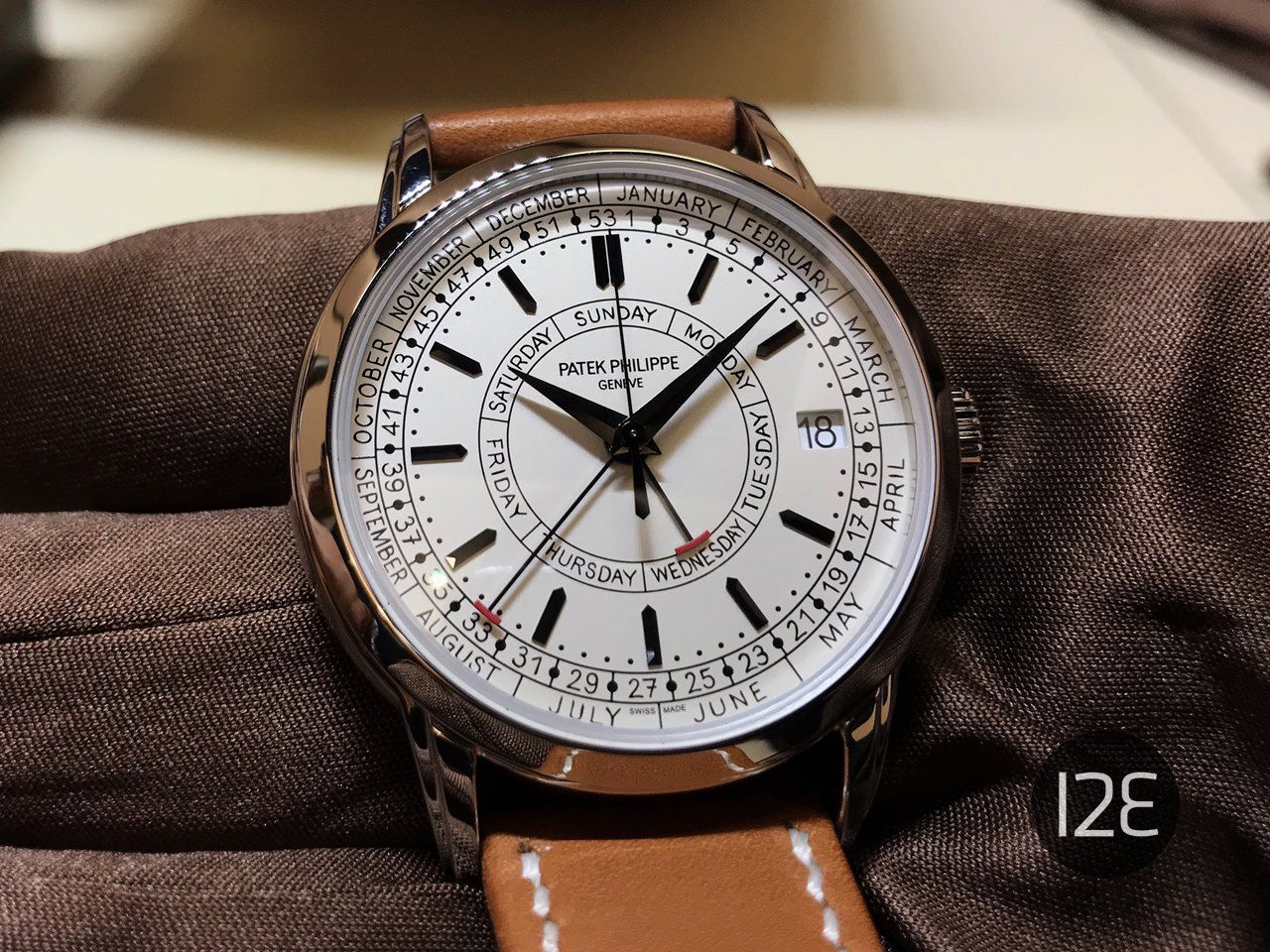
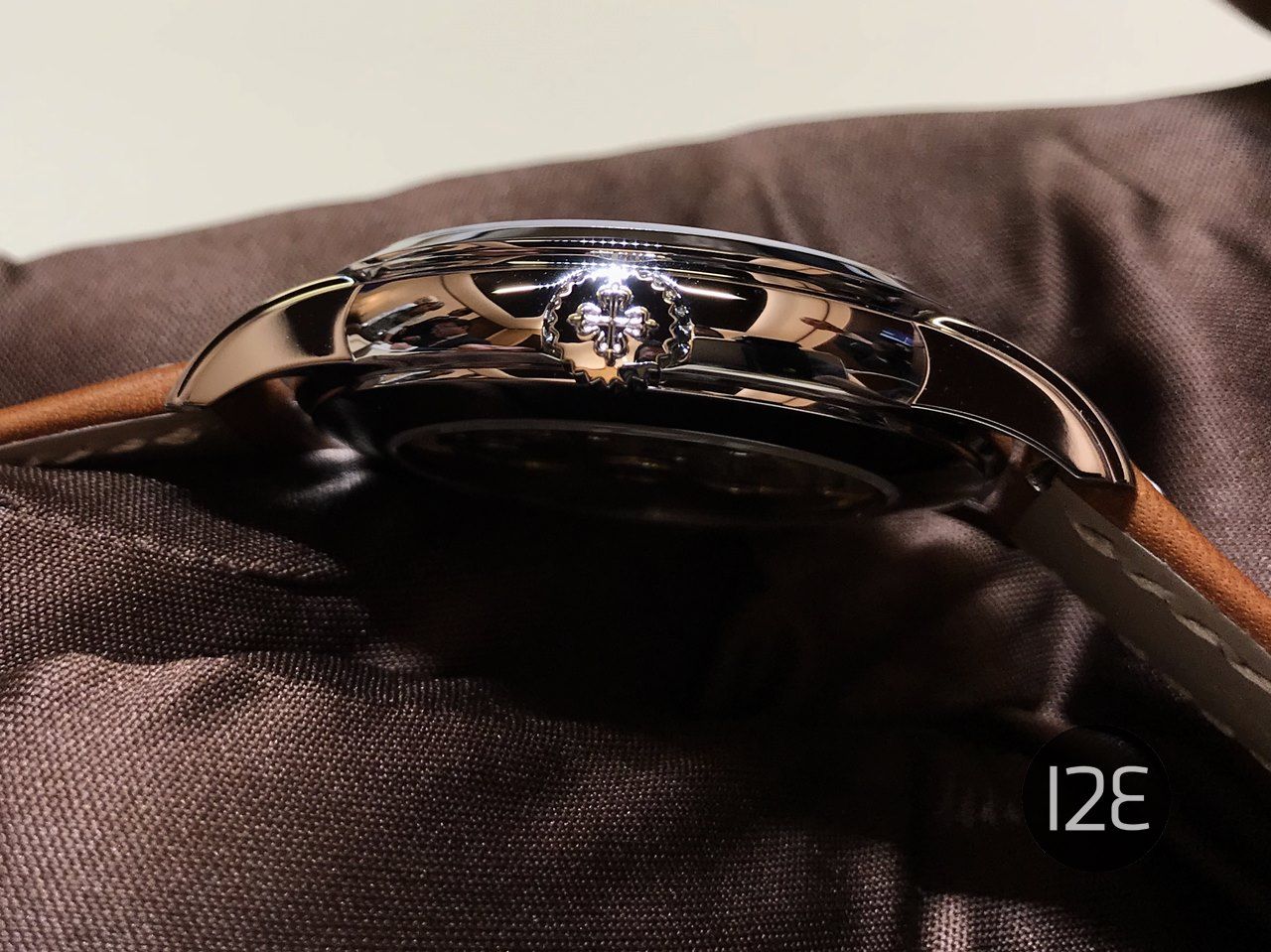
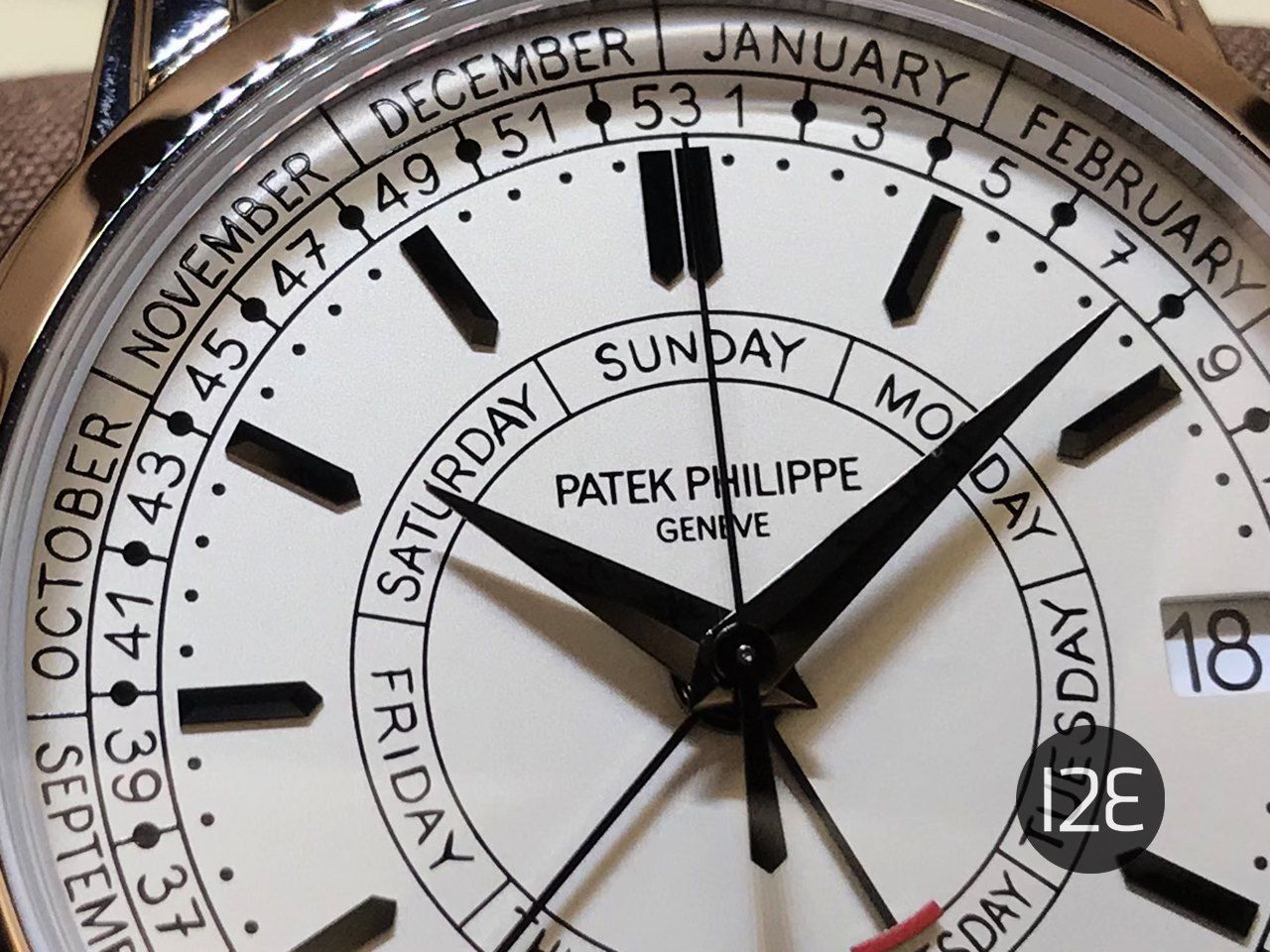
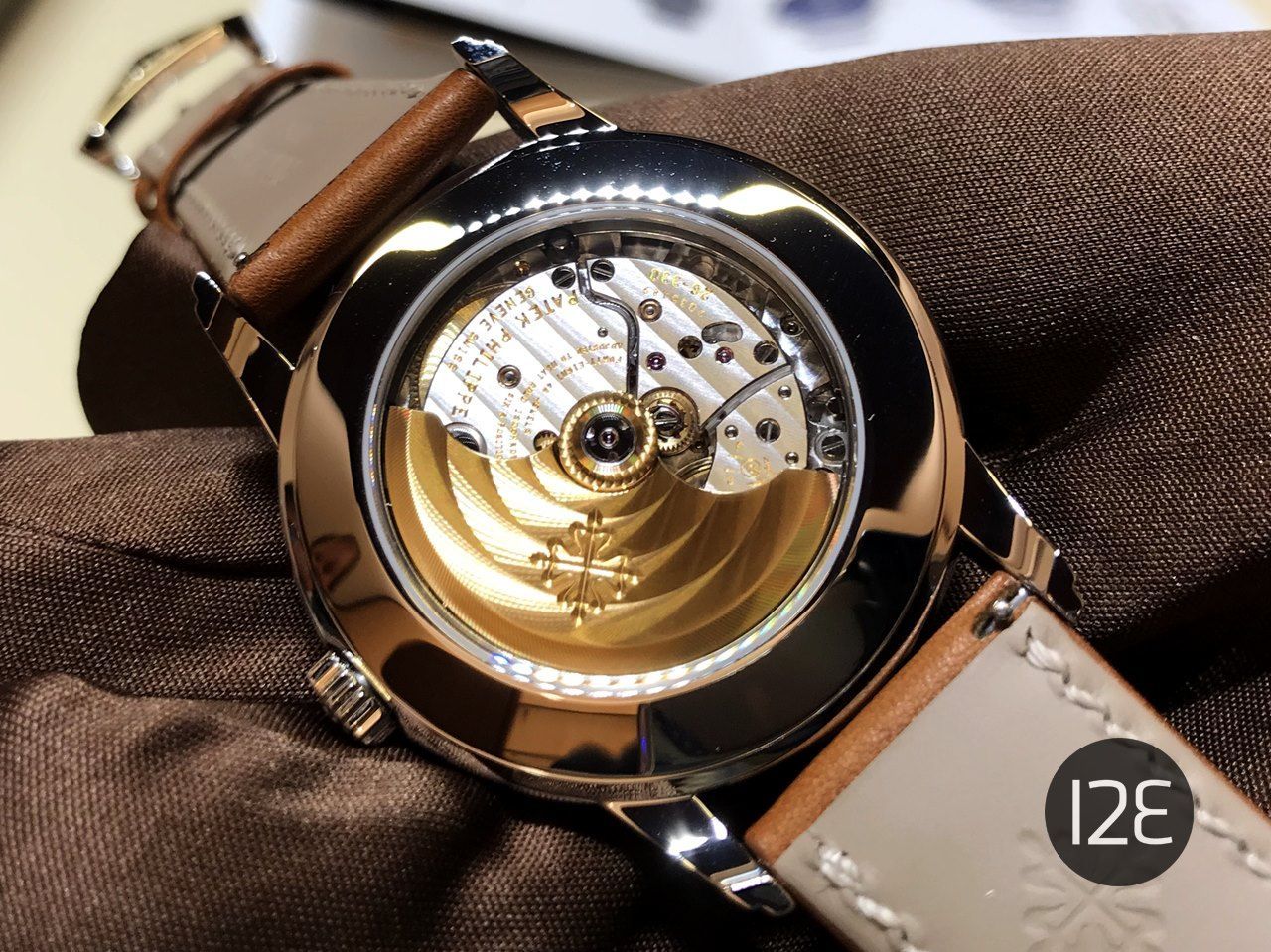
I have left the most interesting piece of all the news for last. Interesting – for me – for two reasons: it is a steel Calatrava and it presents an unprecedented complication such as the weekly calendar, that is, it indicates the week of the year in addition to the usual date (day of the week, of the month and the month itself). This is a complication that is intended to be useful as it is increasingly common in business to speak of weeks as deadlines. Another interesting novelty is the spelling used, which suggests manual writing and distances it from the usual classicism in the brand's aesthetics. The indicated indications are by hands, except for the day of the month which is read in the usual window at three o'clock. New automatic movement with spiral and silicon escapement 26-330 S C J SE at 4 hertz and a power reserve of 35/40 hours. With a 40mm steel case and a leather strap – hand-stitched, of course – it could be said that it is the most “youthful” of the new models, although at a price of €30,600
Ingenuity, again
Regarding the 5212A: towards the beginning of the article I referred to the “ingenuity” of the Maison in relation to a technical improvement related to the gears/wheels: no matter how small it may be, a play or clearance is produced between the teeth of two geared wheels, which contributes to reducing the precision with which these wheels work. We are talking about really small proportions, but in a universe like that of Fine Watchmaking they sound nothing short of intolerable. That is why Patek has conceived and developed a wheel with moving teeth thanks to the flexibility of its construction. Perhaps it is better understood with a couple of images:
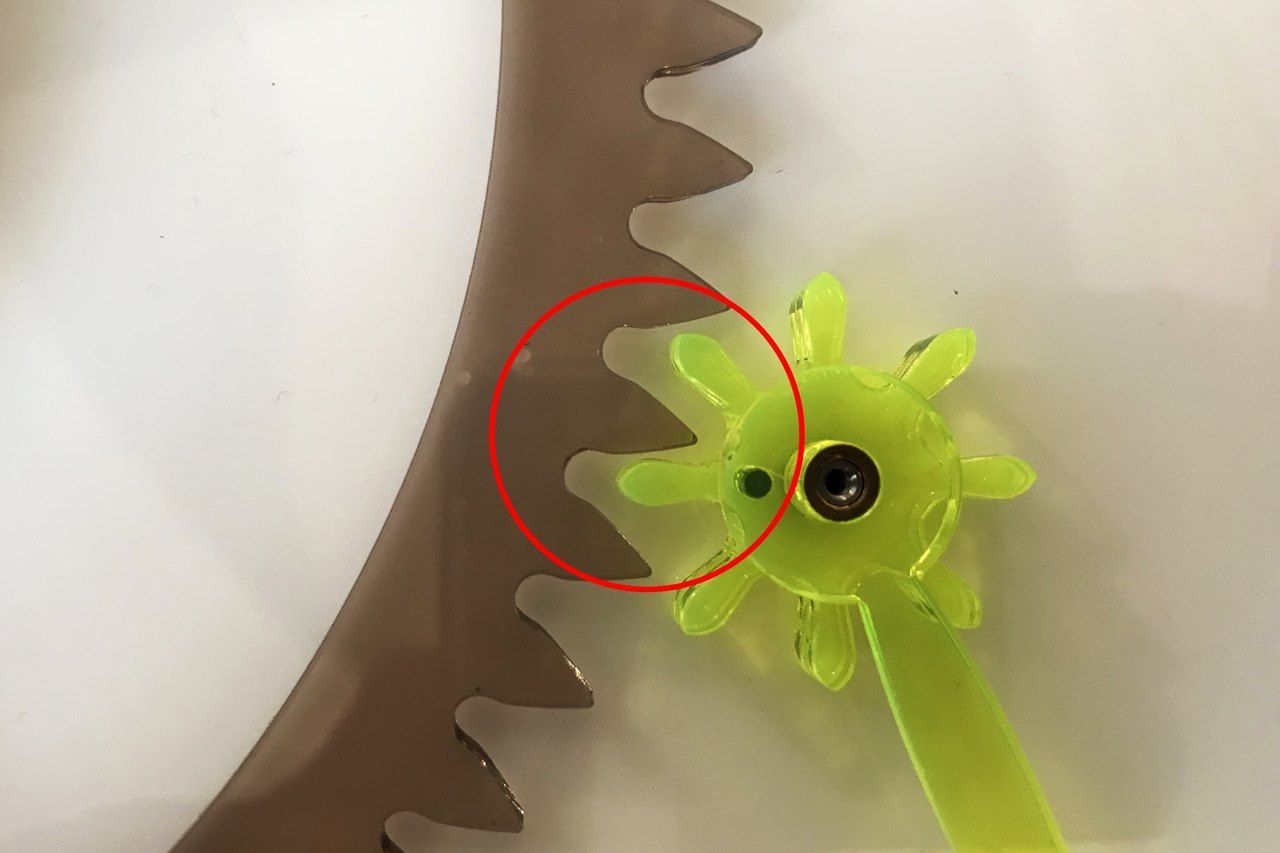
For construction and functionality reasons, there must always be a slight play between the fixed teeth of two wheels (magnified here), which influences the precision of, for example, a seconds hand.
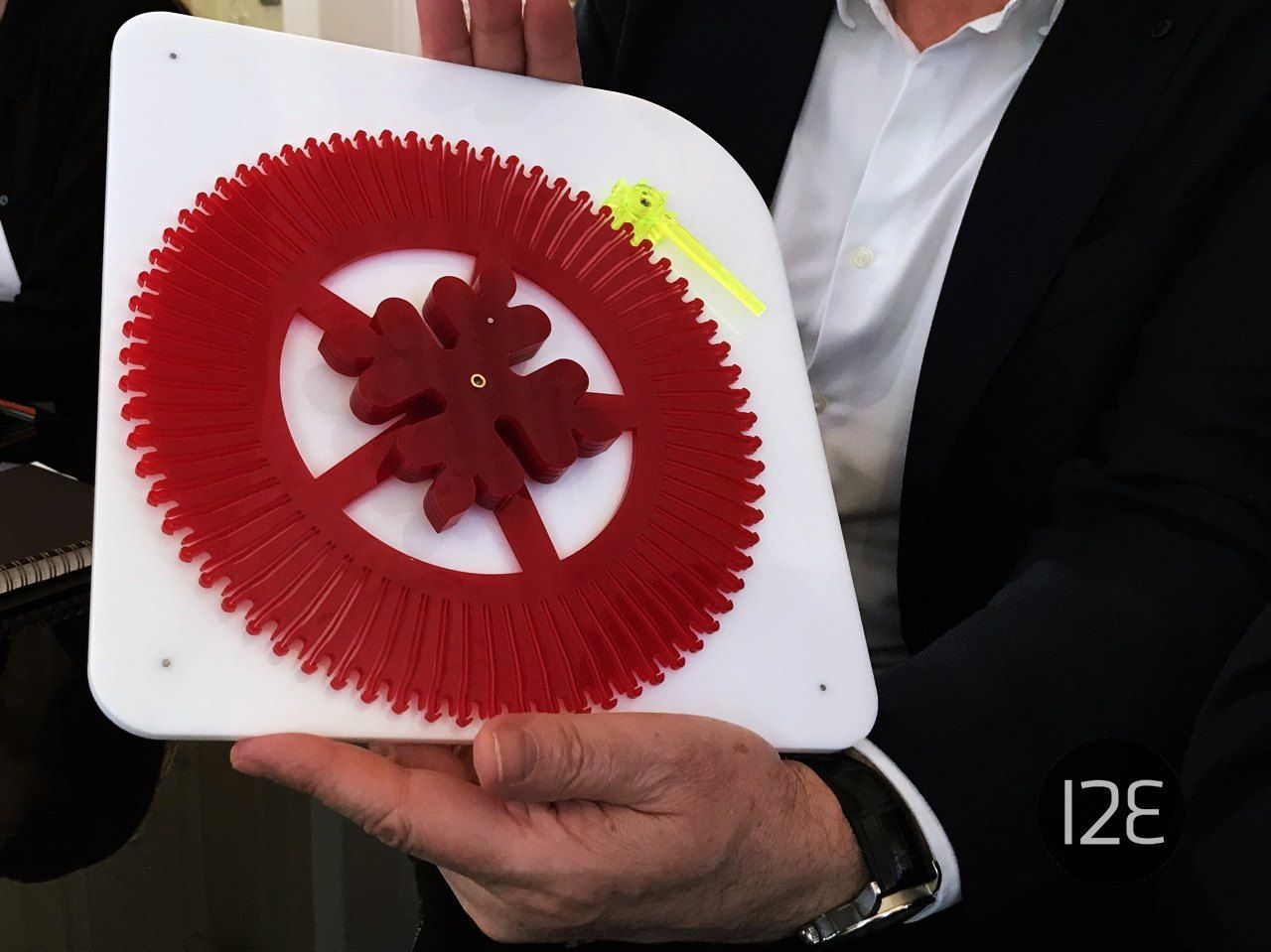
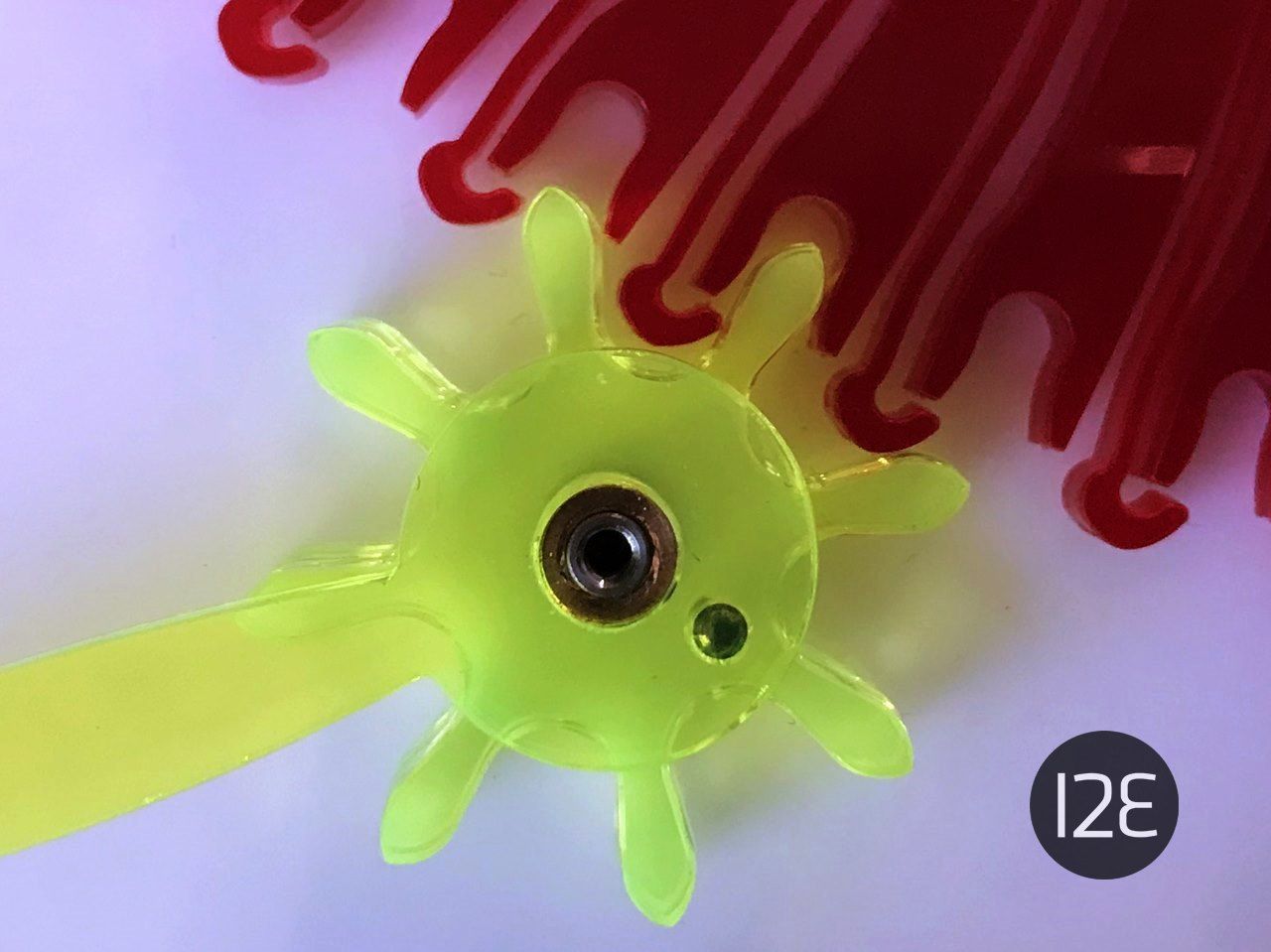
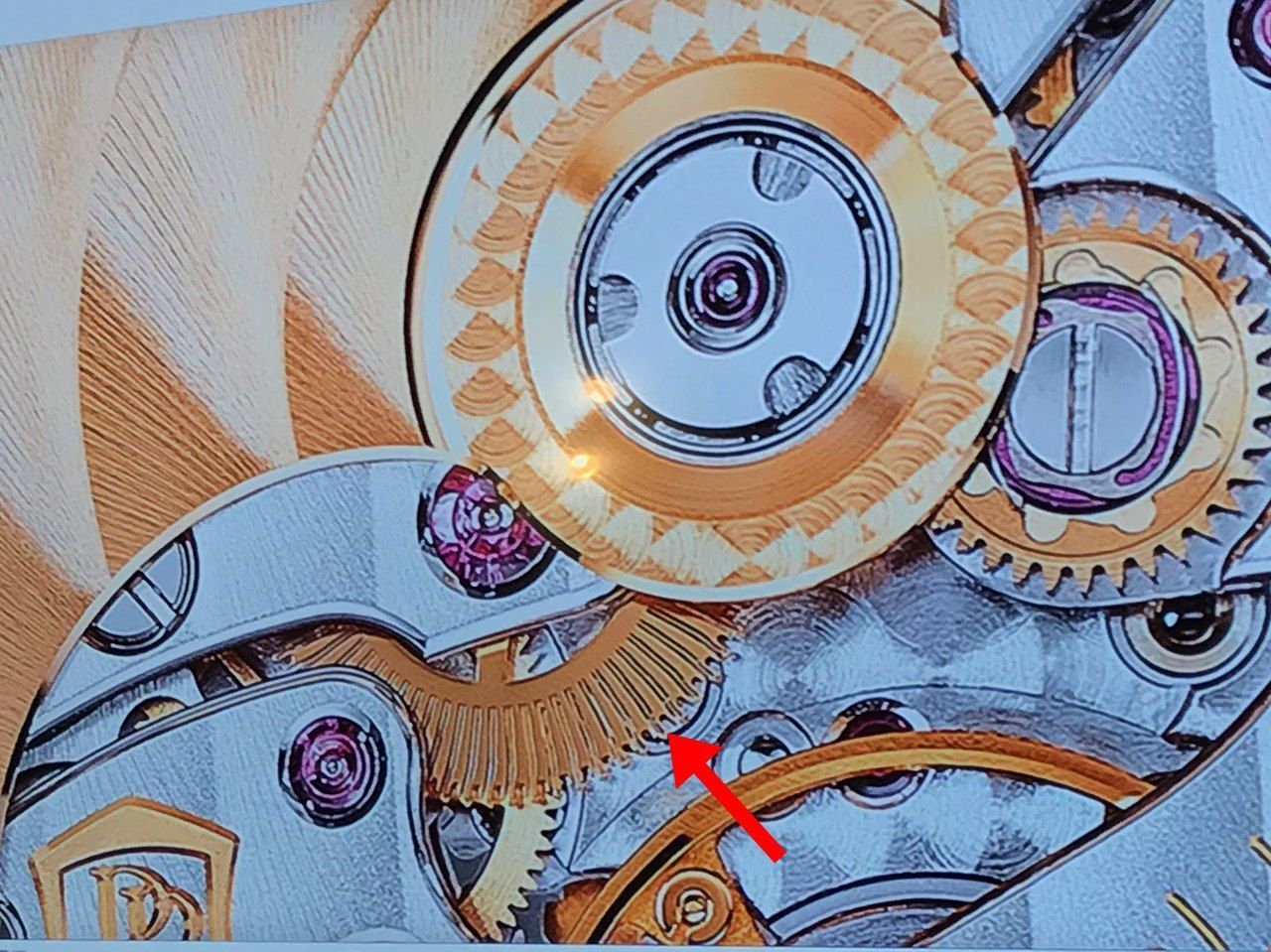
With Patek's innovation, the tooth of the small wheel is always in contact with the larger wheel thanks to its straps, which keep it in contact with one of its own until the next one engages. Since a picture speaks better than words, you just have to look at the difference in complexity between one wheel and the other. Below, already applied in the caliber 26-330 S C J SE of 5212A
As in every campus, there was also a training section at the Patek Campus for the brand's “retailers”, that is, its distributors in Spain and Portugal. Training given once again by someone who has been a reference in the technical department, Mr. G, whom I am not allowed to name but I would like to pay tribute. Until the next campus.










