

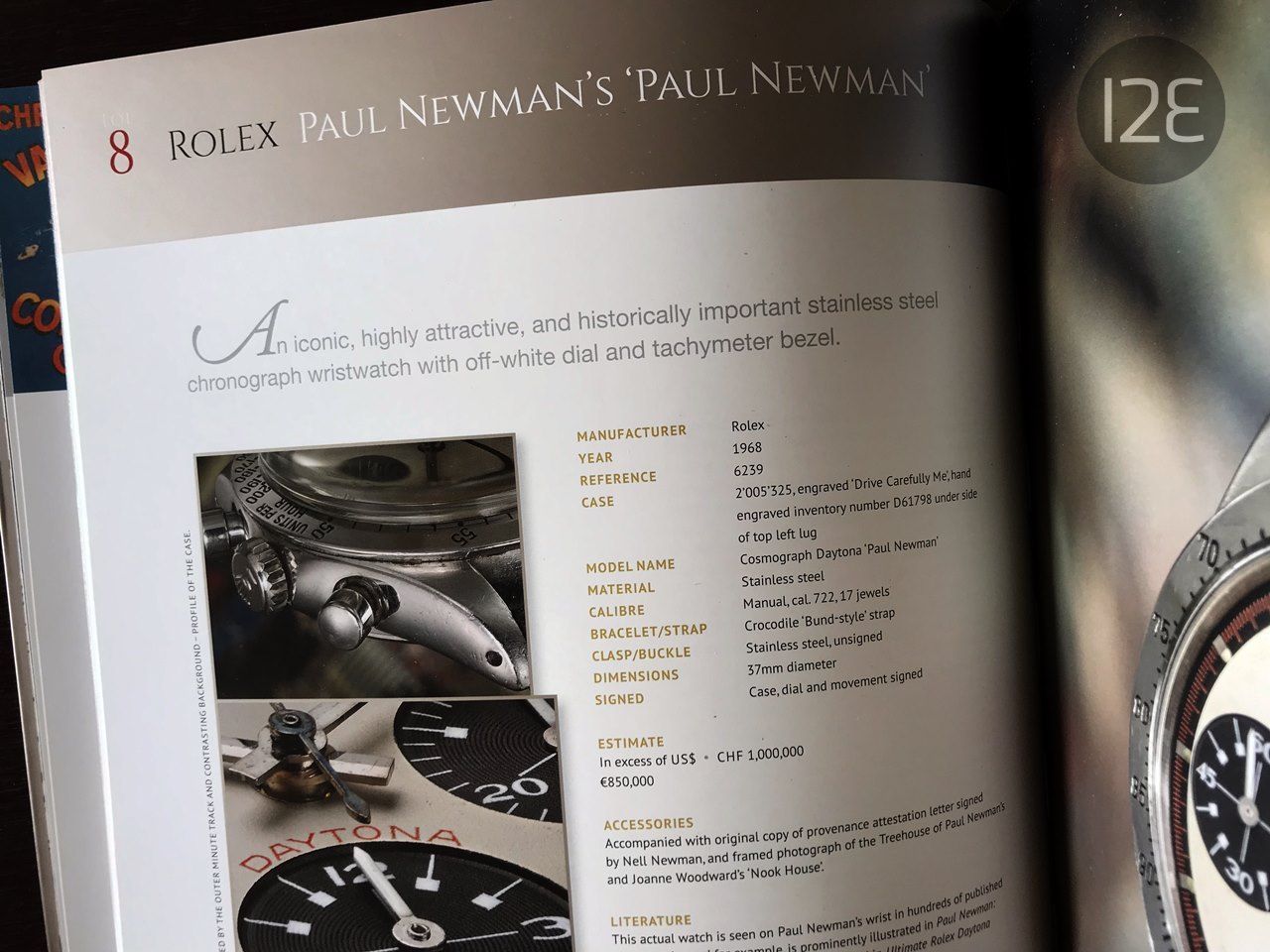
We come from the first part, where James Cox already knew that hisRolex Daytona Paul Newman(actually “Paul Newman’s” Rolex Daytona) could be worth a small fortune. What he didn't know was the size of that fortune, which turned out to be not that small. The first thing he did was speak to Nell Newman, with whom he continued – still – maintaining an excellent relationship (in fact, he is the treasurer of his foundation, dedicated to philanthropy and sustainable agriculture), to ask permission to put such an icon of world watchmaking up for sale. And the reason, far from greed, was twofold: the first is because knowing the actor (and they both knew him well) they knew that he would have wanted that watch to return to the world. And the second, much more important, because with the proceeds they would provide resources to Nell's foundation.
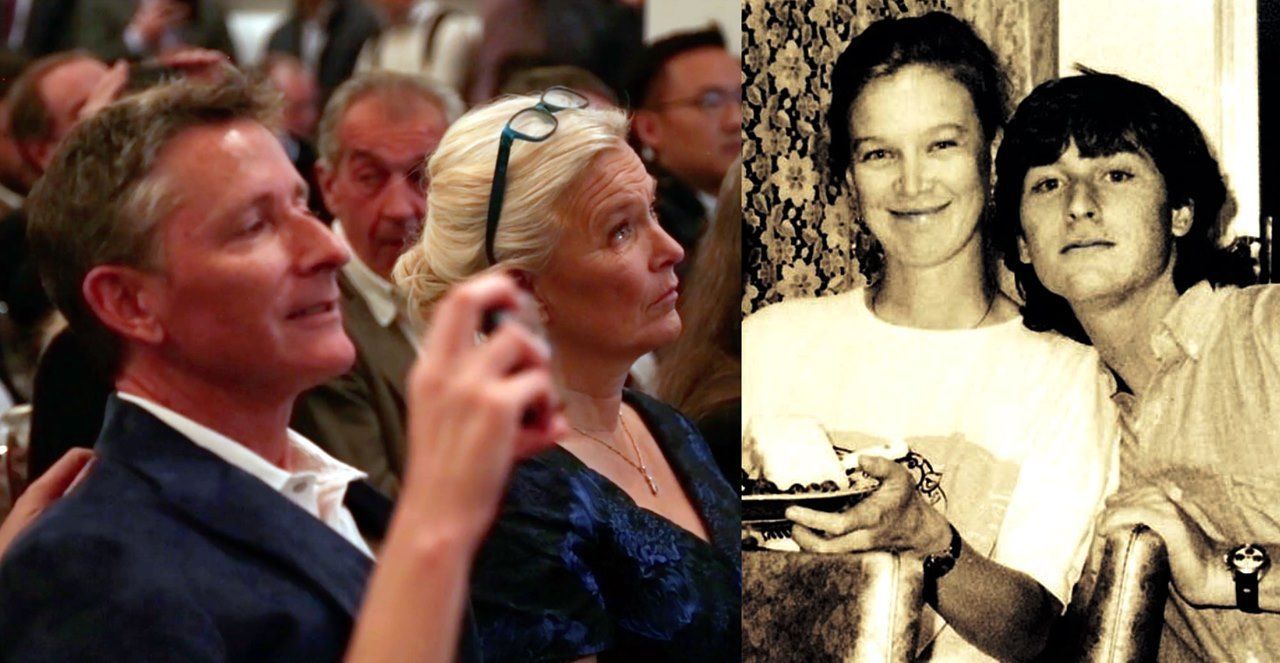
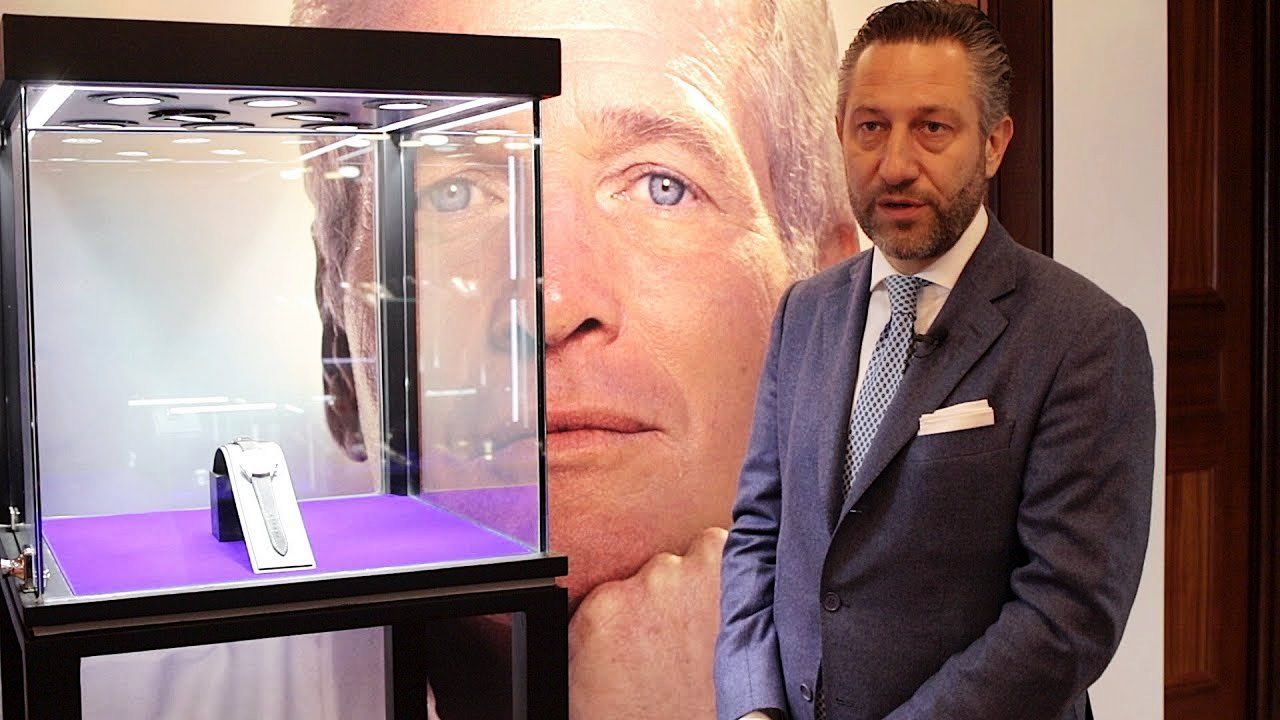
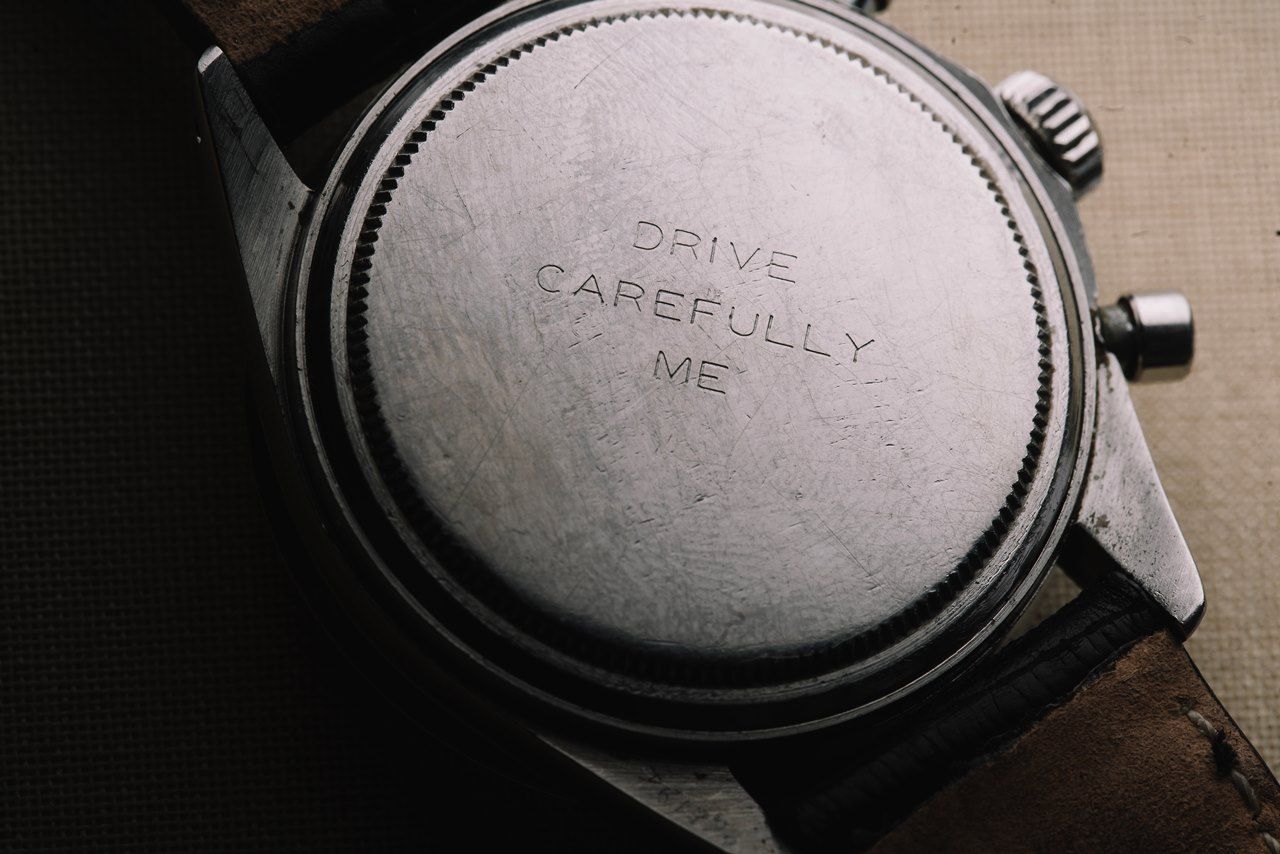
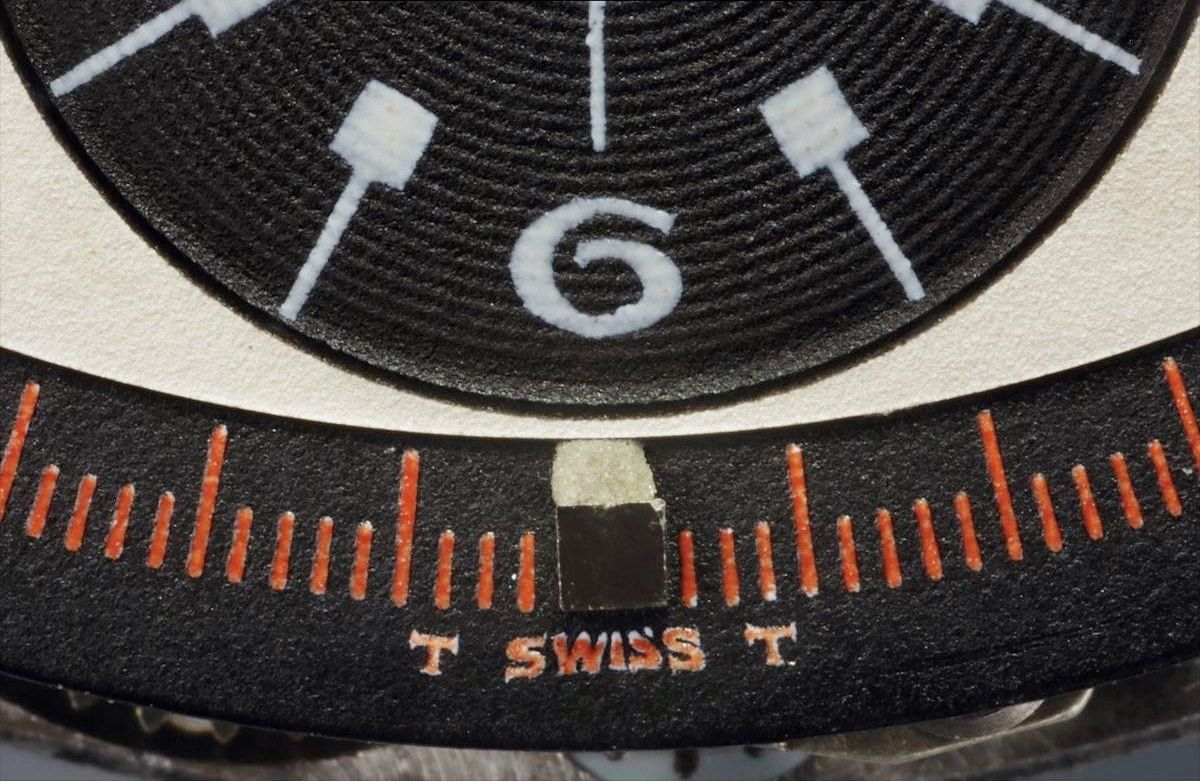
Once agreed, James, who knew nothing about the world of watches, called a lawyer friend who put him in contact with a renowned collector. It was he who in turn directed Aurel Bacs, the most famous watch auctioneer in the world. When six weeks later they met in California and Bacs was able to hold the watch in his hands, “he was as nervous as a Swiss can be in a suit,” in the words of Cox. To make matters worse, the condition of the watch was simply perfect: completely original, with the dial untouched, all the tritium indexes in place, the case without dents... a watch worn with care and without extravagance for more than thirty years (we must not forget that the last twenty were spent in a safe).

The news spread like wildfire not only in the amateur world but also among the financial world: it was clear that only very deep pockets would be able to access it, not only to acquire it but simply to the bids that were coming. This is precisely why the Wall Street Journal was chosen to give the world the scoop: Michael Clerizo published an article that lit up the networks and turned Paul Newman's Rolex Daytona into a trending topic. It is both interesting and fun to read the genesis of that article in Clerizo's own words: since he couldn't tell anyone that he was in charge of telling that story, what he did was ask everyone what they thought would happen if he found himself. A friend told him at Baselworld: “we would scream, faint, and then run out to raise $10 million to try to buy it.”
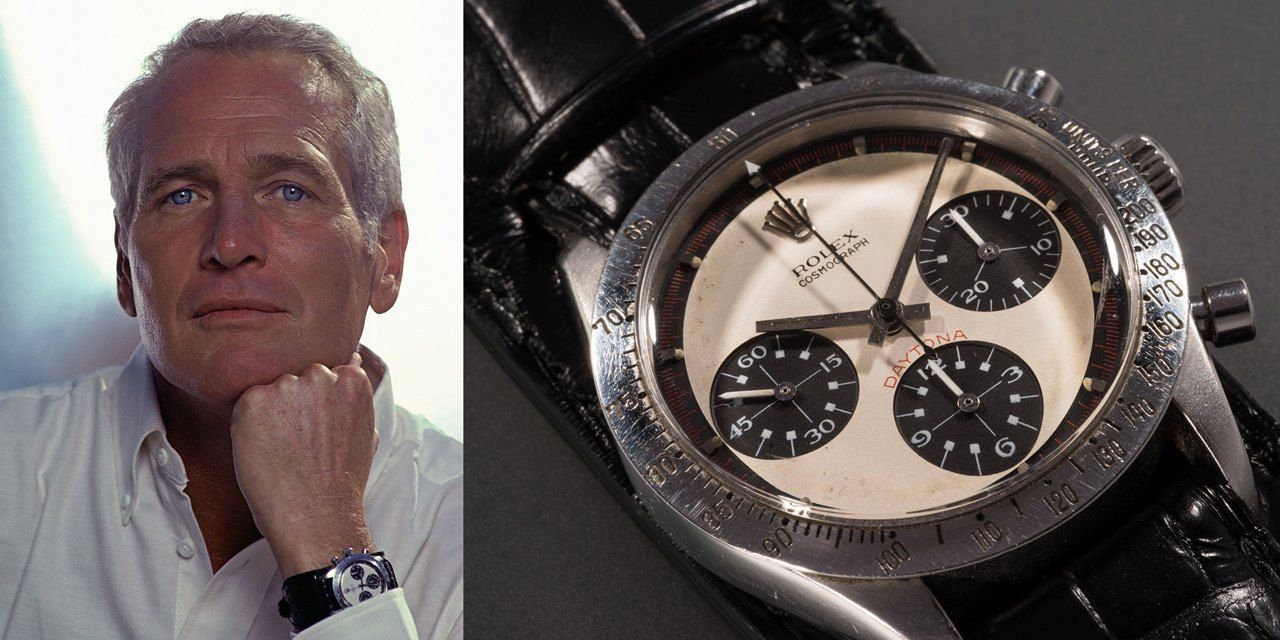
Once again, reality ended up surpassing fiction. Some examples of the Rolex reference 6239 with an “exotic” dial (that is, the so-called “Paul Newman” dial) had been sold. In the early 90s, one had been sold at auction for $10,000, and in 2016 another had reached two million. Before knowing that it still existed and had appeared, many people speculated that if this were the case, the watch would have already been sold (or at least offered) for an astronomical amount. Nothing could be further from the truth: Paul Newman's Rolex Daytona was now on sale - auction - for the only time since it left the store (supposedly Tiffany's) in the hands of Joanne Woodward.
The big day was going to be October 26, 2017 in New York, coinciding with the inaugural Phillps auction (the auction room) in the city. It wasn't bad for being the first. The appointment was at six in the afternoon, but at five-thirty the Park Avenue room was packed with what seemed (in reality was) a who-is-who of the most powerful collecting and trading community in the world: from anonymous people with possibles to high-profile names like Alfredo Paramico, the famous collector of “white Pateks” (steel Pateks are very rare and appreciated pieces. And expensive, of course). As it happens, there were also a couple of Rolex executives, I'll talk about that another day. And at six o'clock the auction began.
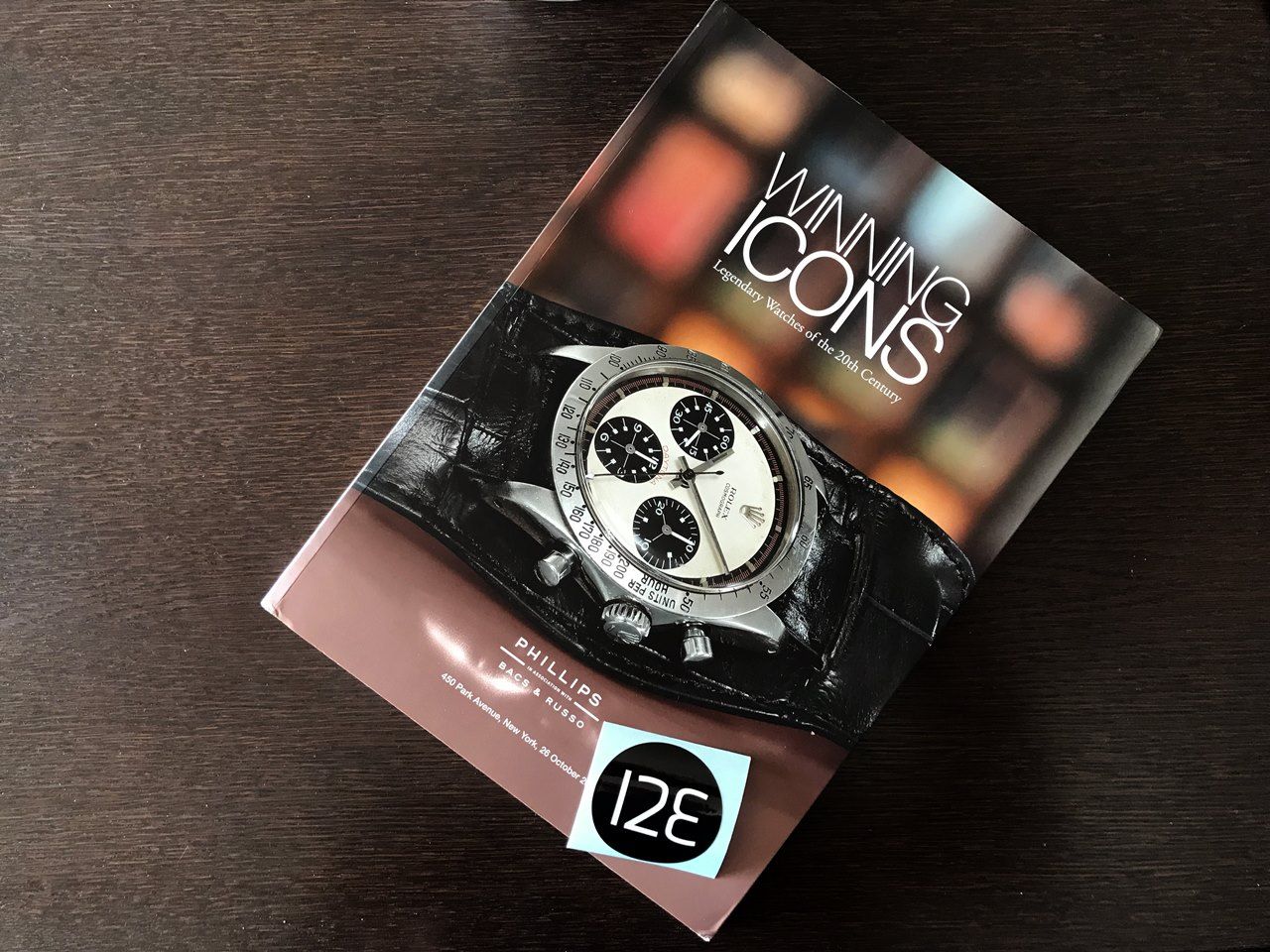
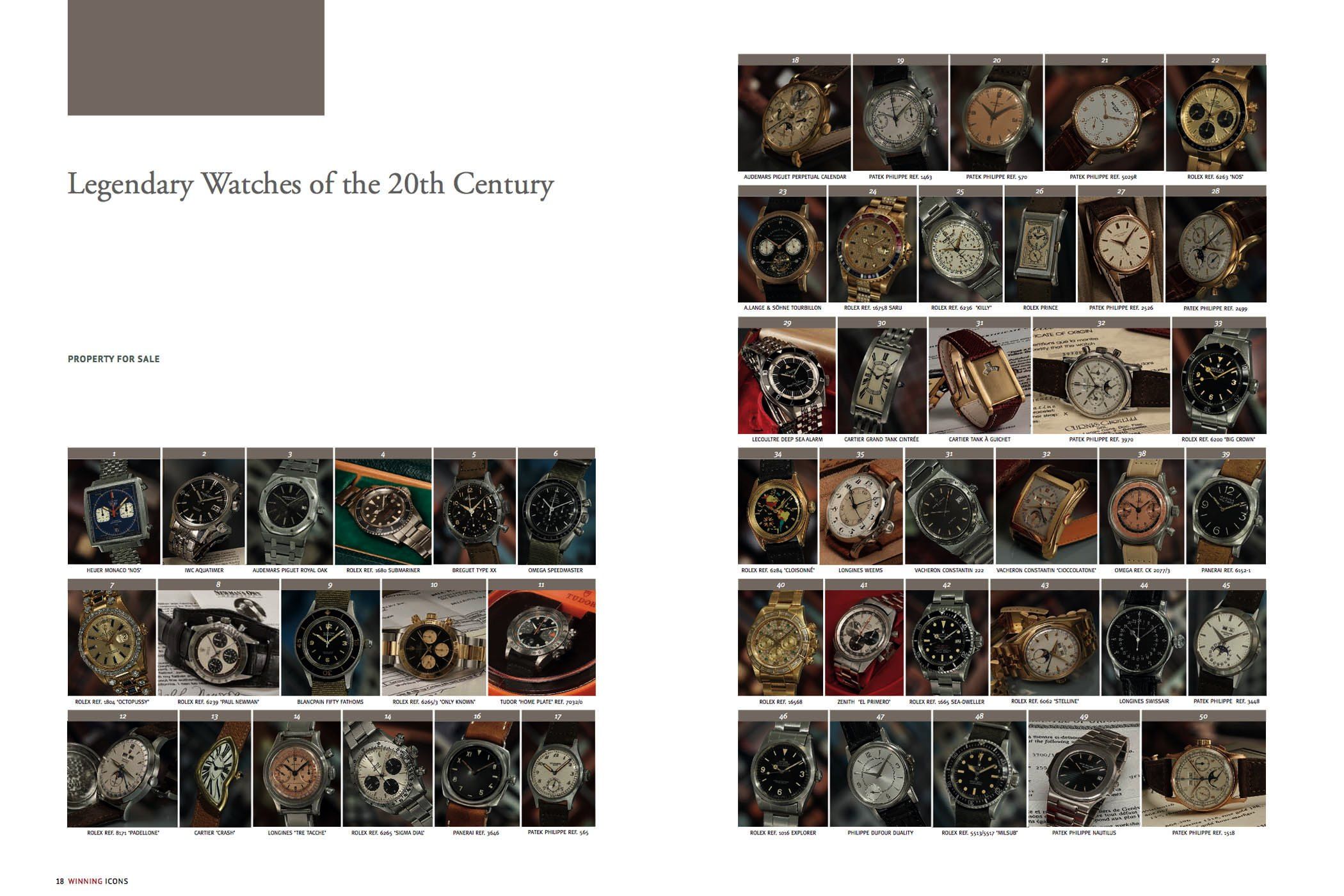
Up to seven lots passed by almost unnoticed: Heuer Monaco, IWC Aquatimer, AP Royal Oak, a Rolex Submariner “red letter”… wonderful pieces in themselves, but incapable of competing in interest with what was now the most famous wristwatch in the world. And finally the time came. Before starting, Aurel Bacs announced that there were up to 10 “Premium palettes” in the room, referring to the bidders authorized to bid live: celebrities like Jerry Lauren (Ralph's brother) or high-flying merchants like Davide Parmegiani or Eric Ku. In addition, 14 other previously selected telephone bidders had registered. Online bidding was prohibited to avoid false bids such as “my cat climbed onto the keyboard but I didn't really want to buy an 18 million watch” (true anecdote). By the way, you can see the complete catalog at ISSU
Aurel Bacs finally opened the bidding by commenting that there was already a written offer prior to the auction of one million dollars (the catalog said that a result “above a million” was expected). He had not yet finished turning his gaze towards the telephone area when an exclamation was heard coming from them: “Ten million!” The offer came from Asia. The audience stirred with a mixture of laughter and disbelief: could it be Phillips herself, who wanted to save herself half an hour of preliminary bidding? Well no, Bacs was as stunned as the audience, although he took little time to compose himself to say that the next offer would be ten and a half ("ten five").
And it was. In reality, he happily jumped from half a million to thirteen, and directly to fourteen! At this time it had already surpassed the record for the most expensive wristwatch ever sold, that of a steel Patek Philippe reference 1518. After a silence that seemed long to some ("anyone in the room?" No one), it reached fourteen two hundred ("I'll accept it," says Bacs) and then fourteen and a half. The fight was between the original bidder of the ten million and another also on the phone, who at that point were beginning to show signs of “prudence” (haha). Bacs, master among masters, blurts out: “Fifteen, last chance Tiffany.” Tiffany To is the interlocutor of the Asian bidder, who was currently losing. Which says “would you accept fifteen million one hundred thousand?”
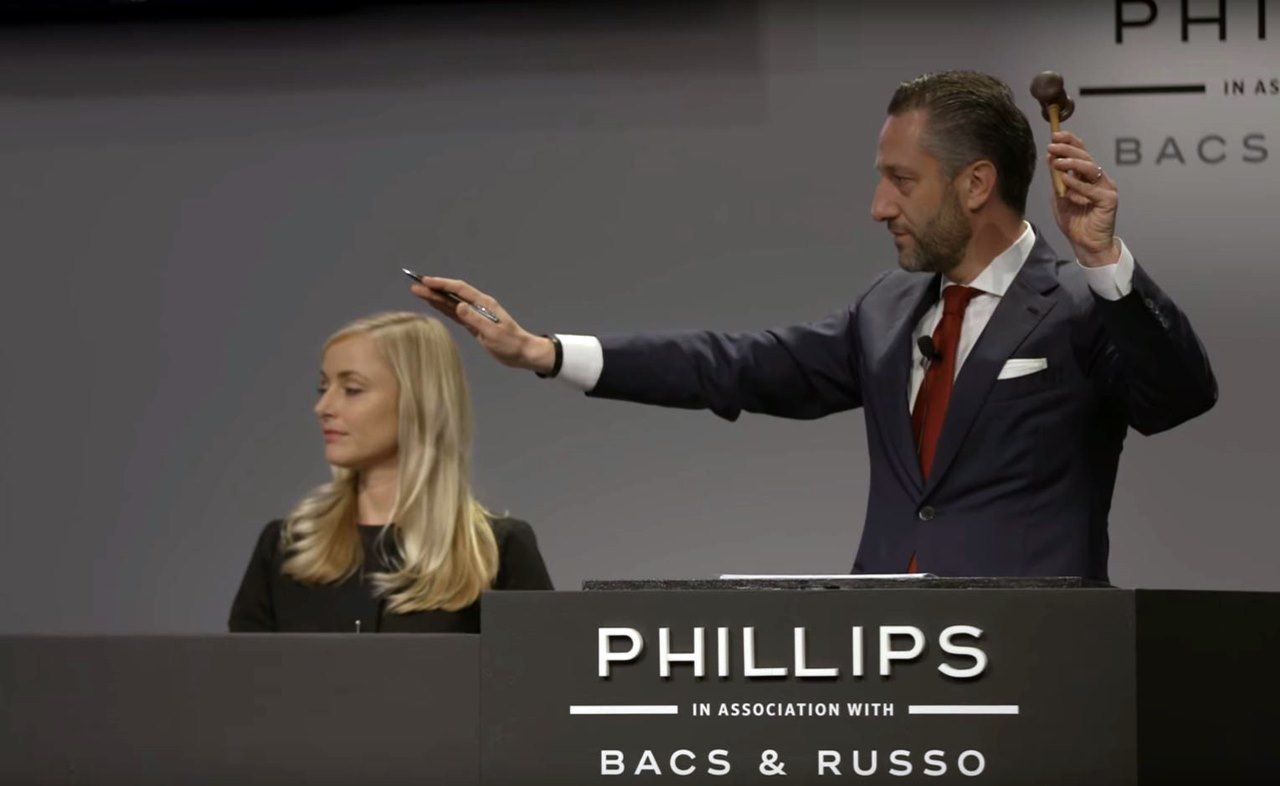
Before Aurel Bacs can answer that, the other part jumps out: “Fifteen five hundred”! And after a while of nervous banter, the auction ends abruptly with the fall of the hammer: “This is history,” he said. Fifteen and a half million dollars is what the market (or at least part of it) considers the Rolex Daytona that once belonged to Paul Newman to be worth, a price that with the “buyer's premium” or commission from the room rose to the not inconsiderable figure of 17,752,500 dollars, a record that will take a long time to be broken. Or not?
The bidding live and unedited. Twelve minutes were enough for the most iconic watch among collectors to change hands. It makes my hair stand on end...










